

|
시장보고서
상품코드
2004301
방위 항공기 브레이크 시스템 시장(2026-2036년)Global Defense Aircraft Braking Systems Market 2026-2036 |
||||||

세계의 방위 항공기 브레이크 시스템 시장
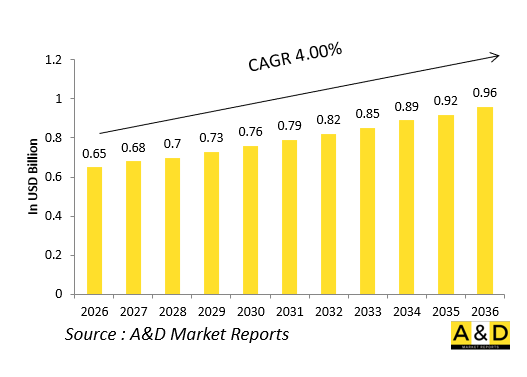
세계의 방위 항공기 브레이크 시스템 시장 규모는 2026년에 6억 5,000만 달러, 2036년에는 9억 6,000만 달러에 달할 것으로 예상되며, 2026-2036년의 예측 기간 동안 4.00%의 연평균 복합 성장률(CAGR)을 보일 것으로 예측됩니다.
소개
세계의 방위 항공기 브레이크 시스템 시장은 군용 항공의 중요한 부문으로 항공기의 안전한 감속, 착륙 제어, 지상에서의 기동성을 보장합니다. 이 시스템은 착륙 및 이륙 중단 시 발생하는 극한의 운동 에너지와 열 부하에 대응할 수 있도록 설계되었습니다. 전투기, 수송기, 무인항공기(UAV)를 포함한 현대의 군용기는 가혹한 조건에서 작동하기 위해 매우 신뢰할 수 있는 제동 시스템이 필요합니다. 국방 예산 증가와 첨단 항공기 플랫폼의 조달 확대에 힘입어 2026-2036년 시장은 꾸준한 성장세를 보일 것으로 예측됩니다.
항공기 제동 시스템은 기계, 유압, 전자 부품을 통합하여 정확한 제동 성능과 방향 안정성을 제공합니다. 방위용 항공기가 대형화, 고속화, 첨단 기술을 활용한 기체로 진화함에 따라 효율적이고 내구성이 뛰어난 제동 시스템의 중요성은 지속적으로 증가하고 있으며, 작전 안전과 작전 준비태세에 필수적인 요소로 자리 잡고 있습니다.
세계의 방위 항공기 브레이크 시스템 시장에서의 기술 영향력
기술의 발전은 특히 경량 소재와 디지털 제어 기술의 채택을 통해 방위용 항공기 브레이크 시스템에 큰 변화를 가져왔습니다. 카본 카본 브레이크 시스템 및 카본 세라믹 브레이크 시스템은 우수한 내열성, 경량화, 긴 수명으로 인해 기존의 스틸 브레이크를 대체하고 있습니다.
또 다른 큰 혁신은 유압식 브레이크 시스템에서 전기식 Brake-by-wire 시스템으로의 전환입니다. 이를 통해 응답 시간 단축, 유지보수 감소, 신뢰성 향상을 도모하고 있습니다. 이 시스템에는 활주로 상황에 따라 제동 성능을 최적화하는 미끄럼 방지 기술과 디지털 제어 장치가 통합되어 있습니다.
또한, 내장형 센서와 예지보전 기능을 갖춘 스마트 브레이크 시스템도 보급되고 있습니다. 이러한 시스템을 통해 마모와 성능을 실시간으로 모니터링할 수 있어 다운타임을 줄이고 운영 효율을 향상시킬 수 있습니다. 첨단 소재, 전기화, 디지털화의 통합으로 국방 항공 분야의 제동 시스템은 더욱 안전하고 가볍고 효율적인 솔루션으로 진화하고 있습니다.
세계의 방위 항공기 브레이크 시스템 시장의 주요 시장 성장 촉진요인은 무엇인가?
방위용 항공기 브레이크 시스템 시장의 주요 촉진요인은 전 세계 국방비 증가와 진행 중인 군용 항공기 현대화 프로그램입니다. 각국은 차세대 전투기 및 수송기에 대한 투자를 진행하고 있으며, 이를 위해 더 높은 속도와 하중을 감당할 수 있는 첨단 제동 시스템이 요구되고 있습니다.
또 다른 주요 촉진요인은 유지, 보수, 정비(MRO) 서비스에 대한 수요 증가입니다. 항공기 브레이크 부품은 잦은 이착륙으로 인해 마모가 심하기 때문에 애프터마켓 부문에서 지속적인 수요가 발생하고 있습니다.
또한, 무인항공기(UAV) 및 첨단 군용 항공기 플랫폼의 채택이 확대됨에 따라 브레이크 시스템의 적용 범위가 확대되고 있습니다. 엄격한 안전 규제와 다양한 운영 환경에서 신뢰할 수 있는 성능에 대한 요구도 시장 성장에 더욱 기여하고 있습니다. 이러한 요인들이 복합적으로 작용하여 방위 항공 부문 전반에 걸쳐 첨단 브레이크 기술에 대한 지속적인 수요가 보장됩니다.
세계의 방위 항공기 브레이크 시스템 시장의 지역별 동향
견조한 국방 지출, 첨단 항공우주 인프라, 주요 항공기 제조업체 및 시스템 공급업체의 존재에 힘입어 북미는 세계 방위용 항공기 브레이크 시스템 시장을 주도하고 있습니다. 이 지역은 기술 혁신과 첨단 제동 시스템 채택에 있어 계속해서 선도적인 역할을 하고 있습니다.
세계의 방위용 항공기 브레이크 시스템 시장에 대해 조사 분석했으며, 시장에 영향을 미치는 기술, 향후 10년간의 예측, 각 지역별 시장 동향 등의 정보를 전해드립니다.
목차
방위 항공기 브레이크 시스템 시장 보고서 정의
방위 항공기 브레이크 시스템 시장 세분화
향후 10년간 방위 항공기 브레이크 시스템 시장 분석
세계의 방위 항공기 브레이크 시스템 시장 예측
지역 방위 항공기 브레이크 시스템 시장 동향과 예측
시장 예측과 시나리오 분석
방위 항공기 브레이크 시스템 시장 나라 분석
시장 예측과 시나리오 분석
방위 항공기 브레이크 시스템 시장 기회 매트릭스
결론
LSH 26.05.06Global Defense Aircraft Braking Systems Market
The Global Defense Aircraft Braking Systems Market is estimated at USD 0.65 billion in 2026, projected to grow to USD 0.96 billion by 2036 at a Compound Annual Growth Rate (CAGR) of 4.00% over the forecast period 2026-2036.
Introduction:
The global defense aircraft braking systems market is a critical segment of military aviation, ensuring safe deceleration, landing control, and ground maneuverability of aircraft. These systems are designed to handle extreme kinetic energy and thermal loads generated during landing and aborted take-off scenarios. Modern military aircraft-including fighter jets, transport aircraft, and UAVs-require highly reliable braking systems to operate under demanding conditions. The market is expected to witness steady growth between 2026 and 2036, supported by rising defense budgets and increasing procurement of advanced aircraft platforms.
Aircraft braking systems integrate mechanical, hydraulic, and electronic components to deliver precise stopping performance and directional stability. As defense aviation evolves toward heavier, faster, and more technologically advanced aircraft, the importance of efficient and durable braking systems continues to grow, making them indispensable for mission safety and operational readiness.
Technology Impact in Global Defense Aircraft Braking Systems Market
Technological advancements are significantly transforming defense aircraft braking systems, particularly through the adoption of lightweight materials and digital control technologies. Carbon-carbon and carbon-ceramic brake systems are increasingly replacing traditional steel brakes due to their superior heat resistance, reduced weight, and longer service life.
Another major innovation is the transition from hydraulic braking systems to electric brake-by-wire systems, which offer improved response time, reduced maintenance, and enhanced reliability. These systems are integrated with anti-skid technologies and digital control units that optimize braking performance under varying runway conditions.
Additionally, smart braking systems with embedded sensors and predictive maintenance capabilities are gaining traction. These systems enable real-time monitoring of wear and performance, reducing downtime and improving operational efficiency. The integration of advanced materials, electrification, and digitalization is driving the evolution of braking systems toward safer, lighter, and more efficient solutions in defense aviation.
Key Drivers in Global Defense Aircraft Braking Systems Market
The primary driver of the defense aircraft braking systems market is the increasing global defense expenditure and ongoing military fleet modernization programs. Countries are investing in next-generation fighter jets and transport aircraft, which require advanced braking systems capable of handling higher speeds and loads.
Another key driver is the rising demand for maintenance, repair, and overhaul (MRO) services. Aircraft braking components experience significant wear due to frequent take-off and landing cycles, leading to continuous demand in the aftermarket segment.
Additionally, the growing adoption of UAVs and advanced military aircraft platforms is expanding the application scope of braking systems. Stringent safety regulations and the need for reliable performance in diverse operational environments further contribute to market growth. These factors collectively ensure sustained demand for advanced braking technologies across defense aviation.
Regional Trends in Global Defense Aircraft Braking Systems Market
North America dominates the global defense aircraft braking systems market, driven by strong defense spending, advanced aerospace infrastructure, and the presence of major aircraft manufacturers and system suppliers. The region continues to lead in technological innovation and adoption of advanced braking systems.
Europe holds a significant share, supported by collaborative defense programs and modernization initiatives among NATO countries. The region focuses on integrating advanced braking technologies into both new and existing aircraft fleets.
The Asia-Pacific region is expected to witness the fastest growth during the forecast period, fueled by increasing defense budgets, expanding aircraft fleets, and growing indigenous manufacturing capabilities in countries such as India, China, and Japan.
Meanwhile, the Middle East is emerging as a key market due to ongoing procurement of advanced fighter aircraft and investments in military aviation infrastructure. These regional trends highlight a shift toward modernization, localization, and technological advancement.
Key Global Defense Aircraft Braking Systems Market Program
Key defense programs and aircraft procurement initiatives are driving the demand for advanced braking systems. Next-generation fighter aircraft programs and strategic airlift initiatives require high-performance braking systems capable of ensuring safety and efficiency under extreme operating conditions.
Modernization programs for existing aircraft fleets are also contributing significantly to market growth, as older braking systems are being replaced with advanced, lightweight, and digitally controlled solutions. These upgrades enhance operational performance and extend aircraft service life.
Additionally, collaborations between aerospace OEMs and system manufacturers are accelerating innovation in braking technologies, including carbon brakes, electric actuation systems, and smart braking solutions. Leading companies such as Honeywell, Safran, and Collins Aerospace are actively investing in R&D to develop next-generation systems.
These programs underscore the strategic importance of braking systems in ensuring aircraft safety, mission readiness, and overall operational efficiency in modern defense aviation.
Table of Contents
Defense Aircraft Braking Systems Market - Table of Contents
Defense Aircraft Braking Systems Market Report Definition
Defense Aircraft Braking Systems Market Segmentation
By Platform
By Brake Type
By Control System
By Function
Defense Aircraft Braking Systems Market Analysis for next 10 Years
The 10-year Defense Aircraft Braking Systems Market analysis would give a detailed overview of Defense Aircraft Braking Systems Market growth, changing dynamics, technology adoption overviews and the overall market attractiveness is covered in this chapter.
Market Technologies of Defense Aircraft Braking Systems Market
This segment covers the top 10 technologies that is expected to impact this market and the possible implications these technologies would have on the overall market.
Global Defense Aircraft Braking Systems Market Forecast
The 10-year Defense Aircraft Braking Systems Market forecast of this market is covered in detailed across the segments which are mentioned above.
Regional Defense Aircraft Braking Systems Market Trends & Forecast
The regional counter drone market trends, drivers, restraints and Challenges of this market, the Political, Economic, Social and Technology aspects are covered in this segment. The market forecast and scenario analysis across regions are also covered in detailed in this segment. The last part of the regional analysis includes profiling of the key companies, supplier landscape and company benchmarking. The current market size is estimated based on the normal scenario.
North America
Drivers, Restraints and Challenges
PEST
Market Forecast & Scenario Analysis
Key Companies
Supplier Tier Landscape
Company Benchmarking
Europe
Middle East
APAC
South America
Country Analysis of Defense Aircraft Braking Systems Market
This chapter deals with the key defense programs in this market, it also covers the latest news and patents which have been filed in this market. Country level 10 year market forecast and scenario analysis are also covered in this chapter.
US
Defense Programs
Latest News
Patents
Current levels of technology maturation in this market
Market Forecast & Scenario Analysis
Canada
Italy
France
Germany
Netherlands
Belgium
Spain
Sweden
Greece
Australia
South Africa
India
China
Russia
South Korea
Japan
Malaysia
Singapore
Brazil
Opportunity Matrix for Defense Aircraft Braking Systems Market
The opportunity matrix helps the readers understand the high opportunity segments in this market.
Expert Opinions on Defense Aircraft Braking Systems Market Report
Hear from our experts their opinion of the possible analysis for this market.
Conclusions
About Aviation and Defense Market Reports


