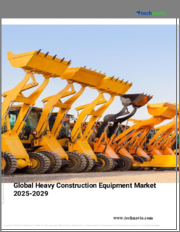
|
시장보고서
상품코드
1534398
건설중장비 시장 : 시장 규모, 점유율, 동향 분석, 기회, 예측 보고서(2019-2030년)Heavy Construction Equipment Market - Global Size, Share, Trend Analysis, Opportunity and Forecast Report, 2019-2030, Segmented By Equipment Type; By End User; By Application; By Region, |
||||||
 Blueweave Consulting
건설중장비의 세계 시장 규모는 2030년까지 2,581억 8,000만 달러에 달하고, CAGR 4.86%로 꾸준히 확대할 것으로 예상됩니다.
세계의 건설중장비 시장은 각 지역의 다수의 인프라 개발 프로젝트에 대한 정부 투자 증가, 강력한 도시화 동향, 기술 진보의 급속한 도입, 효율적이고 지속 가능한 건설 솔루션에 대한 수요 증가로 인해, 활황을 나타내고 있습니다.
주요 전략 컨설팅 및 시장 조사 회사인 BlueWeave Consulting은 최근 설문 조사에서 2023년 세계 중건설 기계 시장 규모를 금액 기준으로 1,983억 1,000만 달러로 추정했습니다. 2024년부터 2030년까지의 예측기간에서 BlueWeave는 세계 건설중장비 시장 규모가 CAGR 4.86%로 확대되고 2023년에는 2,581억 8,000만 달러에 달할 것으로 예측했습니다. 세계의 건설중장비 시장은 신흥경제국가의 급속한 도시화, 인프라 정비, 산업화가 견인하고 있습니다. 도로, 고속도로, 교량 등의 공공 인프라 프로젝트에 대한 투자 증가가 수요를 부추기고 있습니다. 자동화나 텔레매틱스 등의 기술 진보는 기기의 효율과 매력을 높입니다. 또한 신재생에너지·프로젝트에 대한 주목 증가와 채굴 활동의 확대가 시장 성장에 기여하고 있습니다. 배출 가스 및 연료 소비에 대한 엄격한 규제는 환경 친화적인 장비에 대한 기술 혁신을 촉진합니다. 경제 성장과 주택·상업부문에서의 건설활동의 활성화도 시장의 추진에 중요한 역할을 하고 있습니다.
기회 - 임대 시장 출현
세계 건설중장비 시장은 중장비 렌탈과 임대 동향 증가로 큰 흥분을 보이고 있습니다. 이러한 변화는 비용 효율적인 솔루션에 대한 요구 증가, 프로젝트 관리 유연성, 설비 유지 보수 아웃소싱 지향 증가 등 다양한 요인에 의해 야기됩니다. 임대 및 임대를 이용하면 건설 회사는 소유 비용 부담없이 고급 기계를 사용할 수 있다는 이점을 얻을 수 있으며 시장 확대가 촉진됩니다. 또한 프로젝트 요건에 따라 사업 규모를 확대할 수 있어 건설 부문의 효율성과 수익성 향상에 기여합니다.
지정 학적 긴장 증가가 세계 건설중장비 시장에 미치는 영향
지정학적 긴장의 격화는 세계의 건설중장비 시장에 큰 영향을 미칩니다. 예를 들어, 러시아와 우크라이나의 분쟁은 공급망을 혼란스럽게 하고, 원재료 비용을 상승시키고, 장비 가격의 상승으로 이어집니다. 미국과 중국의 무역 마찰은 건설 기계에 관세를 가져와 시장 역학에 영향을 미치고 있습니다. 또한 중동의 불안정한 상황은 정치적 불안과 안보 우려로 인프라 프로젝트를 방해하고 있습니다. 2023년에는 세계 중 건설기계 시장 규모가 1,980억 달러 이상이 되어, 운용 비용 증가나 프로젝트의 지연 등의 과제에 직면했습니다. 기업은 현재 위험을 완화하기 위해 공급망 다양화 및 대체 시장 개발에 주력하고 있습니다. 이러한 과제에도 불구하고 건설기계 수요는 세계의 도시화와 인프라 정비의 진전에 견인되어 계속 견조합니다.
세계 건설중장비 시장
부문별 커버리지
건설중장비 세계 시장 - 장비 유형별
건설중장비 세계 시장은 장비 유형별로 토목 기계, 재료 취급 장비 및 중 건설 차량으로 분류됩니다. 토목 기계 부문은 세계의 중공업 기계 시장에서 가장 큰 기계 유형입니다. 이 부문은 굴착, 정지, 정지 등의 건설 활동에 폭넓게 응용되어 세계 시장을 독점하고 있습니다. 토목 건설 기계에는 굴착기, 로더, 불도저, 모터 그레이더 등의 기계가 포함됩니다. 그 큰 시장 점유율은 신흥 경제 국가를 중심으로 세계 건설 및 인프라 정비 프로젝트가 증가하고 있다는 배경에 있습니다. 또한 이러한 기계의 기술 발전과 자동화 통합은 효율성과 생산성을 높이고 시장에서의 리더십을 더욱 강화하고 있습니다.
건설중장비 세계 시장 - 최종 사용자별
최종 사용자별로 세계의 중공업 기계 시장은 인프라, 건설, 광업, 석유 및 가스 및 제조의 각 부문으로 나뉩니다. 인프라 부문은 세계의 중공업 기계 시장에서 가장 큰 최종 사용자입니다. 이 부문에는 고속도로, 다리, 터널 및 기타 중요한 유틸리티 건설이 포함됩니다. 인프라 부문의 우위성은 교통 시스템, 도시 개발, 스마트 시티 구상에 대한 투자가 세계적으로 증가하고 있기 때문입니다. 특히 신흥국에서 대규모 인프라 프로젝트를 추진하는 정부 정책이 이 분야의 성장을 더욱 뒷받침하고 있습니다. 게다가 선진지역에 있어서의 기존 인프라의 개수·보수 요구의 고조도 시장 점유율에 크게 기여하고 있어 건설중장비 업계의 주요 부문이 되고 있습니다.
경쟁 구도
세계 건설중장비 시장은 경쟁이 치열합니다. 이 시장의 주요 기업으로는 Caterpillar Inc., CNH Industrial NV, Deere & Company, Doosan Infracore Co Ltd, Hitachi Construction Machinery Co Ltd, JC Bamford Excavators Ltd, Komatsu Ltd, Liebherr International AG, Volvo Group, XCMG Group 등이 있습니다. 이들 기업은 R&D 활동 투자 확대, 합병·인수, 합작 투자, 제휴, 라이선스 계약, 신제품·신서비스 출시 등 다양한 전략을 활용하여 세계 건설중장비 시장의 지위 을 더욱 강화하고 있습니다.
이 보고서의 상세한 분석을 통해 세계 중공업 기계 시장의 성장 가능성, 미래 동향 및 통계에 대한 정보를 제공합니다. 또한 총 시장 규모 예측을 촉진하는 요인도 다루고 있습니다. 이 보고서는 세계의 중건설 기계 시장의 최신 기술 동향과 의사 결정자가 건전한 전략적 의사 결정을 수행하는 업계 인사이트력을 제공할 것을 약속합니다. 또한 시장의 성장 촉진요인·과제·경쟁역학에 대해서도 분석했습니다.
목차
제1장 조사 프레임워크
제2장 주요 요약
제3장 세계의 건설중장비 시장 인사이트
- 업계 밸류체인 분석
- DROC 분석
- 성장 촉진요인
- 건설 및 인프라 분야에 대한 투자 증가
- 급속한 도시화와 산업화에 의해 주택과 인프라 수요가 높아지고 있다
- 신흥국의 중기 수요 증가
- 건설기계의 기술적 진보와 업그레이드
- 억제요인
- 건설활동에 대한 정부의 엄격한 규제
- 중공업 건설 활동의 사회 경제적 영향
- 중장비의 고비용
- 숙련노동력 부족과 유지보수/수리 관련 문제
- 기회
- 중장비 렌탈 또는 임대
- 서비스와 접속 기술의 디지털화
- 자율형으로 지속 가능한 중기 수요
- 광업 및 석유 및 가스 산업의 성장
- 과제
- 전기 및 하이브리드 장비와 같은 대체 최적화 솔루션 개발
- 전기 기기의 배터리와 열 관리 문제
- 전기기기의 다운타임 증가와 투자 회수의 지연
- 시장의 기존 기업과의 격렬한 경쟁
- 성장 촉진요인
- 기술 진보/최근 동향
- 규제 프레임워크
- Porter's Five Forces 분석
제4장 세계의 중건설 기계 시장 : 마케팅 전략
제5장 세계의 건설중장비 시장 : 가격 분석
제6장 세계의 건설중장비 시장 : 지역 분석
- 세계의 건설중장비 시장, 지역 분석, 2023년
- 세계의 건설중장비 시장, 시장의 매력 분석, 2024-2030년
제7장 세계의 중건설 기계 시장 개요
- 시장 규모와 예측, 2019-2030년
- 금액별
- 시장 점유율과 예측
- 기기 유형별
- 토목기계
- 자재관리 기기
- 대형 건설 차량
- 기타
- 최종 사용자별
- 인프라
- 건설
- 광업
- 석유 및 가스
- 제조업
- 기타
- 용도별
- 굴착과 해체
- 중장비
- 터널 공사
- 자재관리
- 재활용 및 폐기물 관리
- 지역별
- 북미
- 유럽
- 아시아태평양(APAC)
- 라틴아메리카(LATAM)
- 중동 및 아프리카(중동 및 아프리카)
- 기기 유형별
제8장 북미의 건설중장비 시장
- 시장 규모와 예측, 2019-2030년
- 금액별
- 시장 점유율과 예측
- 기기 유형별
- 최종 사용자별
- 용도별
- 국가별
- 미국
- 캐나다
제9장 유럽의 건설중장비 시장
- 시장 규모와 예측, 2019-2030년
- 금액별
- 시장 점유율과 예측
- 기기 유형별
- 최종 사용자별
- 용도별
- 국가별
- 독일
- 영국
- 이탈리아
- 프랑스
- 스페인
- 벨기에
- 러시아
- 네덜란드
- 기타 유럽
제10장 아시아태평양의 건설중장비 시장
- 시장 규모와 예측, 2019-2030년
- 금액별
- 시장 점유율과 예측
- 기기 유형별
- 최종 사용자별
- 용도별
- 국가별
- 중국
- 인도
- 일본
- 한국
- 호주 및 뉴질랜드
- 인도네시아
- 말레이시아
- 싱가포르
- 베트남
- 아시아태평양의 기타 국가
제11장 라틴아메리카의 건설중장비 시장
- 시장 규모와 예측, 2019-2030년
- 금액별
- 시장 점유율과 예측
- 기기 유형별
- 최종 사용자별
- 용도별
- 국가별
- 브라질
- 멕시코
- 아르헨티나
- 페루
- 기타 라틴아메리카
제12장 중동 및 아프리카의 건설중장비 시장
- 시장 규모와 예측, 2019-2030년
- 금액별
- 시장 점유율과 예측
- 기기 유형별
- 최종 사용자별
- 용도별
- 국가별
- 사우디아라비아
- 아랍에미리트(UAE)
- 카타르
- 쿠웨이트
- 남아프리카
- 나이지리아
- 알제리
- 중동 및 아프리카의 나머지
제13장 경쟁 구도
- 주요 기업과 그 제공 내용의 리스트
- 2023년 세계중 건설기계 시장 점유율 분석
- 경영 파라미터에 의한 경쟁 벤치마킹
- 주요 전략적 전개(합병, 인수, 제휴 등)
제14장 지정학적 긴장의 고조가 세계의 건설중장비 시장에 미치는 영향
제15장 기업 프로파일(기업 개요, 재무 매트릭스, 경쟁 구도, 주요 인물, 주요 경쟁, 연락처, 전략 전망, SWOT 분석)
- Caterpillar Inc.
- CNH Industrial NV
- Deere &Company
- Doosan Infracore Co Ltd
- Hitachi Construction Machinery Co. Ltd
- JC Bamford Excavators Ltd
- Komatsu Ltd
- Liebherr International AG
- Volvo Group
- XCMG 그룹
- 기타 주요 기업
제16장 주요 전략적 제안
제17장 조사 방법
JHS 24.09.04Global Heavy Construction Equipment Market Size Has Strong Foothold to Expand at Steady CAGR of 4.86% to Touch USD 258.18 Billion by 2030
Global Heavy Construction Equipment Market is flourishing due to governments' increasing investments in a large number of infrastructure development projects across the regions, strong urbanization trends, rapid adoption of technological advancements, and a spurring demand for efficient and sustainable construction solutions.
BlueWeave Consulting, a leading strategic consulting and Market research firm, in its recent study, estimated the Global Heavy Construction Equipment Market size by value at USD 198.31 billion in 2023. During the forecast period between 2024 and 2030, BlueWeave expects the Global Heavy Construction Equipment Market size to expand at a CAGR of 4.86% reaching a value of USD 258.18 billion in 2023. The Global Heavy Construction Equipment Market is driven by rapid urbanization, infrastructure development, and industrialization in emerging economies. Increasing investments in public infrastructure projects such as roads, highways, and bridges fuel demand. Technological advancements, such as automation and telematics, enhance equipment efficiency and appeal. Additionally, a growing focus on renewable energy projects and the expansion of mining activities contribute to market growth. Stringent regulations on emissions and fuel consumption drive innovation towards eco-friendly equipment. Economic growth and rising construction activities in residential and commercial sectors also play a significant role in propelling the market.
Opportunity - Emergence of rental market
Global Heavy Construction Equipment Market is experiencing a significant boost due to the rising trend of renting or leasing heavy machinery. The shift is driven by various factors, including the increasing need for cost-effective solutions, flexibility in project management, and the growing preference for outsourcing equipment maintenance. Renting or leasing offers construction companies the advantage of accessing advanced machinery without the burden of ownership costs, thereby fostering market expansion. Additionally, it enables businesses to scale operations according to project requirements, contributing to enhanced efficiency and profitability in the construction sector.
Impact of Escalating Geopolitical Tensions on Global Heavy Construction Equipment Market
Escalating geopolitical tensions significantly impact the Global Heavy Construction Equipment Market. For instance, the Russia-Ukraine conflict has disrupted supply chains and increased raw material costs, leading to higher equipment prices. Trade tensions between the United States and China have resulted in tariffs on construction machinery, affecting market dynamics. Additionally, instability in the Middle East has hampered infrastructure projects due to political uncertainty and security concerns. In 2023, the Global Heavy Construction Equipment Market size, valued more than USD 198 billion, faced challenges such as increased operational costs and delayed projects. Companies are now focusing on diversifying supply chains and exploring alternative markets to mitigate risks. Despite these challenges, the demand for construction equipment remains robust, driven by ongoing urbanization and infrastructure development globally.
Global Heavy Construction Equipment Market
Segmental Coverage
Global Heavy Construction Equipment Market - By Equipment Type
Based on equipment type, Global Heavy Construction Equipment Market is divided into Earthmoving Equipment, Material Handling Equipment, and Heavy Construction Vehicles segments. The earthmoving equipment segment is the largest equipment type in the Global Heavy Construction Equipment Market. The segment dominates the global market due to its extensive application in construction activities, including excavation, grading, and land clearing. Earthmoving equipment includes machinery like excavators, loaders, bulldozers, and motor graders. Its significant market share is driven by increasing construction and infrastructure development projects worldwide, particularly in emerging economies. Additionally, technological advancements and the integration of automation in these machines enhance efficiency and productivity, further bolstering their market leadership.
Global Heavy Construction Equipment Market - By End User
By end user, Global Heavy Construction Equipment Market is divided into Infrastructure, Construction, Mining, Oil & Gas, and Manufacturing segments. The infrastructure segment is the largest end user in the Global Heavy Construction Equipment Market. The segment encompasses the construction of highways, bridges, tunnels, and other critical public works. The infrastructure segment's dominance is driven by increasing investments in transportation systems, urban development, and smart city initiatives worldwide. Government policies promoting large-scale infrastructure projects, particularly in emerging economies, further fuel the segment's growth. Additionally, the rising need for renovation and maintenance of existing infrastructure in developed regions contributes significantly to its market share, making it the leading segment in the heavy construction equipment industry.
Competitive Landscape
Global Heavy Construction Equipment Market is fiercely competitive. Major companies in the Market include Caterpillar Inc., CNH Industrial N.V., Deere & Company, Doosan Infracore Co Ltd, Hitachi Construction Machinery Co Ltd, J C Bamford Excavators Ltd, Komatsu Ltd, Liebherr International AG, Volvo Group, and XCMG Group. These companies use various strategies, including increasing investments in their R&D activities, mergers, and acquisitions, joint ventures, collaborations, licensing agreements, and new product and service releases to further strengthen their position in the Global Heavy Construction Equipment Market.
The in-depth analysis of the report provides information about growth potential, upcoming trends, and statistics of the Global Heavy Construction Equipment Market. It also highlights the factors driving forecasts of total market size. The report promises to provide recent technology trends in Global Heavy Construction Equipment Market and industry insights to help decision-makers make sound strategic decisions. Further, the report also analyzes the growth drivers, challenges, and competitive dynamics of the market.
Table of Contents
1. Research Framework
- 1.1. Research Objective
- 1.2. Product Overview
- 1.3. Market Segmentation
2. Executive Summary
3. Global Heavy Construction Equipment Market Insights
- 3.1. Industry Value Chain Analysis
- 3.2. DROC Analysis
- 3.2.1. Growth Drivers
- 3.2.1.1. Increasing investments in construction and infrastructure sectors
- 3.2.1.2. Rapid urbanization and industrialization driving demand for housing and infrastructure
- 3.2.1.3. Rising demand for heavy construction equipment in emerging countries
- 3.2.1.4. Technological advancements and upgrades in construction equipment
- 3.2.2. Restraints
- 3.2.2.1. Stringent government regulations on construction activities
- 3.2.2.2. Socio-economic effects of heavy construction activities
- 3.2.2.3. High cost of heavy construction equipment
- 3.2.2.4. Lack of skilled labor force and maintenance/repair-related issues
- 3.2.3. Opportunities
- 3.2.3.1. Renting or leasing heavy construction equipment
- 3.2.3.2. Digitization of services and connected technologies
- 3.2.3.3. Demand for autonomous and sustainable heavy construction equipment
- 3.2.3.4. Growth in the mining and oil & gas industries
- 3.2.4. Challenges
- 3.2.4.1. Development of alternative optimized solutions like electric and hybrid equipment
- 3.2.4.2. Battery and thermal management issues in electric equipment
- 3.2.4.3. Increased downtime and delayed return on investment for electric equipment
- 3.2.4.4. Intense competition from established players in the market
- 3.2.1. Growth Drivers
- 3.3. Technological Advancements/Recent Developments
- 3.4. Regulatory Framework
- 3.5. Porter's Five Forces Analysis
- 3.5.1. Bargaining Power of Suppliers
- 3.5.2. Bargaining Power of Buyers
- 3.5.3. Threat of New Entrants
- 3.5.4. Threat of Substitutes
- 3.5.5. Intensity of Rivalry
4. Global Heavy Construction Equipment Market: Marketing Strategies
5. Global Heavy Construction Equipment Market: Pricing Analysis
6. Global Heavy Construction Equipment Market: Geographical Analysis
- 6.1. Global Heavy Construction Equipment Market, Geographical Analysis, 2023
- 6.2. Global Heavy Construction Equipment Market, Market Attractiveness Analysis, 2024-2030
7. Global Heavy Construction Equipment Market Overview
- 7.1. Market Size & Forecast, 2019-2030
- 7.1.1. By Value (USD Billion)
- 7.2. Market Share and Forecast
- 7.2.1. By Equipment Type
- 7.2.1.1. Earthmoving Equipment
- 7.2.1.2. Material Handling Equipment
- 7.2.1.3. Heavy Construction Vehicles
- 7.2.1.4. Others
- 7.2.2. By End User
- 7.2.2.1. Infrastructure
- 7.2.2.2. Construction
- 7.2.2.3. Mining
- 7.2.2.4. Oil & Gas
- 7.2.2.5. Manufacturing
- 7.2.2.6. Others
- 7.2.3. By Application
- 7.2.3.1. Excavation & Demolition
- 7.2.3.2. Heavy Lifting
- 7.2.3.3. Tunneling
- 7.2.3.4. Material Handling
- 7.2.3.5. Recycling & Waste Management
- 7.2.4. By Region
- 7.2.4.1. North America
- 7.2.4.2. Europe
- 7.2.4.3. Asia Pacific (APAC)
- 7.2.4.4. Latin America (LATAM)
- 7.2.4.5. Middle East and Africa (MEA)
- 7.2.1. By Equipment Type
8. North America Heavy Construction Equipment Market
- 8.1. Market Size & Forecast, 2019-2030
- 8.1.1. By Value (USD Billion)
- 8.2. Market Share & Forecast
- 8.2.1. By Equipment Type
- 8.2.2. By End User
- 8.2.3. By Application
- 8.2.4. By Country
- 8.2.4.1. United States
- 8.2.4.1.1. By Equipment Type
- 8.2.4.1.2. By End User
- 8.2.4.1.3. By Application
- 8.2.4.2. Canada
- 8.2.4.2.1. By Equipment Type
- 8.2.4.2.2. By End User
- 8.2.4.2.3. By Application
9. Europe Heavy Construction Equipment Market
- 9.1. Market Size & Forecast, 2019-2030
- 9.1.1. By Value (USD Billion)
- 9.2. Market Share & Forecast
- 9.2.1. By Equipment Type
- 9.2.2. By End User
- 9.2.3. By Application
- 9.2.4. By Country
- 9.2.4.1. Germany
- 9.2.4.1.1. By Equipment Type
- 9.2.4.1.2. By End User
- 9.2.4.1.3. By Application
- 9.2.4.2. United Kingdom
- 9.2.4.2.1. By Equipment Type
- 9.2.4.2.2. By End User
- 9.2.4.2.3. By Application
- 9.2.4.3. Italy
- 9.2.4.3.1. By Equipment Type
- 9.2.4.3.2. By End User
- 9.2.4.3.3. By Application
- 9.2.4.4. France
- 9.2.4.4.1. By Equipment Type
- 9.2.4.4.2. By End User
- 9.2.4.4.3. By Application
- 9.2.4.5. Spain
- 9.2.4.5.1. By Equipment Type
- 9.2.4.5.2. By End User
- 9.2.4.5.3. By Application
- 9.2.4.6. Belgium
- 9.2.4.6.1. By Equipment Type
- 9.2.4.6.2. By End User
- 9.2.4.6.3. By Application
- 9.2.4.7. Russia
- 9.2.4.7.1. By Equipment Type
- 9.2.4.7.2. By End User
- 9.2.4.7.3. By Application
- 9.2.4.8. The Netherlands
- 9.2.4.8.1. By Equipment Type
- 9.2.4.8.2. By End User
- 9.2.4.8.3. By Application
- 9.2.4.9. Rest of Europe
- 9.2.4.9.1. By Equipment Type
- 9.2.4.9.2. By End User
- 9.2.4.9.3. By Application
10. Asia Pacific Heavy Construction Equipment Market
- 10.1. Market Size & Forecast, 2019-2030
- 10.1.1. By Value (USD Billion)
- 10.2. Market Share & Forecast
- 10.2.1. By Equipment Type
- 10.2.2. By End User
- 10.2.3. By Application
- 10.2.4. By Country
- 10.2.4.1. China
- 10.2.4.1.1. By Equipment Type
- 10.2.4.1.2. By End User
- 10.2.4.1.3. By Application
- 10.2.4.2. India
- 10.2.4.2.1. By Equipment Type
- 10.2.4.2.2. By End User
- 10.2.4.2.3. By Application
- 10.2.4.3. Japan
- 10.2.4.3.1. By Equipment Type
- 10.2.4.3.2. By End User
- 10.2.4.3.3. By Application
- 10.2.4.4. South Korea
- 10.2.4.4.1. By Equipment Type
- 10.2.4.4.2. By End User
- 10.2.4.4.3. By Application
- 10.2.4.5. Australia & New Zealand
- 10.2.4.5.1. By Equipment Type
- 10.2.4.5.2. By End User
- 10.2.4.5.3. By Application
- 10.2.4.6. Indonesia
- 10.2.4.6.1. By Equipment Type
- 10.2.4.6.2. By End User
- 10.2.4.6.3. By Application
- 10.2.4.7. Malaysia
- 10.2.4.7.1. By Equipment Type
- 10.2.4.7.2. By End User
- 10.2.4.7.3. By Application
- 10.2.4.8. Singapore
- 10.2.4.8.1. By Equipment Type
- 10.2.4.8.2. By End User
- 10.2.4.8.3. By Application
- 10.2.4.9. Vietnam
- 10.2.4.9.1. By Equipment Type
- 10.2.4.9.2. By End User
- 10.2.4.9.3. By Application
- 10.2.4.10. Rest of APAC
- 10.2.4.10.1. By Equipment Type
- 10.2.4.10.2. By End User
- 10.2.4.10.3. By Application
11. Latin America Heavy Construction Equipment Market
- 11.1. Market Size & Forecast, 2019-2030
- 11.1.1. By Value (USD Billion)
- 11.2. Market Share & Forecast
- 11.2.1. By Equipment Type
- 11.2.2. By End User
- 11.2.3. By Application
- 11.2.4. By Country
- 11.2.4.1. Brazil
- 11.2.4.1.1. By Equipment Type
- 11.2.4.1.2. By End User
- 11.2.4.1.3. By Application
- 11.2.4.2. Mexico
- 11.2.4.2.1. By Equipment Type
- 11.2.4.2.2. By End User
- 11.2.4.2.3. By Application
- 11.2.4.3. Argentina
- 11.2.4.3.1. By Equipment Type
- 11.2.4.3.2. By End User
- 11.2.4.3.3. By Application
- 11.2.4.4. Peru
- 11.2.4.4.1. By Equipment Type
- 11.2.4.4.2. By End User
- 11.2.4.4.3. By Application
- 11.2.4.5. Rest of LATAM
- 11.2.4.5.1. By Equipment Type
- 11.2.4.5.2. By End User
- 11.2.4.5.3. By Application
12. Middle East & Africa Heavy Construction Equipment Market
- 12.1. Market Size & Forecast, 2019-2030
- 12.1.1. By Value (USD Billion)
- 12.2. Market Share & Forecast
- 12.2.1. By Equipment Type
- 12.2.2. By End User
- 12.2.3. By Application
- 12.2.4. By Country
- 12.2.4.1. Saudi Arabia
- 12.2.4.1.1. By Equipment Type
- 12.2.4.1.2. By End User
- 12.2.4.1.3. By Application
- 12.2.4.2. UAE
- 12.2.4.2.1. By Equipment Type
- 12.2.4.2.2. By End User
- 12.2.4.2.3. By Application
- 12.2.4.3. Qatar
- 12.2.4.3.1. By Equipment Type
- 12.2.4.3.2. By End User
- 12.2.4.3.3. By Application
- 12.2.4.4. Kuwait
- 12.2.4.4.1. By Equipment Type
- 12.2.4.4.2. By End User
- 12.2.4.4.3. By Application
- 12.2.4.5. South Africa
- 12.2.4.5.1. By Equipment Type
- 12.2.4.5.2. By End User
- 12.2.4.5.3. By Application
- 12.2.4.6. Nigeria
- 12.2.4.6.1. By Equipment Type
- 12.2.4.6.2. By End User
- 12.2.4.6.3. By Application
- 12.2.4.7. Algeria
- 12.2.4.7.1. By Equipment Type
- 12.2.4.7.2. By End User
- 12.2.4.7.3. By Application
- 12.2.4.8. Rest of MEA
- 12.2.4.8.1. By Equipment Type
- 12.2.4.8.2. By End User
- 12.2.4.8.3. By Application
13. Competitive Landscape
- 13.1. List of Key Players and Their Offerings
- 13.2. Global Heavy Construction Equipment Market Share Analysis, 2023
- 13.3. Competitive Benchmarking, By Operating Parameters
- 13.4. Key Strategic Developments (Mergers, Acquisitions, Partnerships, etc.)
14. Impact of Escalating Geopolitical Tensions on Global Heavy Construction Equipment Market
15. Company Profiles (Company Overview, Financial Matrix, Competitive Landscape, Key Personnel, Key Competitors, Contact Address, Strategic Outlook, and SWOT Analysis)
- 15.1. Caterpillar Inc.
- 15.2. CNH Industrial N.V.
- 15.3. Deere & Company
- 15.4. Doosan Infracore Co Ltd
- 15.5. Hitachi Construction Machinery Co. Ltd
- 15.6. J C Bamford Excavators Ltd
- 15.7. Komatsu Ltd
- 15.8. Liebherr International AG
- 15.9. Volvo Group
- 15.10. XCMG Group
- 15.11. Other Prominent Players
16. Key Strategic Recommendations
17. Research Methodology
- 17.1. Qualitative Research
- 17.1.1. Primary & Secondary Research
- 17.2. Quantitative Research
- 17.3. Market Breakdown & Data Triangulation
- 17.3.1. Secondary Research
- 17.3.2. Primary Research
- 17.4. Breakdown of Primary Research Respondents, By Region
- 17.5. Assumptions & Limitations
*Financial information of non-listed companies can be provided as per availability.
**The segmentation and the companies are subject to modifications based on in-depth secondary research for the final deliverable