|
시장보고서
상품코드
1705674
전자 피부 시장 : 제품 유형별, 구성요소별, 재료별, 용도별, 최종사용자별, 지역별Global Electronic Skin Market, By Product Type, By Component, By Material, By Application, By End User, By Geography |
||||||

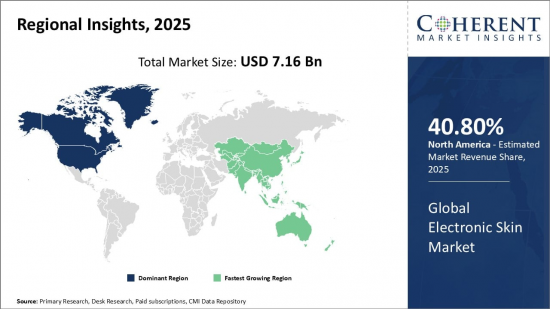
전자 피부 세계 시장은 2025년에 71억 6,000만 달러로 추정되며, 2032년에는 185억 9,000만 달러에 달할 것으로 예상되며, 2025년부터 2032년까지 연평균 성장률(CAGR)은 14.6%에 달할 것으로 예상됩니다.
| 보고서 범위 | 보고서 상세 | ||
|---|---|---|---|
| 기준 연도 | 2024년 | 2025년 시장 규모 | 71억 6,000만 달러 |
| 실적 데이터 | 2020년부터 2024년까지 | 예측 기간 | 2025년부터 2032년까지 |
| 예측 기간 : 2025-2032년 CAGR | 14.60 | 2032년 가치 예측 | 185억 9,000만 달러 |
전자 피부(e-skin 또는 생체전자 피부라고도 함)는 인간의 피부를 모방할 수 있는 유연하고 신축성 있는 박막소자를 말하며, 촉각, 온도, 신축성, 다양한 생체분자 매개변수를 감지할 수 있는 센서가 장착되어 있습니다. 센서를 갖추고 있습니다. 이러한 기능을 가능하게 하는 핵심 구성요소는 기능성 소재, 내장된 마이크로/나노스케일 전자부품, 상호연결 네트워크 요소이며, e-스킨은 헬스케어, 로봇 공학, 가전제품 등 다양한 산업 분야에서 폭넓게 응용되고 있습니다. 이 기술은 아직 개발 단계에 있으며, 기능, 내구성, 폼팩터, 제조성 향상에 초점을 맞춘 연구가 계속되고 있습니다.
시장 역학:
세계 전자 피부 시장의 성장은 웨어러블 기기에 대한 수요 증가, 헬스케어 및 의료 분야의 성장, 로봇 공학 및 의족에 대한 투자 증가에 의해 주도되고 있습니다. 그러나 높은 개발 비용, 첨단 제조 공정의 필요성, 표준화의 부족은 현재 이 기술의 광범위한 상용화에 걸림돌이 되고 있습니다. 주요 비즈니스 기회로는 스마트 섬유 및 의류에 e-skin의 통합, 새로운 에너지 수확 기술을 이용한 자가발전 장치 개발, e-skin을 초박형 및 눈에 띄지 않게 만들기 위한 전자부품의 소형화 등이 있습니다.
또한, 전자 피부와 관련된 연구 개발 활동의 증가는 예측 기간 동안 시장 성장을 촉진할 것으로 예상됩니다.
예를 들어, 2024년 5월, 스탠포드대학 연구그룹에 따르면 전자 피부는 부드럽고 유연하며 촉감을 시뮬레이션할 수 있고 저전압으로 효과적으로 작동할 수 있다고 합니다. 스탠포드대 연구진은 측정된 압력과 온도를 뇌와 연결하기 위해 신경 자극과 유사한 전기 신호로 변환하는 소프트 집적 회로를 개발했습니다. 연구진은 언젠가 이러한 충동을 말초신경에 내장된 무선 통신 칩으로 전송하여 절단자가 의족을 조작할 수 있는 날이 올 것으로 예상하고 있습니다. 이 밖에도 최첨단 이식형 의료기기나 웨어러블 의료기기에 적용될 가능성도 있습니다.
본 조사의 주요 특징
- 세계의 전자 피부 시장을 상세히 분석하여 2024년을 기준 연도로 하여 예측 기간(2025-2032년)의 시장 규모와 연평균 성장률(CAGR)을 조사하여 전해드립니다.
- 또한, 다양한 부문에 걸친 잠재적인 수익 성장 기회를 밝히고, 이 시장의 매력적인 투자 제안 매트릭스를 설명합니다.
- 또한 시장 촉진요인, 억제요인, 기회, 신제품 출시 및 승인, 시장 동향, 지역별 전망, 주요 기업의 경쟁 전략 등에 대한 중요한 인사이트를 제공합니다.
- 이 보고서는 회사 하이라이트, 제품 포트폴리오, 주요 하이라이트, 재무 성과, 전략 등 다음과 같은 매개 변수를 기반으로 세계 전자 피부 시장의 주요 기업을 프로파일링합니다.
- 이번 조사에 참여한 주요 기업으로는 Resonetics(Hudson Medical Innovations), Abbott, Medtronic, MC10, Tapecon, Gentag, General Electric Company, VivaLNK, Epicore Biosystems, iRhythm Technologies, Fuelium, Amorepacific Cosmetics(USA), iRhythm Technologies, VivaLNK, Epicore Biosystems(USA), iRhythm Technologies(iRhythm Technologies(iRhythm Technologies(USA), Fuelium, VivaLNK) 등이 있습니다. VivaLNK, Epicore Biosystems, Amorepacific Cosmetics(USA), iRhythm Technologies, Fuelium 등이 있습니다.
- 이 보고서의 인사이트를 통해 마케팅 담당자와 기업 경영진은 향후 제품 출시, 유형화, 시장 확대, 마케팅 전략에 대한 정보에 입각한 의사결정을 내릴 수 있습니다.
- 세계 전자 피부 시장 보고서는 투자자, 공급업체, 제품 제조업체, 유통업체, 신규 진입자, 재무 분석가 등 이 업계의 다양한 이해관계자를 대상으로 합니다.
- 이해관계자들은 세계 전자 피부 시장 분석에 사용되는 다양한 전략 매트릭스를 통해 의사결정을 용이하게 할 수 있습니다.
목차
제1장 조사 목적과 가정
- 조사 목적
- 가정
- 약어
제2장 시장 전망
- 보고서 설명
- 시장 정의와 범위
- 주요 요약
- Coherent Opportunity Map(COM)
제3장 시장 역학, 규제, 동향 분석
- 시장 역학
- 영향 분석
- 주요 하이라이트
- 규제 시나리오
- 제품 발매/승인
- PEST 분석
- PORTER의 분석
- 인수합병 시나리오
제4장 세계의 전자 피부 시장 - 코로나바이러스(COVID-19) 팬데믹의 영향
- COVID-19 역학
- 공급측과 수요측 분석
- 경제에 대한 영향
제5장 세계의 전자 피부 시장, 제품 유형별, 2020-2032년
- 전자 스킨 슈트
- 전자 패치
제6장 세계의 전자 피부 시장, 구성요소별, 2020-2032년
- 신축성 회로
- 신축성 도체
- 전기활성 고분자
- 태양광발전
제7장 세계의 전자 피부 시장, 재료별, 2020-2032년
- 나노와이어
- 그래핀
- 하이드로겔
- 엘라스토머
- 기타
제8장 세계의 전자 피부 시장, 용도별, 2020-2032년
- 의약품 및 화장품 전달
- 창상관리 치유
- 온도 센서
- 활동과 위치 감지
- 심박 리듬 모니터링
- 당뇨병 관리
- 가상현실 테라피
- 기타
제9장 세계의 전자 피부 시장, 최종사용자별, 2020-2032년
- 병원
- 클리닉
- 재택 케어 설정
- 기타
제10장 세계의 전자 피부 시장, 지역별, 2020-2032년
- 북미
- 유럽
- 아시아태평양
- 라틴아메리카
- 중동
- 아프리카
제11장 경쟁 구도
- Resonetics(Hudson Medical Innovations)
- Abbott
- Medtronic
- MC10
- Tapecon, Inc.
- GENTAG, Inc.
- General Electric Company
- VivaLNK, Inc.
- Epicore Biosystems
- Amorepacific Cosmetics(USA), Inc.
- iRhythm Technologies, Inc.
- Fuelium
제12장 섹션
- 조사 방법
- 출판사 소개
Global Electronic Skin Market is estimated to be valued at USD 7.16 Bn in 2025 and is expected to reach USD 18.59 Bn by 2032, growing at a compound annual growth rate (CAGR) of 14.6% from 2025 to 2032.
| Report Coverage | Report Details | ||
|---|---|---|---|
| Base Year: | 2024 | Market Size in 2025: | USD 7.16 Bn |
| Historical Data for: | 2020 To 2024 | Forecast Period: | 2025 To 2032 |
| Forecast Period 2025 to 2032 CAGR: | 14.60% | 2032 Value Projection: | USD 18.59 Bn |
Electronic skin, also known as e-skin or bioelectronic skin, is a technology that refers to flexible and stretchable thin-film devices that can conform to and mimic human skin. E-skin devices are equipped with sensors capable of sensing touch, temperature, stretch and various biomolecular parameters. The core components that enable these functionalities are functional materials, embedded micro/nano-scale electronic components, and interconnecting networking elements. E-skin has wide-ranging applications across various industries including healthcare, robotics, consumer electronics, and others. The technology is still in development phase with ongoing research focusing on enhancing its capabilities, durability, form factor and manufacturability.
Market Dynamics:
Global electronic skin market growth is driven by rising demand for wearable devices, growing healthcare and medical sector, and increasing investments in robotics and prosthetics. However, high development costs, requirement of sophisticated manufacturing processes, and lack of standardization are challenging widespread commercialization of the technology currently. Some of the key opportunities include integration of e-skin into smart textiles and clothing, development of self-powered devices using novel energy harvesting technologies, and miniaturization of electronic components for making e-skin ultra-thin and invisible.
Moreover, increasing number of research and development activities related to electronic skin is expected to propel the market growth over forecast period.
For instance, in May 2024, according to Research Group at Stanford University, the electronic skin is soft and flexible, can simulate touch, and runs effectively at low voltage. Stanford University researchers created soft integrated circuits that convert measured pressure or temperature into electrical signals similar to nerve impulses in order to connect with the brain. The researchers believe that someday, such impulses will be sent to implanted wireless communication chips in the peripheral nerve, allowing amputees to operate prosthetic limbs. Other possible applications include cutting-edge implanted or wearable medical devices.
Key Features of the Study:
- This report provides an in-depth analysis of the global electronic skin market, and provides market size (US$ Bn) and compound annual growth rate (CAGR %) for the forecast period (2025-2032), considering 2024 as the base year.
- It elucidates potential revenue growth opportunities across different segments and explains attractive investment proposition matrices for this market.
- This study also provides key insights about market drivers, restraints, opportunities, new product launches or approvals, market trends, regional outlook, and competitive strategies adopted by key players.
- It profiles key players in the global electronic skin market based on the following parameters such as company highlights, products portfolio, key highlights, financial performance, and strategies.
- The key companies covered as a part of this study include Resonetics (Hudson Medical Innovations), Abbott, Medtronic, MC10, Tapecon, Inc., GENTAG, Inc., General Electric Company, VivaLNK, Inc., Epicore Biosystems, Amorepacific Cosmetics (USA), Inc., iRhythm Technologies, Inc. and Fuelium.
- Insights from this report would allow marketers and the management authorities of the companies to make informed decisions regarding their future product launches, type up-gradation, market expansion, and marketing tactics.
- Global electronic skin market report caters to various stakeholders in this industry including investors, suppliers, product manufacturers, distributors, new entrants, and financial analysts.
- Stakeholders would have ease in decision-making through various strategy matrices used in analyzing the global electronic skin market.
Detailed Segmentation:
- By Product Type:
- Electronic skinsuits
- Electronic patches
- By Component:
- Stretchable Circuits
- Stretchable Conductors
- Electro-Active Polymers
- Photovoltaics
- By Material:
- Nanowires
- Graphene
- Hydrogels
- Elastomers
- Others
- By Application:
- Drug and Cosmetic Delivery
- Wound Care Healing
- Temperature Sensing
- Motion and position sensing
- Heart Rhythm Monitoring
- Diabetes Management
- Virtual Reality Therapy
- Others
- By End User:
- Hospitals
- Clinics
- Home Care Settings
- Others
- By Region:
- North America
- Europe
- Asia Pacific
- Latin America
- Middle East
- Africa
- Company Profiles:
- Resonetics (Hudson Medical Innovations)
- Abbott
- Medtronic
- MC10
- Tapecon, Inc.
- GENTAG, Inc.
- General Electric Company
- VivaLNK, Inc.
- Epicore Biosystems
- Amorepacific Cosmetics (USA), Inc.
- iRhythm Technologies, Inc.
- Fuelium
Table of Contents
1. Research Objectives and Assumptions
- Research Objectives
- Assumptions
- Abbreviations
2. Market Purview
- Report Description
- Market Definition and Scope
- Executive Summary
- Global Electronic Skin Market, By Product Type
- Global Electronic Skin Market, By Component
- Global Electronic Skin Market, By Material
- Global Electronic Skin Market, By Application
- Global Electronic Skin Market, By End User
- Global Electronic Skin Market, By Region
- Coherent Opportunity Map (COM)
3. Market Dynamics, Regulations, and Trends Analysis
- Market Dynamics
- Drivers
- Restraints
- Opportunities
- Impact Analysis
- Key Highlights
- Regulatory Scenario
- Product Launches/Approvals
- PEST Analysis
- PORTER's Analysis
- Merger and Acquisition Scenario
4. Global Electronic Skin Market - Impact of Coronavirus (COVID-19) Pandemic
- COVID-19 Epidemiology
- Supply Side and Demand Side Analysis
- Economic Impact
5. Global Electronic Skin Market, By Product Type, 2020-2032, (US$ Bn)
- Introduction
- Market Share Analysis, 2025 and 2032 (%)
- Y-o-Y Growth Analysis, 2021 - 2032
- Segment Trends
- Electronic skinsuits
- Introduction
- Market Size and Forecast, and Y-o-Y Growth, 2020-2032, (US$ Bn)
- Electronic patches
- Introduction
- Market Size and Forecast, and Y-o-Y Growth, 2020-2032, (US$ Bn)
6. Global Electronic Skin Market, By Component, 2020-2032, (US$ Bn)
- Introduction
- Market Share Analysis, 2025 and 2032 (%)
- Y-o-Y Growth Analysis, 2021 - 2032
- Segment Trends
- Stretchable Circuits
- Introduction
- Market Size and Forecast, and Y-o-Y Growth, 2020-2032, (US$ Bn)
- Stretchable Conductors
- Introduction
- Market Size and Forecast, and Y-o-Y Growth, 2020-2032, (US$ Bn)
- Electro-Active Polymers
- Introduction
- Market Size and Forecast, and Y-o-Y Growth, 2020-2032, (US$ Bn)
- Photovoltaics
- Introduction
- Market Size and Forecast, and Y-o-Y Growth, 2020-2032, (US$ Bn)
7. Global Electronic Skin Market, By Material, 2020-2032, (US$ Bn)
- Introduction
- Market Share Analysis, 2025 and 2032 (%)
- Y-o-Y Growth Analysis, 2021 - 2032
- Segment Trends
- Nanowires
- Introduction
- Market Size and Forecast, and Y-o-Y Growth, 2020-2032, (US$ Bn)
- Graphene
- Introduction
- Market Size and Forecast, and Y-o-Y Growth, 2020-2032, (US$ Bn)
- Hydrogels
- Introduction
- Market Size and Forecast, and Y-o-Y Growth, 2020-2032, (US$ Bn)
- Elastomers
- Introduction
- Market Size and Forecast, and Y-o-Y Growth, 2020-2032, (US$ Bn)
- Others
- Introduction
- Market Size and Forecast, and Y-o-Y Growth, 2020-2032, (US$ Bn)
8. Global Electronic Skin Market, By Application, 2020-2032, (US$ Bn)
- Introduction
- Market Share Analysis, 2025 and 2032 (%)
- Y-o-Y Growth Analysis, 2021 - 2032
- Segment Trends
- Drug and Cosmetic Delivery
- Introduction
- Market Size and Forecast, and Y-o-Y Growth, 2020-2032, (US$ Bn)
- Wound Care Healing
- Introduction
- Market Size and Forecast, and Y-o-Y Growth, 2020-2032, (US$ Bn)
- Temperature Sensing
- Introduction
- Market Size and Forecast, and Y-o-Y Growth, 2020-2032, (US$ Bn)
- Motion and position sensing
- Introduction
- Market Size and Forecast, and Y-o-Y Growth, 2020-2032, (US$ Bn)
- Heart Rhythm Monitoring
- Introduction
- Market Size and Forecast, and Y-o-Y Growth, 2020-2032, (US$ Bn)
- Diabetes Management
- Introduction
- Market Size and Forecast, and Y-o-Y Growth, 2020-2032, (US$ Bn)
- Virtual Reality Therapy
- Introduction
- Market Size and Forecast, and Y-o-Y Growth, 2020-2032, (US$ Bn)
- Others
- Introduction
- Market Size and Forecast, and Y-o-Y Growth, 2020-2032, (US$ Bn)
9. Global Electronic Skin Market, By End User, 2020-2032, (US$ Bn)
- Introduction
- Market Share Analysis, 2025 and 2032 (%)
- Y-o-Y Growth Analysis, 2021 - 2032
- Segment Trends
- Hospitals
- Introduction
- Market Size and Forecast, and Y-o-Y Growth, 2020-2032, (US$ Bn)
- Clinics
- Introduction
- Market Size and Forecast, and Y-o-Y Growth, 2020-2032, (US$ Bn)
- Home Care Settings
- Introduction
- Market Size and Forecast, and Y-o-Y Growth, 2020-2032, (US$ Bn)
- Others
- Introduction
- Market Size and Forecast, and Y-o-Y Growth, 2020-2032, (US$ Bn)
10. Global Electronic Skin Market, By Region, 2020-2032, (US$ Bn)
- Introduction
- Market Share Analysis, 2025 and 2032 (%)
- Y-o-Y Growth Analysis, 2021 - 2032
- Segment Trends
- North America
- Introduction
- Market Size and Forecast, and Y-o-Y Growth, By Product Type, 2020-2032, (US$ Bn)
- Market Size and Forecast, and Y-o-Y Growth, By Component, 2020-2032, (US$ Bn)
- Market Size and Forecast, and Y-o-Y Growth, By Material, 2020-2032, (US$ Bn)
- Market Size and Forecast, and Y-o-Y Growth, By Application, 2020-2032, (US$ Bn)
- Market Size and Forecast, and Y-o-Y Growth, By End User, 2020-2032, (US$ Bn)
- Market Size and Forecast, and Y-o-Y Growth, By Country, 2020-2032, (US$ Bn)
- U.S.
- Canada
- Europe
- Introduction
- Market Size and Forecast, and Y-o-Y Growth, By Product Type, 2020-2032, (US$ Bn)
- Market Size and Forecast, and Y-o-Y Growth, By Component, 2020-2032, (US$ Bn)
- Market Size and Forecast, and Y-o-Y Growth, By Material, 2020-2032, (US$ Bn)
- Market Size and Forecast, and Y-o-Y Growth, By Application, 2020-2032, (US$ Bn)
- Market Size and Forecast, and Y-o-Y Growth, By End User, 2020-2032, (US$ Bn)
- Market Size and Forecast, and Y-o-Y Growth, By Country, 2020-2032, (US$ Bn)
- U.K.
- Germany
- Italy
- France
- Spain
- Russia
- Rest of Europe
- Asia Pacific
- Introduction
- Market Size and Forecast, and Y-o-Y Growth, By Product Type, 2020-2032, (US$ Bn)
- Market Size and Forecast, and Y-o-Y Growth, By Component, 2020-2032, (US$ Bn)
- Market Size and Forecast, and Y-o-Y Growth, By Material, 2020-2032, (US$ Bn)
- Market Size and Forecast, and Y-o-Y Growth, By Application, 2020-2032, (US$ Bn)
- Market Size and Forecast, and Y-o-Y Growth, By End User, 2020-2032, (US$ Bn)
- Market Size and Forecast, and Y-o-Y Growth, By Country, 2020-2032, (US$ Bn)
- China
- Japan
- India
- ASEAN
- Australia
- South Korea
- Rest of Asia Pacific
- Latin America
- Introduction
- Market Size and Forecast, and Y-o-Y Growth, By Product Type, 2020-2032, (US$ Bn)
- Market Size and Forecast, and Y-o-Y Growth, By Component, 2020-2032, (US$ Bn)
- Market Size and Forecast, and Y-o-Y Growth, By Material, 2020-2032, (US$ Bn)
- Market Size and Forecast, and Y-o-Y Growth, By Application, 2020-2032, (US$ Bn)
- Market Size and Forecast, and Y-o-Y Growth, By End User, 2020-2032, (US$ Bn)
- Market Size and Forecast, and Y-o-Y Growth, By Country, 2020-2032, (US$ Bn)
- Brazil
- Mexico
- Argentina
- Rest of Latin America
- Middle East
- Introduction
- Market Size and Forecast, and Y-o-Y Growth, By Product Type, 2020-2032, (US$ Bn)
- Market Size and Forecast, and Y-o-Y Growth, By Component, 2020-2032, (US$ Bn)
- Market Size and Forecast, and Y-o-Y Growth, By Material, 2020-2032, (US$ Bn)
- Market Size and Forecast, and Y-o-Y Growth, By Application, 2020-2032, (US$ Bn)
- Market Size and Forecast, and Y-o-Y Growth, By End User, 2020-2032, (US$ Bn)
- Market Size and Forecast, and Y-o-Y Growth, By Country, 2020-2032, (US$ Bn)
- GCC
- Israel
- Rest of Middle East
- Africa
- Introduction
- Market Size and Forecast, and Y-o-Y Growth, By Product Type, 2020-2032, (US$ Bn)
- Market Size and Forecast, and Y-o-Y Growth, By Component, 2020-2032, (US$ Bn)
- Market Size and Forecast, and Y-o-Y Growth, By Material, 2020-2032, (US$ Bn)
- Market Size and Forecast, and Y-o-Y Growth, By Application, 2020-2032, (US$ Bn)
- Market Size and Forecast, and Y-o-Y Growth, By End User, 2020-2032, (US$ Bn)
- Market Size and Forecast, and Y-o-Y Growth, By Country/Region, 2020-2032, (US$ Bn)
- North Africa
- Central Africa
- South Africa
11. Competitive Landscape
- Resonetics (Hudson Medical Innovations)
- Company Highlights
- Product Portfolio
- Key Developments
- Financial Performance
- Strategies
- Abbott
- Medtronic
- MC10
- Tapecon, Inc.
- GENTAG, Inc.
- General Electric Company
- VivaLNK, Inc.
- Epicore Biosystems
- Amorepacific Cosmetics (USA), Inc.
- iRhythm Technologies, Inc.
- Fuelium
12. Section
- Research Methodology
- About us