|
시장보고서
상품코드
1887014
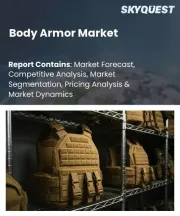
방탄복 시장 규모, 점유율, 성장 및 산업 분석 : 유형별, 용도별, 지역별 인사이트 및 예측(2024-2032년)Body Armor Market Size, Share, Growth and Global Industry Analysis By Type & Application, Regional Insights and Forecast to 2024-2032 |
||||||

방탄복 시장의 성장 요인
전 세계적인 안보 위협이 고조되는 가운데 군대, 법 집행 기관 및 민간인들이 강화된 개인 보호 솔루션을 추구함에 따라 글로벌 방탄복 시장은 강력한 성장세를 지속하고 있습니다. 최근 업계 데이터에 따르면, 2024년 67억 2,000만 달러로 평가되었고, 방위 및 국토 안보 부문에서 방탄 장비에 대한 수요 증가를 반영하고 있습니다. 현대화 프로그램, 기술 발전, 전 세계적 테러 활동 증가에 힘입어 2025년에는 76억 달러 규모에 도달할 것으로 전망됩니다. 2032년까지 9.6%의 견조한 연평균 성장률(CAGR)에 힘입어 시장 규모는 144억 2,000만 달러로 크게 성장할 것으로 전망됩니다.
2024년에는 아시아태평양이 34.52%의 점유율로 시장을 선도했습니다. 이는 중국과 인도 전역에서 진행 중인 신속한 국방 조달, 국경 긴장 고조, 대규모 군 현대화 계획에 기인합니다. 민간인(사설 보안 요원, 생존 준비자, 모험가 등) 사이에서 첨단 보호 장비의 인기가 높아지는 것도 해당 지역 시장 확장에 기여하고 있습니다.
시장 성장 촉진요인
군사 현대화 프로그램
전 세계 방탄복 시장은 다수 국가의 군사 현대화 전략에 힘입어 견고한 성장을 보이고 있습니다. 미국, 중국, 인도 및 유럽의 프로그램은 탄도 무기, 드론, IED(임시 폭발 장치) 등 진화하는 위협에 대응할 수 있는 차세대 보호 시스템으로 군인을 장비하는 데 중점을 두고 있습니다. 미군의 현대화 우선순위(병사 전투력 강화 및 첨단 보호 장비 포함)는 계속해서 조달 물량을 증가시키고 있습니다. 인도 역시 전방 부대에 경량화되고 내구성 있는 방탄 시스템을 공급하기 위해 국산화 노력과 방위 장비 조달 절차를 확대하고 있습니다.
증가하는 안보 위협
증가하는 테러 공격, 폭력 범죄, 지정학적 긴장은 군인과 민간인 모두에게 고성능 방탄복의 필요성을 증폭시켰습니다. 법 집행 기관들은 증가하는 도시 보안 위험에 대응하기 위해 경량 모듈형 방탄복을 도입하고 있습니다. 민간인들, 특히 보안 계약업체와 자기 방어 애호가들은 개인 보호를 위해 확장 가능한 방탄 시스템을 점점 더 많이 구매하고 있습니다.
시장 성장 억제요인
성장에도 불구하고, 이 산업은 높은 제조 비용과 엄격한 규제 준수 요건으로 인해 어려움을 겪고 있습니다. 케블라, 다이니마, 세라믹 복합재와 같은 첨단 탄도 재료는 생산 비용을 크게 증가시킵니다. 지역별 시험 및 인증 기준 차이로 인해 제조업체는 추가 비용과 시간을 소모합니다. 이러한 요인들은 중소기업의 시장 진입 장벽이 되며 신속한 확장성을 제한합니다.
시장 기회
모듈형 방탄복의 보급 확대
민간인과 민간 보안 전문가 사이에서 모듈형 및 맞춤형 방탄 시스템에 대한 수요 증가가 주요 기회입니다. 모듈형 조끼는 사용자가 특정 위협에 따라 보호 수준을 조정할 수 있게 합니다. 온라인 플랫폼을 통한 맞춤형 방탄복의 접근성 향상과 투명한 가격 정책이 민간인 채택을 강화하고 있습니다. 글로벌 국방 예산 확대도 크게 기여하고 있으며, 특히 차세대 군인 보호 시스템에 막대한 자금을 지원하는 미국 2024 회계연도 국방 예산 8,420억 달러가 대표적입니다.
시장 동향
최근 전장 분석, 특히 러시아-우크라이나 분쟁 사례는 방탄복 설계 혁신을 가속화하고 있습니다. 드론 및 포병 사격으로 인한 미세 파편 부상 사례는 다중 타격 저항성이 15% 향상된 하이브리드 세라믹-폴리에틸렌 플레이트 개발로 이어졌습니다. 충격 센서가 내장된 스마트 방탄복은 실시간 손상 모니터링을 위해 주목받고 있습니다. 전단 농축 유체 라이너(STF)는 둔기 외상 피해를 최대 30%까지 감소시켜 도시전 환경에 이상적입니다.
부문 개요
용도별
2024년, 국방 대비 태세 강화 및 병사 보호 요구 증가로 육군 부문이 주도했습니다. 미군의 MSV Gen-II 조끼와 같은 경량 모듈식 시스템은 전 세계적 현대화 노력을 보여줍니다. 전투 및 구조 작전 중 경량 보호 장비가 필요한 조종사와 지상 요원 수요로 공군 부문도 꾸준히 성장 중입니다.
재료별
2024년 방탄 군용 조끼 부문이 가장 큰 점유율을 차지했으며, 케블라, 초고분자량 폴리에틸렌(UHMWPE), 그래핀 강화 복합재 등 고성능 탄도 섬유의 혁신이 이를 주도했습니다. 전신 전술 방탄복 부문은 고위험 임무 중 전신 및 사지 보호에 대한 수요 증가에 힘입어 가장 빠르게 성장하고 있습니다.
지역별 전망
북미
북미는 매우 높은 방어 지출과 고급 군인 보호 프로그램의 도입으로 계속 주요 시장입니다. 대규모 조달 예산과 최첨단 연구개발이 이점을 강화하고 있습니다.
유럽
유럽은 2위 시장으로 NATO의 현대화 전략과 지정학적 긴장 증가로 가볍고 모듈형 보호 솔루션의 도입이 가속화되고 있습니다.
아시아태평양
중국과 인도의 방위 예산 증가, 국경 분쟁의 격화, 국내 제조 능력의 확대에 힘입어 가장 빠르게 성장하고 있는 지역입니다.
기타
성장은 라틴아메리카의 범죄율 상승과 중동 및 아프리카의 지속적인 군사 분쟁에 의해 주도되고 있으며, 이들 지역에서는 보호 장비에 대한 수요가 여전히 높은 수준에 있습니다.
목차
제1장 서론
제2장 주요 요약
제3장 시장 역학
- 시장 성장 촉진요인
- 시장 성장 억제요인
- 시장 기회
- 시장 동향
제4장 주요 인사이트
- 산업의 주요 동향-합병, 인수, 제휴
- 최신 기술 발전
- Porter's Five Forces 분석
- 규제 상황
- 정성적 인사이트-러시아 우크라이나 전쟁이 세계의 방탄복 시장에 미치는 영향
제5장 세계의 방탄복 시장 분석, 인사이트 및 예측(2019-2032년)
- 주요 조사 결과/정의
- 시장 분석, 인사이트 및 예측 : 용도별
- 공군
- 육군
- 해군
- 시장 분석, 인사이트 및 예측 : 재료별
- 소프트 방탄복
- 하드 방탄복
- 은폐식 조끼
- 전신용 전술 방탄복
- 방탄 군용 조끼
- 기타
- 시장 분석, 인사이트 및 예측 : 지역별
- 북미
- 유럽
- 아시아태평양
- 기타
제6장 북미의 방탄복 시장 분석, 인사이트 및 예측(2019-2032년)
- 국가별
- 미국
- 캐나다
제7장 유럽의 방탄복 시장 분석, 인사이트 및 예측(2019-2032년)
- 국가별
- 독일
- 영국
- 프랑스
- 기타 유럽
제8장 아시아태평양의 방탄복 시장 분석, 인사이트 및 예측(2019-2032년)
- 국가별
- 중국
- 일본
- 인도
- 호주
- 기타 아시아태평양
제9장 기타 방탄복 시장 분석, 인사이트 및 예측(2019-2032년)
제10장 경쟁 분석
- 경쟁 대시보드
- 비교 분석-주요 기업
제11장 기업 프로파일
- 3M(미국)
- ArmorSource LLC(미국)
- BAE Systems(영국)
- DuPont(미국)
- Eagle Industries(미국)
- Gentex Corporation(미국)
- Honeywell International Inc.(미국)
- Armor Express(미국)
- Point Blank Enterprises Inc.(미국)
- Revision Military(미국)
Growth Factors of body armor Market
The global body armor market continues to gain strong momentum as military forces, law enforcement agencies, and civilians seek enhanced personal protection solutions amid escalating global security threats. According to recent industry data, the global body armor market size stood at USD 6.72 billion in 2024, reflecting rising demand for ballistic-resistant gear across defense and homeland security sectors. The market is projected to reach USD 7.60 billion in 2025, driven by modernization programs, technological advancements, and rising terrorist activities worldwide. By 2032, the market is expected to grow significantly to USD 14.42 billion, supported by a robust CAGR of 9.6% from 2025-2032.
In 2024, Asia Pacific led the market with a 34.52% share, attributed to rapid defense procurement, rising border tensions, and large-scale soldier modernization initiatives across China and India. The growing appeal of advanced protective gear among civilians-such as private security personnel, preppers, and adventurers-is also contributing to market expansion in the region.
Market Drivers
Military Modernization Programs
The global body armor market is strongly supported by military modernization strategies implemented by many nations. Programs in the U.S., China, India, and Europe place high emphasis on equipping soldiers with next-generation protective systems capable of resisting evolving threats from ballistic weapons, drones, and IEDs. The U.S. Army's modernization priorities, including soldier lethality upgrades and advanced protective gear, continue to raise procurement volumes. India is similarly expanding its indigenization efforts and defense acquisition processes to equip frontline forces with lightweight and durable armor systems.
Rising Security Threats
Increasing terrorist attacks, violent crimes, and geopolitical tensions have amplified the need for high-performance body armor among both military and non-military personnel. Law enforcement agencies are adopting lightweight and modular armor to address rising urban security risks. Civilians-especially security contractors and self-defense enthusiasts-are increasingly purchasing scalable armor systems for personal protection.
Market Restraints
Despite its growth, the industry faces challenges due to high manufacturing costs and strict regulatory compliance requirements. Advanced ballistic materials such as Kevlar, Dyneema, and ceramic composites significantly raise production costs. Testing and certification standards differ across regions, resulting in additional expense and time for manufacturers. These factors pose barriers to entry for smaller companies and limit rapid scalability.
Market Opportunities
Growing Adoption of Modular Body Armor
A major opportunity lies in the rising demand for modular and customizable armor systems among civilians and private security professionals. Modular vests allow users to adjust protection levels based on specific threats. Increasing availability of personalized armor through online platforms, combined with transparent pricing, is strengthening civilian adoption. Global defense budget expansions also contribute substantially-most notably the U.S. FY2024 defense budget of USD 842 billion, which heavily funds next-generation soldier protection systems.
Market Trends
Recent battlefield insights, especially from the Russia-Ukraine conflict, are accelerating innovation in body armor design. Micro-shrapnel injuries from drones and artillery fire have led to the development of hybrid ceramic-polyethylene plates with 15% higher multi-hit resistance. Smart armor embedded with impact sensors is gaining momentum for real-time damage monitoring. Shear-thickening fluid liners (STF) are reducing blunt-force trauma by up to 30%, making them ideal for urban warfare.
Segmentation Overview
By Application
The army segment dominated the global market in 2024 due to rising defense preparedness and soldier protection requirements. Lightweight and modular systems such as the U.S. Army's MSV Gen-II vest highlight global modernization efforts. The air force segment is growing steadily as pilots and ground crews require lightweight protection during combat and rescue operations.
By Material
The bulletproof military vest segment held the largest share in 2024, driven by innovations in high-performance ballistic fibers like Kevlar, UHMWPE, and graphene-enhanced composites. The full-body tactical armor segment is the fastest-growing, supported by rising demand for full-torso and extremity protection during high-risk missions.
Regional Outlook
North America
North America remains a leading market due to its extremely high defense spending and adoption of advanced soldier protection programs. Massive procurement budgets and cutting-edge R&D reinforce its dominant position.
Europe
Europe ranks second, with NATO's modernization strategy and rising geopolitical tensions accelerating adoption of lightweight, modular armor solutions.
Asia Pacific
The fastest-growing region, supported by China's and India's increasing defense budgets, rising border conflicts, and expanding domestic manufacturing capabilities.
Rest of the World
Growth is driven by rising crime rates in Latin America and ongoing military conflicts in the Middle East & Africa, where demand for protective gear remains high.
Conclusion
With the market expected to grow from USD 6.72 billion in 2024 to USD 14.42 billion by 2032, the global body armor industry is headed for strong expansion. Advancements in materials science, modular system design, and battlefield-driven innovations will continue to shape next-generation protective gear for military, law enforcement, and civilian users worldwide.
Segmentation By Application
- Air Force
- Army
- Navy
By Material
- Soft Armor
- Hard Armor
- Concealed Vest
- Full Body Tactical Armor
- Bulletproof Military vest
- Others
By Geography
- North America (By Application, Material, and Country)
- U.S. (By Application)
- Canada (By Application )
- Europe (By Application, Material, and Country)
- Germany (By Application)
- U.K. (By Application )
- France (By Application )
- Rest of Europe (By Application )
- Asia Pacific ( By Application, Material, and Country)
- China (By Application )
- Japan (By Application )
- India (By Application )
- Australia (By Application )
- Rest of Asia Pacific (By Application )
- Rest of the World (By Application, Material, and Sub-region)
- Latin America (By Application)
- Middle East & Africa (By Application)
Table of Content
1. Introduction
- 1.1. Research Scope
- 1.2. Market Segmentation
- 1.3. Research Methodology
- 1.4. Definitions and Assumptions
2. Executive Summary
3. Market Dynamics
- 3.1. Market Drivers
- 3.2. Market Restraints
- 3.3. Market Opportunities
- 3.4. Market Trends
4. Key Insights
- 4.1. Key Industry Developments - Mergers, Acquisitions & Partnerships
- 4.2. Latest Technological Advancements
- 4.3. Porter's Five Forces Analysis
- 4.4. Regulatory Landscape
- 4.5. Qualitative Insights - Impact of Russia-Ukraine War on Global Body Armor Market
5. Global Body Armor Market Analysis, Insights and Forecast, 2019-2032
- 5.1. Key Findings / Definitions
- 5.2. Market Analysis, Insights and Forecast - By Application
- 5.2.1. Air Force
- 5.2.2. Army
- 5.2.3. Navy
- 5.3. Market Analysis, Insights and Forecast - By Material
- 5.3.1. Soft Armor
- 5.3.2. Hard Armor
- 5.3.3. Concealed Vest
- 5.3.4. Full Body Tactical Armor
- 5.3.5. Bulletproof Military vest
- 5.3.6. Others
- 5.4. Market Analysis, Insights and Forecast - By Region
- 5.4.1. North America
- 5.4.2. Europe
- 5.4.3. Asia Pacific
- 5.4.4. Rest of World
6. North America Body Armor Market Analysis, Insights and Forecast, 2019-2032
- 6.1. Market Analysis, Insights and Forecast - By Application
- 6.1.1. Air Force
- 6.1.2. Army
- 6.1.3. Navy
- 6.2. Market Analysis, Insights and Forecast - By Material
- 6.2.1. Soft Armor
- 6.2.2. Hard Armor
- 6.2.3. Concealed Vest
- 6.2.4. Full Body Tactical Armor
- 6.2.5. Bulletproof Military vest
- 6.2.6. Others
- 6.3. Market Analysis, Insights and Forecast - By Country
- 6.3.1. U.S.
- 6.3.1.1. Market Analysis, Insights and Forecast - By Application
- 6.3.2. Canada
- 6.3.2.1. Market Analysis, Insights and Forecast - By Application
- 6.3.1. U.S.
7. Europe Body Armor Market Analysis, Insights and Forecast, 2019-2032
- 7.1. Market Analysis, Insights and Forecast - By Application
- 7.1.1. Air Force
- 7.1.2. Army
- 7.1.3. Navy
- 7.2. Market Analysis, Insights and Forecast - By Material
- 7.2.1. Soft Armor
- 7.2.2. Hard Armor
- 7.2.3. Concealed Vest
- 7.2.4. Full Body Tactical Armor
- 7.2.5. Bulletproof Military vest
- 7.2.6. Others
- 7.3. Market Analysis, Insights and Forecast - By Country
- 7.3.1. Germany
- 7.3.1.1. Market Analysis, Insights and Forecast - By Application
- 7.3.2. U.K.
- 7.3.2.1. Market Analysis, Insights and Forecast - By Application
- 7.3.3. France
- 7.3.3.1. Market Analysis, Insights and Forecast - By Application
- 7.3.4. Rest of Europe
- 7.3.4.1. Market Analysis, Insights and Forecast - By Application
- 7.3.1. Germany
8. Asia Pacific Body Armor Market Analysis, Insights and Forecast, 2019-2032
- 8.1. Market Analysis, Insights and Forecast - By Application
- 8.1.1. Air Force
- 8.1.2. Army
- 8.1.3. Navy
- 8.2. Market Analysis, Insights and Forecast - By Material
- 8.2.1. Soft Armor
- 8.2.2. Hard Armor
- 8.2.3. Concealed Vest
- 8.2.4. Full Body Tactical Armor
- 8.2.5. Bulletproof Military vest
- 8.2.6. Others
- 8.3. Market Analysis, Insights and Forecast - By Country
- 8.3.1. China
- 8.3.1.1. Market Analysis, Insights and Forecast - By Application
- 8.3.2. Japan
- 8.3.2.1. Market Analysis, Insights and Forecast - By Application
- 8.3.3. India
- 8.3.3.1. Market Analysis, Insights and Forecast - By Application
- 8.3.4. Australia
- 8.3.4.1. Market Analysis, Insights and Forecast - By Application
- 8.3.5. Rest of Asia Pacific
- 8.3.5.1. Market Analysis, Insights and Forecast - By Application
- 8.3.1. China
9. Rest of World Body Armor Market Analysis, Insights and Forecast, 2019-2032
- 9.1. Market Analysis, Insights and Forecast - By Application
- 9.1.1. Air Force
- 9.1.2. Army
- 9.1.3. Navy
- 9.2. Market Analysis, Insights and Forecast - By Material
- 9.2.1. Soft Armor
- 9.2.2. Hard Armor
- 9.2.3. Concealed Vest
- 9.2.4. Full Body Tactical Armor
- 9.2.5. Bulletproof Military vest
- 9.2.6. Others
- 9.3. Market Analysis, Insights and Forecast - By Sub-Region
- 9.3.1. Latin America
- 9.3.1.1. Market Analysis, Insights and Forecast - By Application
- 9.3.2. Middle East & Africa
- 9.3.2.1. Market Analysis, Insights and Forecast - By Application
- 9.3.1. Latin America
10. Competitive Analysis
- 10.1. Competitive Dashboard
- 10.2. Comparative Analysis - Major Players
11. Company Profiles
- 11.1. 3M (U.S.)
- 11.1.1. Overview
- 11.1.2. Products & services
- 11.1.3. SWOT Analysis
- 11.1.4. Recent Developments
- 11.1.5. Strategies
- 11.1.6. Financials (Based on Availability)
- 11.2. ArmorSource LLC (U.S.)
- 11.2.1. Overview
- 11.2.2. Products & services
- 11.2.3. SWOT Analysis
- 11.2.4. Recent Developments
- 11.2.5. Strategies
- 11.2.6. Financials (Based on Availability)
- 11.3. BAE Systems (U.K)
- 11.3.1. Overview
- 11.3.2. Products & services
- 11.3.3. SWOT Analysis
- 11.3.4. Recent Developments
- 11.3.5. Strategies
- 11.3.6. Financials (Based on Availability)
- 11.4. DuPont (U.S.)
- 11.4.1. Overview
- 11.4.2. Products & services
- 11.4.3. SWOT Analysis
- 11.4.4. Recent Developments
- 11.4.5. Strategies
- 11.4.6. Financials (Based on Availability)
- 11.5. Eagle Industries (U.S.)
- 11.5.1. Overview
- 11.5.2. Products & services
- 11.5.3. SWOT Analysis
- 11.5.4. Recent Developments
- 11.5.5. Strategies
- 11.5.6. Financials (Based on Availability)
- 11.6. Gentex Corporation (U.S.)
- 11.6.1. Overview
- 11.6.2. Products & services
- 11.6.3. SWOT Analysis
- 11.6.4. Recent Developments
- 11.6.5. Strategies
- 11.6.6. Financials (Based on Availability)
- 11.7. Honeywell International Inc. (U.S.)
- 11.7.1. Overview
- 11.7.2. Products & services
- 11.7.3. SWOT Analysis
- 11.7.4. Recent Developments
- 11.7.5. Strategies
- 11.7.6. Financials (Based on Availability)
- 11.8. Armor Express (U.S.)
- 11.8.1. Overview
- 11.8.2. Products & services
- 11.8.3. SWOT Analysis
- 11.8.4. Recent Developments
- 11.8.5. Strategies
- 11.8.6. Financials (Based on Availability)
- 11.9. Point Blank Enterprises Inc. (U.S.)
- 11.9.1. Overview
- 11.9.2. Products & services
- 11.9.3. SWOT Analysis
- 11.9.4. Recent Developments
- 11.9.5. Strategies
- 11.9.6. Financials (Based on Availability)
- 11.10. Revision Military (U.S.)
- 11.10.1. Overview
- 11.10.2. Products & services
- 11.10.3. SWOT Analysis
- 11.10.4. Recent Developments
- 11.10.5. Strategies
- 11.10.6. Financials (Based on Availability)