|
시장보고서
상품코드
2005831
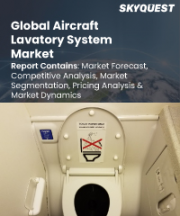
항공기 화장실 시스템 시장 : 규모, 점유율, 성장률, 산업 분석, 유형별, 용도별, 지역별 인사이트, 예측(2026-2034년)Aircraft Lavatory System Market Size, Share, Growth and Global Industry Analysis By Type & Application, Regional Insights and Forecast to 2026-2034 |
||||||

항공기 화장실 시스템 시장 성장 요인
세계의 항공기 화장실 시스템 시장은 항공 여객수 증가와 기내 위생면과 쾌적성의 향상에 대한 수요 증가에 의해 꾸준한 성장을 이루고 있습니다. Fortune Business Insights의 보고서에 따르면 세계 항공기 화장실 시스템 시장 규모는 2025년 6억 7,990만 달러로 평가되었으며, 2026년에는 7억 2,260만 달러, 2034년까지 12억 4,110만 달러에 이르고, 예측기간(2026년-2034년) 동안 CAGR 7.0%로 성장할 것으로 전망되고 있습니다.
항공기 화장실 시스템은 비행 중 폐기물 처리 및 위생 관리를 위해 항공기에 설치되는 전용 위생 시스템을 말합니다. 이 시스템에는 화장실, 세면대, 진공 발생 장치, 폐기물 탱크, 배관 시스템, 전기 장치 등의 필수 구성 요소가 포함되어 있어 효율적인 폐기물 처리 및 위생 관리를 보장합니다. 전통적인 화장실과 달리 항공기 화장실 시스템은 엄격한 기술 요구 사항에 따라 설계되었으며 항공 당국이 정한 안전 규정을 준수해야 합니다.
2025년에는 북미가 33.26%라는 최대 점유율을 차지했습니다. 이것은 대규모 항공기 보유 수와 첨단 화장실 기술의 급속한 도입에 지원되었습니다. 게다가 미국 시장은 2026년까지 1억 7,340만 달러에 이를 것으로 예상되고 있으며, 이 지역의 강한 수요가 부각되고 있습니다.
항공기 화장실 시스템 시장 개요
- 시장 규모(2025년) : 6억 7,990만 달러
- 시장 규모(2026년) : 7억 2,260만 달러
- 예측 시장 규모(2034년) : 12억 4,110만 달러
- CAGR(2026-2034년) : 7.0%
- 주요 지역(2025년) : 북미- 시장 점유율 33.26%
또한 이 시장은 항공업계 공급망 및 항공기 부품 제조에 영향을 미치는 러시아 우크라이나 분쟁을 포함한 지정학적 동향의 영향을 받고 있습니다.
항공기 화장실 시스템 시장 동향
스마트 및 터치리스 세면 기술 채택
항공기 화장실 시스템 시장을 형성하는 가장 중요한 동향 중 하나는 스마트 화장실 기술의 채택입니다. 항공사는 승객의 위생과 쾌적성을 높이기 위해 비접촉식 설비, 센서식 수도꼭지, IoT 대응 감시 시스템을 점점 도입하고 있습니다.
자동 세척 메커니즘과 비누 디스펜서와 같은 비접촉식 시스템은 박테리아 감염의 위험을 줄이고 승객의 안전을 전반적으로 향상시킵니다. 이러한 솔루션은 여행 중 위생에 대한 의식을 크게 향상시킨 COVID-19 세계의 유행을 받아 큰지지를 모았습니다.
또한 IoT 지원 모니터링 시스템은 폐수 탱크 잔량, 물 사용량 및 유지보수 필요에 대한 실시간 정보를 제공하여 항공사가 유지보수 일정을 최적화하고 운항 정지 시간을 단축할 수 있습니다.
예를 들어 콜린스 에어로스페이스는 항공사가 화장실 가동 상황을 추적하고 운영 효율성을 향상시키는 데 도움이 되는 고급 모니터링 솔루션을 개발했습니다.
항공기 화장실 시스템 시장 성장 요인
편안함과 위생에 대한 승객 수요 증가
승객 경험 향상에 대한 수요 증가는 시장 성장의 주요 촉진요인입니다. 세계 항공 여행이 계속 확대되고 있는 가운데 항공사는 기내 쾌적성을 높이기 위해 캐빈 리노베이션에 많은 투자를 하고 있습니다.
유나이티드 항공과 같은 주요 항공사는 비접촉 기술과 위생 기능 향상을 특징으로 하는 고급 화장실 시스템을 도입하여 장비의 현대화를 추진하고 있습니다. 마찬가지로 에어버스와 같은 항공기 제조업체도 최신 기체 모델에 고급 화장실 솔루션을 통합하고 있습니다.
이러한 투자는 엄격한 위생 기준을 유지하면서 승객 만족도를 향상시키기 위해 노력하는 항공 업계의 태도를 보여줍니다.
가볍고 컴팩트한 화장실 시스템 개발
항공기 제조업체는 연료 효율성을 높이고 객실 공간을 최적화하기 위해 더욱 가볍고 컴팩트한 화장실 시스템 개발에 주력하고 있습니다.
최신 화장실 유닛은 항공기의 무게를 줄이고 연료 소비를 줄이는 데 도움이되는 고급 경량 소재를 사용하여 설계되었습니다. 일부 진공 화장실 시스템은 기존 모델에 비해 최대 50% 경량화되어 항공사에 보다 효율적이고 비용 효율적입니다.
시장 성장 억제요인
엄격한 항공 규정
견조한 성장이 예상되는 반면, 항공기 화장실 시스템 시장은 엄격한 규제 요건으로 인해 문제에 직면하고 있습니다. 연방항공국(FAA)과 유럽항공안전기구(EASA)와 같은 항공 당국은 엄격한 안전 및 위생 기준을 시행하고 있습니다.
이러한 규정은 새로운 화장실 기술을 도입하기 위해 광범위한 시험과 인증을 요구합니다. 또한, 계속해서 진화하는 안전기준을 준수하면 제조업체들이 R&D 비용을 증가시킬 수 있습니다.
세분화 분석
항공기 유형별
항공기 유형에 따라 시장 세분화는 다음과 같이 수행됩니다.
- 민간 항공기
- 비즈니스 제트
- 지역 기계
2026년에는 세계 여객 수송량 증가와 항공사 장비 확충을 배경으로 민간 항공기 부문이 시장을 견인하여 39.70%의 점유율을 차지했습니다.
기술별
시장은 다음 카테고리로 분류됩니다.
- 진공 기술
- 재순환 기술
- 기타
진공 기술 부문은 물 사용량을 줄이고 폐기물 관리 효율을 향상시킬 수 있기 때문에 2026년에는 42.57%의 점유율을 차지하며 가장 높은 CAGR을 나타낼 것으로 예측됩니다.
구성 부품별
항공기 화장실 시스템의 주요 구성 요소에는 다음이 포함됩니다.
- 변기 조립체
- 오수 및 용수 탱크 조립체
- 진공발생장치
- 배관 시스템
- 객실
- 전기 시스템
이 중 캐빈 부문은 컴팩트하고 공간 절약적인 화장실 설계의 혁신에 힘입어 2026년에는 44.54%의 점유율로 시장을 선도하고 있습니다.
최종 사용자별
최종 사용자별로 시장은 다음과 같이 분류됩니다.
- OEM
- 애프터마켓
2026년에는 새로운 항공기에 대한 수요 증가와 기체 업데이트의 진전을 배경으로 OEM 부문이 61.58%라는 최대의 점유율을 차지하고 있습니다.
지역별 동향
북미
북미는 2025년에 2억 2,610만 달러 시장 규모를 기록해 세계 항공기 화장실 시스템 시장을 견인했습니다. 이 지역은 광범위한 항공 네트워크와 주요 항공기 제조업체의 위치의 이점을 활용합니다.
아시아태평양
아시아태평양은 중국, 인도, 일본 등 국가에서 항공 부문의 급속한 확대로 인해 가장 높은 성장률을 보일 것으로 예측됩니다. 항공기 납품 대수 증가와 저렴한 항공사(LCC)에 대한 수요 증가가 시장 확대를 견인하고 있습니다.
유럽
유럽은 지속 가능한 항공 이니셔티브 및 에어버스와 같은 제조업체의 강력한 존재감에 힘입어 두 번째로 큰 시장 점유율을 차지했습니다.
세계 기타 지역
중동 및 아프리카를 포함한 지역에서는 항공 인프라에 대한 투자가 증가하고 있기 때문에 완만한 성장이 예상됩니다. 에미레이트 항공과 같은 항공사는 장거리 비행 중 승객의 편안함을 높이기 위해 화장실의 고급 리노베이션에 투자합니다.
업계의 주요 동향
- 2024년 5월: 도이체 에어크래프트는 D328eco 기계용 화장실 어셈블리를 개발하기 위해 사티스 캐빈과 제휴했습니다.
- 2023년 12월 : 국제 워터 가드 인더스트리즈는 에어버스에서 A320, A330 및 A350 기계용 화장실 부품 공급업체로 선정되었습니다.
- 2023년 10월: Adams Rite Aerospace는 기내 위생을 개선하기 위한 비접촉식 항공기용 화장실 제품군을 발표했습니다.
- 2022년 1월: 보잉은 B737기용 차세대 화장실 시스템공급업체로서 콜린스 에어로 스페이스를 선정했습니다.
목차
제1장 서론
제2장 주요 요약
제3장 시장 역학
- 시장 성장 촉진요인
- 시장 성장 억제요인
- 시장 기회
- 시장 동향
제4장 주요 고찰
- 주요 업계 동향 : 주요 계약 및 합의, 합병, 인수, 제휴
- 최신 기술적 진보
- Porter's Five Forces 분석
- 공급망 분석
제5장 세계 항공기 화장실 시스템 시장 분석, 인사이트, 예측, 2021년-2034년
- 주요 조사 결과 및 정의
- 시장 분석, 인사이트, 예측 : 항공기 유형별
- 민간 항공기
- 비즈니스 제트
- 지역 항공기
- 시장 분석, 인사이트, 예측 :기술별
- 진공 기술
- 재순환 기술
- 기타
- 시장 분석, 인사이트, 예측 : 구성요소별
- 변기 조립체
- 오수 및 용수 탱크 조립체
- 진공발생장치
- 배관 시스템(플래시 라인, 드레인 라인)
- 객실
- 전기 시스템
- 기타
- 시장 분석, 인사이트, 예측 : 최종 사용자별
- OEM
- 애프터마켓
- 시장 분석, 인사이트, 예측 : 지역별
- 북미
- 유럽
- 아시아태평양
- 세계 기타 지역
제6장 북미 항공기 화장실 시스템 시장 분석, 인사이트, 예측, 2021년-2034년
- 국가별
- 미국
- 캐나다
제7장 유럽 항공기 화장실 시스템 시장 분석, 인사이트, 예측, 2021년-2034년
- 국가별
- 영국
- 독일
- 프랑스
- 러시아
- 기타 유럽 국가
제8장 아시아태평양 항공기 화장실 시스템 시장 분석, 인사이트, 예측, 2021년-2034년
- 국가별
- 중국
- 인도
- 일본
- 한국
- 기타 아시아태평양 국가
제9장 세계 기타 지역의 항공기 화장실 시스템 시장 분석, 인사이트, 예측, 2021년-2034년
- 국가별
- 중동 및 아프리카
- 라틴아메리카
제10장 경쟁 분석
- 세계 시장 순위 분석(2025년)
- 경쟁 대시보드
제11장 기업 프로파일
- AMCO Corporation(Japan)
- Safran SA(France)
- Collins Aerospace(The US)
- THE YOKOHAMA RUBBER CO., LTD(Japan)
- Diehl Stiftung & Co. KG(Germany)
- AeroAid Ltd(Ireland)
- CIRCOR Aerospace and Defense, Inc.(US)
- AIM Altitude(UK)
- The Nordam Group LLC(US)
Growth Factors of aircraft lavatory system Market
The global aircraft lavatory system market is witnessing steady growth due to rising air passenger traffic and increasing demand for improved onboard hygiene and comfort. According to a report by Fortune Business Insights, the global aircraft lavatory system market size was valued at USD 679.90 million in 2025 and is projected to grow to USD 722.60 million in 2026, reaching USD 1,241.10 million by 2034. The market is expected to expand at a CAGR of 7.0% during the forecast period (2026-2034).
An aircraft lavatory system refers to a specialized sanitation system installed in aircraft to manage waste and maintain hygiene during flights. These systems include essential components such as toilets, sinks, vacuum generators, waste tanks, plumbing systems, and electrical units that ensure efficient waste disposal and sanitation. Unlike traditional lavatories, aircraft lavatory systems are designed with strict engineering requirements and must comply with safety regulations set by aviation authorities.
North America accounted for the largest share of 33.26% in 2025, supported by a large aircraft fleet and rapid adoption of advanced lavatory technologies. In addition, the U.S. market is projected to reach USD 173.4 million by 2026, highlighting strong regional demand.
Aircraft Lavatory System Market Snapshot
- Market Size (2025): USD 679.90 million
- Market Size (2026): USD 722.60 million
- Forecast Market Size (2034): USD 1,241.10 million
- CAGR (2026-2034): 7.0%
- Leading Region (2025): North America - 33.26% market share
The market is also influenced by geopolitical developments, including the Russia-Ukraine Conflict, which has impacted aviation supply chains and aircraft component manufacturing.
Aircraft Lavatory System Market Trends
Adoption of Smart and Touchless Lavatory Technologies
One of the most significant trends shaping the aircraft lavatory system market is the adoption of smart lavatory technologies. Airlines are increasingly integrating touchless fixtures, sensor-based faucets, and IoT-enabled monitoring systems to enhance passenger hygiene and comfort.
Touchless systems, including automatic flushing mechanisms and soap dispensers, reduce the risk of germ transmission and improve overall passenger safety. These solutions gained strong traction following the global outbreak of COVID-19, which significantly increased awareness regarding hygiene during travel.
Additionally, IoT-enabled monitoring systems provide real-time information about waste tank levels, water usage, and maintenance requirements, allowing airlines to optimize maintenance schedules and reduce operational downtime.
For instance, Collins Aerospace has developed advanced monitoring solutions that help airlines track lavatory performance and improve operational efficiency.
Aircraft Lavatory System Market Growth Factors
Rising Passenger Demand for Comfort and Hygiene
The increasing demand for improved passenger experience is a key driver of market growth. As global air travel continues to expand, airlines are investing heavily in cabin upgrades to enhance onboard comfort.
Major airlines such as United Airlines are modernizing their fleets by installing advanced lavatory systems featuring touchless technology and improved sanitation capabilities. Similarly, aircraft manufacturers such as Airbus are incorporating advanced lavatory solutions into their latest aircraft models.
These investments demonstrate the aviation industry's commitment to improving passenger satisfaction while maintaining strict hygiene standards.
Development of Lightweight and Compact Lavatory Systems
Aircraft manufacturers are also focusing on developing lighter and more compact lavatory systems to improve fuel efficiency and optimize cabin space.
Modern lavatory units are designed using advanced lightweight materials, which help reduce aircraft weight and lower fuel consumption. Some vacuum toilet systems can weigh up to 50% less than conventional models, making them more efficient and cost-effective for airlines.
Market Restraints
Strict Aviation Regulations
Despite strong growth prospects, the aircraft lavatory system market faces challenges due to strict regulatory requirements. Aviation authorities such as the Federal Aviation Administration and the European Union Aviation Safety Agency enforce rigorous safety and hygiene standards.
These regulations require extensive testing and certification before new lavatory technologies can be implemented. Compliance with evolving safety standards also increases research and development costs for manufacturers.
Segmentation Analysis
By Aircraft Type
Based on aircraft type, the market is segmented into:
- Commercial Aircraft
- Business Jets
- Regional Aircraft
The commercial aircraft segment dominated the market, accounting for 39.70% share in 2026, driven by rising global passenger traffic and expanding airline fleets.
By Technology
The market is categorized into:
- Vacuum Technology
- Recirculating Technology
- Others
The vacuum technology segment is expected to record the highest CAGR, with a 42.57% share in 2026, due to its ability to reduce water usage and improve waste management efficiency.
By Component
The key components of aircraft lavatory systems include:
- Toilet Assembly
- Waste and Water Tank Assembly
- Vacuum Generator
- Plumbing System
- Cabin
- Electrical System
Among these, the cabin segment dominated the market with a 44.54% share in 2026, supported by innovations in compact and space-saving lavatory designs.
By End User
Based on end-user, the market is divided into:
- OEM
- Aftermarket
The OEM segment accounted for the largest share of 61.58% in 2026, driven by increasing demand for new aircraft and fleet modernization programs.
Regional Insights
North America
North America dominated the global aircraft lavatory system market with a value of USD 226.1 million in 2025. The region benefits from a large aviation network and the presence of major aircraft manufacturers.
Asia Pacific
Asia Pacific is projected to experience the fastest growth due to rapid expansion in aviation sectors in countries such as China, India, and Japan. Increasing aircraft deliveries and rising demand for low-cost carriers are driving market expansion.
Europe
Europe held the second-largest market share, supported by sustainable aviation initiatives and strong presence of manufacturers such as Airbus.
Rest of the World
Regions including the Middle East and Africa are expected to witness moderate growth due to increasing investments in aviation infrastructure. Airlines such as Emirates are investing in advanced lavatory upgrades to enhance passenger comfort during long-haul flights.
Competitive Landscape
The aircraft lavatory system market is highly competitive, with several key companies focusing on technological innovations and strategic partnerships.
Major players include:
- JAMCO Corporation
- Safran S.A.
- Collins Aerospace
- Diehl Stiftung & Co. KG
- THE YOKOHAMA RUBBER CO., LTD.
- AeroAid Ltd.
- CIRCOR Aerospace and Defense, Inc.
- AIM Altitude
- The Nordam Group LLC
Key Industry Developments
- May 2024: Deutsche Aircraft partnered with Satys Cabin to develop lavatory assemblies for the D328eco aircraft.
- December 2023: International Water-Guard Industries was selected by Airbus to supply lavatory components for A320, A330, and A350 aircraft.
- October 2023: Adams Rite Aerospace introduced a touchless aircraft lavatory product suite to enhance onboard hygiene.
- January 2022: Boeing selected Collins Aerospace as the supplier for next-generation lavatory systems for its B737 aircraft.
Conclusion
The global aircraft lavatory system market is expected to grow steadily as airlines focus on improving passenger comfort, hygiene, and operational efficiency. With the market expanding from USD 679.90 million in 2025 to USD 1,241.10 million by 2034, increasing air travel demand, smart lavatory technologies, and lightweight system innovations will play a crucial role in shaping industry growth. Companies investing in touchless technologies, IoT-enabled monitoring systems, and eco-friendly designs are likely to gain a strong competitive advantage in the evolving aviation market.
Segmentation By Aircraft Type
- Commercial Aircraft
- Business Jet
- Regional Aircraft
By Technology
- Vacuum Technology
- Recirculating Technology
- Others
By Component
- Toilet Assembly
- Waste & Water Tank Assembly
- Vacuum Generator
- Plumbing System (Flush Line, Drain Line)
- Cabin
- Electrical System
- Others
By End User
- OEM
- Aftermarket
By Region
- North America (Aircraft Type, Technology, Component, End User)
- U.S. (By Aircraft Type)
- Canada (By Aircraft Type)
- Europe (Aircraft Type, Technology, Component, End User)
- U.K. (By Aircraft Type)
- Germany (By Aircraft Type)
- France (By Aircraft Type)
- Russia (By Aircraft Type)
- Rest of Europe (By Aircraft Type)
- Asia Pacific (Aircraft Type, Technology, Component, End User)
- India (By Aircraft Type)
- China (By Aircraft Type)
- Japan (By Aircraft Type)
- South Korea (By Aircraft Type)
- Rest of Asia Pacific (By Aircraft Type)
- Rest of the World (Aircraft Type, Technology, Component, End User)
- Middle East & Africa (By Aircraft Type)
- Latin America (By Aircraft Type)
Table of Content
1. Introduction
- 1.1. Research Scope
- 1.2. Market Segmentation
- 1.3. Research Methodology
- 1.4. Definitions and Assumptions
2. Executive Summary
3. Market Dynamics
- 3.1. Market Drivers
- 3.2. Market Restraints
- 3.3. Market Opportunities
- 3.4. Market Trends
4. Key Insights
- 4.1. Key Industry Developments - Key Contracts & Agreements, Mergers, Acquisitions and Partnerships
- 4.2. Latest Technological Advancements
- 4.3. Porters Five Forces Analysis
- 4.4. Supply Chain Analysis
5. Global Aircraft Lavatory System Market Analysis, Insights and Forecast, 2021-2034
- 5.1. Key Findings / Definition
- 5.2. Market Analysis, Insights and Forecast - By Aircraft Type
- 5.2.1. Commercial Aircraft
- 5.2.2. Business Jet
- 5.2.3. Regional Aircraft
- 5.3. Market Analysis, Insights and Forecast - By Technology
- 5.3.1. Vacuum Technology
- 5.3.2. Recirculating Technology
- 5.3.3. Others
- 5.4. Market Analysis, Insights and Forecast - By Component
- 5.4.1. Toilet Assembly
- 5.4.2. Waste & Water Tank Assembly
- 5.4.3. Vacuum Generator
- 5.4.4. Plumbing System (Flush Line, Drain Line)
- 5.4.5. Cabin
- 5.4.6. Electrical System
- 5.4.7. Others
- 5.5. Market Analysis, Insights and Forecast - By End User
- 5.5.1. OEM
- 5.5.2. Aftermarket
- 5.6. Market Analysis, Insights and Forecast - By Region
- 5.6.1. North America
- 5.6.2. Europe
- 5.6.3. Asia Pacific
- 5.6.4. Rest of the World
6. North America Aircraft Lavatory System Market Analysis, Insights and Forecast, 2021-2034
- 6.1. Market Analysis, Insights and Forecast - By Aircraft Type
- 6.1.1. Commercial Aircraft
- 6.1.2. Business Jet
- 6.1.3. Regional Aircraft
- 6.2. Market Analysis, Insights and Forecast - By Technology
- 6.2.1. Vacuum Technology
- 6.2.2. Recirculating Technology
- 6.2.3. Others
- 6.3. Market Analysis, Insights and Forecast - By Component
- 6.3.1. Toilet Assembly
- 6.3.2. Waste & Water Tank Assembly
- 6.3.3. Vacuum Generator
- 6.3.4. Plumbing System (Flush Line, Drain Line)
- 6.3.5. Cabin
- 6.3.6. Electrical System
- 6.3.7. Others
- 6.4. Market Analysis, Insights and Forecast - By End User
- 6.4.1. OEM
- 6.4.2. Aftermarket
- 6.5. Market Analysis, Insights and Forecast - By Country
- 6.5.1. US
- 6.5.1.1. Market Analysis, Insights and Forecast - By Aircraft Type
- 6.5.1.1.1. Commercial Aircraft
- 6.5.1.1.2. Business Jet
- 6.5.1.1.3. Regional Aircraft
- 6.5.1.1. Market Analysis, Insights and Forecast - By Aircraft Type
- 6.5.2. Canada
- 6.5.2.1. Market Analysis, Insights and Forecast - By Aircraft Type
- 6.5.2.1.1. Commercial Aircraft
- 6.5.2.1.2. Business Jet
- 6.5.2.1.3. Regional Aircraft
- 6.5.2.1. Market Analysis, Insights and Forecast - By Aircraft Type
- 6.5.1. US
7. Europe Aircraft Lavatory System Market Analysis, Insights and Forecast, 2021-2034
- 7.1. Market Analysis, Insights and Forecast - By Aircraft Type
- 7.1.1. Commercial Aircraft
- 7.1.2. Business Jet
- 7.1.3. Regional Aircraft
- 7.2. Market Analysis, Insights and Forecast - By Technology
- 7.2.1. Vacuum Technology
- 7.2.2. Recirculating Technology
- 7.2.3. Others
- 7.3. Market Analysis, Insights and Forecast - By Component
- 7.3.1. Toilet Assembly
- 7.3.2. Waste & Water Tank Assembly
- 7.3.3. Vacuum Generator
- 7.3.4. Plumbing System (Flush Line, Drain Line)
- 7.3.5. Cabin
- 7.3.6. Electrical System
- 7.3.7. Others
- 7.4. Market Analysis, Insights and Forecast - By End User
- 7.4.1. OEM
- 7.4.2. Aftermarket
- 7.5. Market Analysis, Insights and Forecast - By Country
- 7.5.1. UK
- 7.5.1.1. Market Analysis, Insights and Forecast - By Aircraft Type
- 7.5.1.1.1. Commercial Aircraft
- 7.5.1.1.2. Business Jet
- 7.5.1.1.3. Regional Aircraft
- 7.5.1.1. Market Analysis, Insights and Forecast - By Aircraft Type
- 7.5.2. Germany
- 7.5.2.1. Market Analysis, Insights and Forecast - By Aircraft Type
- 7.5.2.1.1. Commercial Aircraft
- 7.5.2.1.2. Business Jet
- 7.5.2.1.3. Regional Aircraft
- 7.5.2.1. Market Analysis, Insights and Forecast - By Aircraft Type
- 7.5.3. France
- 7.5.3.1. Market Analysis, Insights and Forecast - By Aircraft Type
- 7.5.3.1.1. Commercial Aircraft
- 7.5.3.1.2. Business Jet
- 7.5.3.1.3. Regional Aircraft
- 7.5.3.1. Market Analysis, Insights and Forecast - By Aircraft Type
- 7.5.4. Russia
- 7.5.4.1. Market Analysis, Insights and Forecast - By Aircraft Type
- 7.5.4.1.1. Commercial Aircraft
- 7.5.4.1.2. Business Jet
- 7.5.4.1.3. Regional Aircraft
- 7.5.4.1. Market Analysis, Insights and Forecast - By Aircraft Type
- 7.5.5. Rest of Europe
- 7.5.5.1. Market Analysis, Insights and Forecast - By Aircraft Type
- 7.5.5.1.1. Commercial Aircraft
- 7.5.5.1.2. Business Jet
- 7.5.5.1.3. Regional Aircraft
- 7.5.5.1. Market Analysis, Insights and Forecast - By Aircraft Type
- 7.5.1. UK
8. Asia Pacific Aircraft Lavatory System Market Analysis, Insights and Forecast, 2021-2034
- 8.1. Market Analysis, Insights and Forecast - By Aircraft Type
- 8.1.1. Commercial Aircraft
- 8.1.2. Business Jet
- 8.1.3. Regional Aircraft
- 8.2. Market Analysis, Insights and Forecast - By Technology
- 8.2.1. Vacuum Technology
- 8.2.2. Recirculating Technology
- 8.2.3. Others
- 8.3. Market Analysis, Insights and Forecast - By Component
- 8.3.1. Toilet Assembly
- 8.3.2. Waste & Water Tank Assembly
- 8.3.3. Vacuum Generator
- 8.3.4. Plumbing System (Flush Line, Drain Line)
- 8.3.5. Cabin
- 8.3.6. Electrical System
- 8.3.7. Others
- 8.4. Market Analysis, Insights and Forecast - By End User
- 8.4.1. OEM
- 8.4.2. Aftermarket
- 8.5. Market Analysis, Insights and Forecast - By Country
- 8.5.1. China
- 8.5.1.1. Market Analysis, Insights and Forecast - By Aircraft Type
- 8.5.1.1.1. Commercial Aircraft
- 8.5.1.1.2. Business Jet
- 8.5.1.1.3. Regional Aircraft
- 8.5.1.1. Market Analysis, Insights and Forecast - By Aircraft Type
- 8.5.2. India
- 8.5.2.1. Market Analysis, Insights and Forecast - By Aircraft Type
- 8.5.2.1.1. Commercial Aircraft
- 8.5.2.1.2. Business Jet
- 8.5.2.1.3. Regional Aircraft
- 8.5.2.1. Market Analysis, Insights and Forecast - By Aircraft Type
- 8.5.3. Japan
- 8.5.3.1. Market Analysis, Insights and Forecast - By Aircraft Type
- 8.5.3.1.1. Commercial Aircraft
- 8.5.3.1.2. Business Jet
- 8.5.3.1.3. Regional Aircraft
- 8.5.3.1. Market Analysis, Insights and Forecast - By Aircraft Type
- 8.5.4. South Korea
- 8.5.4.1. Market Analysis, Insights and Forecast - By Aircraft Type
- 8.5.4.1.1. Commercial Aircraft
- 8.5.4.1.2. Business Jet
- 8.5.4.1.3. Regional Aircraft
- 8.5.4.1. Market Analysis, Insights and Forecast - By Aircraft Type
- 8.5.5. Rest of Asia Pacific
- 8.5.5.1. Market Analysis, Insights and Forecast - By Aircraft Type
- 8.5.5.1.1. Commercial Aircraft
- 8.5.5.1.2. Business Jet
- 8.5.5.1.3. Regional Aircraft
- 8.5.5.1. Market Analysis, Insights and Forecast - By Aircraft Type
- 8.5.1. China
9. Rest of the World Aircraft Lavatory System Market Analysis, Insights and Forecast, 2021-2034
- 9.1. Market Analysis, Insights and Forecast - By Aircraft Type
- 9.1.1. Commercial Aircraft
- 9.1.2. Business Jet
- 9.1.3. Regional Aircraft
- 9.2. Market Analysis, Insights and Forecast - By Technology
- 9.2.1. Vacuum Technology
- 9.2.2. Recirculating Technology
- 9.2.3. Others
- 9.3. Market Analysis, Insights and Forecast - By Component
- 9.3.1. Toilet Assembly
- 9.3.2. Waste & Water Tank Assembly
- 9.3.3. Vacuum Generator
- 9.3.4. Plumbing System (Flush Line, Drain Line)
- 9.3.5. Cabin
- 9.3.6. Electrical System
- 9.3.7. Others
- 9.4. Market Analysis, Insights and Forecast - By End User
- 9.4.1. OEM
- 9.4.2. Aftermarket
- 9.5. Market Analysis, Insights and Forecast - By Country
- 9.5.1. Middle East & Africa
- 9.5.1.1. Market Analysis, Insights and Forecast - By Aircraft Type
- 9.5.1.1.1. Commercial Aircraft
- 9.5.1.1.2. Business Jet
- 9.5.1.1.3. Regional Aircraft
- 9.5.1.1. Market Analysis, Insights and Forecast - By Aircraft Type
- 9.5.2. Latin America
- 9.5.2.1. Market Analysis, Insights and Forecast - By Aircraft Type
- 9.5.2.1.1. Commercial Aircraft
- 9.5.2.1.2. Business Jet
- 9.5.2.1.3. Regional Aircraft
- 9.5.2.1. Market Analysis, Insights and Forecast - By Aircraft Type
- 9.5.1. Middle East & Africa
10. Competitive Analysis
- 10.1. Global Market Rank Analysis (2025)
- 10.2. Competitive Dashboard
11. Company Profiles
- 11.1. AMCO Corporation (Japan)
- 11.1.1. Overview
- 11.1.2. Products & services
- 11.1.3. SWOT Analysis
- 11.1.4. Recent Developments
- 11.1.5. Strategies
- 11.1.6. Financials (Based on Availability)
- 11.2. Safran S.A. (France)
- 11.2.1. Overview
- 11.2.2. Products & services
- 11.2.3. SWOT Analysis
- 11.2.4. Recent Developments
- 11.2.5. Strategies
- 11.2.6. Financials (Based on Availability)
- 11.3. Collins Aerospace (The U.S.)
- 11.3.1. Overview
- 11.3.2. Products & services
- 11.3.3. SWOT Analysis
- 11.3.4. Recent Developments
- 11.3.5. Strategies
- 11.3.6. Financials (Based on Availability)
- 11.4. THE YOKOHAMA RUBBER CO., LTD (Japan)
- 11.4.1. Overview
- 11.4.2. Products & services
- 11.4.3. SWOT Analysis
- 11.4.4. Recent Developments
- 11.4.5. Strategies
- 11.4.6. Financials (Based on Availability)
- 11.5. Diehl Stiftung & Co. KG (Germany)
- 11.5.1. Overview
- 11.5.2. Products & services
- 11.5.3. SWOT Analysis
- 11.5.4. Recent Developments
- 11.5.5. Strategies
- 11.5.6. Financials (Based on Availability)
- 11.6. AeroAid Ltd (Ireland)
- 11.6.1. Overview
- 11.6.2. Products & services
- 11.6.3. SWOT Analysis
- 11.6.4. Recent Developments
- 11.6.5. Strategies
- 11.6.6. Financials (Based on Availability)
- 11.7. CIRCOR Aerospace and Defense, Inc. (U.S.)
- 11.7.1. Overview
- 11.7.2. Products & services
- 11.7.3. SWOT Analysis
- 11.7.4. Recent Developments
- 11.7.5. Strategies
- 11.7.6. Financials (Based on Availability)
- 11.8. AIM Altitude (U.K.)
- 11.8.1. Overview
- 11.8.2. Products & services
- 11.8.3. SWOT Analysis
- 11.8.4. Recent Developments
- 11.8.5. Strategies
- 11.8.6. Financials (Based on Availability)
- 11.9. The Nordam Group LLC (U.S.)
- 11.9.1. Overview
- 11.9.2. Products & services
- 11.9.3. SWOT Analysis
- 11.9.4. Recent Developments
- 11.9.5. Strategies
- 11.9.6. Financials (Based on Availability)