
|
시장보고서
상품코드
2084033
컴플라이언스 자동화 시장(2025-2030년)Compliance Automation Market, Global, 2025-2030 |
||||||

주요 포인트: 규정 준수 자동화 시장
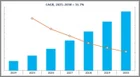
- 전 세계 컴플라이언스 자동화 시장 규모는 2025년 4억 6,980만 달러에서 2030년까지 약 18억 6,000만 달러로 성장할 것으로 예상되며, 예측 기간 중 연평균 성장률(CAGR) 31.7%를 기록할 것으로 전망됩니다.
- 규제가 점점 더 복잡해지고 AI 거버넌스 요건이 부각되면서, 컴플라이언스 자동화 솔루션에 대한 수요가 급증하고 있습니다.
- 조직들은 정기적인 감사에서 지속적인 규정 준수 모니터링으로 전환하고 있으며, 이로 인해 규정 준수 자동화 플랫폼에 큰 기회가 생겨나고 있습니다.
- 클라우드 컴퓨팅, SaaS 생태계 및 하이브리드 IT 환경의 도입 확대가 통합된 규정 준수 관리 툴에 대한 수요를 이끌고 있습니다.
- 컴플라이언스 자동화는 감사 대응 체계, 고객 신뢰 및 업무 효율성을 향상시키는 전략적인 비즈니스 촉진요인으로 점점 더 주목받고 있습니다.
- 컴플라이언스, 리스크 관리, 거버넌스, 사이버 보안 기능의 통합이 시장의 주요 동향으로 자리 잡고 있습니다.
- AI를 활용한 규정 준수 모니터링, 증거의 자동 수집, 그리고 실시간 통제 검증은 규정 준수 업무의 방식을 변화시키고 있습니다.
- 북미는 여전히 주요 시장이지만, 아시아태평양은 디지털 전환 노력에 힘입어 고성장 지역으로 부상하고 있습니다.
- 주요 공급업체로는 Vanta, Drata, Scytale, Sprinto, Thoropass 등이 있습니다.
- 통합의 복잡성, 자동화에 대한 조직 내의 저항, 그리고 도입 과정의 과제는 여전히 시장 성장 억제요인으로 작용하고 있습니다.
- 은행, 금융 서비스, 기술, 제조, 소매, 교육 등 각 분야는 규정 준수 자동화 솔루션의 최대 도입처로 자리 잡고 있습니다.
요약: 규정 준수 자동화 시장
전 세계 컴플라이언스 자동화 시장은 조직들이 디지털 비즈니스 환경 전반에 걸쳐 증가하는 규제 의무, 사이버 보안 요건 및 거버넌스 과제에 직면함에 따라 급속히 확대되고 있습니다. 기존의 컴플라이언스 프로그램은 수작업에 의한 증거 수집, 정기적인 감사, 스프레드시트, 그리고 현대의 클라우드 네이티브 인프라 환경에서는 확장이 어려운 노동 집약적인 프로세스에 의존해 왔습니다.
컴플라이언스 자동화 플랫폼은 증거 수집, 통제 모니터링, 위험 평가, 정책 관리 및 감사 준비를 자동화함으로써 이러한 과제를 해결합니다. 이러한 솔루션은 조직에 규정 준수 현황에 대한 실시간 가시성을 제공하는 동시에, 관리 업무의 부담과 운영 비용을 절감합니다.
이 시장은 클라우드 서비스, SaaS 애플리케이션, 인공지능(AI) 기술, 그리고 원격 근무 환경의 확산으로 인한 혜택을 누리고 있습니다. 조직에서는 SOC 2, ISO 27001, GDPR, HIPAA, PCI DSS, NIST 및 새롭게 부상하고 있는 AI 거버넌스 규정 등의 프레임워크를 관리하기 위해 자동화된 규정 준수 기능이 점점 더 요구되고 있습니다.
규제가 점점 더 복잡해지는 가운데, 규정 준수 자동화는 단순한 백오피스 기능에서 벗어나 비즈니스 성장을 지원하고, 고객 온보딩을 가속화하며, 운영상의 회복탄력성을 향상시키는 전략적 기능으로 진화하고 있습니다.
시장 개요 및 동향: 규정 준수 자동화 시장
전 세계 컴플라이언스 자동화 시장은 디지털 전환, 사이버 보안 요건, 그리고 진화하는 규제 체계의 융합에 힘입어 큰 변화를 겪고 있습니다. 모든 업계의 조직들은 정기적인 평가나 수동적인 감사 준비에 의존하기보다는 지속적인 규정 준수를 실현할 수 있는 확장 가능한 솔루션을 찾고 있습니다.
시장을 형성하는 가장 중요한 동향 중 하나는 지속적인 규정 준수 모니터링으로의 전환입니다. 기업은 클라우드, SaaS, 하이브리드 환경 전반에 걸친 통제의 유효성과 규정 준수 현황에 대해 실시간 가시성을 점점 더 요구하고 있습니다. 컴플라이언스 자동화 플랫폼은 위험을 줄이고 감사 대응 능력을 향상시키는 지속적인 모니터링 기능을 제공합니다.
또 다른 주요 동향은 컴플라이언스 워크플로우에 인공지능(AI)을 통합하는 것입니다. AI를 활용한 플랫폼은 규정 준수상의 격차를 자동으로 파악하고, 여러 프레임워크에 제어 사항을 매핑하며, 감사 증거를 생성하고, 위험 평가를 지원할 수 있습니다. 전 세계에서 AI 관련 규제가 발전해 가는 가운데, 조직들은 컴플라이언스 자동화 툴을 활용하여 AI 거버넌스 요건도 관리하고 있습니다.
IT 환경이 점점 더 복잡해지고 있는 점도 시장 수요를 더욱 가속화하고 있습니다. 조직은 대개 여러 클라우드 제공업체, 소프트웨어 플랫폼, 사이버 보안 툴을 아우르며 운영을 수행합니다. 컴플라이언스 자동화 솔루션은 중앙 집중식 관리 기능을 통해 데이터 소스를 통합하고, 컴플라이언스 프로세스를 효율화하는 데 도움이 됩니다.
고객의 기대도 도입에 영향을 미치고 있습니다. 기업의 구매 담당자들은 업무 계약을 체결하기 전에 공급업체에 규정 준수 인증서 제출을 요구하는 경우가 늘고 있습니다. 그 결과, 조직들은 보안 검토를 신속하게 진행하고 판매 주기를 단축하기 위해 규정 준수 자동화에 대한 투자를 확대하고 있습니다.
또한 규정 준수 자동화는 보다 광범위한 거버넌스, 리스크, 규정 준수(GRC) 활동과 긴밀하게 연계되고 있습니다. 각 벤더사는 규정 준수 관리에 그치지 않고, 위험 모니터링, 제3자 평가, 정책 관리, 사이버 보안 거버넌스 등의 기능으로 그 범위를 확대하고 있습니다.
이러한 동향은 예측 기간 중 시장의 강력한 성장을 지원할 것으로 예상됩니다.
분석 범위: 규정 준수 자동화 시장
본 분석에서는 전용 규정 준수 자동화 플랫폼을 제공하는 벤더와, 보다 광범위한 거버넌스·리스크·규정 준수(GRC) 솔루션에 통합된 기능을 제공하는 벤더에 초점을 맞춰 전 세계 규정 준수 자동화 시장을 평가하고 있습니다.
본 조사에서는 증거 수집, 통제 모니터링, 위험 평가, 규정 준수 보고, 정책 관리, 감사 대응 준비 및 지속적인 규정 준수 모니터링을 자동화하는 기술을 대상으로 합니다. 이러한 플랫폼은 일반적으로 클라우드 인프라, SaaS 애플리케이션, ID 관리 시스템, 사이버 보안 툴 및 업무 워크플로우와 연동됩니다.
대상 지역에는 북미, 유럽, 중동 및 아프리카(EMEA), 아시아태평양(APAC) 및 라틴아메리카(LATAM)가 포함됩니다. 본 분석은 주로 성숙한 컴플라이언스 시장에 초점을 맞추면서도, 개발도상 지역에서의 새로운 기회에 대해서도 평가하고 있습니다.
이 보고서의 대상 기간은 2024-2030년까지이며, 2025년을 기준 연도로, 2026-2030년까지를 예측 기간으로 삼고 있습니다. 매출 추정치는 달러로 표시되어 있습니다.
또한 이 보고서의 범위에는 컴플라이언스 자동화 생태계 전반에 걸친 시장 촉진요인, 시장 억제요인, 지역별 동향, 경쟁 동향, 기술 혁신 및 향후 성장 기회도 포함되어 있습니다.
시장 세분화 분석: 규정 준수 자동화 시장
전 세계 컴플라이언스 자동화 시장은 지역, 업종, 도입 요건별로 세분화할 수 있습니다.
지역별
북미는 강력한 규제 집행, 클라우드의 광범위한 도입, 그리고 지속적인 규정 준수 감시에 대한 수요 증가로 인해 세계 시장을 선도하고 있습니다. 각 조직은 수동으로 진행되던 규정 준수 업무 프로세스를 자동화 플랫폼으로 적극적으로 전환하고 있습니다.
유럽·중동 및 아프리카(EMEA)는 가장 규제가 주도적인 시장 중 하나입니다. GDPR, NIS2, DORA, EU AI법 등의 규제 체계에 따라 조직들은 자동화된 규정 준수 기능에 대한 투자를 확대하고 있습니다.
아시아태평양은 고성장 지역으로 부상하고 있습니다. 클라우드 배포 확대, 디지털 경제의 성장, 그리고 규제 요건의 변화에 따라 업종을 불문하고 확장 가능한 규정 준수 솔루션에 대한 수요가 증가하고 있습니다.
라틴아메리카는 여전히 신흥 시장이며, 세계 표준 준수를 요구하는 대기업, 금융기관, 다국적 기업 사이에서 도입이 진행되고 있습니다.
업종별
주요 산업 부문은 다음과 같습니다. :
기술
은행·금융 서비스·보험(BFSI)
제조업
소매·E-Commerce
미디어·엔터테인먼트
교육
의료
전문 서비스
기술 기업과 BFSI(은행·금융·보험) 기관은 엄격한 규정 준수 의무와 광범위한 디지털 업무로 인해 도입 사례가 가장 많습니다.
준법 체계별
조직에서는 다음과 같은 관리 업무에 자동화 플랫폼을 활용하고 있습니다.
SOC 2
ISO 27001
HIPAA
GDPR
PCI DSS
NIST
DORA
AI 거버넌스 프레임워크
여러 프레임워크를 동시에 지원할 수 있는 능력은 중요한 구매 기준이 되어가고 있습니다.
수익 및 전망: 규정 준수 자동화 시장
전 세계 컴플라이언스 자동화 시장은 2030년까지 인상적인 성장을 이룰 것으로 전망됩니다. 시장 규모는 2025년 4억 6,980만 달러에서 2030년까지 약 18억 6,000만 달러로 확대될 것으로 예상되며, 연평균 성장률(CAGR)은 31.7%에 달할 것으로 전망됩니다.
매출 전망
지출의 주요 요인은 지속적인 규정 준수 모니터링, 감사 자동화, AI 기반 규정 준수 툴, 클라우드 보안 거버넌스, 그리고 통합 리스크 관리 플랫폼에 대한 투자입니다. 기술 기업, 금융 기관 및 규제 대상 산업에서의 수요가 시장 전체 수익의 상당 부분을 차지할 것으로 전망됩니다.
성장 요인: 규정 준수 자동화 시장
전 세계 컴플라이언스 자동화 시장의 성장을 가속화하고 있는 요인은 몇 가지가 있습니다.
주요 성장 요인은 규제 요건의 복잡화입니다. 조직은 사이버 보안, 개인정보 보호, 운영 탄력성, AI 거버넌스와 관련된 규제가 늘어남에 따라 이에 대응해야 하며, 수동적인 규정 준수 프로세스는 더 이상 유지하기 어려워지고 있습니다.
지속적인 규정 준수 모니터링으로의 전환 역시 또 다른 주요 촉진요인입니다. 기업은 위험을 줄이고 운영 탄력성을 높이기 위해, 통제 및 규정 준수 현황에 대한 실시간 가시성이 필요합니다.
또한 조직은 인원을 대폭 늘리지 않고도 효율을 높일 수 있는 방법을 모색하고 있습니다. 규정 준수 프로세스의 자동화를 통해 수작업 부담이 줄어들고, 감사 준비가 효율화되며, 규정 준수 팀은 더 적은 자원으로 대규모 프로그램을 관리할 수 있게 됩니다.
또한 클라우드 환경, SaaS 생태계, 사이버 보안 인프라의 복잡성이 심화됨에 따라 일원화된 가시성과 제어 기능을 제공하는 통합 플랫폼에 대한 수요가 높아지고 있습니다.
AI 거버넌스 요건의 대두로 인해 조직들이 새로운 AI 규제 전반에 걸친 규정 준수 관리를 가능하게 하는 자동화 툴을 요구함에 따라 새로운 성장 기회가 창출될 것으로 예상됩니다.
성장 저해 요인: 규정 준수 자동화 시장
견고한 성장 전망이 있는 반면, 몇 가지 과제가 시장 확대를 제한할 가능성이 있습니다.
통합의 복잡성은 여전히 큰 장벽으로 남아 있습니다. 많은 조직에서 IT 환경이 분산되어 있으며, 시스템 간 연동이나 규정 준수 자동화에 필요한 신뢰성 높은 데이터 흐름의 구축이 어려워지고 있습니다.
사내 체제가 미비하거나 책임 소재가 불분명한 점도 도입에 걸림돌이 될 수 있습니다. 컴플라이언스 책임은 여러 팀에 분산되어 있는 경우가 많아, 거버넌스 및 설명 책임의 확보가 어려워지고 있습니다.
조직 내의 변화에 대한 저항 또한 또 다른 장애물이 되고 있습니다. 수작업에 기반한 감사 주도 프로세스에서 자동화된 규정 준수 워크플로로 전환하는 데에는 대개 문화적·운영적 측면에서의 조정이 필요합니다.
중견 기업의 경우, 예산 제약이나 투자 대비 효과(ROI)에 대한 불확실성에 직면하기도 하여, 구매 결정이 지연되고 도입 속도가 둔화될 가능성이 있습니다.
시장 침투를 확대하고 고객의 성공을 가속화하려는 벤더에게 있으며, 이러한 과제를 해결하는 것은 매우 중요합니다.
경쟁 현황: 규정 준수 자동화 시장
전 세계 규정 준수 자동화 시장은 여전히 비교적 집중되어 있으며, 규정 준수 관리, 감사 자동화, 거버넌스 기술 등 각 부문에서 10개 이상의 주요 공급업체가 경쟁하고 있습니다.
경쟁사 비교는 플랫폼 기능, 워크플로우 자동화 기능, 도입 용이성, 통합 유연성, 고객 지원, 규정 준수 프레임워크의 적용 범위, 가격 정책 및 전반적인 사용자 경험을 기준으로 이루어집니다.
주요 경쟁사로는 Vanta, Drata, Scytale, Sprinto, Thoropass 등이 있으며, 이들 모두 기술 기업, 금융 기관, 규제 대상 기업을 대상으로 포괄적인 규정 준수 자동화 솔루션을 제공하고 있습니다.
그 밖의 주목할 만한 경쟁사로는 Scrut Automation, CyberSaint, Strike Graph, Centraleyes, SureCloud 등이 있으며, 이들 기업은 거버넌스, 리스크, 컴플라이언스(GRC) 생태계 내에서 전문적인 기능을 제공하고 있습니다.
상위 3개사의 경쟁사들이 시장 수익의 약 64.1%를 차지하고 있으며, 경쟁 구도가 비교적 집중되어 있음을 알 수 있습니다.
전략적 인수가 시장 역학을 형성하고 있습니다. 최근 주목할 만한 거래로는 Drata의 SafeBase 인수, Scytale의 AudITech 인수, Vanta의 Riskey 인수 등이 있습니다. 이러한 인수합병은 업계 통합이 진행되고 있으며, 각 벤더사가 플랫폼 기능 확충에 힘쓰고 있음을 반영하고 있습니다.
자주 묻는 질문(FAQ) - 규정 준수 자동화 시장
- 1. 컴플라이언스 자동화 시장이란 무엇인가?
- 컴플라이언스 자동화 시장이란 증거 수집, 통제 모니터링, 감사 준비, 위험 평가, 정책 관리, 규제 보고 등 컴플라이언스 관리 프로세스를 자동화하는 소프트웨어 플랫폼 및 솔루션으로 구성되어 있습니다. 이러한 솔루션은 수작업의 부담과 운영 비용을 줄이는 동시에, 조직이 지속적인 규정 준수를 유지하는 데 도움이 됩니다.
- 2. 컴플라이언스 자동화 시장의 성장을 주도하고 있는 요인은 무엇인가?
- 주요 성장 요인으로는 규제의 복잡화, 클라우드 및 SaaS 환경 도입 확대, 지속적인 규정 준수 감시에 대한 수요 증가, AI 거버넌스 요건의 확대, 그리고 자동화된 규정 준수 워크플로우를 통한 업무 효율성 향상의 필요성 등을 들 수 있습니다.
- 3. 컴플라이언스 자동화 시장의 예상 성장률은 어느 정도인가?
- 컴플라이언스 자동화 시장은 2025-2030년까지 연평균 성장률(CAGR) 약 31.7%로 성장할 것으로 예상되며, 거버넌스·리스크·컴플라이언스(GRC) 기술 분야에서 가장 빠르게 성장하는 부문 중 하나가 될 전망입니다.
- 4. 컴플라이언스 자동화 솔루션을 주로 도입하고 있는 업계는 어디인가?
- 주요 개발처로는 기술 기업, 은행 및 금융 서비스 기관, 보험사, 제조 기업, 소매 및 E-Commerce 기업, 의료 기관, 교육 기관, 그리고 다양한 규제 체계를 준수해야 하는 전문 서비스 제공업체 등이 있습니다.
- 5. 컴플라이언스 자동화 플랫폼의 장점은 무엇인가?
- 컴플라이언스 자동화 플랫폼은 감사 대응 체제 강화, 수작업에 따른 업무 부담 경감, 증거 수집의 효율화, 컴플라이언스 현황의 가시성 향상, 지속적인 모니터링 지원, 인증 절차의 신속화를 실현하여, 조직이 여러 규제 체계를 보다 효율적으로 관리할 수 있도록 지원합니다.
- 6. 컴플라이언스 자동화 솔루션에서는 일반적으로 어떤 컴플라이언스 프레임워크를 지원하는가?
- 대부분의 규정 준수 자동화 플랫폼은 SOC 2, ISO 27001, GDPR, HIPAA, PCI DSS, NIST, DORA, CIS Controls는 물론, 새롭게 부상하고 있는 AI 거버넌스 및 사이버 보안 관련 규정 등 주요 프레임워크를 지원합니다.
- 7. 인공지능은 규정 준수 자동화 시장에 어떤 영향을 미치고 있는가?
- 인공지능은 증거의 자동 수집, 위험 분석, 정책 매핑, 이상 탐지, 규제 변경 모니터링 및 예측적 규정 준수 평가를 가능하게 함으로써 규정 준수 자동화를 강화합니다. AI는 조직이 효율성을 높이고, 끊임없이 변화하는 규정 준수 요건에 더 신속하게 대응할 수 있도록 지원합니다.
- 8. 컴플라이언스 자동화 시장에는 어떤 과제가 있는가?
- 주요 과제로는 단편화된 IT 환경에서의 통합 복잡성, 조직의 성숙도 부족, 규정 준수 책임 소재가 불분명한 점, 프로세스 변경에 대한 저항, 도입 비용, 그리고 소규모 조직에서 투자 대비 효과(ROI)를 입증하기 어렵다는 점 등을 들 수 있습니다.
- 9. 컴플라이언스 자동화 시장의 주요 기업으로는 어떤 곳이 있는가?
- 컴플라이언스 자동화 시장의 주요 공급업체로는 Vanta, Drata, Scytale, Sprinto, Thoropass, Scrut Automation, CyberSaint, Strike Graph, Centraleyes, SureCloud 등이 있습니다. 이 기업은 지속적인 규정 준수, 감사 대응, 거버넌스 관리를 지원하는 솔루션을 제공하고 있습니다.
- 10. 컴플라이언스 자동화 시장의 향후 전망은 어떠한가?
- 조직들이 지속적인 컴플라이언스 모델, AI를 활용한 거버넌스 툴, 통합형 리스크 관리 플랫폼을 점점 더 많이 도입함에 따라 컴플라이언스 자동화 시장의 미래 전망은 계속해서 매우 밝다고 할 수 있습니다. 규제 당국별 감독 강화와 디지털 생태계의 확대로 인해 2030년 이후에도 시장은 강력한 성장을 이어갈 것으로 예상됩니다.
범위 및 세분화
- 분석 범위
- 지역 구분
성장 환경: 컴플라이언스 자동화의 혁신
- 성장이 점점 더 어려워지는 이유는 무엇일까
- 전략적 필수 과제
- 상위 3대 전략적 과제가 규정 준수 자동화 업계에 미치는 영향
전 세계 컴플라이언스 자동화 분야의 생태계
- 의미
- 수익 예측에 관한 면책 조항
- 조사 방법
- 공급업체의 포함 및 제외
- 주요 조사 결과: 요약
- 주요 조사 결과: 컴플라이언스 자동화는 감사 기능에서 신뢰 구축으로 진화했다
- 주요 조사 결과: 지속적인 규정 준수를 넘어 실시간 AI 기반 보증으로
- 주요 조사 결과: 통합 플랫폼의 부상과 차별화 요인으로의 통합
- 주요 조사 결과: 디지털 및 AI를 활용한 업무에 규정 준수를 반영
- 컴플라이언스 자동화의 미래
- 고객의 취향
- 주요 규제 및 체계
- 경쟁 환경
- 주요 경쟁사
세계 컴플라이언스 자동화 분야에서 성장을 주도하는 기업
- 성장 지표
- 성장 촉진요인
- 성장 요인 분석
- 성장 저해 요인
- 성장 억제 분석
- 예측과 관련된 고려 사항
- 수익 전망
- 지역별 수익 전망
- 수익 예측 분석
- 지역별 매출 점유율
- 가격 동향 및 예측 분석
- 주요 공급업체의 매출 점유율
성장 촉진요인: 북미
- 성장 지표
- 수익 전망
- 수익 예측 분석
- 주요 공급업체의 매출 점유율
성장 촉진요인: EMEA
- 성장 지표
- 수익 전망
- 수익 예측 분석
- 주요 공급업체의 매출 점유율
컴플라이언스 자동화 솔루션: CISO를 위한 인사이트
- 컴플라이언스 자동화: CISO의 우려 사항
- 컴플라이언스 자동화 평가: 인사이트 및 권장 사항
성장 기회
- 성장 기회 1: AI 기반 컴플라이언스 및 거버넌스 플랫폼
- 성장 기회 2: 플랫폼 통합 및 통합 리스크·컴플라이언스 솔루션
- 성장 기회 3: 중견 시장 진출 및 글로벌 확장
부록 및 향후 단계
KSA 26.07.16Key Takeaways: Compliance Automation Market
- The global Compliance Automation Market is projected to grow from USD 469.8 million in 2025 to approximately USD 1.86 billion by 2030, registering a robust CAGR of 31.7% during the forecast period.
- Increasing regulatory complexity and the emergence of AI governance requirements are accelerating demand for automated compliance solutions.
- Organizations are shifting from periodic audits to continuous compliance monitoring, creating significant opportunities for compliance automation platforms.
- Growing adoption of cloud computing, SaaS ecosystems, and hybrid IT environments is driving demand for centralized compliance management tools.
- Compliance automation is increasingly viewed as a strategic business enabler that improves audit readiness, customer trust, and operational efficiency.
- Integration of compliance, risk management, governance, and cybersecurity functions is becoming a key market trend.
- AI-powered compliance monitoring, automated evidence collection, and real-time control validation are reshaping compliance operations.
- North America remains the leading market, while Asia-Pacific is emerging as a high-growth region due to digital transformation initiatives.
- Leading vendors include Vanta, Drata, Scytale, Sprinto, and Thoropass.
- Integration complexity, organizational resistance to automation, and implementation challenges remain key market restraints.
- Banking, financial services, technology, manufacturing, retail, and education sectors are among the largest adopters of compliance automation solutions.
Report Summary: Compliance Automation Market
The global Compliance Automation Market is experiencing rapid expansion as organizations face increasing regulatory obligations, cybersecurity requirements, and governance challenges across digital business environments. Traditional compliance programs have historically relied on manual evidence collection, periodic audits, spreadsheets, and labor-intensive processes that struggle to scale within modern cloud-native infrastructures.
Compliance automation platforms address these challenges by automating evidence gathering, control monitoring, risk assessments, policy management, and audit preparation. These solutions provide organizations with real-time visibility into compliance posture while reducing administrative workloads and operational costs.
The market is benefiting from the growing adoption of cloud services, SaaS applications, artificial intelligence technologies, and remote work environments. Organizations increasingly require automated compliance capabilities to manage frameworks such as SOC 2, ISO 27001, GDPR, HIPAA, PCI DSS, NIST, and emerging AI governance regulations.
As regulatory complexity continues to increase, compliance automation is evolving from a back-office function into a strategic capability that supports business growth, accelerates customer onboarding, and improves operational resilience.
Market Overview & Trends: Compliance Automation Market
The global Compliance Automation Market is undergoing a significant transformation driven by the convergence of digital transformation, cybersecurity requirements, and evolving regulatory frameworks. Organizations across industries are seeking scalable solutions that enable continuous compliance rather than relying on periodic assessments and manual audit preparation.
One of the most important trends shaping the market is the shift toward continuous compliance monitoring. Businesses increasingly require real-time visibility into control effectiveness and compliance status across cloud, SaaS, and hybrid environments. Compliance automation platforms provide ongoing monitoring capabilities that reduce risk and improve audit readiness.
Another major trend is the integration of artificial intelligence into compliance workflows. AI-powered platforms can automatically identify compliance gaps, map controls to multiple frameworks, generate audit evidence, and support risk assessments. As AI regulations evolve globally, organizations are also leveraging compliance automation tools to manage AI governance requirements.
The increasing complexity of IT environments is further accelerating market demand. Organizations often operate across multiple cloud providers, software platforms, and cybersecurity tools. Compliance automation solutions help unify data sources and streamline compliance processes through centralized management capabilities.
Customer expectations are also influencing adoption. Enterprise buyers increasingly require vendors to demonstrate compliance certifications before entering into business agreements. As a result, organizations are investing in compliance automation to accelerate security reviews and shorten sales cycles.
Additionally, compliance automation is becoming closely aligned with broader governance, risk, and compliance (GRC) initiatives. Vendors are expanding capabilities beyond compliance management to include risk monitoring, third-party assessments, policy management, and cybersecurity governance.
These trends are expected to support strong market growth throughout the forecast period.
Scope of Analysis: Compliance Automation Market
This analysis evaluates the global Compliance Automation Market, focusing on vendors offering dedicated compliance automation platforms and capabilities integrated within broader governance, risk, and compliance (GRC) solutions.
The study covers technologies that automate evidence collection, control monitoring, risk assessments, compliance reporting, policy management, audit readiness, and continuous compliance monitoring. These platforms typically integrate with cloud infrastructure, SaaS applications, identity systems, cybersecurity tools, and operational workflows.
Geographic coverage includes North America, Europe, the Middle East and Africa (EMEA), Asia-Pacific (APAC), and Latin America (LATAM). The analysis primarily focuses on mature compliance markets while also evaluating emerging opportunities in developing regions.
The report covers the period from 2024 to 2030, with 2025 serving as the base year and 2026–2030 representing the forecast period. Revenue estimates are presented in U.S. dollars.
The scope also includes market drivers, restraints, regional developments, competitive dynamics, technology innovations, and future growth opportunities across the compliance automation ecosystem.
Market Segmentation Analysis: Compliance Automation Market
The global Compliance Automation Market can be segmented by region, industry vertical, and deployment requirements.
By Region
North America leads the global market due to strong regulatory enforcement, advanced cloud adoption, and increasing demand for continuous compliance monitoring. Organizations are actively replacing manual compliance workflows with automated platforms.
Europe, Middle East, and Africa (EMEA) represents one of the most regulation-driven markets. Frameworks such as GDPR, NIS2, DORA, and the EU AI Act are encouraging organizations to invest in automated compliance capabilities.
Asia-Pacific (APAC) is emerging as a high-growth region. Increasing cloud adoption, expanding digital economies, and evolving regulatory requirements are driving demand for scalable compliance solutions across industries.
Latin America (LATAM) remains an emerging market with growing adoption among large enterprises, financial institutions, and multinational organizations seeking compliance with global standards.
By Industry Vertical
Key industry segments include:
Technology
Banking, Financial Services, and Insurance (BFSI)
Manufacturing
Retail and E-commerce
Media and Entertainment
Education
Healthcare
Professional Services
Technology companies and BFSI organizations represent the largest adopters due to strict compliance obligations and extensive digital operations.
By Compliance Framework
Organizations utilize automation platforms to manage:
SOC 2
ISO 27001
HIPAA
GDPR
PCI DSS
NIST
DORA
AI Governance Frameworks
The ability to support multiple frameworks simultaneously is becoming a key purchasing criterion.
Revenue & Spending Forecast: Compliance Automation Market
The global Compliance Automation Market is forecast to experience exceptional growth through 2030. Market revenue is expected to increase from USD 469.8 million in 2025 to approximately USD 1.86 billion by 2030, representing a CAGR of 31.7%.
Revenue Forecast
Spending will be driven by investments in continuous compliance monitoring, audit automation, AI-powered compliance tools, cloud security governance, and integrated risk management platforms. Demand from technology firms, financial institutions, and regulated industries will account for a significant share of overall market revenue.
Growth Drivers: Compliance Automation Market
Several factors are accelerating growth within the global Compliance Automation Market.
The primary growth driver is the increasing complexity of regulatory requirements. Organizations must comply with a growing number of cybersecurity, privacy, operational resilience, and AI governance regulations, making manual compliance processes unsustainable.
The transition toward continuous compliance monitoring is another major driver. Businesses require real-time visibility into controls and compliance status to reduce risk and improve operational resilience.
Organizations are also seeking ways to improve efficiency without significantly increasing headcount. Compliance automation reduces manual workloads, streamlines audit preparation, and enables compliance teams to manage larger programs with fewer resources.
Additionally, the growing complexity of cloud environments, SaaS ecosystems, and cybersecurity infrastructures is increasing demand for integrated platforms that provide centralized visibility and control.
The rise of AI governance requirements is expected to create new growth opportunities as organizations seek automated tools capable of managing compliance across emerging AI regulations.
Growth Restraints: Compliance Automation Market
Despite strong growth prospects, several challenges may limit market expansion.
Integration complexity remains a significant barrier. Many organizations operate fragmented IT environments that make it difficult to connect systems and establish reliable data flows required for automated compliance.
Limited internal maturity and unclear ownership structures can also hinder implementation efforts. Compliance responsibilities are often distributed across multiple teams, making governance and accountability challenging.
Organizational resistance to change represents another obstacle. Transitioning from manual, audit-driven processes to automated compliance workflows often requires cultural and operational adjustments.
Mid-sized organizations may also face budget constraints and uncertainty regarding return on investment, delaying purchasing decisions and slowing adoption rates.
Addressing these challenges will be critical for vendors seeking to expand market penetration and accelerate customer success.
Competitive Landscape: Compliance Automation Market
The global Compliance Automation Market remains relatively concentrated, with more than 10 major vendors competing across compliance management, audit automation, and governance technology segments.
Competition is based on platform functionality, workflow automation capabilities, ease of implementation, integration flexibility, customer support, compliance framework coverage, pricing, and overall user experience.
Leading competitors include Vanta, Drata, Scytale, Sprinto, and Thoropass, all of which offer comprehensive compliance automation solutions targeting technology companies, financial institutions, and regulated enterprises.
Other notable competitors include Scrut Automation, CyberSaint, Strike Graph, Centraleyes, and SureCloud, each providing specialized capabilities within governance, risk, and compliance ecosystems.
The top three competitors collectively account for approximately 64.1% of market revenue, indicating a relatively concentrated competitive landscape.
Strategic acquisitions are shaping market dynamics. Recent notable transactions include Drata's acquisition of SafeBase, Scytale's acquisition of AudITech, and Vanta's acquisition of Riskey. These acquisitions reflect increasing consolidation and vendor efforts to expand platform capabilities.
Frequently Asked Questions (FAQs) – Compliance Automation Market
- 1. What is the Compliance Automation Market?
- The Compliance Automation Market comprises software platforms and solutions that automate compliance management processes, including evidence collection, control monitoring, audit preparation, risk assessments, policy management, and regulatory reporting. These solutions help organizations maintain continuous compliance while reducing manual effort and operational costs.
- 2. What is driving growth in the Compliance Automation Market?
- Key growth drivers include increasing regulatory complexity, rising adoption of cloud and SaaS environments, growing demand for continuous compliance monitoring, expansion of AI governance requirements, and the need to improve operational efficiency through automated compliance workflows.
- 3. What is the projected growth rate of the Compliance Automation Market?
- The Compliance Automation Market is expected to grow at a CAGR of approximately 31.7% between 2025 and 2030, making it one of the fastest-growing segments within governance, risk, and compliance technologies.
- 4. Which industries are the primary adopters of compliance automation solutions?
- Major adopters include technology companies, banking and financial services institutions, insurance providers, manufacturing firms, retail and eCommerce businesses, healthcare organizations, educational institutions, and professional service providers that must comply with various regulatory frameworks.
- 5. What are the benefits of compliance automation platforms?
- Compliance automation platforms improve audit readiness, reduce manual workloads, streamline evidence collection, enhance visibility into compliance posture, support continuous monitoring, accelerate certification processes, and help organizations manage multiple regulatory frameworks more efficiently.
- 6. Which compliance frameworks are commonly supported by compliance automation solutions?
- Most compliance automation platforms support major frameworks such as SOC 2, ISO 27001, GDPR, HIPAA, PCI DSS, NIST, DORA, CIS Controls, and emerging AI governance and cybersecurity regulations.
- 7. How does artificial intelligence impact the Compliance Automation Market?
- Artificial intelligence enhances compliance automation by enabling automated evidence collection, risk analysis, policy mapping, anomaly detection, regulatory change monitoring, and predictive compliance assessments. AI helps organizations improve efficiency and respond more quickly to evolving compliance requirements.
- 8. What challenges are affecting the Compliance Automation Market?
- Key challenges include integration complexity across fragmented IT environments, limited organizational maturity, unclear compliance ownership, resistance to process changes, implementation costs, and difficulties in demonstrating return on investment for smaller organizations.
- 9. Who are the leading companies in the Compliance Automation Market?
- Leading vendors in the Compliance Automation Market include Vanta, Drata, Scytale, Sprinto, Thoropass, Scrut Automation, CyberSaint, Strike Graph, Centraleyes, and SureCloud. These companies provide solutions that support continuous compliance, audit readiness, and governance management.
- 10. What is the future outlook for the Compliance Automation Market?
- The future outlook for the Compliance Automation Market remains highly positive as organizations increasingly adopt continuous compliance models, AI-powered governance tools, and integrated risk management platforms. Growing regulatory scrutiny and expanding digital ecosystems are expected to drive strong market growth through 2030 and beyond.
Scope and Segmentation
- Scope of Analysis
- Regional Segmentation
Growth Environment: Transformation in Compliance Automation
- Why Is It Increasingly Difficult to Grow?
- The Strategic Imperative 8TM
- The Impact of the Top 3 Strategic Imperatives on the Compliance Automation Industry
Ecosystem in the Global Compliance Automation Sector
- Definition
- Revenue Estimate Disclaimer
- Research Methodology
- Inclusion and Exclusion of Vendors
- Key Findings: Summary
- Key Findings: Evolution of Compliance Automation from Audit Function to Trust Enabler
- Key Findings: From Continuous Compliance to Real-Time, AI-Driven Assurance
- Key Findings: Rise of Unified Platforms and Integration as a Differentiator
- Key Findings: Embedding Compliance into Digital and AI-Driven Operations
- Future of Compliance Automation
- Customer Preferences
- Key Regulations and Frameworks
- Competitive Environment
- Key Competitors
Growth Generator in the Global Compliance Automation Sector
- Growth Metrics
- Growth Drivers
- Growth Driver Analysis
- Growth Restraints
- Growth Restraint Analysis
- Forecast Considerations
- Revenue Forecast
- Revenue Forecast by Region
- Revenue Forecast Analysis
- Revenue Share by Region
- Pricing Trends and Forecast Analysis
- Revenue Share of Key Vendors
Growth Generator: North America
- Growth Metrics
- Revenue Forecast
- Revenue Forecast Analysis
- Revenue Share of Key Vendors
Growth Generator: EMEA
- Growth Metrics
- Revenue Forecast
- Revenue Forecast Analysis
- Revenue Share of Key Vendors
Compliance Automation Solutions: Insights for CISOs
- Compliance Automation: CISO Concerns
- Evaluating Compliance Automation: Insights and Recommendations
Growth Opportunity Universe
- Growth Opportunity 1: AI-Native Compliance and Governance Platforms
- Growth Opportunity 2: Platform Consolidation and Unified Risk-Compliance Solutions
- Growth Opportunity 3: Expansion into Mid-Market and Global Adoption
Appendix & Next Steps
- Benefits and Impacts of Growth Opportunities
- Next Steps
- List of Exhibits
- Legal Disclaimer


