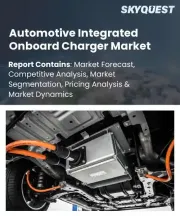
|
시장보고서
상품코드
2075517
전기자동차 온보드 충전기 시장 분석 및 예측(-2035년) : 유형, 제품 유형, 기술, 구성 요소, 용도, 최종 사용자, 기능, 설치 형태, 기기, 솔루션Electric Vehicle On-Board Charger Market Analysis and Forecast to 2035: Type, Product, Technology, Component, Application, End User, Functionality, Installation Type, Equipment, Solutions |
||||||

세계의 전기자동차 온보드 충전기 시장은 2025년 47억 달러에서 2035년까지 143억 달러로 확대되어 CAGR은 11.8%를 나타낼 것으로 예측됩니다. 전기자동차 온보드 충전기 시장은 전 세계 전기차 보급에 힘입어 성장하고 있으며, 각 전기차에는 교류(AC) 전력을 직류(DC) 전력으로 변환하기 위한 차량용 충전 장치가 1대씩 필요합니다. OBC 시스템은 승용차 및 상용 전기차에 널리 도입되어 있으며, 차량 부문와 충전 요건에 따라 정격 전력이 다릅니다. 현대 전기차는 고전압 아키텍처를 채택하고 있어, 소형 시스템 내에서 효율적인 에너지 변환과 열 관리가 요구되고 있습니다. 주택, 직장, 공공 충전 인프라의 도입 확대에 더해, 첨단 전기차 플랫폼으로의 전환이 진행되고 있는 것이 전 세계적으로 고효율 차량용 충전 솔루션에 대한 수요를 견인하고 있습니다.
전기자동차 온보드 충전기 시장의 유형별 부문에는 AC 차량용 충전기, DC 차량용 충전기, 기타가 포함됩니다. AC 차량용 충전기는 대부분의 배터리식 전기차 및 플러그인 하이브리드 전기차의 표준 구성 요소이며, 가정용 및 공공 충전소에서 공급되는 교류 전력을 직류로 변환하여 배터리를 충전하기 때문에 시장을 독점하고 있습니다. 이러한 보급은 폭넓은 충전 인프라와의 호환성, 비용 효율성, 그리고 설치의 용이성에 힘입어 가속화되고 있습니다. 직류(DC) 차량용 충전기는 더 빠른 충전 속도와 고출력에 대한 수요가 증가함에 따라 주목을 받고 있습니다. “기타” 부문에는 충전 효율과 차량 성능 향상을 목적으로 개발된 첨단 및 신흥 충전 기술이 포함됩니다.
전기자동차 온보드 충전기 시장의 설치 형태 부문은 OEM, 애프터마켓, 기타로 분류됩니다. OEM 설치는 가장 큰 시장 점유율을 차지하고 있는데, 이는 최적의 성능, 안전성 및 차량 아키텍처 준수를 보장하기 위해 차량용 충전기가 제조 공정에서 전기차에 직접 내장되기 때문입니다. 전 세계 전기차 생산 대수가 증가함에 따라, OEM 탑재형 충전 시스템에 대한 수요는 계속해서 확대되고 있습니다. 애프터마켓 부문은 교체 수요, 충전기 업그레이드, 그리고 전기차 소유자들 사이에서 높아지는 충전 기능 개선에 대한 수요에 힘입어 꾸준한 성장을 이루고 있습니다. “기타”이 부문에는 틈새 시장인 전기 모빌리티 용도나 차량 함대 현대화 프로그램을 위해 개발된 특수한 개조 프로젝트 및 맞춤형 충전 솔루션이 포함됩니다.
지역별 개요
아시아태평양은 세계 전기자동차 생산에서 차지하는 지배적인 지위와 강력한 전자기기 제조 생태계를 바탕으로, 전기자동차 온보드 충전기 시장을 주도하고 있습니다. 중국, 일본, 한국, 인도 등의 국가들이 주요 기여국이며, 승용차와 상용 전기차 모두에서 OBC 시스템의 높은 보급률을 보이고 있습니다. 이 지역은 주요 반도체, 파워 일렉트로닉스, 자동차 OEM 제조업체들이 입지해 있는 덕분에 혜택을 보고 있으며, 이를 통해 비용 효율이 뛰어난 대규모 생산이 가능해졌습니다. 전기차 보급, 충전 인프라 확충, 그리고 전기차 부품의 현지 생산에 대한 정부의 강력한 지원이 수요를 더욱 부추기고 있습니다. 이륜차, 삼륜차, 승용차의 급속한 전기화가 OBC 시장에서 아시아태평양의 주도적 지위를 더욱 공고히 하고 있습니다.
유럽에서도 엄격한 배기가스 규제와 야심 찬 전기차 보급 목표에 힘입어 전기자동차 온보드 충전기 시장이 성장하고 있습니다. 독일, 프랑스, 영국, 네덜란드 등의 국가들이 전기 모빌리티로의 전환을 주도하고 있으며, 효율적이고 고성능인 OBC 시스템에 대한 수요를 이끌고 있습니다. 고급 자동차 제조업체의 존재와 뛰어난 엔지니어링 역량이 급속 충전 및 양방향 충전 기술의 혁신을 뒷받침하고 있습니다. 국내 전기차 공급망 및 충전 인프라에 대한 투자 확대가 시장 성장을 더욱 뒷받침하고 있습니다. 또한, 전기 승용차 및 상용차 차량군의 보급 확대와 청정 교통 수단에 대한 정부의 인센티브로 인해, 해당 지역 전체에서 OBC 도입이 가속화되고 있습니다.
주요 동향 및 성장 촉진요인
고출력 양방향 및 SiC 기반 차량용 충전기로의 전환 :
전기자동차 온보드 충전기 시장에서는 실리콘 카바이드(SiC)나 갈륨 나이탈리아드(GaN)와 같은 와이드 밴드갭 반도체를 통해 구현되는 고출력 양방향 충전 시스템으로의 강력한 추세가 나타나고 있습니다. 이러한 첨단 OBC는 기존의 실리콘 기반 시스템에 비해 더 높은 효율, 열 손실 감소 및 소형 설계를 실현하고 있습니다. 양방향 OBC는 V2G(Vehicle-to-Grid), V2H(Vehicle-to-Home), V2L(Vehicle-to-Load)과 같은 용도를 가능하게 하고, 전기차를 이동식 에너지 저장 장치로 기능하게 함으로써 주목을 받고 있습니다. 또한, 각 자동차 제조업체들은 차량 내 충전, DC-DC 변환, 전력 분배를 단일 아키텍처로 통합한 모듈식 다기능 충전 유닛의 도입을 추진하고 있습니다. 이러한 추세는 더 빠른 충전, 에너지 효율 향상, 그리고 전기자동차의 스마트 에너지 생태계로의 추가적인 통합에 대한 수요에 힘입어 가속화되고 있습니다.
전기자동차의 급속한 보급과 충전 인프라 규격의 확대 :
전기자동차 온보드 충전기 시장의 주요 성장 동인은 표준화된 충전 인프라 확충과 정부의 전동화 정책에 힘입어 전 세계적으로 전기차가 급속히 보급되고 있는 점입니다. 전기차 판매 대수가 증가함에 따라 승용차, 상용 전기차 및 플릿 차량 등 모든 분야에서 효율적이고 신뢰성 높은 차량용 충전 시스템에 대한 수요가 크게 증가하고 있습니다. 배출가스 감축과 에너지 효율 향상을 촉진하는 규제 체계에 따라, 자동차 제조업체들은 고전압 플랫폼(400V 및 800V 시스템)에 대응하는 첨단 충전 기술을 도입해야 하는 상황에 놓여 있습니다. 또한, 충전 시간 단축과 운전 편의성 향상을 원하는 소비자 수요가 증가함에 따라 고출력 차량용 충전기(OBC) 설계 분야의 혁신이 가속화되고 있습니다. 자동차 제조업체들의 전기차 플랫폼에 대한 투자와 공공 및 가정용 충전 네트워크 확충이 장기적인 시장 성장을 더욱 뒷받침하고 있습니다.
목차
제1장 주요 요약
제2장 시장 하이라이트
제3장 시장 역학
제4장 부문 분석
제5장 지역별 분석
제6장 시장 전략
제7장 경쟁 정보
제8장 기업 개요
제9장 회사 소개
KTH 26.07.10The global Electric Vehicle On-Board Charger Market is projected to grow from $4.7 billion in 2025 to $14.3 billion by 2035, at a compound annual growth rate (CAGR) of 11.8%. The Electric Vehicle (EV) On-Board Charger (OBC) market is supported by strong global EV adoption, with each electric vehicle requiring one onboard charging unit for AC-to-DC power conversion. OBC systems are widely deployed across passenger and commercial EVs and vary in power rating depending on vehicle segment and charging requirements. Modern electric vehicles operate on high-voltage architectures that require efficient energy conversion and thermal management within compact systems. Increasing deployment of residential, workplace, and public charging infrastructure, along with the shift toward advanced EV platforms, is driving demand for high-efficiency onboard charging solutions globally.
The type segment of the Electric Vehicle On-Board Charger (EV OBC) market includes AC on-board chargers, DC on-board chargers, and others. AC on-board chargers dominate the market as they are standard components in most battery electric vehicles and plug-in hybrid electric vehicles, converting alternating current from residential and public charging stations into direct current for battery charging. Their widespread adoption is driven by extensive charging infrastructure compatibility, cost-effectiveness, and ease of integration. DC on-board chargers are gaining traction with the increasing demand for faster charging capabilities and higher power output. The others segment includes advanced and emerging charger technologies developed to improve charging efficiency and vehicle performance.
| Market Segmentation | |
|---|---|
| Type | AC On-Board Charger, DC On-Board Charger, Others |
| Product | Passenger Vehicles, Commercial Vehicles, Electric Buses, Electric Trucks, Others |
| Technology | Silicon Carbide (SiC), Gallium Nitride (GaN), Silicon-based, Others |
| Component | Power Module, Control Module, Communication Module, Others |
| Application | Battery Electric Vehicles (BEV), Plug-in Hybrid Electric Vehicles (PHEV), Hybrid Electric Vehicles (HEV), Others |
| End User | Automotive Manufacturers, Fleet Operators, Charging Network Providers, Others |
| Functionality | Unidirectional Charging, Bidirectional Charging, Others |
| Installation Type | OEM, Aftermarket, Others |
| Equipment | Portable Chargers, Wall Chargers, Others |
| Solutions | Smart Charging, Fast Charging, Wireless Charging, Others |
The installation type segment of the Electric Vehicle On-Board Charger market is categorized into OEM, aftermarket, and others. OEM installation holds the largest market share as on-board chargers are integrated directly into electric vehicles during manufacturing to ensure optimal performance, safety, and compliance with vehicle architecture. Growing global production of electric vehicles continues to drive demand for OEM-installed charging systems. The aftermarket segment is experiencing steady growth due to replacement requirements, charger upgrades, and increasing demand for enhanced charging capabilities among EV owners. The others segment includes specialized retrofit projects and customized charging solutions developed for niche electric mobility applications and fleet modernization programs.
Geographical Overview
Asia Pacific leads the Electric Vehicle (EV) On-Board Charger (OBC) market due to its dominant position in global EV production and strong electronics manufacturing ecosystem. Countries such as China, Japan, South Korea, and India are key contributors, with high integration of OBC systems across passenger and commercial EVs. The region benefits from the presence of major semiconductor, power electronics, and automotive OEMs, enabling cost-efficient and large-scale production. Strong government support for EV adoption, charging infrastructure development, and localization of EV components further drives demand. Rapid electrification of two-wheelers, three-wheelers, and passenger vehicles continues to reinforce Asia Pacifics leadership in the OBC market.
Europe is also witnessing growth in the EV On-Board Charger market, supported by stringent emission regulations and strong EV adoption targets. Countries such as Germany, France, the United Kingdom, and the Netherlands are leading the transition toward electrified mobility, driving demand for efficient and high-performance OBC systems. The presence of premium automotive manufacturers and advanced engineering capabilities supports innovation in fast-charging and bidirectional charging technologies. Increasing investment in domestic EV supply chains and charging infrastructure further strengthens market growth. Additionally, rising adoption of electric passenger cars, commercial fleets, and government incentives for clean transportation are accelerating OBC deployment across the region.
Key Trends and Drivers
Move Toward High-Power Bidirectional and SiC-Based On-Board Chargers:
The Electric Vehicle (EV) On-Board Charger (OBC) Market is witnessing a strong trend toward high-power, bidirectional charging systems enabled by wide-bandgap semiconductors such as silicon carbide (SiC) and gallium nitride (GaN). These advanced OBCs offer higher efficiency, reduced heat losses, and compact designs compared to conventional silicon-based systems. Bidirectional OBCs are gaining traction as they enable vehicle-to-grid (V2G), vehicle-to-home (V2H), and vehicle-to-load (V2L) applications, allowing EVs to act as mobile energy storage units. Automakers are also integrating modular and multi-functional charging units that combine onboard charging, DC-DC conversion, and power distribution in a single architecture. This trend is driven by the need for faster charging, improved energy efficiency, and deeper integration of EVs into smart energy ecosystems.
Rapid EV Adoption and Expansion of Charging Infrastructure Standards:
A key driver of the EV On-Board Charger Market is the rapid global adoption of electric vehicles, supported by the expansion of standardized charging infrastructure and government electrification policies. As EV sales increase, demand for efficient and reliable onboard charging systems is rising significantly across passenger cars, commercial EVs, and fleet vehicles. Regulatory frameworks promoting emissions reduction and energy efficiency are pushing automakers to adopt advanced charging technologies that support higher voltage platforms (400V and 800V systems). Additionally, growing consumer demand for reduced charging times and improved driving convenience is accelerating innovation in high-power OBC designs. Investments by automotive OEMs in EV platforms and the expansion of public and home charging networks are further strengthening long-term market growth.
Research Scope
Estimates and forecasts the overall market size across type, application, and region.
Provides detailed information and key takeaways on qualitative and quantitative trends, dynamics, business framework, competitive landscape, and company profiling.
Identifies factors influencing market growth and challenges, opportunities, drivers, and restraints.
Identifies factors that could limit company participation in international markets to help calibrate market share expectations and growth rates.
Evaluates key development strategies like acquisitions, product launches, mergers, collaborations, business expansions, agreements, partnerships, and R&D activities.
Analyzes smaller market segments strategically, focusing on their potential, growth patterns, and impact on the overall market.
Outlines the competitive landscape, assessing business and corporate strategies to monitor and dissect competitive advancements.
Our research scope provides comprehensive market data, insights, and analysis across a variety of critical areas. We cover Local Market Analysis, assessing consumer demographics, purchasing behaviors, and market size within specific regions to identify growth opportunities. Our Local Competition Review offers a detailed evaluation of competitors, including their strengths, weaknesses, and market positioning. We also conduct Local Regulatory Reviews to ensure businesses comply with relevant laws and regulations. Industry Analysis provides an in-depth look at market dynamics, key players, and trends. Additionally, we offer Cross-Segmental Analysis to identify synergies between different market segments, as well as Production-Consumption and Demand-Supply Analysis to optimize supply chain efficiency. Our Import-Export Analysis helps businesses navigate global trade environments by evaluating trade flows and policies. These insights empower clients to make informed strategic decisions, mitigate risks, and capitalize on market opportunities.
TABLE OF CONTENTS
1 Executive Summary
- 1.1 Market Size and Forecast
- 1.2 Market Overview
- 1.3 Market Snapshot
- 1.4 Regional Snapshot
- 1.5 Strategic Recommendations
- 1.6 Analyst Notes
2 Market Highlights
- 2.1 Key Market Highlights by Type
- 2.2 Key Market Highlights by Product
- 2.3 Key Market Highlights by Technology
- 2.4 Key Market Highlights by Component
- 2.5 Key Market Highlights by Application
- 2.6 Key Market Highlights by Installation Type
- 2.7 Key Market Highlights by Functionality
- 2.8 Key Market Highlights by Equipment
- 2.9 Key Market Highlights by Solutions
- 2.10 Key Market Highlights by End User
3 Market Dynamics
- 3.1 Macroeconomic Analysis
- 3.2 Market Trends
- 3.3 Market Drivers
- 3.4 Market Opportunities
- 3.5 Market Restraints
- 3.6 CAGR Growth Analysis
- 3.7 Impact Analysis
- 3.8 Emerging Markets
- 3.9 Technology Roadmap
- 3.10 Strategic Frameworks
- 3.10.1 PORTER's 5 Forces Model
- 3.10.2 ANSOFF Matrix
- 3.10.3 4P's Model
- 3.10.4 PESTEL Analysis
4 Segment Analysis
- 4.1 Market Size & Forecast by Type (2020-2035)
- 4.1.1 AC On-Board Charger
- 4.1.2 DC On-Board Charger
- 4.1.3 Others
- 4.2 Market Size & Forecast by Product (2020-2035)
- 4.2.1 Passenger Vehicles
- 4.2.2 Commercial Vehicles
- 4.2.3 Electric Buses
- 4.2.4 Electric Trucks
- 4.2.5 Others
- 4.3 Market Size & Forecast by Technology (2020-2035)
- 4.3.1 Silicon Carbide (SiC)
- 4.3.2 Gallium Nitride (GaN)
- 4.3.3 Silicon-based
- 4.3.4 Others
- 4.4 Market Size & Forecast by Component (2020-2035)
- 4.4.1 Power Module
- 4.4.2 Control Module
- 4.4.3 Communication Module
- 4.4.4 Others
- 4.5 Market Size & Forecast by Application (2020-2035)
- 4.5.1 Battery Electric Vehicles (BEV)
- 4.5.2 Plug-in Hybrid Electric Vehicles (PHEV)
- 4.5.3 Hybrid Electric Vehicles (HEV)
- 4.5.4 Others
- 4.6 Market Size & Forecast by Installation Type (2020-2035)
- 4.6.1 OEM
- 4.6.2 Aftermarket
- 4.6.3 Others
- 4.7 Market Size & Forecast by Functionality (2020-2035)
- 4.7.1 Unidirectional Charging
- 4.7.2 Bidirectional Charging
- 4.7.3 Others
- 4.8 Market Size & Forecast by Equipment (2020-2035)
- 4.8.1 Portable Chargers
- 4.8.2 Wall Chargers
- 4.8.3 Others
- 4.9 Market Size & Forecast by Solutions (2020-2035)
- 4.9.1 Smart Charging
- 4.9.2 Fast Charging
- 4.9.3 Wireless Charging
- 4.9.4 Others
- 4.10 Market Size & Forecast by End User (2020-2035)
- 4.10.1 Automotive Manufacturers
- 4.10.2 Fleet Operators
- 4.10.3 Charging Network Providers
- 4.10.4 Others
5 Regional Analysis
- 5.1 Global Market Overview
- 5.2 North America Market Size (2020-2035)
- 5.2.1 United States
- 5.2.1.1 Type
- 5.2.1.2 Product
- 5.2.1.3 Technology
- 5.2.1.4 Component
- 5.2.1.5 Application
- 5.2.1.6 Installation Type
- 5.2.1.7 Functionality
- 5.2.1.8 Equipment
- 5.2.1.9 Solutions
- 5.2.1.10 End User
- 5.2.2 Canada
- 5.2.2.1 Type
- 5.2.2.2 Product
- 5.2.2.3 Technology
- 5.2.2.4 Component
- 5.2.2.5 Application
- 5.2.2.6 Installation Type
- 5.2.2.7 Functionality
- 5.2.2.8 Equipment
- 5.2.2.9 Solutions
- 5.2.2.10 End User
- 5.2.3 Mexico
- 5.2.3.1 Type
- 5.2.3.2 Product
- 5.2.3.3 Technology
- 5.2.3.4 Component
- 5.2.3.5 Application
- 5.2.3.6 Installation Type
- 5.2.3.7 Functionality
- 5.2.3.8 Equipment
- 5.2.3.9 Solutions
- 5.2.3.10 End User
- 5.2.1 United States
- 5.3 Latin America Market Size (2020-2035)
- 5.3.1 Brazil
- 5.3.1.1 Type
- 5.3.1.2 Product
- 5.3.1.3 Technology
- 5.3.1.4 Component
- 5.3.1.5 Application
- 5.3.1.6 Installation Type
- 5.3.1.7 Functionality
- 5.3.1.8 Equipment
- 5.3.1.9 Solutions
- 5.3.1.10 End User
- 5.3.2 Argentina
- 5.3.2.1 Type
- 5.3.2.2 Product
- 5.3.2.3 Technology
- 5.3.2.4 Component
- 5.3.2.5 Application
- 5.3.2.6 Installation Type
- 5.3.2.7 Functionality
- 5.3.2.8 Equipment
- 5.3.2.9 Solutions
- 5.3.2.10 End User
- 5.3.3 Rest of Latin America
- 5.3.3.1 Type
- 5.3.3.2 Product
- 5.3.3.3 Technology
- 5.3.3.4 Component
- 5.3.3.5 Application
- 5.3.3.6 Installation Type
- 5.3.3.7 Functionality
- 5.3.3.8 Equipment
- 5.3.3.9 Solutions
- 5.3.3.10 End User
- 5.3.1 Brazil
- 5.4 Asia-Pacific Market Size (2020-2035)
- 5.4.1 China
- 5.4.1.1 Type
- 5.4.1.2 Product
- 5.4.1.3 Technology
- 5.4.1.4 Component
- 5.4.1.5 Application
- 5.4.1.6 Installation Type
- 5.4.1.7 Functionality
- 5.4.1.8 Equipment
- 5.4.1.9 Solutions
- 5.4.1.10 End User
- 5.4.2 India
- 5.4.2.1 Type
- 5.4.2.2 Product
- 5.4.2.3 Technology
- 5.4.2.4 Component
- 5.4.2.5 Application
- 5.4.2.6 Installation Type
- 5.4.2.7 Functionality
- 5.4.2.8 Equipment
- 5.4.2.9 Solutions
- 5.4.2.10 End User
- 5.4.3 South Korea
- 5.4.3.1 Type
- 5.4.3.2 Product
- 5.4.3.3 Technology
- 5.4.3.4 Component
- 5.4.3.5 Application
- 5.4.3.6 Installation Type
- 5.4.3.7 Functionality
- 5.4.3.8 Equipment
- 5.4.3.9 Solutions
- 5.4.3.10 End User
- 5.4.4 Japan
- 5.4.4.1 Type
- 5.4.4.2 Product
- 5.4.4.3 Technology
- 5.4.4.4 Component
- 5.4.4.5 Application
- 5.4.4.6 Installation Type
- 5.4.4.7 Functionality
- 5.4.4.8 Equipment
- 5.4.4.9 Solutions
- 5.4.4.10 End User
- 5.4.5 Australia
- 5.4.5.1 Type
- 5.4.5.2 Product
- 5.4.5.3 Technology
- 5.4.5.4 Component
- 5.4.5.5 Application
- 5.4.5.6 Installation Type
- 5.4.5.7 Functionality
- 5.4.5.8 Equipment
- 5.4.5.9 Solutions
- 5.4.5.10 End User
- 5.4.6 Taiwan
- 5.4.6.1 Type
- 5.4.6.2 Product
- 5.4.6.3 Technology
- 5.4.6.4 Component
- 5.4.6.5 Application
- 5.4.6.6 Installation Type
- 5.4.6.7 Functionality
- 5.4.6.8 Equipment
- 5.4.6.9 Solutions
- 5.4.6.10 End User
- 5.4.7 Rest of APAC
- 5.4.7.1 Type
- 5.4.7.2 Product
- 5.4.7.3 Technology
- 5.4.7.4 Component
- 5.4.7.5 Application
- 5.4.7.6 Installation Type
- 5.4.7.7 Functionality
- 5.4.7.8 Equipment
- 5.4.7.9 Solutions
- 5.4.7.10 End User
- 5.4.1 China
- 5.5 Europe Market Size (2020-2035)
- 5.5.1 Germany
- 5.5.1.1 Type
- 5.5.1.2 Product
- 5.5.1.3 Technology
- 5.5.1.4 Component
- 5.5.1.5 Application
- 5.5.1.6 Installation Type
- 5.5.1.7 Functionality
- 5.5.1.8 Equipment
- 5.5.1.9 Solutions
- 5.5.1.10 End User
- 5.5.2 France
- 5.5.2.1 Type
- 5.5.2.2 Product
- 5.5.2.3 Technology
- 5.5.2.4 Component
- 5.5.2.5 Application
- 5.5.2.6 Installation Type
- 5.5.2.7 Functionality
- 5.5.2.8 Equipment
- 5.5.2.9 Solutions
- 5.5.2.10 End User
- 5.5.3 United Kingdom
- 5.5.3.1 Type
- 5.5.3.2 Product
- 5.5.3.3 Technology
- 5.5.3.4 Component
- 5.5.3.5 Application
- 5.5.3.6 Installation Type
- 5.5.3.7 Functionality
- 5.5.3.8 Equipment
- 5.5.3.9 Solutions
- 5.5.3.10 End User
- 5.5.4 Spain
- 5.5.4.1 Type
- 5.5.4.2 Product
- 5.5.4.3 Technology
- 5.5.4.4 Component
- 5.5.4.5 Application
- 5.5.4.6 Installation Type
- 5.5.4.7 Functionality
- 5.5.4.8 Equipment
- 5.5.4.9 Solutions
- 5.5.4.10 End User
- 5.5.5 Italy
- 5.5.5.1 Type
- 5.5.5.2 Product
- 5.5.5.3 Technology
- 5.5.5.4 Component
- 5.5.5.5 Application
- 5.5.5.6 Installation Type
- 5.5.5.7 Functionality
- 5.5.5.8 Equipment
- 5.5.5.9 Solutions
- 5.5.5.10 End User
- 5.5.6 Rest of Europe
- 5.5.6.1 Type
- 5.5.6.2 Product
- 5.5.6.3 Technology
- 5.5.6.4 Component
- 5.5.6.5 Application
- 5.5.6.6 Installation Type
- 5.5.6.7 Functionality
- 5.5.6.8 Equipment
- 5.5.6.9 Solutions
- 5.5.6.10 End User
- 5.5.1 Germany
- 5.6 Middle East & Africa Market Size (2020-2035)
- 5.6.1 Saudi Arabia
- 5.6.1.1 Type
- 5.6.1.2 Product
- 5.6.1.3 Technology
- 5.6.1.4 Component
- 5.6.1.5 Application
- 5.6.1.6 Installation Type
- 5.6.1.7 Functionality
- 5.6.1.8 Equipment
- 5.6.1.9 Solutions
- 5.6.1.10 End User
- 5.6.2 United Arab Emirates
- 5.6.2.1 Type
- 5.6.2.2 Product
- 5.6.2.3 Technology
- 5.6.2.4 Component
- 5.6.2.5 Application
- 5.6.2.6 Installation Type
- 5.6.2.7 Functionality
- 5.6.2.8 Equipment
- 5.6.2.9 Solutions
- 5.6.2.10 End User
- 5.6.3 South Africa
- 5.6.3.1 Type
- 5.6.3.2 Product
- 5.6.3.3 Technology
- 5.6.3.4 Component
- 5.6.3.5 Application
- 5.6.3.6 Installation Type
- 5.6.3.7 Functionality
- 5.6.3.8 Equipment
- 5.6.3.9 Solutions
- 5.6.3.10 End User
- 5.6.4 Sub-Saharan Africa
- 5.6.4.1 Type
- 5.6.4.2 Product
- 5.6.4.3 Technology
- 5.6.4.4 Component
- 5.6.4.5 Application
- 5.6.4.6 Installation Type
- 5.6.4.7 Functionality
- 5.6.4.8 Equipment
- 5.6.4.9 Solutions
- 5.6.4.10 End User
- 5.6.5 Rest of MEA
- 5.6.5.1 Type
- 5.6.5.2 Product
- 5.6.5.3 Technology
- 5.6.5.4 Component
- 5.6.5.5 Application
- 5.6.5.6 Installation Type
- 5.6.5.7 Functionality
- 5.6.5.8 Equipment
- 5.6.5.9 Solutions
- 5.6.5.10 End User
- 5.6.1 Saudi Arabia
6 Market Strategy
- 6.1 Demand-Supply Gap Analysis
- 6.2 Trade & Logistics Constraints
- 6.3 Price-Cost-Margin Trends
- 6.4 Market Penetration
- 6.5 Consumer Analysis
- 6.6 Regulatory Snapshot
7 Competitive Intelligence
- 7.1 Market Positioning
- 7.2 Market Share
- 7.3 Competition Benchmarking
- 7.4 Top Company Strategies
8 Company Profiles
- 8.1 Tesla
- 8.1.1 Overview
- 8.1.2 Product Summary
- 8.1.3 Financial Performance
- 8.1.4 SWOT Analysis
- 8.2 BYD
- 8.2.1 Overview
- 8.2.2 Product Summary
- 8.2.3 Financial Performance
- 8.2.4 SWOT Analysis
- 8.3 Continental AG
- 8.3.1 Overview
- 8.3.2 Product Summary
- 8.3.3 Financial Performance
- 8.3.4 SWOT Analysis
- 8.4 Delphi Technologies
- 8.4.1 Overview
- 8.4.2 Product Summary
- 8.4.3 Financial Performance
- 8.4.4 SWOT Analysis
- 8.5 LG Electronics
- 8.5.1 Overview
- 8.5.2 Product Summary
- 8.5.3 Financial Performance
- 8.5.4 SWOT Analysis
- 8.6 Robert Bosch GmbH
- 8.6.1 Overview
- 8.6.2 Product Summary
- 8.6.3 Financial Performance
- 8.6.4 SWOT Analysis
- 8.7 Toyota Industries Corporation
- 8.7.1 Overview
- 8.7.2 Product Summary
- 8.7.3 Financial Performance
- 8.7.4 SWOT Analysis
- 8.8 Lear Corporation
- 8.8.1 Overview
- 8.8.2 Product Summary
- 8.8.3 Financial Performance
- 8.8.4 SWOT Analysis
- 8.9 Mitsubishi Electric Corporation
- 8.9.1 Overview
- 8.9.2 Product Summary
- 8.9.3 Financial Performance
- 8.9.4 SWOT Analysis
- 8.10 Hyundai Mobis
- 8.10.1 Overview
- 8.10.2 Product Summary
- 8.10.3 Financial Performance
- 8.10.4 SWOT Analysis
- 8.11 Valeo
- 8.11.1 Overview
- 8.11.2 Product Summary
- 8.11.3 Financial Performance
- 8.11.4 SWOT Analysis
- 8.12 BorgWarner Inc
- 8.12.1 Overview
- 8.12.2 Product Summary
- 8.12.3 Financial Performance
- 8.12.4 SWOT Analysis
- 8.13 Denso Corporation
- 8.13.1 Overview
- 8.13.2 Product Summary
- 8.13.3 Financial Performance
- 8.13.4 SWOT Analysis
- 8.14 Schneider Electric
- 8.14.1 Overview
- 8.14.2 Product Summary
- 8.14.3 Financial Performance
- 8.14.4 SWOT Analysis
- 8.15 Siemens AG
- 8.15.1 Overview
- 8.15.2 Product Summary
- 8.15.3 Financial Performance
- 8.15.4 SWOT Analysis
- 8.16 Infineon Technologies AG
- 8.16.1 Overview
- 8.16.2 Product Summary
- 8.16.3 Financial Performance
- 8.16.4 SWOT Analysis
- 8.17 Delta Electronics Inc
- 8.17.1 Overview
- 8.17.2 Product Summary
- 8.17.3 Financial Performance
- 8.17.4 SWOT Analysis
- 8.18 Hitachi Automotive Systems
- 8.18.1 Overview
- 8.18.2 Product Summary
- 8.18.3 Financial Performance
- 8.18.4 SWOT Analysis
- 8.19 ZF Friedrichshafen AG
- 8.19.1 Overview
- 8.19.2 Product Summary
- 8.19.3 Financial Performance
- 8.19.4 SWOT Analysis
- 8.20 Eaton Corporation
- 8.20.1 Overview
- 8.20.2 Product Summary
- 8.20.3 Financial Performance
- 8.20.4 SWOT Analysis
9 About Us
- 9.1 About Us
- 9.2 Research Methodology
- 9.3 Research Workflow
- 9.4 Consulting Services
- 9.5 Our Clients
- 9.6 Client Testimonials
- 9.7 Contact Us