|
시장보고서
상품코드
2016389
항공기 프로펠러 시스템 시장 보고서 : 유형별, 제품별, 컴포넌트별, 플랫폼별, 엔진별, 최종 용도별, 지역별(2026-2034년)Aircraft Propeller Systems Market Report by Type, Product, Component, Platform, Engine, End Use, and Region 2026-2034 |
||||||

세계의 항공기 프로펠러 시스템 시장 규모는 2025년에 3억 8,110만 달러에 이르렀습니다. IMARC Group은 2034년까지 시장 규모가 5억 4,290만 달러에 이르고, 2026-2034년 CAGR3.89%를 나타낼 것으로 예측했습니다. 전 세계 항공 승객 수 증가, 국경을 넘어선 테러 활동 증가, 가볍고 안전하며 신뢰할 수 있는 항공기 시스템에 대한 수요 증가는 시장을 이끄는 주요 요인 중 일부입니다.
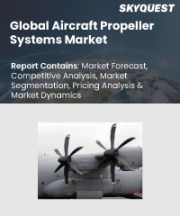
항공기 프로펠러 시스템은 대량의 공기를 특정 방향으로 가속시켜 항공기를 공중으로 추진시키는 데 사용됩니다. 이들은 피스톤 엔진 탑재기, 터보프롭기, 일부 시험기 및 특수용도 항공기 등 다양한 유형의 항공기에 채택되고 있습니다. 제트 엔진에 비해 구조가 간단하고 효율적이며 유지비가 저렴하다는 장점이 있습니다. 특히 저속 항공기, 단거리 이착륙(STOL), 연료 공급이 제한적일 수 있는 원격지에서의 운용에 적합합니다.
세계 항공 승객 수 증가, 상업용 항공 교통량 증가, 항공 산업의 괄목할만한 성장은 시장 성장을 가속하는 요인 중 일부입니다. 또한, 군사 분야에서 감시, 정찰, 화물 운송 및 훈련 훈련에서 항공기 프로펠러 시스템의 사용이 증가함에 따라 시장 성장을 가속하고 있습니다. 이와 더불어 대내외 위협으로부터 시민을 보호하기 위한 첨단 보안 및 감시 시스템에 대한 요구가 증가하고 있습니다. 여기에 더해 국경을 넘나드는 테러 활동, 마약 밀수, 불법 침입의 발생 건수가 증가하면서 항공기 프로펠러 시스템에 대한 수요를 촉진하고 있습니다. 또한, 성능에 최적화된 저연비 엔진에 대한 수요 증가가 시장 성장을 견인하고 있습니다. 이와 더불어 항공기의 안전과 성능 향상에 대한 관심이 높아지고 있습니다. 이와 더불어, 승객의 안전을 향상시키기 위해 가볍고 안전하며 신뢰할 수 있는 항공기 시스템에 대한 수요가 증가함에 따라 시장 전망이 밝아지고 있습니다.
항공기 프로펠러 시스템 시장 동향 및 촉진요인:
연료 효율성과 환경 지속가능성에 대한 관심 증가로 시장 성장 촉진
프로펠러 구동 항공기, 특히 터보프롭 항공기는 제트 엔진에 비해 연료 효율이 뛰어난 것으로 알려져 있습니다. 주행거리당 연료 소비가 적어 경제적이고 환경 친화적이라고 할 수 있습니다. 기후 변화에 대한 우려가 커지고 탄소배출량 감축이 요구되는 가운데, 항공사 및 항공기 운항 사업자들은 보다 친환경적인 대안을 적극적으로 모색하고 있습니다. 프로펠러 시스템은 제트 엔진에 비해 연료 소비를 줄이고, 온실 가스 배출을 줄이며, 탄소 발자국을 줄일 수 있어 매력적인 솔루션입니다. 이러한 수요는 항공 산업에서 친환경 기술 사용을 장려하기 위한 엄격한 규제와 조치에 의해 더욱 강화되고 있습니다.
조종사 확보 및 훈련의 용이성이 시장 성장을 가속합니다.
훈련과 조종사 확보는 항공기 프로펠러 시스템에 대한 수요를 견인하는 중요한 요소입니다. 프로펠러 비행기는 일반적으로 조종사 훈련, 특히 비행 학교와 항공 아카데미에서 조종사 훈련에 사용됩니다. 이 항공기는 미래의 조종사가 더 복잡한 제트기로 전환하기 전에 비행 경험을 쌓고 비행 시간을 기록할 수 있는 비용 효율적인 플랫폼을 제공합니다. 프로펠러 비행기로 훈련받은 조종사가 많다는 것은 훈련 분야에서 이러한 시스템에 대한 수요를 창출하고 있습니다. 또한, 조종사 확보가 어려운 지역이나 특정 훈련이 필요한 전문 운항에서는 해당 항공기에 정통한 조종사의 기존 전문 지식과 경험으로 인해 프로펠러 시스템에 대한 수요가 지속적으로 증가하고 있습니다. 이러한 요인은 항공 산업 훈련 및 조종사 공급 분야에서 항공기 프로펠러 시스템에 대한 지속적인 수요에 기여하고 있습니다.
지역 간 연결성과 단거리 운항 수요 증가가 시장에 긍정적인 영향을 미치고 있습니다.
프로펠러 항공기는 소규모 공항이나 지방의 목적지를 연결하는 데 적합합니다. 제트기에 비해 짧은 활주로에서의 운항이 우수하고 저속 영역에서의 성능도 우수합니다. 인프라가 미개발된 지역이나 항공 수요가 주로 단거리 노선에 집중되어 있는 지역에서 항공기 프로펠러 시스템은 비용 효율적이고 효율적인 솔루션을 제공합니다. 또한, 항공기 프로펠러 시스템은 구매 및 운영 비용이 상대적으로 낮기 때문에 서비스가 부족한 시장에서 사업을 확장하거나 확장하고자 하는 지역 항공사 및 전세 항공사에게 매력적인 선택이 될 수 있습니다.
목차
제1장 서문
제2장 조사 범위와 조사 방법
제3장 주요 요약
제4장 서론
제5장 세계의 항공기 프로펠러 시스템 시장
제6장 시장 분석 : 유형별
제7장 시장 분석 : 제품별
제8장 시장 분석 : 컴포넌트별
제9장 시장 분석 : 플랫폼별
제10장 시장 분석 : 엔진별
제11장 시장 분석 : 최종 용도별
제12장 시장 분석 : 지역별
제13장 SWOT 분석
제14장 밸류체인 분석
제15장 Porter의 Five Forces 분석
제16장 가격 분석
제17장 경쟁 구도
LSH 26.05.08The global aircraft propeller systems market size reached USD 381.1 Million in 2025. Looking forward, IMARC Group expects the market to reach USD 542.9 Million by 2034, exhibiting a growth rate (CAGR) of 3.89% during 2026-2034. The increasing number of air passengers worldwide, rising incidences of cross border terrorist activities, and the growing need for lightweight, safe, and reliable aircraft systems are some of the major factors propelling the market.
Aircraft propeller systems are used to propel an aircraft through the air by accelerating a large mass of air in a specific direction. They are available in various types of aircraft, including piston-powered airplanes, turboprop aircraft, and some experimental or specialized aircraft. They offer advantages, such as simplicity, efficiency, and lower maintenance costs as compared to jet engines. They are particularly suitable for slower-speed aircraft, short takeoff and landing operations, and operations in remote areas wherein fuel availability may be limited.
The increasing number of air passengers worldwide, rising commercial air traffic, and significant growth in the aviation industry are among the factors fueling the growth of the market. Moreover, the rising usage of aircraft propeller systems in the military sector for surveillance, reconnaissance, cargo transport, and training exercises is favoring the growth of the market. Apart from this, there is an increase in the need for advanced security and surveillance systems to rescue citizens from internal and external threats. This, coupled with the growing incidences of cross border terrorist activities, drug trafficking, and illegal trespassing, is catalyzing the demand for aircraft propeller systems. Furthermore, the increasing demand for fuel efficient engines with optimized performance is strengthening the growth of the market. Besides this, there is a rise in the focus on improving the safety and performance of aircraft. This, along with the growing need for lightweight, safe, and reliable aircraft systems to improve passenger safety, is creating a positive outlook for the market.
AIRCRAFT PROPELLER SYSTEMS MARKET TRENDS/DRIVERS:
Increasing focus on fuel efficiency and environment sustainability augmenting market growth
Propeller-driven aircraft, especially turboprops, are known for their superior fuel efficiency compared to jet engines. They consume less fuel per unit of distance traveled, which makes them more economical and environment friendly. With the growing concerns over climatic change and the need to reduce carbon emissions, airlines and aircraft operators are actively seeking greener alternatives. Propeller systems offer an attractive solution, as they reduce fuel consumption, lower greenhouse gas emissions, and leave a smaller carbon footprint as compared to jet engines. This demand is further fueled by stringent regulations and measures to incentivize the use of eco-friendly technologies in the aviation industry.
Easy pilot availability and training bolstering market growth
Training and pilot availability are essential factors driving the demand for aircraft propeller systems. Propeller-driven aircraft are generally used for pilot training, particularly in flight schools and aviation academies. These aircraft offer a cost-effective platform for aspiring pilots to gain flight experience and log hours before transitioning to more complex jet-powered aircraft. The availability of a large pool of pilots trained on propeller-driven aircraft creates a demand for such systems in the training sector. Additionally, in regions with limited pilot availability or in specialized operations wherein specific training is required, propeller systems continue to be in demand due to the existing expertise and experience of pilots familiar with these aircraft. This factor contributes to the sustained demand for aircraft propeller systems in the training and pilot supply segments of the aviation industry.
Growing need for regional connectivity and short haul operation influencing market positively
Propeller-driven aircraft are well-suited for connecting smaller airports and regional destinations. They excel in operating on shorter runways and offer better performance at lower speeds as compared to jet aircraft. In regions with less-developed infrastructure or where the demand for air travel is primarily focused on short-distance routes, aircraft propeller systems provide a cost-effective and efficient solution. Additionally, aircraft propeller systems are more affordable to purchase and operate, making them attractive for regional airlines and charter companies seeking to establish or expand their operations in underserved markets.
AIRCRAFT PROPELLER SYSTEMS INDUSTRY SEGMENTATION:
Breakup by Type:
- Fixed Pitch
- Variable Pitch
Fixed pitch dominates the aircraft propeller systems market
Fixed pitch propellers have blades with a fixed angle or pitch that cannot be adjusted during flight. They are commonly found in smaller general aviation aircraft and some low-speed applications. They offer simplicity, lower weight, and lower manufacturing and maintenance costs.
Variable pitch propellers, also known as controllable pitch propellers, have blades whose angle or pitch can be adjusted during flight. They can change the blade pitch and allow the propeller to maintain optimal performance across a wide range of flight conditions. They are typically operated through a hydraulic or electric mechanism that adjusts the blade angles. They provide improved performance, better climb and acceleration capabilities, greater fuel efficiency, and the ability to reverse thrust for braking on the ground.
Breakup by Product:
- Contra-Rotating Propeller
- Counter-Rotating Propeller
A contra-rotating propeller system, also known as a coaxial propeller system, consists of two propellers mounted on the same engine shaft, with one rotating in the opposite direction to the other. It eliminates the need for a large single propeller with long blades, which can experience tip speed limitations and efficiency losses. It is commonly used in high-performance military aircraft, such as fighter jets and some military transport aircraft. It can also be found in some advanced civilian aircraft, particularly those designed for high speeds or specialized applications where efficiency is critical.
A counter-rotating propeller system involves two separate propellers mounted on different engines or on separate shafts of the same engine, rotating in opposite directions. It operates independently and provides thrust in the opposite direction to the other. It is commonly used in twin-engine aircraft, both in general aviation and larger commercial aircraft. It provides enhanced maneuverability, reduced yawing tendencies, and improved control during engine-out situations.
Breakup by Component:
- Blade
- Spinner
- Hub
- Others
Blade dominates the aircraft propeller systems market
A blade is a vital component of an aircraft propeller system. It is the airfoil-shaped section that generates lift and thrust as it rotates through the air. It is made of lightweight materials, such as aluminum, composite materials, or wood, which depends on the type of aircraft and its operating conditions. It incorporates features, such as the blade airfoil shape, twist distribution along the length, and the angle of attack. It is usually mounted on the hub and secured with bolts or other fasteners.
The spinner is a streamlined, cone-shaped fairing that covers the hub and provides a smooth transition from the nose of the aircraft to the propeller assembly. It plays an essential role in reducing drag and improving aerodynamic efficiency. It is made of lightweight materials such as fiberglass or composite materials. It is designed to match the shape and contour of the propeller blades, which encloses the hub and contributes to the overall smooth airflow around the propeller system. It also protects the hub and other internal components from environmental elements.
The hub is the central component of an aircraft propeller system. It connects the individual propeller blades and transmits the power of the engine to the blades. It is responsible for transferring torque from the engine to the propeller, which allows it to rotate. It provides structural support and acts as a mounting point for the entire propeller assembly.
Breakup by Platform:
- Civil
- Military
Civil aircraft propeller systems are designed and used for civilian applications, including commercial airliners, general aviation aircraft, regional aircraft, and business jets. They are typically optimized for efficiency, reliability, and passenger comfort. They are engineered to meet stringent safety standards and undergo thorough certification processes. They are designed for extended service life, ease of maintenance, and operational reliability.
Military aircraft propeller systems are specifically developed for military applications, including combat aircraft, transport aircraft, reconnaissance aircraft, and specialized military operations. They are made to meet the unique requirements and demands of military missions. They prioritize performance, maneuverability, and reliability in challenging operational environments. They incorporate advanced features, such as variable pitch control, reversible thrust capability, and specialized coatings or materials for improved durability and stealth characteristics. They are also designed to withstand harsh conditions, including high altitudes, extreme temperatures, and exposure to sand, dust, and debris.
Breakup by Engine:
- Conventional
- Electric and Hybrid
Conventional dominate the aircraft propeller systems market
Conventional engines used in aircraft propeller systems provide the power necessary to rotate the propeller and generate thrust. They work on the principle of jet propulsion wherein air is compressed, mixed with fuel and ignited to produce hot expanding gases.
Hybrid propulsion systems combine conventional engines with electric motors. They focuses on increased efficiency, reduced emissions, and quieter operations. Hybrid engines offer benefits such as improved fuel efficiency, reduced emissions, and enhanced power management. They are being explored for various aircraft types, including regional aircraft and vertical takeoff and landing (VTOL) aircraft.
Breakup by End Use:
- OEM
- Aftermarket
Aftermarket hold the largest share in the aircraft propeller systems market
The aftermarket use of aircraft propeller systems involves the replacement or upgrade of propeller systems on aircraft that are already in service. Aftermarket propeller replacement ensures the continued airworthiness of the aircraft by enhancing aircraft capabilities and operational efficiency.
Aircraft propeller systems are used in the OEM sector for their incorporation into newly manufactured aircraft. OEMs are responsible for designing, developing, and producing aircraft, including the selection and installation of appropriate propeller systems. OEMs work closely with propeller system manufacturers to ensure compatibility, performance, and safety. OEMs collaborate with propeller manufacturers to meet regulatory requirements, undergo certification processes, and ensure that the propeller system complies with applicable industry standards.
Breakup by Region:
- North America
- United States
- Canada
- Asia-Pacific
- China
- Japan
- India
- South Korea
- Australia
- Indonesia
- Others
- Europe
- Germany
- France
- United Kingdom
- Italy
- Spain
- Russia
- Others
- Latin America
- Brazil
- Mexico
- Others
- Middle East and Africa
North America exhibits a clear dominance, accounting for the largest aircraft propeller systems market share
The report has also provided a comprehensive analysis of all the major regional markets, which include North America (the United States and Canada); Asia Pacific (China, Japan, India, South Korea, Australia, Indonesia, and others); Europe (Germany, France, the United Kingdom, Italy, Spain, Russia, and others); Latin America (Brazil, Mexico, and others); and the Middle East and Africa. According to the report, North America accounted for the largest market share.
The increasing demand for charter and air taxi services is catalyzing the demand for aircraft propeller systems to provide cost effective solutions for short haul flights in the North America region. The rising use of aircraft propeller systems for bush flying and providing access to remote locations for activities such as hunting, fishing, and adventure tourism is favoring the growth of the market in the region. Besides this, the growing adoption of aircraft propeller systems by law enforcement agencies and government agencies for surveillance operations is influencing the market positively in the region.
Asia Pacific is estimated to expand in this domain, owing to the increasing air travel activities, rising demand for pilot training facilities, and the growing use in disaster relief operations in the region.
COMPETITIVE LANDSCAPE:
The leading companies are using advanced composite materials, such as carbon fiber-reinforced polymers (CFRP), in propeller blades that facilitates lighter, stronger, and more aerodynamically efficient designs. They offer improved fatigue resistance, reduced weight, and better resistance to corrosion and erosion. Moreover, key players are integrating advanced sensors and monitoring systems to enable real time health monitoring and condition-based maintenance. These systems provide data on the performance, stress levels, and potential damage of propeller components, which allows for proactive maintenance and reduce downtime.
The report has provided a comprehensive analysis of the competitive landscape in the global aircraft propeller systems market. Detailed profiles of all major companies have also been provided. Some of the key players in the market include:
- Aerosila
- Airmaster Propellers
- Dowty (GE Aerospace)
- DUC Helices Propellers
- E-Props Propellers
- FP propeller
- GSC Systems
- Hartzell Propeller
- Hercules Propellers Ltd
- McCauley Propeller
- MT-Propeller Entwicklung GmbH
- Peter de Necker
- Sensenich Propeller Company
- Whirl Wind Propellers Corporation
KEY QUESTIONS ANSWERED IN THIS REPORT
1. What was the size of the global aircraft propeller systems market in 2025?
2. What is the expected growth rate of the global aircraft propeller systems market during 2026-2034?
3. What are the key factors driving the global aircraft propeller systems market?
4. What has been the impact of COVID-19 on the global aircraft propeller systems market?
5. What is the breakup of the global aircraft propeller systems market based on the type?
6. What is the breakup of the global aircraft propeller systems market based on the component?
7. What is the breakup of the global aircraft propeller systems market based on engine?
8. What is the breakup of the global aircraft propeller systems market based on the end use?
9. What are the key regions in the global aircraft propeller systems market?
10. Who are the key players/companies in the global aircraft propeller systems market?
Table of Contents
1 Preface
2 Scope and Methodology
- 2.1 Objectives of the Study
- 2.2 Stakeholders
- 2.3 Data Sources
- 2.3.1 Primary Sources
- 2.3.2 Secondary Sources
- 2.4 Market Estimation
- 2.4.1 Bottom-Up Approach
- 2.4.2 Top-Down Approach
- 2.5 Forecasting Methodology
3 Executive Summary
4 Introduction
- 4.1 Overview
- 4.2 Key Industry Trends
5 Global Aircraft Propeller Systems Market
- 5.1 Market Overview
- 5.2 Market Performance
- 5.3 Impact of COVID-19
- 5.4 Market Forecast
6 Market Breakup by Type
- 6.1 Fixed Pitch
- 6.1.1 Market Trends
- 6.1.2 Market Forecast
- 6.2 Variable Pitch
- 6.2.1 Market Trends
- 6.2.2 Market Forecast
7 Market Breakup by Product
- 7.1 Contra-Rotating Propeller
- 7.1.1 Market Trends
- 7.1.2 Market Forecast
- 7.2 Counter-Rotating Propeller
- 7.2.1 Market Trends
- 7.2.2 Market Forecast
8 Market Breakup by Component
- 8.1 Blade
- 8.1.1 Market Trends
- 8.1.2 Market Forecast
- 8.2 Spinner
- 8.2.1 Market Trends
- 8.2.2 Market Forecast
- 8.3 Hub
- 8.3.1 Market Trends
- 8.3.2 Market Forecast
- 8.4 Others
- 8.4.1 Market Trends
- 8.4.2 Market Forecast
9 Market Breakup by Platform
- 9.1 Civil
- 9.1.1 Market Trends
- 9.1.2 Market Forecast
- 9.2 Military
- 9.2.1 Market Trends
- 9.2.2 Market Forecast
10 Market Breakup by Engine
- 10.1 Conventional
- 10.1.1 Market Trends
- 10.1.2 Market Forecast
- 10.2 Electric and Hybrid
- 10.2.1 Market Trends
- 10.2.2 Market Forecast
11 Market Breakup by End Use
- 11.1 OEM
- 11.1.1 Market Trends
- 11.1.2 Market Forecast
- 11.2 Aftermarket
- 11.2.1 Market Trends
- 11.2.2 Market Forecast
12 Market Breakup by Region
- 12.1 North America
- 12.1.1 United States
- 12.1.1.1 Market Trends
- 12.1.1.2 Market Forecast
- 12.1.2 Canada
- 12.1.2.1 Market Trends
- 12.1.2.2 Market Forecast
- 12.1.1 United States
- 12.2 Asia-Pacific
- 12.2.1 China
- 12.2.1.1 Market Trends
- 12.2.1.2 Market Forecast
- 12.2.2 Japan
- 12.2.2.1 Market Trends
- 12.2.2.2 Market Forecast
- 12.2.3 India
- 12.2.3.1 Market Trends
- 12.2.3.2 Market Forecast
- 12.2.4 South Korea
- 12.2.4.1 Market Trends
- 12.2.4.2 Market Forecast
- 12.2.5 Australia
- 12.2.5.1 Market Trends
- 12.2.5.2 Market Forecast
- 12.2.6 Indonesia
- 12.2.6.1 Market Trends
- 12.2.6.2 Market Forecast
- 12.2.7 Others
- 12.2.7.1 Market Trends
- 12.2.7.2 Market Forecast
- 12.2.1 China
- 12.3 Europe
- 12.3.1 Germany
- 12.3.1.1 Market Trends
- 12.3.1.2 Market Forecast
- 12.3.2 France
- 12.3.2.1 Market Trends
- 12.3.2.2 Market Forecast
- 12.3.3 United Kingdom
- 12.3.3.1 Market Trends
- 12.3.3.2 Market Forecast
- 12.3.4 Italy
- 12.3.4.1 Market Trends
- 12.3.4.2 Market Forecast
- 12.3.5 Spain
- 12.3.5.1 Market Trends
- 12.3.5.2 Market Forecast
- 12.3.6 Russia
- 12.3.6.1 Market Trends
- 12.3.6.2 Market Forecast
- 12.3.7 Others
- 12.3.7.1 Market Trends
- 12.3.7.2 Market Forecast
- 12.3.1 Germany
- 12.4 Latin America
- 12.4.1 Brazil
- 12.4.1.1 Market Trends
- 12.4.1.2 Market Forecast
- 12.4.2 Mexico
- 12.4.2.1 Market Trends
- 12.4.2.2 Market Forecast
- 12.4.3 Others
- 12.4.3.1 Market Trends
- 12.4.3.2 Market Forecast
- 12.4.1 Brazil
- 12.5 Middle East and Africa
- 12.5.1 Market Trends
- 12.5.2 Market Breakup by Country
- 12.5.3 Market Forecast
13 SWOT Analysis
- 13.1 Overview
- 13.2 Strengths
- 13.3 Weaknesses
- 13.4 Opportunities
- 13.5 Threats
14 Value Chain Analysis
15 Porters Five Forces Analysis
- 15.1 Overview
- 15.2 Bargaining Power of Buyers
- 15.3 Bargaining Power of Suppliers
- 15.4 Degree of Competition
- 15.5 Threat of New Entrants
- 15.6 Threat of Substitutes
16 Price Analysis
17 Competitive Landscape
- 17.1 Market Structure
- 17.2 Key Players
- 17.3 Profiles of Key Players
- 17.3.1 Aerosila
- 17.3.1.1 Company Overview
- 17.3.1.2 Product Portfolio
- 17.3.2 Airmaster Propellers
- 17.3.2.1 Company Overview
- 17.3.2.2 Product Portfolio
- 17.3.3 Dowty (GE Aerospace)
- 17.3.3.1 Company Overview
- 17.3.3.2 Product Portfolio
- 17.3.4 DUC Helices Propellers
- 17.3.4.1 Company Overview
- 17.3.4.2 Product Portfolio
- 17.3.5 E-Props Propellers
- 17.3.5.1 Company Overview
- 17.3.5.2 Product Portfolio
- 17.3.6 FP propeller
- 17.3.6.1 Company Overview
- 17.3.6.2 Product Portfolio
- 17.3.7 GSC Systems
- 17.3.7.1 Company Overview
- 17.3.7.2 Product Portfolio
- 17.3.8 Hartzell Propeller
- 17.3.8.1 Company Overview
- 17.3.8.2 Product Portfolio
- 17.3.9 Hercules Propellers Ltd
- 17.3.9.1 Company Overview
- 17.3.9.2 Product Portfolio
- 17.3.10 McCauley Propeller
- 17.3.10.1 Company Overview
- 17.3.10.2 Product Portfolio
- 17.3.11 MT-Propeller Entwicklung GmbH
- 17.3.11.1 Company Overview
- 17.3.11.2 Product Portfolio
- 17.3.12 Peter de Necker
- 17.3.12.1 Company Overview
- 17.3.12.2 Product Portfolio
- 17.3.13 Sensenich Propeller Company
- 17.3.13.1 Company Overview
- 17.3.13.2 Product Portfolio
- 17.3.14 Whirl Wind Propellers Corporation
- 17.3.14.1 Company Overview
- 17.3.14.2 Product Portfolio
- 17.3.1 Aerosila