|
시장보고서
상품코드
2014768
고밀도 폴리에틸렌 시장 : 형태별, 용도별, 유통 채널별 - 세계 예측(2026-2032년)High Density Polyethylene Market by Form, Application, Distribution Channel - Global Forecast 2026-2032 |
||||||
 360iResearch
고밀도 폴리에틸렌 시장은 2025년에 1,426억 1,000만 달러로 평가되었습니다. 2026년에는 1,548억 3,000만 달러로 성장하고 CAGR 10.16%를 나타내, 2032년까지 2,809억 1,000만 달러에 이를 것으로 예측됩니다.
| 주요 시장 통계 | |
|---|---|
| 기준 연도(2025년) | 1,426억 1,000만 달러 |
| 추정 연도(2026년) | 1,548억 3,000만 달러 |
| 예측 연도(2032년) | 2,809억 1,000만 달러 |
| CAGR(%) | 10.16% |
전략적 조달 및 제품 설계 선택에 영향을 미치는 고밀도 폴리에틸렌의 특성, 가공의 다양성 및 라이프사이클의 우선순위에 대한 기본 개요
고밀도 폴리에틸렌은 구조적으로 다재다능한 열가소성 수지로, 물리적 특성과 가공 유연성으로 인해 다양한 산업 및 민간 응용 분야를 지원합니다. 이 소재는 인장강도, 내화학성, 성형성의 균형이 우수하며, 압출 성형에서 회전 성형에 이르기까지 다양한 제조 방법을 지원합니다. 이를 통해 설계자와 공정 엔지니어는 내구성, 무게, 비용 측면에서 부품을 최적화할 수 있습니다. 동시에, 폴리머 원료 공급처의 변화와 촉매 기술의 발전으로 물성 제어가 더욱 정교해지고 있으며, 배합 설계자는 특정 최종 용도에 맞게 밀도, 분자량 분포, 내충격성 등을 미세 조정할 수 있습니다.
고밀도 폴리에틸렌 가치사슬 전반의 경쟁 우위 재정의, 새로운 기술 혁신, 순환 경제에 대한 요구, 공급망의 디지털화 등
고밀도 폴리에틸렌 산업은 기술 혁신, 순환 경제에 대한 요구, 그리고 진화하는 규제 상황에 힘입어 혁신적인 변화를 경험하고 있습니다. 촉매 설계 및 중합 제어의 발전으로 제조업체는 분자량 분포가 좁고 코모노머 배합이 최적화된 수지를 생산할 수 있게 되었으며, 그 결과 가공의 일관성과 최종 부품의 성능이 향상되었습니다. 동시에 자체 컴파운딩의 보급과 수지 제조업체와 컨버터 간의 전략적 제휴로 개발 주기가 단축되어 신제품 도입이 가속화되고 있습니다.
2025년 정책 조치에 따른 관세 주도 무역 재편 및 조달 대응, 고밀도 폴리에틸렌 조달 전략, 공급 안정성 및 다운스트림 공정 설계 접근 방식을 재구성하는 방법
2025년 시행된 미국의 관세 조치는 조달, 제조, 하류 유통의 각 단계에서 이해관계자들이 대응해야 할 새로운 변수를 가져왔습니다. 특정 수지 수입품 및 원료 관련 부품에 대한 관세 인상은 조달 경로의 상대적 경제성을 변화시켜 원료 구매자와 컨버터가 기존 공급업체와의 관계를 재검토하도록 유도하고 있습니다. 이에 따라 일부 기업들은 무역 정책의 변동 리스크를 줄이기 위해 국내 공급업체 및 근해 파트너의 인증을 가속화하고 있습니다.
수지 형태, 용도별 성능 요건, 유통 채널이 가치 창출 및 비즈니스 우선순위를 결정하는 방법을 파악할 수 있는 종합적인 세분화 중심 분석
세분화을 통해 수요 및 공급의 역학을 분해하면 가치가 어디에 축적되고 위험이 어디에 집중되어 있는지에 대한 실행 가능한 인사이트를 얻을 수 있습니다. 물리적 형태와 관련하여, 과립은 취급 효율과 안정적인 용융 거동으로 인해 전통적인 압출 및 사출 성형 공정에서 과립이 주요 원료로 남아 있습니다. 한편, 분말 등급은 특히 소결 및 특수 컴파운딩에서 특정 성형 공정 및 표면 마감를 가능하게 합니다. 형태가 다르면 컨버터 기지의 가공 라인 구성, 보관 물류 및 자재 이송에 대한 투자에 영향을 미치기 때문에 구매팀은 제품 설계 및 운영상의 제약에 따라 수지 형태 선택을 조정해야 합니다.
고밀도 폴리에틸렌 수요 요인, 규제 체계, 공급망 특성의 지역적 차이는 탄력성과 성장을 위해 지역별로 전략적인 접근을 필요로 합니다.
지역마다의 동향은 전략적 포지셔닝에 영향을 미치는 고유한 기회와 제약조건을 만들어내고 있습니다. 미주 지역에서는 탄탄한 자동차 및 포장 수요와 더불어 광범위한 석유화학 인프라가 통합된 가치사슬을 뒷받침하고 있습니다. 그러나 지역공급 탄력성은 국경 간 무역에 영향을 미치는 원자재 물류와 정책 전환에 점점 더 많은 영향을 받고 있습니다. 따라서 이 지역에서 사업을 운영하는 기업들은 제품의 연속성을 유지하고 지속가능성에 대한 약속을 이행하기 위해 공급업체 통합, 물류 중복성, 엔드투엔드 추적성을 우선시하고 있습니다.
통합된 제품 포트폴리오, 공동 개발 모델, 서비스 중심의 차별화가 전체 고밀도 폴리에틸렌 시장에서의 경쟁적 포지셔닝과 공급업체-컨버터 간 협력에 미치는 영향
고밀도 폴리에틸렌 분야 경쟁 구도는 통합 생산업체, 특수 수지 공급업체, 다운스트림 컨버터가 혼재되어 있으며, 기술 서비스, 품질 신뢰성 및 지속가능성 실적을 무기로 경쟁하고 있습니다. 주요 생산업체들은 재활용 소재와의 호환성을 고려하여 배합된 특수 공중합체 및 등급을 포함하여 보다 폭넓은 제품 포트폴리오를 제공함으로써 차별화를 꾀하고 있습니다. 반면, 다른 기업들은 대형 컨버터와 장기 계약을 체결하기 위해 운영 우수성과 공급 안정성에 초점을 맞추었습니다. 그 결과, 고도의 가공 능력과 사내 배합 노하우에 투자하는 컨버터는 제품 커스터마이징과 시장 출시 시간 단축을 통해 가치를 창출하고 있습니다.
고밀도 폴리에틸렌 사업에서 공급의 연속성을 보장하고, 재활용 소재의 통합을 가속화하며, 가공 효율을 향상시키기 위한 조달, 운영, R&D 리더를 위한 실용적인 전략 가이드
업계 리더는 단기적인 공급 안정성과 장기적인 지속가능성 및 혁신 목표의 균형을 맞추는 다각적인 전략을 채택해야 합니다. 우선, 대체 공급업체를 선정하고, 가능하면 니어쇼어링을 활용하여 조달처를 다변화하고, 무역정책 변동과 물류 혼란으로 인한 리스크를 줄일 수 있습니다. 동시에 수요 급증 시 공급의 연속성을 보장하기 위해 공동 재고 계획 및 생산 능력 확보 메커니즘을 포함한 공급업체와의 파트너십을 추진합니다.
주요 이해관계자와의 대화, 기술 문헌의 통합, 시나리오 기반 공급망 분석을 결합한 투명하고 반복 가능한 조사 방법을 통해 실용적인 결론을 도출합니다.
이 연구 결과는 업계 이해관계자들과의 1차 인터뷰, 고분자 과학 및 가공 관련 기술 문헌, 규제 분석, 그리고 공급망 전반에서 관찰 가능한 상업적 행동을 통합하여 도출되었습니다. 1차 조사에는 수지 제조업체, 컨버터, 브랜드 기업의 조달 책임자, 물류 사업자와의 논의를 통해 실제 의사결정 기준, 인증의 장애물, 서비스에 대한 기대치를 파악했습니다. 이러한 정성적 정보는 기술 백서 및 표준 문서와 대조하여 성능 매개변수 및 인증 요건을 정확하게 반영할 수 있도록 하였습니다.
장기적인 탄력성과 경쟁적 차별화를 위한 주요 원동력으로 공급 다각화, 재생 소재의 통합 및 비즈니스 민첩성을 강조하는 고밀도 폴리에틸렌의 전략적 과제 통합
고밀도 폴리에틸렌은 기술적 다양성, 비용 효율성 및 재활용 가능성으로 인해 앞으로도 다양한 산업 분야에서 그 중요성이 계속 유지될 기본 폴리머입니다. 그러나 기술 발전, 규제 압력 및 무역 정책의 변화로 인해 공급업체의 경제 상황과 고객의 요구 사항이 재구성됨에 따라 경쟁 환경은 변화하고 있습니다. 공급망 다각화, 재생 소재 통합에 대한 투자, 가공 역량 강화를 통해 적극적으로 적응하는 이해관계자들은 기회를 포착하고 혼란의 위험을 줄이는 데 있어 더 유리한 위치에 서게 될 것입니다.
자주 묻는 질문
목차
제1장 서문
제2장 조사 방법
제3장 주요 요약
제4장 시장 개요
제5장 시장 인사이트
제6장 미국의 관세 누적 영향(2025년)
제7장 AI의 누적 영향(2025년)
제8장 고밀도 폴리에틸렌 시장 : 형태별
제9장 고밀도 폴리에틸렌 시장 : 용도별
제10장 고밀도 폴리에틸렌 시장 : 유통 채널별
제11장 고밀도 폴리에틸렌 시장 : 지역별
제12장 고밀도 폴리에틸렌 시장 : 그룹별
제13장 고밀도 폴리에틸렌 시장 : 국가별
제14장 미국의 고밀도 폴리에틸렌 시장
제15장 중국의 고밀도 폴리에틸렌 시장
제16장 경쟁 구도
KTH 26.05.04The High Density Polyethylene Market was valued at USD 142.61 billion in 2025 and is projected to grow to USD 154.83 billion in 2026, with a CAGR of 10.16%, reaching USD 280.91 billion by 2032.
| KEY MARKET STATISTICS | |
|---|---|
| Base Year [2025] | USD 142.61 billion |
| Estimated Year [2026] | USD 154.83 billion |
| Forecast Year [2032] | USD 280.91 billion |
| CAGR (%) | 10.16% |
Foundational overview of high density polyethylene properties, processing versatility, and lifecycle priorities that shape strategic procurement and product design choices
High density polyethylene is a structurally versatile thermoplastic whose physical characteristics and processing flexibility underpin a wide range of industrial and consumer applications. The material's balance of tensile strength, chemical resistance, and formability supports diverse fabrication methods from extrusion to rotational molding, enabling designers and process engineers to optimize parts for durability, weight, and cost. In parallel, shifts in polymer feedstock sourcing and advances in catalyst technologies continue to refine property control, allowing formulators to fine-tune density, molecular weight distribution, and impact resistance for targeted end uses.
Beyond technical attributes, the polymer's lifecycle considerations increasingly drive purchasing and design decisions. Regulatory emphasis on recyclability, circular material streams, and reduced greenhouse gas intensity has elevated the importance of resin recyclability and compatibility with mechanical and chemical recycling streams. Consequently, procurement teams and product developers are evaluating upstream supply configurations alongside downstream recovery pathways to ensure product designs remain compliant and resilient.
Transitioning from material fundamentals to commercial realities, stakeholders must weigh processing efficiencies, supplier reliability, and certification requirements. As such, technical teams and business leaders are integrating cross-functional inputs-ranging from regulatory risk assessment to logistics planning-into their HDPE strategies, ensuring that material selection harmonizes with manufacturing capabilities and long-term sustainability commitments.
Emerging technological breakthroughs, circularity imperatives, and supply chain digitization that are collectively redefining competitive advantage across the HDPE value chain
The HDPE landscape is experiencing transformative shifts driven by technological innovation, circularity imperatives, and evolving regulatory regimes. Advances in catalyst design and polymerization control are enabling manufacturers to produce resins with narrower molecular weight distributions and tailored comonomer incorporation, which in turn improve processing consistency and final-part performance. At the same time, the proliferation of in-house compounding and strategic partnerships between resin producers and converters is shortening development cycles and accelerating new product introductions.
Concurrently, sustainability is reshaping the value chain. Demand signals favor resins that support mechanical recycling and expanded producer responsibility programs, prompting investment in post-consumer recyclate integration and improved traceability across supply chains. These dynamics are complemented by digitalization trends: data-driven quality control, predictive maintenance on extrusion lines, and supply chain visibility platforms are reducing variability and enabling rapid response to demand shifts. As a result, supply-side differentiation increasingly rests on the ability to offer reliable quality, compliant materials, and services that support circular economy objectives.
Finally, changing end-user priorities are influencing application development. Brand owners and large converters require documented recycled content and lower-carbon feedstocks, which is encouraging suppliers to offer portfolio segmentation that aligns with application-specific performance and sustainability thresholds. In sum, innovation, regulatory pressure, and customer expectations are converging to redefine competitive advantage in the HDPE ecosystem.
How tariff-driven trade realignments and procurement adaptations following 2025 policy actions are reshaping HDPE sourcing strategies, supply security, and downstream design approaches
United States tariff actions implemented in 2025 have introduced a new set of variables that stakeholders must navigate across procurement, manufacturing, and downstream distribution. Heightened duties on select resin imports and feedstock-linked components have altered the relative economics of sourcing routes, prompting raw material buyers and converters to reassess established supplier relationships. As a consequence, some players are accelerating qualification of domestic suppliers or nearshore partners to mitigate exposure to trade policy volatility.
The cumulative impact is visible in altered trade flows and procurement strategies. Import-dependent converters facing elevated landed costs have sought longer-term contracts with integrated producers or shifted sourcing to regions where tariff exposure is lower. Simultaneously, domestic producers and regional distributors have gained leverage to negotiate differentiated service-level agreements, including inventory commitments and priority allocation for critical resins. These shifts have also prompted investment in onshore capacity expansions and retrofits to increase feedstock flexibility and reduce import dependence.
Downstream industries such as packaging, automotive components, and infrastructure products are responding by revising bill-of-materials strategies and increasing focus on design for material efficiency and recyclability. In addition, heightened policy uncertainty has elevated the importance of scenario planning; companies that proactively model tariff-driven cost trajectories and alternate sourcing paths can better protect margins and maintain production continuity. Ultimately, the 2025 tariff environment underscores the need for diversified sourcing, deeper supplier collaboration, and tactical inventory management.
Comprehensive segmentation-driven analysis revealing how resin form, application-specific performance needs, and distribution channels determine value capture and operational priorities
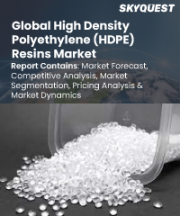
Deconstructing demand and supply dynamics through segmentation yields actionable insights into where value accrues and where risk concentrates. In terms of physical form, granules remain the dominant feedstock for conventional extrusion and injection processes due to their handling efficiency and consistent melt behavior, whereas powder grades enable specific molding processes and surface finishes, particularly for sintering and specialty compounding. Variations in form implicate processing line configuration, storage logistics, and material-handling investments at converter sites, and thus purchasing teams must align resin form selection with both product design and operational constraints.
Across applications, HDPE supports a spectrum of industries with distinct performance and regulatory demands. In agriculture, greenhouse films, irrigation pipes, and mulching films require UV stability, long-term flexibility, and cost-effective production methods; in automotive applications, components, exterior parts, and underbody parts demand impact resistance, dimensional stability, and consistent supplier qualification. Consumer goods such as household goods, sports equipment, and toys place emphasis on aesthetics, toughness, and compliance with safety standards. Electrical and electronics applications-casings, connectors, and insulation components-require tight dielectric properties and flame-retardant profiles. In healthcare, medical equipment and packaging materials focus on sterilization compatibility and traceability. Packaging segments such as bottles and containers, caps and closures, films and sheets, and liners and bags prioritize barrier properties, processability, and recyclability. Pipes and fittings spanning gas distribution, sewage, and water supply demand long-term mechanical integrity and regulatory certifications.
Distribution channels also materially affect commercial strategies. Direct sales relationships enable customized formulations and volume commitments, distributors provide regional reach and inventory buffering that supports smaller converters, and e-commerce channels are emerging as a convenience route for specialty or lower-volume purchasers. Together, these segmentation lenses inform product development priorities, supplier selection, and route-to-customer models, allowing companies to tailor propositions to the unique technical and commercial needs of each subsegment.
Geographic differentiation in HDPE demand drivers, regulatory regimes, and supply chain characteristics that require region-specific strategic approaches for resilience and growth
Regional dynamics create differentiated opportunities and constraints that influence strategic positioning. In the Americas, strong automotive and packaging demand, coupled with an extensive petrochemical infrastructure, supports integrated value chains; however, regional supply resilience is increasingly tied to feedstock logistics and policy shifts that affect cross-border trade. As such, companies operating in this region prioritize supplier integration, logistical redundancy, and end-to-end traceability to maintain product continuity and meet sustainability commitments.
In Europe, Middle East & Africa, regulatory rigor on recyclability and chemical compliance drives product specifications and supplier certification practices. Brand owners and converters in these geographies require documented recycled content and chain-of-custody controls, which is prompting regional collaboration on recycling collection and processing capacity. Concurrently, investments in advanced recycling technologies and public-private initiatives to improve waste management systems are shaping long-term feedstock availability and material quality.
The Asia-Pacific region remains a growth engine for HDPE demand owing to expanding packaging, construction, and agricultural applications. Rapid urbanization and infrastructural development drive demand for pipes and fittings, while consumer goods and e-commerce expansion stimulate packaging innovation. Nevertheless, supply dynamics differ across subregions, and companies must navigate a mix of domestic production capabilities, import dependencies, and evolving environmental regulations. Collectively, these geographic distinctions require tailored commercial strategies that reflect local regulatory contexts, logistics realities, and end-user preferences.
How integrated product portfolios, collaborative development models, and service-driven differentiation are shaping competitive positioning and supplier-converter alliances across the HDPE landscape
Competitive dynamics in the HDPE space reflect a mix of integrated producers, specialty resin suppliers, and downstream converters that compete on technical service, quality reliability, and sustainability credentials. Leading producers differentiate by offering broader product portfolios that include specialized copolymers and grades formulated for recyclate compatibility, while others focus on operational excellence and supply reliability to win long-term contracts with large converters. In turn, converters that invest in advanced processing capabilities and in-house formulation expertise capture value through product customization and faster time-to-market.
Partnerships and vertical initiatives are increasingly common. Suppliers and converters enter collaborative development projects to co-engineer resin formulations and processing protocols that reduce scrap rates and enhance recycled content utilization. Such alliances accelerate qualification cycles and mitigate technical risk for major brand owners. Additionally, some companies emphasize digital services-quality traceability tools, predictive delivery platforms, and technical training programs-to create stickiness and reduce churn.
From a strategic standpoint, firms that combine robust technical support, sustainability-compliant product lines, and resilient logistics networks tend to command premium positioning among buyers who prioritize continuity and regulatory conformity. Consequently, making targeted investments in product stewardship, certification pathways, and customer service capabilities is central to sustaining competitive advantage in an environment where performance and sustainability both matter.
Actionable strategic playbook for procurement, operations, and R&D leaders to secure supply continuity, accelerate recyclate integration, and enhance processing efficiency in HDPE operations
Industry leaders should adopt a multi-pronged strategy that balances near-term supply security with longer-term sustainability and innovation objectives. First, diversify sourcing by qualifying alternative suppliers and leveraging nearshoring where feasible to reduce exposure to trade policy shifts and logistics disruptions. Concurrently, pursue supplier partnerships that include joint inventory planning and capacity reservation mechanisms to ensure continuity during demand surges.
Second, accelerate integration of recycled content by investing in feedstock traceability, contamination mitigation protocols, and trial programs that validate performance with higher levels of recyclate. Such investments will reduce regulatory risk and meet increasingly stringent brand-owner requirements. Third, optimize processing efficiency through targeted capital investments in advanced drying, extrusion control systems, and inline quality monitoring; these measures reduce scrap, improve throughput, and lower per-unit costs. Fourth, strengthen commercial offerings by bundling technical support, certification documentation, and lifecycle assessments that help customers meet compliance and sustainability goals. Fifth, enhance scenario planning capabilities by embedding trade policy and supply chain disruption simulations into procurement decision processes to enable rapid tactical shifts.
Finally, foster cross-functional teams that bridge procurement, engineering, sustainability, and commercial functions to ensure integrated decision-making. By aligning incentives and sharing data, companies can more effectively translate strategic initiatives into measurable operational outcomes and maintain competitive resilience.
Transparent and reproducible research methodology combining primary stakeholder engagement, technical literature synthesis, and scenario-based supply chain analysis to inform actionable conclusions
The research underpinning these insights synthesizes primary interviews with industry stakeholders, technical literature on polymer science and processing, regulatory analyses, and observable commercial behaviors across supply chains. Primary engagement included discussions with resin producers, converters, brand procurement leads, and logistics providers to capture real-world decision criteria, qualification hurdles, and service expectations. These qualitative inputs were triangulated with technical white papers and standards documentation to ensure an accurate reflection of performance parameters and certification requirements.
Analytical rigor was applied through comparative assessment of supply chain configurations, supplier service models, and application-specific performance needs. Trade policy impacts were evaluated by mapping tariff regimes onto existing trade flows and procurement strategies to determine plausible sourcing responses. Scenario planning techniques were used to explore potential outcomes under varying assumptions about policy duration, feedstock availability, and recycling infrastructure progress. Ethical research practices guided stakeholder engagement, ensuring confidentiality and balanced representation across value-chain participants.
The methodology prioritizes transparency and reproducibility: assumptions used in scenario analyses are documented, and the logical steps taken to derive strategic recommendations are traceable to the primary and secondary inputs. This approach ensures that findings are actionable and that decision-makers can adapt the analytical framework to their internal data and risk tolerance levels.
Synthesis of HDPE strategic imperatives emphasizing supply diversification, recyclate integration, and operational agility as key drivers of long-term resilience and competitive differentiation
High density polyethylene remains a foundational polymer whose technical versatility, cost-effectiveness, and recyclability potential will continue to sustain its broad industrial relevance. Nevertheless, the competitive landscape is evolving as technological refinements, regulatory pressures, and trade policy actions reshape supplier economics and customer requirements. Stakeholders that proactively adapt-by diversifying supply chains, investing in recyclate integration, and enhancing processing capabilities-will be better positioned to capture opportunities and mitigate disruption risks.
Looking forward, the confluence of sustainability imperatives and digital enablement will create new axes of differentiation. Suppliers that can demonstrate low-carbon feedstock pathways, documented recycled content, and reliable traceability will gain preferential access to brand owners and global converters. At the same time, converters that invest in process control and product design for recyclability will unlock new packaging and durable-goods applications that satisfy regulatory and consumer expectations. In this context, strategic agility, cross-functional collaboration, and investment in both technical and commercial capabilities are the most effective levers for sustained success.
Table of Contents
1. Preface
- 1.1. Objectives of the Study
- 1.2. Market Definition
- 1.3. Market Segmentation & Coverage
- 1.4. Years Considered for the Study
- 1.5. Currency Considered for the Study
- 1.6. Language Considered for the Study
- 1.7. Key Stakeholders
2. Research Methodology
- 2.1. Introduction
- 2.2. Research Design
- 2.2.1. Primary Research
- 2.2.2. Secondary Research
- 2.3. Research Framework
- 2.3.1. Qualitative Analysis
- 2.3.2. Quantitative Analysis
- 2.4. Market Size Estimation
- 2.4.1. Top-Down Approach
- 2.4.2. Bottom-Up Approach
- 2.5. Data Triangulation
- 2.6. Research Outcomes
- 2.7. Research Assumptions
- 2.8. Research Limitations
3. Executive Summary
- 3.1. Introduction
- 3.2. CXO Perspective
- 3.3. Market Size & Growth Trends
- 3.4. Market Share Analysis, 2025
- 3.5. FPNV Positioning Matrix, 2025
- 3.6. New Revenue Opportunities
- 3.7. Next-Generation Business Models
- 3.8. Industry Roadmap
4. Market Overview
- 4.1. Introduction
- 4.2. Industry Ecosystem & Value Chain Analysis
- 4.2.1. Supply-Side Analysis
- 4.2.2. Demand-Side Analysis
- 4.2.3. Stakeholder Analysis
- 4.3. Porter's Five Forces Analysis
- 4.4. PESTLE Analysis
- 4.5. Market Outlook
- 4.5.1. Near-Term Market Outlook (0-2 Years)
- 4.5.2. Medium-Term Market Outlook (3-5 Years)
- 4.5.3. Long-Term Market Outlook (5-10 Years)
- 4.6. Go-to-Market Strategy
5. Market Insights
- 5.1. Consumer Insights & End-User Perspective
- 5.2. Consumer Experience Benchmarking
- 5.3. Opportunity Mapping
- 5.4. Distribution Channel Analysis
- 5.5. Pricing Trend Analysis
- 5.6. Regulatory Compliance & Standards Framework
- 5.7. ESG & Sustainability Analysis
- 5.8. Disruption & Risk Scenarios
- 5.9. Return on Investment & Cost-Benefit Analysis
6. Cumulative Impact of United States Tariffs 2025
7. Cumulative Impact of Artificial Intelligence 2025
8. High Density Polyethylene Market, by Form
- 8.1. Granules
- 8.2. Powder
9. High Density Polyethylene Market, by Application
- 9.1. Agriculture
- 9.1.1. Greenhouse Films
- 9.1.2. Irrigation Pipes
- 9.1.3. Mulching Films
- 9.2. Automotive
- 9.2.1. Components
- 9.2.2. Exterior Parts
- 9.2.3. Underbody Parts
- 9.3. Consumer Goods
- 9.3.1. Household Goods
- 9.3.2. Sports Equipment
- 9.3.3. Toys
- 9.4. Electrical & Electronics
- 9.4.1. Casings
- 9.4.2. Connectors
- 9.4.3. Insulation Components
- 9.5. Healthcare
- 9.5.1. Medical Equipment
- 9.5.2. Packaging Materials
- 9.6. Packaging
- 9.6.1. Bottles & Containers
- 9.6.2. Caps & Closures
- 9.6.3. Films & Sheets
- 9.6.4. Liners & Bags
- 9.7. Pipes & Fittings
- 9.7.1. Gas Distribution Pipes
- 9.7.2. Sewage Pipes
- 9.7.3. Water Supply Pipes
10. High Density Polyethylene Market, by Distribution Channel
- 10.1. Direct Sales
- 10.2. Distributors
- 10.3. E-Commerce
11. High Density Polyethylene Market, by Region
- 11.1. Americas
- 11.1.1. North America
- 11.1.2. Latin America
- 11.2. Europe, Middle East & Africa
- 11.2.1. Europe
- 11.2.2. Middle East
- 11.2.3. Africa
- 11.3. Asia-Pacific
12. High Density Polyethylene Market, by Group
- 12.1. ASEAN
- 12.2. GCC
- 12.3. European Union
- 12.4. BRICS
- 12.5. G7
- 12.6. NATO
13. High Density Polyethylene Market, by Country
- 13.1. United States
- 13.2. Canada
- 13.3. Mexico
- 13.4. Brazil
- 13.5. United Kingdom
- 13.6. Germany
- 13.7. France
- 13.8. Russia
- 13.9. Italy
- 13.10. Spain
- 13.11. China
- 13.12. India
- 13.13. Japan
- 13.14. Australia
- 13.15. South Korea
14. United States High Density Polyethylene Market
15. China High Density Polyethylene Market
16. Competitive Landscape
- 16.1. Market Concentration Analysis, 2025
- 16.1.1. Concentration Ratio (CR)
- 16.1.2. Herfindahl Hirschman Index (HHI)
- 16.2. Recent Developments & Impact Analysis, 2025
- 16.3. Product Portfolio Analysis, 2025
- 16.4. Benchmarking Analysis, 2025
- 16.5. Borealis AG
- 16.6. Braskem S.A.
- 16.7. Chevron Phillips Chemical Company LLC
- 16.8. Dow Inc.
- 16.9. Exxon Mobil Corporation
- 16.10. Formosa Plastics Corporation
- 16.11. Hanwha Solutions Corporation
- 16.12. INEOS Group Holdings S.A.
- 16.13. LG Chem Ltd.
- 16.14. Lotte Chemical Corporation
- 16.15. LyondellBasell Industries N.V.
- 16.16. Mitsui Chemicals, Inc.
- 16.17. PTT Global Chemical Public Company Limited
- 16.18. Reliance Industries Limited
- 16.19. SABIC
- 16.20. Sumitomo Chemical Co., Ltd.
- 16.21. Tosoh Corporation
- 16.22. TotalEnergies SE