
|
시장보고서
상품코드
1889067
암 및 항체접합체에 관한 특허 동향 분석(2025년)Cancer & Antibody Conjugates Patent Landscape Analysis 2025 |
||||||
 KnowMade
ADC와 방사면역접합체가 암 치료의 새로운 시대를 개척
주요 특징
- PDF >100 슬라이드
- Excel 파일 : 3761건의 특허 패밀리
- 특허 공개의 경시 변화나 출원국을 포함한 지적 재산 동향
- 주요 특허권자의 순위
- 주요 진입기업의 지적재산 포지션과 특허 포트폴리오의 상대적 강점
- 세분화 : 항체(액체암, 액체암 단독, 고형암, 고형암 단독 - 출원에 근거한 세분화), 링커(절단 가능, 절단 불가능), 페이로드(약제, 방사성동위원소)
- 공동 연구 및 신규 진출기업의 분석
- 본 보고서에서 분석한 모든 특허를 포함한 Excel 데이터베이스(세분화 정보 및 최신 온라인 데이터베이스에 대한 하이퍼링크 : 법적 상태, 문서 등)
표적 세포 독성에 대한 항체 활용 : 암 접합체에 대한 전략적 인사이트
항체약물접합체(ADC) 및 방사면역접합체를 포함하는 암 및 항체접합체는 단일클론항체의 선택성과 저분자 약물 또는 방사성 핵종의 세포독성을 결합시킴으로써 고도로 표적화된 종양 세포의 살상을 실현하고 종양학 분야를 재구성하고 있습니다. 최근의 리뷰에 따르면 현재 세계적으로 약 15유형의 ADC가 혈액 악성 종양 및 고형 종양에 대해 승인되었으며, 200유형 이상의 ADC가 임상시험 중, 400유형 이상이 개발 중으로 보고되어, 이 치료법이 급속도로 확대되고 있음을 강조하고 있습니다. 또한 현대의 면역종양학 시대에 방사면역접합(RIC)에도 새로운 관심이 모아지고 있습니다. 비호지킨림프종에 대해 역사적으로 승인된 제품은 단 2가지이지만, 새로운 임상 데이터와 전임상 데이터를 통해 특히 다른 전신 및 면역 표적 요법과 함께 치료 방사선을 정밀하게 전달할 가능성이 밝혀지고 있습니다. 이러한 면역 접합체는 난치성 질환의 치료법 개척, 조기 치료 단계에의 적용 확대, 치료 진단 전략의 실현과 같은 새로운 길을 여는 한편, 독성, 내성 메커니즘, 방사성 동위 원소의 취급, 복잡한 제조 공정 등의 과제에도 직면하고 있습니다. 이러한 매우 역동적인 상황에서 주요 기업이 항체, 페이로드, 링커, 방사성 핵종, 표적 분자, 결합 기술에 대한 지적 재산을 어떻게 배치하는지 이해하는 것은 미래의 경쟁을 예측하고, 실시의 자유를 확보하여 항체 약물 접합체(ADC) 시장에서 전략적 결정을 이끌어내는 데 매우 중요합니다.
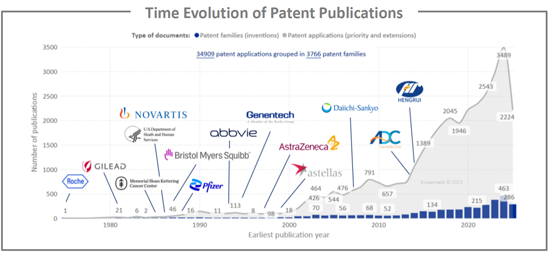
ADC 특허 공개의 경시 변화를 보면, 긴 탐색 단계를 거쳐 그 유효성이 임상적으로 실증되면 급격히 증가하는 경향을 보이고 있습니다. 1970년대 후반부터 2000년대 중반까지는 Roche나 학술암 센터 등 초기 파이오니어 기업을 중심으로 연간 불과 수건의 특허 패밀리만 출원되었습니다. 최초의 ADC 승인과 혈액 악성 종양 및 유방암에 있어서의 임상 탐색의 확대 후, 활동은 증가하기 시작해, 2010년 이후는 명백히 급변 곡선을 그리고 있습니다. 이는 임상 단계에 진입하는 ADC 증가와 차세대 제품의 단계적 승인(세계적으로 15개 승인된 ADC, 1500건 이상의 임상시험)과 일치합니다. 2018년부터 2024년까지 연간 출원 건수는 2배 이상으로 증가하여 연간 약 500건의 신규 특허 패밀리에 이르렀습니다. 이는 델크스테칸이나 고비테칸과 같은 고효력 토포이소머라제 1 표적 페이로드, 새로운 링커 기술과 부위 특이적 결합 기술, 혈액암에서 고형암으로의 적용 확대 등 집중적인 연구개발이 견인한 결과입니다. 이 기간에 있어서 기존의 유럽 및 북미의 제약기업(Roche/Genentech, Novartis, Pfizer, BMS, AbbVie, AstraZeneca, Gilead)에 가세해 전문 ADC 바이오테크 기업이나 Daiichi Sankyo, Hengrui 등의 급성장하는 아시아 기업도 참가해, 이 분야에서의 격렬한 세계의 경쟁과 활발한 라이선싱이 펼쳐지고 있습니다. 최근 수년간 약간의 피크 또는 횡보 경향과 패밀리 당 특허 출원 건수의 증가는 성숙하면서도 급속도로 혁신이 지속되는 ADC 시장에서 초기 기술 축적 단계에서 포트폴리오 통합과 지리적 확대로의 전환을 시사하고 있으며, 관련 항체-방사성 동위원소 접합체(ARC)로의 길을 열고 있습니다.
부문별 분석
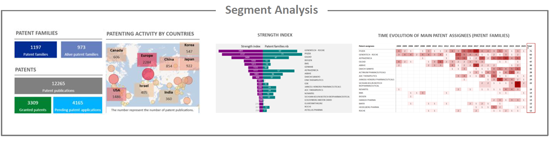
ADC 분야의 혁신 동향과 R&D 전략을 보다 명확하게 파악하기 위해 특허 상황을 세 가지 주요 기술 요소(항체, 링커, 페이로드)로 분류하였습니다. 각 성분은 ADC의 특이성, 안정성 및 치료 프로파일을 정의하는 데 중요한 역할을 합니다. 이 지적 재산 상황은 다음의 8가지 유형의 부문(항체(액체암, 액체암 단독, 고형암, 고형암 단독 - 출원에 근거한 세분화), 링커(절단 가능, 절단 불가능), 페이로드(약제, 방사성 동위체))로 분류됩니다.
지적 재산 상황에서 새롭게 상승한 기업 식별
이특이성 항체와 암과 관련된 특허 패밀리를 소유하는 기업 중에서 147개의 신규 참가 기업이 확인되었습니다. 이러한 기업은 신생 기업이거나 이 분야에서 최초로 기술을 개발하는 기존 기업입니다. 신규 진출기업의 대부분은 중국에 본사를 두고 있습니다(76개사). 이러한 혁신적인 기업 중 하나가 차세대 의료 유니콘이 되어 대기업이 인수를 모색할 수도 있습니다.
주요 진출기업의 지적 재산 프로파일
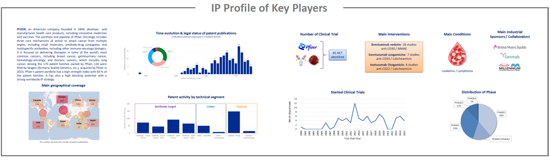
본 지적 재산 조사에서는 주요 참가 기업의 선정과 개요를 제공하고 있습니다. 주요 진출기업의 특허 포트폴리오 분석에는 권리자 정보, 특허 포트폴리오 개요, 특허 공개의 시간 경과에 따른 변화, 주요 지리적 커버리지, 기술 분야별 유효 특허가 포함됩니다. 지적 재산 프로파일의 개요에 이어 주요 특허의 기술적 내용의 설명과 임상시험을 정리한 표를 제공합니다.
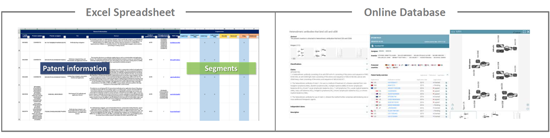
또한 본 보고서에는 본 조사에서 분석한 3761건의 특허 패밀리의 Excel 스프레드시트가 첨부되어 있습니다. 이 유용한 특허 데이터베이스는 특허 공개 번호, 원본 자료에 대한 하이퍼링크, 우선일, 제목, 요약, 특허권리자, 각 특허의 현재 법적 상태, 세분화 등 다양한 조건으로 검색이 가능합니다. 또한 각 특허 문서의 법적 상태가 업데이트되는 '특허 온라인 데이터베이스'도 포함되어 있습니다.
본 보고서에 언급된 기업(일부 발췌) :
|
|
|
등
목차
소개
- 항체 접합체의 정의
- 종양학에서의 최초 승인, 기회, 과제
- 조사 범위
- 특허 검색, 선택, 분석
- 검색 전략
- Excel 데이터베이스
- 리딩 가이드
주요 요약
특허 정세 개요
- 특허 공개의 시간적 변화
- 가장 많은 특허를 출원한 기업 순위
- 주요 진입기업의 현재 법적 지위
- 코퍼스의 특허법적 지위
- 현재 주요 IP 보유자 매핑
- 주된 특허 양수인의 시간적 변화
신규 참여자
- 중국 기업
- 기타 기업
주요 출원인의 IP 포지션
- 특허출원인의 지적재산 리더십
- 지적재산 선행기술 블로킹 특허 출원인의 잠재적 가능성
- 특허 인용
- 특허 포트폴리오의 강도 지수
특허 세분화
- 의미
- 기술별 주요 양도처
- 항체 부분
- 링커
- 페이로드 부분
주요 진출기업의 IP 프로파일
- 개요, 주요 특허, 임상시험
- Pfizer
- Genentech
- Roche
- AbbVie
- AstraZeneca Gilead
조사 방법
KNOWMADE 프레젠테이션
연락처
CSM 25.12.23ADC and Radioimmunoconjugates Ignite a New Era in Cancer Therapy
Key Features:
- PDF > 100 slides
- Excel file: 3761 patent families
- IP trends, including time evolution of published patents and countries of patent filings
- Ranking of main patent assignees
- Key players' IP position and relative strength of their patent portfolios
- Segmentation: Antibody (liquid cancer, liquid cancer only, solid cancer, solid cancer only-segmentation based on claims), Linker (cleavable, uncleavable) and Payload (drugs, radioisotopes).
- Analysis of collaborations and newcomers.
- Excel database containing all patents analyzed in the report, including segmentations + hyperlink to updated online database (legal status, documents, etc.)
Harnessing Antibodies for Targeted Cytotoxicity: Strategic Insights into Cancer Conjugates
Cancer antibody conjugates - encompassing antibody-drug conjugates (ADCs) and radioimmunoconjugates - are reshaping oncology by coupling the selectivity of monoclonal antibodies with the cytotoxic power of small-molecule drugs or radionuclides to achieve highly targeted tumor cell killing. Recent reviews report that around 15 ADCs are now approved worldwide for hematologic malignancies and solid tumors, while more than 200 additional ADCs are in clinical trials and over 400 are in development, underscoring the rapid expansion of this modality. In parallel, radioimmunoconjugates are experiencing renewed interest in the era of modern immuno-oncology: despite only two products historically approved for non-Hodgkin's lymphoma, new clinical and preclinical data highlight their potential to deliver therapeutic radiation with precision, particularly when combined with other systemic or immune-targeted therapies. Together, these immunoconjugates open avenues to treat refractory disease, expand into earlier lines of therapy and enable theragnostic strategies, while still facing challenges related to toxicity, resistance mechanisms, radioisotope handling and complex manufacturing. In this highly dynamic context, understanding how key players position their intellectual property on antibodies, payloads, linkers, radionuclides, targets and conjugation technologies is critical to anticipate future competition, secure freedom-to-operate and guide strategic decisions in the cancer antibody conjugate market.
The time evolution of ADC patent publications highlights a long exploratory phase followed by a steep acceleration once the modality was clinically validated. From the late 1970s to mid-2000s, only a handful of patent families were filed each year, mainly by early pioneers such as Roche and academic cancer centers. Activity begins to rise after the first ADC approvals and wider clinical exploration in hematologic malignancies and breast cancer, and then clearly inflects after 2010, in line with the growing number of ADCs entering the clinic and the progressive approval of next-generation products (15 approved ADCs worldwide and >1500 clinical trials). Between 2018 and 2024, annual filings more than double, reaching close to 500 new patent families per year, driven by intensive R&D on highly potent topoisomerase 1 based payloads such as deruxtecan and govitecan, new linker and site-specific conjugation technologies, and expansion from hematologic cancers into solid tumors. Over this period the landscape also broadens from traditional Western pharma (Roche/Genentech, Novartis, Pfizer, BMS, AbbVie, AstraZeneca, Gilead) to include specialized ADC biotechs and fast-growing Asian players such as Daiichi Sankyo and Hengrui, reflecting intense global competition and a strong licensing/partnering dynamic in this field. The slight peak or plateau in the most recent years, combined with the large number of patent applications per family, suggests a transition from early technology build-up to portfolio consolidation and geographic extension, in a maturing but still rapidly innovating ADC market that also paves the way for related antibody-radioisotope conjugates.
Analysis by segment
To better characterize innovation trends and R&D strategies in the ADC field, the patent landscape has been segmented into three main technological components: antibody, linker, and payload. Each component plays a crucial role in defining the specificity, stability, and therapeutic profile of an ADC. This IP landscape features the following 8 types of segmentation: Antibody (liquid cancer, liquid cancer only, solid cancer, solid cancer only - segmentation based on claims), Linker (cleavable, uncleavable) and Payload (drugs, radioisotopes).
Identifying the companies that have recently emerged in the IP landscape
Among the players owning patent families related to Bispecific Ab & cancer, 147 newcomers were identified. These companies are either start-up firms or established companies developing their first technology in the field. Most IP newcomers are based in China (76). It is possible that one of these innovative companies could become one of the next healthcare unicorns that the big corporations will be tempted to acquire.
IP profile of key players
This IP study includes a selection and description of main players. The patent portfolio analysis of main players includes a description of the assignee, patent portfolio description, time evolution of patent publication, main geographical coverage and live patents by technical segment. This IP profile overview is followed by the description of the technological content of their key patents and by a table with its clinical trials.
Moreover, the report includes an Excel spreadsheet with the 3761 patent families analyzed in this study. This useful patent database allows for multi-criteria searches and includes patent publication numbers, hyperlinks to the original documents, priority dates, titles, abstracts, patent assignees, each patent's current legal status and segmentation. The report also includes a Patent Online Database which legal status are updated for each patent document.
Companies mentioned in this report (non-exhaustive list):
|
|
|
etc.
TABLE OF CONTENTS
INTRODUCTION
- What are antibody conjugates?
- First approvals, opportunities & challenges in oncology
- Scope of the report
- Patent search, selection and analysis
- Search strategy
- Excel database
- Reading guide
EXECUTIVE SUMMARY
PATENT LANDSCAPE OVERVIEW
- Time evolution of patent publications
- Ranking of most prolific patent applicants
- Current legal status of the main players
- Patent legal status of the corpus
- Mapping of main current IP holders
- Time evolution of main patent assignees
NEWCOMERS
- Chinese companies
- Other companies
IP POSITION OF MAIN APPLICANTS
- IP leadership of patent applicants
- IP prior art blocking Potential of patent applicants
- Patent citation
- Strength index of patent portfolios
PATENT SEGMENTATION
- Definition
- Main assignees by technology
- antibody moiety
- Linker
- Payload moiety
IP PROFILE OF KEY PLAYERS
- Overview, key patents & clinical trials of:
- Pfizer
- Genentech
- Roche
- AbbVie
- AstraZeneca
- Gilead
METHODOLOGY
- Patent search
- Terminologies
- Key IP players
- Key patents
- selection and analysis


