|
시장보고서
상품코드
1878089
회생 브레이크 시장 - 예측(2025-2030년)Regenerative Braking Market - Forecasts from 2025 to 2030 |
||||||

회생 브레이크 시장은 2025년 72억 2,300만 달러에서 2030년까지 125억 2,100만 달러에 성장하여 CAGR(11.63%)를 달성할 것으로 예측됩니다.
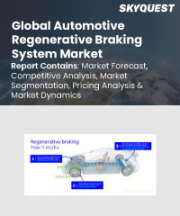
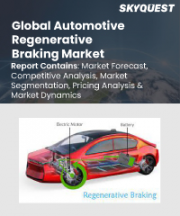
회생 제동 시스템(RBS)은 주행 중인 차량의 운동 에너지를 회수하여 전기 에너지로 변환하는 첨단 에너지 회수 메커니즘입니다. 이 변환된 에너지는 즉시 활용하거나 나중에 사용하기 위해 차량 배터리에 저장됩니다. 감속 시 운동 에너지를 전기 에너지로 변환하여 배터리 충전을 지원함으로써 차량 전체의 운영 효율을 향상시킵니다. 이 시스템은 구동계를 따라 전략적으로 설치되거나 구동 휠에 내장되어 자기장 또는 기계적 토크를 통해 휠의 움직임을 감지하고 에너지 회수 프로세스를 시작합니다.
회생 브레이크의 적용 범위는 기존 차량과 전기자동차 모두에 걸쳐 있으며, 그 기능은 특히 전기 파워트레인에서 독특하고 매우 중요합니다. 전기자동차(EV)에서는 제동 시 운동 에너지를 전기 에너지로 변환할 수 있습니다. 이렇게 회수된 에너지는 차량의 항속거리 연장에 직접적으로 기여합니다. 이러한 시스템 시장은 정부의 엄격한 배출가스 규제와 전 세계적으로 전기자동차에 대한 관심 증가 및 보급이 동시에 진행됨에 따라 시장이 활성화되고 있습니다. 전기자동차 수요 증가는 회생제동시스템 시장의 성장을 직접적으로 보완하는 형태로 나타나고 있습니다.
시장 확대를 견인하는 주요 요인으로는 연비 효율이 높은 차량에 대한 소비자 수요 증가와 자동차 배출가스로 인한 환경오염에 대한 우려 증가를 꼽을 수 있습니다. 또한, 대중 교통의 전기 솔루션 보급 확대와 전기 이륜차 부문의 지속적인 기술 발전은 시장 성장을 크게 촉진할 것으로 예측됩니다. 그러나 잠재적인 제약 요인으로는 전체 브레이크 시스템과 관련된 유지보수 비용 증가와 이러한 시스템이 차량에 추가하는 초기 비용과 무게 증가를 들 수 있습니다.
시장 부문 분석
회생제동장치 시장은 브레이크 시스템 유형, 차량 유형, 전기차 유형에 따라 구분되며, 각기 다른 성장 영역이 뚜렷하게 나타나고 있습니다.
브레이크 시스템 유형별:
이 시장은 유압식, 배터리식, 플라이휠식, 기타 시스템으로 분류됩니다. 유압 부문은 괄목할 만한 성장률을 보이며 큰 시장 점유율을 유지할 것으로 예측됩니다. 이러한 우위는 승용차 부문에서 유압식 회생 시스템의 급속한 보급에 힘입은 바 큽니다. 또한, 고부하 및 오프로드 응용 분야에서의 유압 시스템 사용 확대는 이 부문의 성장을 더욱 촉진할 것으로 예측됩니다. 특정 응용 분야에서 배터리 시스템보다 유압 시스템이 전반적으로 선호되는 경향이 이 부문을 주도하는 주요 요인입니다.
차량 유형별:
차량 유형별 세분화에는 승용차, 상용차, 이륜차, 기타가 포함됩니다. 상용차 부문은 눈에 띄는 성장률을 보일 것으로 예측됩니다. 이러한 지배적인 시장 점유율은 항속거리가 연장된 상용차에 대한 수요가 급증한 데 기인합니다. 이러한 주행거리 연장을 위해 상용차에 회생 제동 시스템을 장착하는 것이 보편화되고 있으며, 이는 이 부문 수요를 견인하고 있습니다.
전기차 유형별:
전기자동차 시장은 배터리 전기자동차(BEV), 하이브리드 전기자동차(HEV), 플러그인 하이브리드 전기자동차(PHEV)로 분류됩니다. 배터리 전기자동차 부문은 큰 시장 점유율을 차지하며, 괄목할 만한 성장률을 유지할 것으로 예측됩니다. 이러한 우위는 전 세계적인 순수 전기차의 보급 확대와 EV 배터리 기술의 급속한 발전으로 뒷받침되고 있습니다. 또한, 가속 및 감속 시 효율적인 에너지 전달을 보장하기 위한 초전도체 등 첨단 부품의 통합으로 BEV의 회생 제동 시스템의 적용 범위와 고도화가 진행되고 있습니다.
지역별 시장 전망
세계 회생 브레이크 시장은 북미, 남미, 유럽, 중동 및 아프리카, 아시아태평양으로 구분하여 분석됩니다.
북미는 엄격한 배출가스 규제로 인해 전기자동차에 대한 수요가 증가함에 따라 눈에 띄는 성장률을 보일 것으로 예측됩니다. 이 지역에는 유명 OEM이 집중되어 있어 시장 수요를 더욱 촉진할 것으로 예측됩니다.
유럽 역시 로버트 보쉬(Robert Bosch GmbH), 콘티넨탈(Continental AG)과 같은 기존 시장 기업의 존재와 저공해 차량을 우대하는 강력한 규제 프레임워크에 힘입어 상당한 성장이 예상되고 있습니다.
그러나 아시아태평양(APAC) 지역은 예측 기간 동안 가장 빠른 성장률을 보일 것으로 예측됩니다. 이러한 가속화된 성장은 가처분 소득 증가, 급속한 도시화, 미쓰비시, 히타치 등 주요 산업 기업의 존재 등의 요인에 기인하는 것으로 보입니다. 또한, 오염 억제를 위한 엄격한 환경 규제 시행으로 인해 이 지역의 전기차 수요가 크게 증가할 것으로 예상되며, 이에 따라 회생제동장치 시장도 확대될 것으로 예측됩니다.
경쟁 구도
시장 기업들은 연구개발에 대한 투자 확대를 통해 적극적으로 업계에 참여하고 있습니다. 전략적 초점은 시장 점유율을 확대하고 진화하는 최종 사용자의 요구를 충족시키기 위해 새롭고 혁신적인 제품을 출시하는 데에 있습니다. 여기에는 더 높은 회생률 달성 및 하이브리드화 솔루션 지원을 위한 시스템 개발이 포함되며, 경쟁이 치열하고 혁신이 주도하는 시장 환경을 보여주고 있습니다.
본 보고서의 주요 장점:
- 통찰력 있는 분석 : 주요 지역 및 신흥 지역을 포괄하는 상세한 시장 인사이트를 제공하며, 고객 부문, 정부 정책 및 사회경제적 요인, 소비자 선호도, 산업 분야, 기타 하위 부문에 초점을 맞추었습니다.
- 경쟁 구도 : 주요 기업들의 세계 전략 움직임을 이해하고, 적절한 전략을 통한 시장 침투 가능성을 파악합니다.
- 시장 성장 촉진요인 및 미래 동향 : 시장을 형성하는 역동적인 요인과 주요 트렌드, 그리고 이들이 향후 시장 발전에 미치는 영향을 살펴봅니다.
- 실천적 제안: 이러한 지식을 활용하여 전략적 의사결정을 내리고, 급변하는 환경 속에서 새로운 비즈니스 기회와 수익원을 발굴합니다.
- 스타트업, 연구기관, 컨설턴트, 중소기업, 대기업 등 다양한 독자층에게 유익하고 비용 대비 효과가 높은 내용입니다.
기업들은 어떤 목적으로 저희 보고서를 사용하나요?
산업 및 시장 분석, 기회 평가, 제품 수요 예측, 시장 진출 전략, 지역 확장, 자본 투자 결정, 규제 프레임워크 및 영향, 신제품 개발, 경쟁사 정보
보고서의 범위:
- 2022-2024년 과거 데이터 및 2025-2030년 예측 데이터
- 성장 기회, 과제, 공급망 전망, 규제 프레임워크, 트렌드 분석
- 경쟁사 포지셔닝, 전략, 시장 점유율 분석
- 국가를 포함한 부문별 및 지역별 매출 성장 및 예측 평가
- 기업 프로파일링(전략, 제품, 재무정보, 주요 발전 등)
회생 브레이크 시장 시장 세분화
- 회생제동 시장 : 브레이크 시스템 유형별
- 유압식
- 배터리
- 플라이휠
- 기타
- 재생 브레이크 시장 : 차량 유형별
- 승용차
- 상용차
- 오토바이
- 기타
- 전기차별 회생제동장치 시장 세계의
- 하이브리드 전기차(HEV)
- 배터리 전기자동차(BEV)
- 플러그인 하이브리드 전기차(PHEV)
- 지역별 회생 브레이크 시장 세계의
- 북미
- 미국
- 캐나다
- 멕시코
- 남미
- 브라질
- 아르헨티나
- 기타
- 유럽
- 독일
- 프랑스
- 영국
- 스페인
- 기타
- 중동 및 아프리카
- 사우디아라비아
- 아랍에미리트(UAE)
- 기타
- 아시아태평양
- 중국
- 인도
- 일본
- 한국
- 인도네시아
- 태국
- 기타
목차
제1장 주요 요약
제2장 시장 개요
- 시장 개요
- 시장의 정의
- 조사 범위
제2장 4.시장 세분화
제3장 비즈니스 상황
- 시장 성장 촉진요인
- 시장 성장 억제요인
- 시장 기회
- Porter의 Five Forces 분석
- 업계 밸류체인 분석
- 정책과 규제
- 전략적 제안
제4장 기술 전망
제5장 회생 브레이크 시장 : 브레이크 시스템 유형별
- 서론
- 유압식
- 배터리
- 플라이휠
- 기타
제6장 회생 브레이크 시장 : 차량 유형별
- 서론
- 승용차
- 상용차
- 이륜차
- 기타
제7장 회생 브레이크 시장 : 전기자동차별
- 서론
- 하이브리드 전기자동차(HEV)
- 배터리 전기자동차(BEV)
- 플러그인 하이브리드 전기자동차(PHEV)
제8장 회생 브레이크 시장 : 지역별
- 서론
- 북미
- 미국
- 캐나다
- 멕시코
- 남미
- 브라질
- 아르헨티나
- 기타
- 유럽
- 독일
- 프랑스
- 영국
- 스페인
- 기타
- 중동 및 아프리카
- 사우디아라비아
- 아랍에미리트(UAE)
- 기타
- 아시아태평양
- 중국
- 인도
- 일본
- 한국
- 인도네시아
- 태국
- 기타
제9장 경쟁 환경과 분석
- 주요 기업과 전략 분석
- 시장 점유율 분석
- 합병, 인수, 합의 및 협업
- 경쟁 대시보드
제10장 기업 개요
- Robert Bosch GmbH
- Continental AG
- ZF Friedrichshafen AG
- Hitachi Astemo, Ltd.
- BorgWarner Inc.
- Hyundai Mobis
- ADVICS Co. Ltd
- Mazda Motor Corporation
- Aisin Corporation
- Mitsubishi Motors Corporation
제11장 부록
- 통화
- 전제조건
- 기준연도 및 예측연도 타임라인
- 이해관계자에게 있어서의 주요 이점
- 조사 방법
- 약어
The regenerative braking market is expected to achieve a 11.63% CAGR, growing from USD 7.223 billion in 2025 to USD 12.521 billion by 2030.
A Regenerative Braking System (RBS) is an advanced energy recovery mechanism that captures the kinetic energy of a vehicle in motion and converts it into a usable form, typically electricity. This converted energy is either utilized immediately or stored in the vehicle's battery for later use. By transforming kinetic energy into electrical energy during deceleration, the system aids in charging the battery and enhances the overall operational efficiency of the vehicle. These systems are strategically installed along the drivetrain or fitted to the drive wheels, where they detect wheel motion through magnetic fields or mechanical torque to initiate the energy recovery process.
The application of regenerative braking spans both conventional and electric vehicles, though its function is particularly unique and critical for electric powertrains. In electric vehicles (EVs), it enables the conversion of kinetic energy into electrical energy during braking events. This recovered energy directly contributes to extending the vehicle's driving range. The market for these systems is being propelled by stringent government emission regulations and a concurrent rise in global awareness and adoption of electric vehicles. The growing demand for EVs has become a direct complement to the growth of the regenerative braking system market.
Key drivers fueling market expansion include the increasing consumer demand for fuel-efficient vehicles and rising concerns regarding environmental pollution from vehicular emissions. Furthermore, the growing adoption of electric solutions for public transport and continuous advancements in the electric two-wheeler segment are projected to significantly propel market growth. However, potential restraints include rising maintenance costs associated with the overall braking system and the increased initial cost and weight that these systems add to vehicles.
Market Segment Analysis
The regenerative braking market is segmented by braking system type, vehicle type, and electric vehicle type, revealing distinct areas of growth.
By Braking System Type:
The market is classified into Hydraulics, Battery, Flywheel, and other systems. The Hydraulics segment is anticipated to grow at a noteworthy rate and hold a significant market share. This dominant position is largely attributable to the rapid adoption of hydraulic regenerative systems within the passenger vehicle segment. Additionally, the growing use of hydraulic systems in high-duty and off-road applications is expected to further augment growth in this segment. The overall preference for hydraulic systems over battery-based systems in certain applications is a key factor driving this segment.
By Vehicle Type:
Segmentation by vehicle type includes Passenger Vehicles, Commercial Vehicles, Two-Wheelers, and others. The Commercial Vehicle segment is projected to propel at a noteworthy rate. Its dominant market share can be attributed to the rapidly increasing demand for commercial vehicles with an extended driving range. To achieve this extended range, the installation of regenerative braking systems in commercial vehicles is becoming more prevalent, thereby driving demand in this segment.
By Electric Vehicle Type:
For electric vehicles, the market is classified into Battery Electric Vehicles (BEVs), Hybrid Electric Vehicles (HEVs), and Plug-in Hybrid Electric Vehicles (PHEVs). The Battery Electric Vehicle segment is expected to hold a significant market share and grow at a notable rate. This dominance is driven by the growing global adoption of pure electric vehicles, coupled with rapid technological advancements in EV battery technology. Furthermore, the integration of advanced components like superconductors to ensure efficient energy transfer during acceleration and deceleration is increasing the application and sophistication of regenerative braking systems in BEVs.
Geographical Market Outlook
The global regenerative braking market is analyzed across North America, South America, Europe, the Middle East and Africa, and the Asia Pacific.
The North American region is expected to grow at a notable rate, supported by rising demand for electric vehicles driven by the presence of strict emission norms. The region's concentration of notable original equipment manufacturers (OEMs) is further estimated to propel market demand.
Europe is also projected to experience considerable growth, bolstered by the presence of established market players such as Robert Bosch GmbH and Continental AG, and a strong regulatory framework favoring low-emission vehicles.
However, the Asia Pacific (APAC) region is projected to grow at the fastest rate over the forecast period. This accelerated growth can be attributed to factors such as growing disposable income, rapid urbanization, and the presence of major industrial players like Mitsubishi and Hitachi. Moreover, the implementation of stringent environmental norms aimed at curbing pollution is expected to significantly augment the demand for electric vehicles in the region, thereby propelling the associated regenerative braking market.
Competitive Landscape
Market players are actively participating in the industry through increased investments in research and development. The strategic focus is on the launch of new and innovative products to expand market share and meet evolving end-user requirements. This includes developing systems aimed at achieving higher regeneration rates and supporting hybridization solutions, indicating a highly competitive and innovation-driven market environment.
Key Benefits of this Report:
- Insightful Analysis: Gain detailed market insights covering major as well as emerging geographical regions, focusing on customer segments, government policies and socio-economic factors, consumer preferences, industry verticals, and other sub-segments.
- Competitive Landscape: Understand the strategic maneuvers employed by key players globally to understand possible market penetration with the correct strategy.
- Market Drivers & Future Trends: Explore the dynamic factors and pivotal market trends and how they will shape future market developments.
- Actionable Recommendations: Utilize the insights to exercise strategic decisions to uncover new business streams and revenues in a dynamic environment.
- Caters to a Wide Audience: Beneficial and cost-effective for startups, research institutions, consultants, SMEs, and large enterprises.
What do businesses use our reports for?
Industry and Market Insights, Opportunity Assessment, Product Demand Forecasting, Market Entry Strategy, Geographical Expansion, Capital Investment Decisions, Regulatory Framework & Implications, New Product Development, Competitive Intelligence
Report Coverage:
- Historical data from 2022 to 2024 & forecast data from 2025 to 2030
- Growth Opportunities, Challenges, Supply Chain Outlook, Regulatory Framework, and Trend Analysis
- Competitive Positioning, Strategies, and Market Share Analysis
- Revenue Growth and Forecast Assessment of segments and regions including countries
- Company Profiling (Strategies, Products, Financial Information, and Key Developments among others.
Regenerative Braking Market Segmentation
- REGENERATIVE BRAKING MARKET BY BRAKING SYSTEM TYPE
- Hydraulics
- Battery
- Flywheel
- Others
- REGENERATIVE BRAKING MARKET BY VEHICLE TYPE
- Passenger Vehicle
- Commercial Vehicle
- Two-Wheelers
- Others
- REGENERATIVE BRAKING MARKET BY ELECTRIC VEHICLE
- Hybrid Electric Vehicles (HEV)
- Battery Electric Vehicle (BEV)
- Plug-In Hybrid Electric Vehicle (PHEV)
- REGENERATIVE BRAKING MARKET BY GEOGRAPHY
- North America
- USA
- Canada
- Mexico
- South America
- Brazil
- Argentina
- Others
- Europe
- Germany
- France
- United Kingdom
- Spain
- Others
- Middle East and Africa
- Saudi Arabia
- UAE
- Others
- Asia Pacific
- China
- India
- Japan
- South Korea
- Indonesia
- Thailand
- Others
TABLE OF CONTENTS
1. EXECUTIVE SUMMARY
2. MARKET SNAPSHOT
- 2.1. Market Overview
- 2.2. Market Definition
- 2.3. Scope of the Study
2.4. Market Segmentation
3. BUSINESS LANDSCAPE
- 3.1. Market Drivers
- 3.2. Market Restraints
- 3.3. Market Opportunities
- 3.4. Porter's Five Forces Analysis
- 3.5. Industry Value Chain Analysis
- 3.6. Policies and Regulations
- 3.7. Strategic Recommendations
4. TECHNOLOGICAL OUTLOOK
5. REGENERATIVE BRAKING MARKET BY BRAKING SYSTEM TYPE
- 5.1. Introduction
- 5.2. Hydraulics
- 5.3. Battery
- 5.4. Flywheel
- 5.5. Others
6. REGENERATIVE BRAKING MARKET BY VEHICLE TYPE
- 6.1. Introduction
- 6.2. Passenger Vehicle
- 6.3. Commercial Vehicle
- 6.4. Two-Wheelers
- 6.5. Others
7. REGENERATIVE BRAKING MARKET BY ELECTRIC VEHICLE
- 7.1. Introduction
- 7.2. Hybrid Electric Vehicles (HEV)
- 7.3. Battery Electric Vehicle (BEV)
- 7.4. Plug-In Hybrid Electric Vehicle (PHEV)
8. REGENERATIVE BRAKING MARKET BY GEOGRAPHY
- 8.1. Introduction
- 8.2. North America
- 8.2.1. USA
- 8.2.2. Canada
- 8.2.3. Mexico
- 8.3. South America
- 8.3.1. Brazil
- 8.3.2. Argentina
- 8.3.3. Others
- 8.4. Europe
- 8.4.1. Germany
- 8.4.2. France
- 8.4.3. United Kingdom
- 8.4.4. Spain
- 8.4.5. Others
- 8.5. Middle East and Africa
- 8.5.1. Saudi Arabia
- 8.5.2. UAE
- 8.5.3. Others
- 8.6. Asia Pacific
- 8.6.1. China
- 8.6.2. India
- 8.6.3. Japan
- 8.6.4. South Korea
- 8.6.5. Indonesia
- 8.6.6. Thailand
- 8.6.7. Others
9. COMPETITIVE ENVIRONMENT AND ANALYSIS
- 9.1. Major Players and Strategy Analysis
- 9.2. Market Share Analysis
- 9.3. Mergers, Acquisitions, Agreements, and Collaborations
- 9.4. Competitive Dashboard
10. COMPANY PROFILES
- 10.1. Robert Bosch GmbH
- 10.2. Continental AG
- 10.3. ZF Friedrichshafen AG
- 10.4. Hitachi Astemo, Ltd.
- 10.5. BorgWarner Inc.
- 10.6. Hyundai Mobis
- 10.7. ADVICS Co. Ltd
- 10.8. Mazda Motor Corporation
- 10.9. Aisin Corporation
- 10.10. Mitsubishi Motors Corporation
11. APPENDIX
- 11.1. Currency
- 11.2. Assumptions
- 11.3. Base and Forecast Years Timeline
- 11.4. Key Benefits for the Stakeholders
- 11.5. Research Methodology
- 11.6. Abbreviations