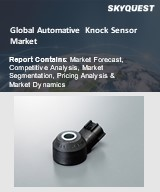
|
시장보고서
상품코드
1878409
노크 센서 시장 : 예측(2025-2030년)Knock Sensor Market - Forecasts from 2025 to 2030 |
||||||

노크 센서 시장은 2025년 8억 633만 달러에서 2030년까지 10억 1,636만 4,000달러에 이르고, CAGR 4.74%로 확대될 것으로 예측됩니다.
노크 센서 시장은 예측 기간 동안 꾸준히 성장할 것으로 예측됩니다. 이는 연비 효율이 높은 파워트레인에 대한 수요 증가, 배기가스 규제 강화, 전 세계 자동차 생산량 급증, 건설 및 산업 분야의 중장비에 대한 요구 증가 등의 요인에 힘입은 것입니다. 노크 센서는 내연기관에서 중요한 변환기 역할을 하며, 압전 공진식 또는 비공진식 메커니즘을 통해 이상 연소 현상(노크 또는 퍽스)을 감지하여 실시간 신호를 엔진 제어 장치(ECU)에 전달합니다. ECU는 점화 시기와 연료 공급량을 동적으로 재조정하고 비정상적인 연소를 억제하여 실린더의 건전성을 보호하고 열 효율을 최적화하며 부품 수명을 연장합니다. 자동차, 건설, 산업 생태계 전반에 걸쳐 사용되는 이 센서는 정확성, 내구성, 배기가스 제어가 융합된 현대 엔진 관리 아키텍처에 필수적입니다.
주요 성장 요인은 자동차 생산과 건설 부문의 모멘텀 가속화에 있으며, 모두 노크 센서의 통합을 촉진하고 있습니다. 승용차 및 상용차에서 노크 센서는 노크 대책의 기초를 형성하고, 높은 압축비 및 과급 환경에서 피스톤 크라운의 마모, 베어링 과부하 및 치명적인 고장을 줄일 수 있습니다. 노크 센서는 안전한 범위 내에서 적극적인 점화 타이밍과 린번 조정을 가능하게 함으로써 연료 소비율, 체적 효율, 배기가스 배출량을 직접적으로 개선합니다. 이는 유로 7 및 CAFE 표준과 같은 세계 규제 프레임워크의 필수 요건입니다. 건설기계 및 산업기계(발전기, 굴삭기, 컴프레서, 자재운반차 등)의 동시 보급 확대에 따라 엔진은 과도부하, 변동하는 고도, 오염된 연료 등 노킹 발생 위험이 높은 스트레스 요인에 노출되어 있습니다. 이러한 환경에서 노크 센서는 가혹한 조건에서 적응형 제어를 강제하여 예기치 않은 다운타임을 최소화하고, 수명주기 동안 유지보수 부담을 줄이며, 미션 크리티컬한 용도의 연속성을 보장합니다. 미국 장비제조업체협회(AEM)의 보고서에 따르면, 2020년부터 2021년까지 북미 산업 및 중장비 판매량은 전년 대비 6% 증가했으며, 이는 첨단 센서 제품군을 통합한 자본 장비의 업데이트 주기가 지속되고 있음을 보여줍니다.
지역별로는 아시아태평양이 시장의 대부분을 차지할 것으로 예측됩니다. 이는 중국, 한국, 인도의 자동차 산업의 급격한 성장과 더불어 배출가스 규제와 효율성에 대한 엄격한 정부 지침, 그리고 활발한 인프라 개발이 주도하고 있습니다. 중국의 '자동차 산업 발전 계획(2021-2025)'은 차세대 파워트레인 기술을 우선시하며, 규제 준수 및 성능 최적화를 위해 노크 감지를 포함한 첨단 엔진 관리 시스템을 의무화하고 있습니다. 인도의 생산연동형 장려금 제도(PLI)는 자동차를 포함한 10개 업종에 총 51,311카로인디르피를 배분하여 노크센서를 포함한 고부가가치 부품의 현지 생산을 촉진함. 이를 통해 공급망 심화와 원가 경쟁력 강화를 도모하고 있습니다. 한국의 '한국판 뉴딜'은 5년간 1조 7,000억 원(약 14억 달러)을 첨단 파워트레인 연구개발에 투입하고, 내연기관, 하이브리드, 주행거리 연장 플랫폼에서 센서를 활용한 효율 향상이라는 명확한 목표를 설정하고 있습니다. 이러한 국가 주도의 산업 정책은 인구의 도시화와 차량 전동화 전환과 맞물려 아시아태평양을 노크 센서 수요 증가의 중심지로 자리매김하고 있습니다.
요약하면, 규제 주도의 효율성 향상 요구, 자동차 생산의 급증, 중장비에 대한 내성 요구, 그리고 아시아태평양의 정책 추진형 제조 생태계가 시너지 효과를 발휘하여 노크 센서 시장의 성장을 뒷받침하는 견고한 기반을 구축하고 있습니다. 이러한 상호 연관된 요소들은 단기적인 물량 확대뿐만 아니라, 환경 규제와 운영 제약이 강화되는 시대에 승용차, 상용차, 오프로드 차량 등 모든 영역에서 적응성이 높고 내구성이 뛰어난 연소 제어 및 안전 성능을 보장하는 데 있어 노크 센서가 필수적인 요소로 자리 잡게 될 것임을 의미합니다. 필수적인 요소로 자리 잡았음을 의미합니다.
본 보고서의 주요 장점:
- 통찰력 있는 분석 : 주요 지역 및 신흥 지역을 포괄하는 상세한 시장 인사이트를 제공하며, 고객 부문, 정부 정책 및 사회경제적 요인, 소비자 선호도, 산업 수직 분야, 기타 하위 부문에 초점을 맞추었습니다.
- 경쟁 구도: 주요 기업들의 세계 전략 움직임을 이해하고, 적절한 전략을 통한 시장 진입 가능성을 파악합니다.
- 시장 성장 촉진요인과 미래 동향 : 시장을 움직이는 역동적인 요소와 주요 트렌드, 그리고 이들이 향후 시장 발전을 어떻게 형성할 것인지에 대해 알아봅니다.
- 실행 가능한 제안: 이러한 통찰력을 활용하여 전략적 의사결정을 내리고, 역동적인 환경에서 새로운 비즈니스 스트림과 수익원을 창출할 수 있도록 도와드립니다.
- 스타트업, 연구기관, 컨설턴트, 중소기업, 대기업 등 다양한 독자층에게 유익하고 비용 대비 효과가 높은 내용입니다.
어떤 용도로 사용하시나요?
산업 및 시장 분석, 기회 평가, 제품 수요 예측, 시장 진출 전략, 지역 확장, 자본 투자 결정, 규제 프레임워크 및 영향, 신제품 개발, 경쟁사 정보
조사 범위:
- 2022-2024년 과거 데이터 및 2025-2030년 예측 데이터
- 성장 기회, 과제, 공급망 전망, 규제 프레임워크, 트렌드 분석
- 경쟁사 포지셔닝, 전략, 시장 점유율 분석
- 국가를 포함한 부문별 및 지역별 매출 성장 및 예측 평가
- 기업 프로파일링(전략, 제품, 재무정보, 주요 발전 등)
목차
제1장 주요 요약
제2장 시장 현황
- 시장 개요
- 시장의 정의
- 조사 범위
제3장 비즈니스 상황
- 시장 성장 촉진요인
- 시장 성장 억제요인
- 시장 기회
- Porter의 Five Forces 분석
- 업계 밸류체인 분석
- 정책 및 규제
- 전략적 제안
제4장 기술 전망
제5장 노크 센서 시장 : 유형별
- 서론
- 유도식 센서
- 압전식
- 압전 공진식
- 압전 비공진식
- 기타
제6장 노크 센서 시장 : 차종별
- 서론
- 승용차
- 상용차
- 경자동차
- 대형차
제7장 노크 센서 시장 : 연료 유형별
- 서론
- 가솔린
- 디젤
- 기타
제8장 노크 센서 시장 : 판매채널별
- 서론
- OEM
- 애프터마켓
제9장 노크 센서 시장 : 최종사용자별
- 서론
- 자동차
- 건축 및 건설
- 산업용
- 기타
제10장 노크 센서 시장 : 지역별
- 서론
- 북미
- 미국
- 캐나다
- 멕시코
- 남미
- 브라질
- 아르헨티나
- 기타
- 유럽
- 독일
- 프랑스
- 영국
- 스페인
- 기타
- 중동 및 아프리카
- 사우디아라비아
- 아랍에미리트(UAE)
- 이스라엘
- 기타
- 아시아태평양
- 중국
- 인도
- 일본
- 한국
- 인도네시아
- 태국
- 기타
제11장 경쟁 환경과 분석
- 주요 기업과 전략 분석
- 시장 점유율 분석
- 합병, 인수, 합의 및 협업
- 경쟁 대시보드
제12장 기업 개요
- CTS Corporation
- Delphi Technologies(BorgWarner Inc.)
- Facet Srl
- Forvia GmbH
- Niterra Co., Ltd.
- Robert Bosch GmbH
- Vitesco Technologies GmbH
- Walker Products
- Continental AG
- Valeo
- Standard Motor Products Inc.
제13장 부록
- 통화
- 전제조건
- 기준연도 및 예측연도 타임라인
- 이해관계자에게 있어서의 주요 이점
- 조사 방법
- 약어
Knock Sensor Market is forecasted to rise at a 4.74% CAGR, reaching USD 1,016.364 million by 2030 from USD 806.330 million in 2025.
The knock sensor market is poised for robust expansion throughout the forecast period, propelled by intensifying demand for fuel-efficient powertrains, stringent emission compliance mandates, surging global automobile output, and escalating requirements for heavy-duty equipment in construction and industrial operations. Knock sensors-critical transducers in internal combustion engines-detect abnormal combustion events (knock or pox) via piezoelectric resonant or non-resonant mechanisms, relaying real-time signals to the engine control unit (ECU). The ECU dynamically recalibrates ignition advance and fuel delivery to suppress detonation, thereby safeguarding cylinder integrity, optimizing thermal efficiency, and extending component longevity. Deployed across automotive, construction, and industrial ecosystems, these sensors are integral to modern engine management architectures where precision, durability, and emissions control converge.
A primary growth catalyst stems from accelerating automotive production and construction sector momentum, both amplifying knock sensor integration. In passenger and commercial vehicles, knock sensors form a cornerstone of anti-knock strategies, mitigating piston crown erosion, bearing overload, and catastrophic failure under high-compression or turbocharged regimes. By enabling aggressive spark timing and lean-burn calibration within safe boundaries, they directly enhance specific fuel consumption, volumetric efficiency, and tailpipe emissions-imperatives under global regulatory frameworks such as Euro 7 and CAFE standards. The parallel escalation in construction and industrial machinery-generators, excavators, compressors, and material handlers-exposes engines to transient loads, variable altitudes, and contaminated fuels, all knock-prone stressors. Here, knock sensors enforce adaptive control under duress, minimizing unscheduled downtime, reducing lifecycle maintenance burdens, and ensuring operational continuity in mission-critical applications. The Association of Equipment Manufacturers (AEM) documented a 6% year-over-year increase in North American industrial and heavy machinery sales from 2020 to 2021, signaling sustained capital equipment renewal cycles that embed advanced sensor suites.
Geographically, the Asia-Pacific region is projected to command a dominant market segment, driven by explosive automotive scale-up in China, South Korea, and India, alongside rigorous governmental edicts on emissions and efficiency, and vigorous infrastructure development. China's "Automotive Industry Development Plan (2021-2025)" prioritizes next-generation powertrain technologies, mandating sophisticated engine management systems inclusive of knock detection for compliance and performance optimization. India's Production Linked Incentive (PLI) Scheme, with an INR 51,311 crore allocation across ten sectors including automobiles, incentivizes localized manufacturing of high-value components-knock sensors among them-fostering supply chain depth and cost competitiveness. South Korea's "Korean New Deal" commits KRW 1.7 trillion (approximately USD 1.4 billion) over five years to advanced powertrain R&D, explicitly targeting sensor-enabled efficiency gains in internal combustion, hybrid, and range-extended platforms. These state-orchestrated industrial policies, superimposed on demographic urbanization and fleet electrification transitions, position Asia-Pacific as the epicenter of knock sensor demand proliferation.
In aggregate, the synergy of regulatory-driven efficiency imperatives, automotive production surges, heavy equipment resilience requirements, and Asia-Pacific's policy-fueled manufacturing ecosystem constructs a resilient platform for the knock sensor market's ascent. These interconnected vectors not only escalate near-term volume but also entrench knock sensors as non-negotiable elements in adaptive, high-durability combustion control-safeguarding performance envelopes across passenger, commercial, and off-highway domains in an era of tightening environmental and operational constraints.
Key Benefits of this Report:
- Insightful Analysis: Gain detailed market insights covering major as well as emerging geographical regions, focusing on customer segments, government policies and socio-economic factors, consumer preferences, industry verticals, and other sub-segments.
- Competitive Landscape: Understand the strategic maneuvers employed by key players globally to understand possible market penetration with the correct strategy.
- Market Drivers & Future Trends: Explore the dynamic factors and pivotal market trends and how they will shape future market developments.
- Actionable Recommendations: Utilize the insights to exercise strategic decisions to uncover new business streams and revenues in a dynamic environment.
- Caters to a Wide Audience: Beneficial and cost-effective for startups, research institutions, consultants, SMEs, and large enterprises.
What do businesses use our reports for?
Industry and Market Insights, Opportunity Assessment, Product Demand Forecasting, Market Entry Strategy, Geographical Expansion, Capital Investment Decisions, Regulatory Framework & Implications, New Product Development, Competitive Intelligence
Report Coverage:
- Historical data from 2022 to 2024 & forecast data from 2025 to 2030
- Growth Opportunities, Challenges, Supply Chain Outlook, Regulatory Framework, and Trend Analysis
- Competitive Positioning, Strategies, and Market Share Analysis
- Revenue Growth and Forecast Assessment of segments and regions including countries
- Company Profiling (Strategies, Products, Financial Information, and Key Developments among others.
Market Segmentation:
- KNOCK SENSORS MARKET BY TYPE
- Inductive Sensor
- Piezoelectric
- Piezoelectric Resonant
- Piezoelectric Non-Resonant
- Others
- KNOCK SENSORS MARKET BY VEHICLE TYPE
- Passenger Vehicles
- Commercial Vehicles
- Light-Duty
- Heavy-Duty
- KNOCK SENSORS MARKET BY FUEL TYPE
- Gasoline
- Diesel
- Others
- KNOCK SENSORS MARKET BY SALES CHANNEL
- OEM
- Aftermarket
- KNOCK SENSORS MARKET BY END-USER
- Automotive
- Building & Construction
- Industrial
- Others
- KNOCK SENSORS MARKET BY GEOGRAPHY
- North America
- USA
- Canada
- Mexico
- South America
- Brazil
- Argentina
- Others
- Europe
- Germany
- France
- United Kingdom
- Spain
- Others
- Middle East and Africa
- Saudi Arabia
- UAE
- Israel
- Others
- Asia Pacific
- China
- India
- Japan
- South Korea
- Indonesia
- Thailand
- Others
TABLE OF CONTENTS
1. EXECUTIVE SUMMARY
2. MARKET SNAPSHOT
- 2.1. Market Overview
- 2.2. Market Definition
- 2.3. Scope of the Study
2.4. Market Segmentation
3. BUSINESS LANDSCAPE
- 3.1. Market Drivers
- 3.2. Market Restraints
- 3.3. Market Opportunities
- 3.4. Porter's Five Forces Analysis
- 3.5. Industry Value Chain Analysis
- 3.6. Policies and Regulations
- 3.7. Strategic Recommendations
4. TECHNOLOGICAL OUTLOOK
5. KNOCK SENSORS MARKET BY TYPE
- 5.1. Introduction
- 5.2. Inductive Sensor
- 5.3. Piezoelectric
- 5.3.1. Piezoelectric Resonant
- 5.3.2. Piezoelectric Non-Resonant
- 5.4. Others
6. KNOCK SENSORS MARKET BY VEHICLE TYPE
- 6.1. Introduction
- 6.2. Passenger Vehicles
- 6.3. Commercial Vehicles
- 6.3.1. Light-Duty
- 6.3.2. Heavy-Duty
7. KNOCK SENSORS MARKET BY FUEL TYPE
- 7.1. Introduction
- 7.2. Gasoline
- 7.3. Diesel
- 7.4. Others
8. KNOCK SENSORS MARKET BY SALES CHANNEL
- 8.1. Introduction
- 8.2. OEM
- 8.3. Aftermarket
9. KNOCK SENSORS MARKET BY END-USER
- 9.1. Introduction
- 9.2. Automotive
- 9.3. Building & Construction
- 9.4. Industrial
- 9.5. Others
10. KNOCK SENSORS MARKET BY GEOGRAPHY
- 10.1. Introduction
- 10.2. North America
- 10.2.1. USA
- 10.2.2. Canada
- 10.2.3. Mexico
- 10.3. South America
- 10.3.1. Brazil
- 10.3.2. Argentina
- 10.3.3. Others
- 10.4. Europe
- 10.4.1. Germany
- 10.4.2. France
- 10.4.3. United Kingdom
- 10.4.4. Spain
- 10.4.5. Others
- 10.5. Middle East and Africa
- 10.5.1. Saudi Arabia
- 10.5.2. UAE
- 10.5.3. Israel
- 10.5.4. Others
- 10.6. Asia Pacific
- 10.6.1. China
- 10.6.2. India
- 10.6.3. Japan
- 10.6.4. South Korea
- 10.6.5. Indonesia
- 10.6.6. Thailand
- 10.6.7. Others
11. COMPETITIVE ENVIRONMENT AND ANALYSIS
- 11.1. Major Players and Strategy Analysis
- 11.2. Market Share Analysis
- 11.3. Mergers, Acquisitions, Agreements, and Collaborations
- 11.4. Competitive Dashboard
12. COMPANY PROFILES
- 12.1. CTS Corporation
- 12.2. Delphi Technologies (BorgWarner Inc.)
- 12.3. Facet Srl
- 12.4. Forvia GmbH
- 12.5. Niterra Co., Ltd.
- 12.6. Robert Bosch GmbH
- 12.7. Vitesco Technologies GmbH
- 12.8. Walker Products
- 12.9. Continental AG
- 12.10. Valeo
- 12.11. Standard Motor Products Inc.
13. APPENDIX
- 13.1. Currency
- 13.2. Assumptions
- 13.3. Base and Forecast Years Timeline
- 13.4. Key Benefits for the Stakeholders
- 13.5. Research Methodology
- 13.6. Abbreviations