|
시장보고서
상품코드
1917853
플렉시탱크 시장 : 예측(2026-2031년)Flexitank Market - Forecast from 2026 to 2031 |
||||||

플렉시탱크 시장은 CAGR 17.0%로 성장하고 있어 2025년 11억 5,071만 4,000달러에서 2031년에는 29억 5,239만 1,000달러에 이를 것으로 예측되고 있습니다.
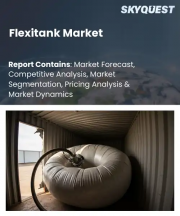
플렉시탱크 시장은 비위험성 액체의 대량 운송을 위해 설계 및 제조된 대형 일회용 플렉서블 용기의 전 세계 물류 전개를 포괄합니다. 이 다층 구조의 식품용 폴리에틸렌 블래더는 표준 20피트 건조 컨테이너에 맞도록 설계되어 컨테이너를 액체 화물 운송 컨테이너로 효과적으로 전환할 수 있습니다. 이 혁신적인 기술은 ISO 탱크 컨테이너, 스틸 드럼, 중간 벌크 컨테이너(IBC)와 같은 기존 방식을 대체할 수 있는 대용량 단위의 대안을 제공합니다. 시장의 핵심 가치 제안은 전 세계 컨테이너 화물 시스템 내에서 공간, 무게, 취급 효율을 최적화하여 운송되는 액체 1리터당 총 착륙 비용을 절감하는 데 있습니다.
시장 확대의 근본적인 원동력은 액체 제품의 국제 무역에서 공급망 최적화와 비용 절감을 위한 끊임없는 추구에 있습니다. 주요 촉진요인은 플렉시탱크가 ISO 탱크 컨테이너에 비해 상당한 비용 우위를 제공한다는 것입니다. 화주 입장에서는 플렉시탱크는 빈 ISO 탱크를 반납하는 비용과 물류를 없애고, 표준 컨테이너 내 적재량(최대 2만 4,000리터)을 최대화하여 운임 비용을 절감하고, 세척 및 유지보수 비용을 절감할 수 있습니다. 이러한 경제적 효율성은 특히 가격 민감도가 높은 상품의 경우, 대량 편도 운송에 매우 매력적입니다.
동시에 액체 공급망의 세계화는 강력한 구조적 동력이 되고 있습니다. 식용유, 과일 농축액, 와인, 비위험 화학물질 등의 생산기지가 지리적으로 집중됨에 따라 세계 시장으로의 효율적인 장거리 운송의 필요성이 커지고 있습니다. 플렉시탱크는 기존 항만 및 복합운송 인프라에 원활하게 통합되고, 특별한 하역 시설이 필요 없는 확장 가능한 컨테이너화 솔루션을 제공함으로써 이 무역을 촉진합니다.
주요하고 높은 성장률을 보이는 응용 분야는 식음료 산업입니다. 식용유, 주스, 와인, 시럽 등의 벌크 운송이 주요 수요처입니다. 플렉시탱크는 국제적으로 엄격한 기준(예: FDA, EFSA)을 충족하는 식품 등급의 오염물질이 없는 재료를 사용하기 때문에 이 분야에 특히 적합합니다. 산화 및 오염 위험을 최소화하면서 대량의 섬세한 액체 식품을 운송할 수 있는 능력은 소용량 용기에 비해 포장 폐기물을 줄일 수 있다는 점과 함께 경제성과 품질 보증이라는 두 가지 목표에 부합합니다.
지리적으로는 아시아태평양이 플렉시탱크의 주요 생산, 수출, 소비 거점으로 자리매김하고 있습니다. 이러한 선도적 위치는 동남아시아의 식용유, 중국산 화학물질 등 많은 벌크 액체의 세계 제조 기지로서의 역할에 의해 뒷받침되고 있습니다. 아시아태평양을 기점으로 하는 촘촘한 컨테이너 운송 경로 네트워크와 높은 수출량이 결합되어 플렉시탱크 모델에 이상적인 환경을 조성하고, 이 지역 시장에서 중심적인 위치를 확고히 하고 있습니다.
경쟁 구도와 운영 측면에서는 재료 과학, 구조적 무결성, 안전 인증에 중점을 둔 전문 제조업체가 진입하고 있습니다. 경쟁의 초점은 플렉시탱크 설계의 견고성과 신뢰성(동적 운송 조건에서 누출 및 파손 방지), 폴리에틸렌 필름의 품질과 적층 구조, 부속품 및 밸브의 고급화, 보험, 항로별 승인 서류, 선적 및 하역 절차에 대한 고객 교육 등 부수적인 서비스의 포괄성에 있습니다. 컨테이너 규모의 액체 유출이라는 높은 위험 인식을 줄이기 위해 절대적인 신뢰성을 확립하는 것이 성공의 열쇠입니다.
이러한 장점에도 불구하고, 시장은 위험 인식 및 규제 준수와 관련된 심각한 제약에 직면해 있습니다. 가장 큰 문제는 플렉시탱크의 고장이 초래할 수 있는 치명적인 결과이며, 여기에는 대규모 화물 손실, 컨테이너 손상, 환경 정화 비용 등이 포함됩니다. 이러한 위험은 엄격한 품질 관리, 적절한 적재 절차가 필요하며, 화주가 전문적인 보험에 가입해야 하는 경우가 많습니다. 또한, 시장은 비위험성 액체로 제한되어 있으며, 위험물 운송은 엄격히 금지되어 있습니다. 각 액체 유형과 무역 경로에 따른 국제 운송 규정 및 식품 안전 기준의 적합성을 보장하고, 해운사의 승인을 받는 것은 운송마다 복잡성이 증가합니다.
결론적으로, 플렉시탱크 시장은 비용 절감을 끊임없이 추진하여 전 세계 벌크 액체 운송에서 중요한 틈새 시장을 구축한 전문 물류 솔루션입니다. 그 성장은 세계 무역량과 비위험물 컨테이너 운송의 경제적 합리성과 구조적으로 연결되어 있습니다. 업계 전문가들은 내구성과 안전 마진을 향상시키기 위한 재료 기술의 발전, 실시간 무결성 데이터를 제공하는 통합 디지털 추적 및 모니터링 솔루션의 개발, 승인된 호환 액체 포트폴리오의 확대 등 세 가지에 전략적 초점을 맞추어야 합니다. 앞으로는 재활용이 용이한 보다 지속 가능한 단일 소재 설계와 플라스틱 필름의 순환형 경제 모델에 대한 관심이 높아질 것으로 보입니다. 성공은 제조업체가 위험을 줄이고 비용을 최적화한 제품을 안정적으로 공급할 수 있는 능력에 의해 정의됩니다. 물류 관리자나 식품 안전 책임자가 가장 가치가 높은 액체 운송에 있어 흔들림 없는 확신을 가지고 지정할 수 있는 제품이어야 합니다.
본 보고서의 주요 장점:
- 통찰력 있는 분석 : 주요 지역과 신흥 지역을 아우르는 상세한 시장 인사이트를 얻을 수 있습니다. 고객 부문, 정부 정책 및 사회경제적 요인, 소비자 선호도, 산업별 분야, 기타 하위 부문에 초점을 맞추었습니다.
- 경쟁 구도: 주요 기업들의 세계 전략 움직임을 이해하고, 적절한 전략을 통한 시장 진입 가능성을 파악합니다.
- 시장 성장 촉진요인과 미래 동향 : 시장을 형성하는 역동적인 요인과 주요 동향, 그리고 이들이 향후 시장 발전에 미치는 영향을 살펴봅니다.
- 실행 가능한 제안: 이러한 통찰력을 활용하여 전략적 의사결정을 내리고, 역동적인 환경에서 새로운 비즈니스 스트림과 수익원을 발굴할 수 있도록 도와드립니다.
- 스타트업, 연구기관, 컨설턴트, 중소기업, 대기업 등 다양한 독자층에게 유익하고 비용 대비 효과가 높은 내용입니다.
어떤 용도로 사용되는가?
산업 및 시장 분석, 기회 평가, 제품 수요 예측, 시장 진출 전략, 지역 확장, 자본 투자 결정, 규제 프레임워크 및 영향, 신제품 개발, 경쟁사 정보 수집
조사 범위:
- 2021년부터 2025년까지 과거 데이터 및 2026년부터 2031년까지 예측 데이터
- 성장 기회, 과제, 공급망 전망, 규제 프레임워크, 트렌드 분석
- 경쟁사 포지셔닝, 전략, 시장 점유율 분석
- 국가를 포함한 부문 및 지역별 수익 및 예측 평가 및 예측 평가
- 기업 프로파일링(전략, 제품, 재무정보, 주요 발전 등)
목차
제1장 주요 요약
제2장 시장 개요
- 시장 개요
- 시장의 정의
- 조사 범위
- 시장 세분화
제3장 비즈니스 상황
- 시장 성장 촉진요인
- 시장 성장 억제요인
- 시장 기회
- Porter의 Five Forces 분석
- 업계 밸류체인 분석
- 정책과 규제
- 전략적 제안
제4장 기술 전망
제5장 플렉시탱크 시장 : 레이어 타입별
- 서론
- Mono Layer
- Multi Layer
- Bilayer
제6장 플렉시탱크 시장 : 적재 방법별
- 서론
- Top Loading
- Bottom Loading
제7장 플렉시탱크 시장 : 용량별
- 서론
- 10,000리터 이하
- 10,000-20,000리터
- 20,000리터 이상
제8장 플렉시탱크 시장 : 용도별
- 서론
- 식품용 액체
- 과일 주스
- 식용유
- 농축액 및 시럽
- 기타
- 비위험 화학제품
- 첨가제
- 윤활유
- 바이오디젤
- 인쇄 잉크
- 기타
- 의약화학 물건
제9장 플렉시탱크 시장 : 지역별
- 서론
- 북미
- 미국
- 캐나다
- 멕시코
- 남미
- 브라질
- 아르헨티나
- 기타
- 유럽
- 독일
- 프랑스
- 영국
- 스페인
- 기타
- 중동 및 아프리카
- 사우디아라비아
- 아랍에미리트(UAE)
- 기타
- 아시아태평양
- 중국
- 인도
- 일본
- 한국
- 인도네시아
- 태국
- 기타
제10장 경쟁 환경과 분석
- 주요 기업과 전략 분석
- 시장 점유율 분석
- 합병, 인수, 합의 및 합작투자(JV)
- 경쟁 대시보드
제11장 기업 개요
- Bulk Liquid Solutions
- Buscherhoff Packaging Solutions GmbH
- MY FlexiTank(MYF)
- Kricon Group
- SIA FLEXITANKS
- TRUST Flexitanks
- Qingdao BLT Flexitank Solution Co., Ltd.
- Rishi FIBC Solutions Pvt Ltd.
- Techno Group USA
- SIA Flexitanks
제12장 부록
- 통화
- 전제조건
- 기준연도 및 예측연도 타임라인
- 이해관계자의 주요 이점
- 조사 방법
- 약어
Flexitank Market, growing at a 17.0% CAGR, is projected to achieve USD 2952.391 million in 2031 from USD 1,150.714 million in 2025.
The flexitank market comprises the design, manufacture, and global logistics deployment of large, single-use flexible containers for the bulk transport of non-hazardous liquids. These multi-layered, food-grade polyethylene bladders are engineered to fit inside standard 20-foot dry shipping containers, effectively converting them into liquid cargo vessels. This innovation provides a high-volume, unitized alternative to traditional methods like ISO tank containers, steel drums, or intermediate bulk containers (IBCs). The market's core value proposition is reducing the total landed cost per liter of shipped liquid by optimizing space, weight, and handling efficiency within the global containerized freight system.
Market expansion is fundamentally driven by the relentless pursuit of supply chain optimization and cost reduction in the global trade of liquids. A primary catalyst is the significant cost advantage flexitanks offer over ISO tank containers. For shippers, flexitanks eliminate the cost and logistics of returning empty ISO tanks, reduce freight costs by maximizing payload within a standard container (up to 24,000 liters), and lower cleaning and maintenance expenses. This economic efficiency is compelling for large-volume, one-way shipments, particularly for commodities where price sensitivity is high.
Concurrently, the globalization of liquid supply chains is a powerful structural driver. As production hubs for commodities like edible oils, fruit concentrates, wine, and non-hazardous chemicals become geographically concentrated, the need for efficient, long-distance transportation to global markets intensifies. Flexitanks facilitate this trade by providing a scalable, containerized solution that integrates seamlessly with existing port and intermodal infrastructure, avoiding the need for specialized handling equipment.
A dominant and high-growth application segment is the food and beverage industry. The transport of bulk edible oils, juices, wines, and syrups represents a major demand center. Flexitanks are particularly suited for this sector due to their use of food-grade, contaminant-free materials that meet stringent international standards (e.g., FDA, EFSA). The ability to ship large volumes of sensitive liquid foodstuffs with minimal oxidation and contamination risk, while also reducing packaging waste compared to smaller units, aligns with both economic and quality assurance goals.
Geographically, the Asia-Pacific region is established as the dominant production, export, and consumption hub for flexitanks. This leadership is underpinned by the region's role as a global manufacturing center for many bulk liquids, including edible oils from Southeast Asia and chemicals from China. The dense network of container shipping routes originating from APAC, combined with high export volumes, creates an ideal environment for the flexitank model, solidifying the region's central position in the market.
The competitive and operational landscape involves specialized manufacturers who focus on material science, structural integrity, and safety certifications. Competition centers on the robustness and reliability of the flexitank design (to prevent leaks or failure under dynamic transport conditions), the quality and layering of the polyethylene film, the sophistication of fitments and valves, and the comprehensiveness of associated services like insurance, route-specific approval documentation, and customer training for loading/unloading procedures. Success hinges on building a reputation for absolute reliability to mitigate the high perceived risk of a container-sized liquid spill.
Despite its advantages, the market navigates significant constraints related to risk perception and regulatory compliance. The foremost challenge is the potential catastrophic consequence of a flexitank failure, which could lead to extensive cargo loss, container damage, and environmental clean-up costs. This risk necessitates rigorous quality control, proper loading procedures, and often requires shippers to secure specialized insurance. Furthermore, the market is limited to non-hazardous liquids; transporting hazardous materials is strictly prohibited. Gaining approval from shipping lines and ensuring compliance with varying international transportation and food safety regulations for different liquid types and trade lanes adds complexity to every shipment.
In conclusion, the flexitank market is a specialized logistics solution that has carved out a substantial niche in global bulk liquid transport by relentlessly driving down costs. Its growth is structurally linked to global trade volumes and the economic calculus of shipping non-hazardous liquids in containerized form. For industry experts, strategic focus must center on advancing material technology to enhance durability and safety margins, developing integrated digital tracking and monitoring solutions to provide real-time integrity data, and expanding the portfolio of approved compatible liquids. The future may involve more sustainable, mono-material designs that are easier to recycle and a greater focus on circular economy models for the plastic films. Success will be defined by a manufacturer's ability to consistently deliver a risk-mitigated, cost-optimized product that logistics managers and food safety officers can specify with unwavering confidence for their most valuable liquid shipments.
Key Benefits of this Report:
- Insightful Analysis: Gain detailed market insights covering major as well as emerging geographical regions, focusing on customer segments, government policies and socio-economic factors, consumer preferences, industry verticals, and other sub-segments.
- Competitive Landscape: Understand the strategic maneuvers employed by key players globally to understand possible market penetration with the correct strategy.
- Market Drivers & Future Trends: Explore the dynamic factors and pivotal market trends and how they will shape future market developments.
- Actionable Recommendations: Utilize the insights to exercise strategic decisions to uncover new business streams and revenues in a dynamic environment.
- Caters to a Wide Audience: Beneficial and cost-effective for startups, research institutions, consultants, SMEs, and large enterprises.
What do businesses use our reports for?
Industry and Market Insights, Opportunity Assessment, Product Demand Forecasting, Market Entry Strategy, Geographical Expansion, Capital Investment Decisions, Regulatory Framework & Implications, New Product Development, Competitive Intelligence
Report Coverage:
- Historical data from 2021 to 2025 & forecast data from 2026 to 2031
- Growth Opportunities, Challenges, Supply Chain Outlook, Regulatory Framework, and Trend Analysis
- Competitive Positioning, Strategies, and Market Share Analysis
- Revenue Growth and Forecast Assessment of segments and regions including countries
- Company Profiling (Strategies, Products, Financial Information, and Key Developments among others.)
Flexitank Market Segmentation
- By Layer Type
- Mono Layer
- Multi Layer
- Bilayer
- By Loading
- Top Loading
- Bottom Loading
- By Capacity
- Up to 10,000 Liters
- 10,000 to 20,000 Litres
- Greater than 20,000 Litres
- By Application
- Food-Grade Liquid
- Fruit Juice
- Edible Oils
- Concentrates & Syrups
- Others
- Non-Hazardous Chemicals
- Additives
- Lubricants
- Biodiesel
- Printing Inks
- Others
- Pharmaceutical Chemicals
- By Geography
- North America
- USA
- Canada
- Mexico
- South America
- Brazil
- Argentina
- Others
- Europe
- Germany
- France
- United Kingdom
- Spain
- Others
- Middle East and Africa
- Saudi Arabia
- UAE
- Others
- Asia Pacific
- China
- India
- Japan
- South Korea
- Indonesia
- Thailand
- Others
TABLE OF CONTENTS
1. EXECUTIVE SUMMARY
2. MARKET SNAPSHOT
- 2.1. Market Overview
- 2.2. Market Definition
- 2.3. Scope of the Study
- 2.4. Market Segmentation
3. BUSINESS LANDSCAPE
- 3.1. Market Drivers
- 3.2. Market Restraints
- 3.3. Market Opportunities
- 3.4. Porter's Five Forces Analysis
- 3.5. Industry Value Chain Analysis
- 3.6. Policies and Regulations
- 3.7. Strategic Recommendations
4. TECHNOLOGICAL OUTLOOK
5. FLEXITANK MARKET BY LAYER TYPE
- 5.1. Introduction
- 5.2. Mono Layer
- 5.3. Multi Layer
- 5.4. Bilayer
6. FLEXITANK MARKET BY LOADING
- 6.1. Introduction
- 6.2. Top Loading
- 6.3. Bottom Loading
7. FLEXITANK MARKET BY CAPACITY
- 7.1. Introduction
- 7.2. Up to 10,000 Liters
- 7.3. 10,000 to 20,000 Litres
- 7.4. Greater than 20,000 Litres
8. FLEXITANK MARKET BY APPLICATION
- 8.1. Introduction
- 8.2. Food-Grade Liquid
- 8.2.1. Fruit Juice
- 8.2.2. Edible Oils
- 8.2.3. Concentrates & Syrups
- 8.2.4. Others
- 8.3. Non-Hazardous Chemicals
- 8.3.1. Additives
- 8.3.2. Lubricants
- 8.3.3. Biodiesel
- 8.3.4. Printing Inks
- 8.3.5. Others
- 8.4. Pharmaceutical Chemicals
9. FLEXITANK MARKET BY GEOGRAPHY
- 9.1. Introduction
- 9.2. North America
- 9.2.1. USA
- 9.2.2. Canada
- 9.2.3. Mexico
- 9.3. South America
- 9.3.1. Brazil
- 9.3.2. Argentina
- 9.3.3. Others
- 9.4. Europe
- 9.4.1. Germany
- 9.4.2. France
- 9.4.3. United Kingdom
- 9.4.4. Spain
- 9.4.5. Others
- 9.5. Middle East and Africa
- 9.5.1. Saudi Arabia
- 9.5.2. UAE
- 9.5.3. Others
- 9.6. Asia Pacific
- 9.6.1. China
- 9.6.2. India
- 9.6.3. Japan
- 9.6.4. South Korea
- 9.6.5. Indonesia
- 9.6.6. Thailand
- 9.6.7. Others
10. COMPETITIVE ENVIRONMENT AND ANALYSIS
- 10.1. Major Players and Strategy Analysis
- 10.2. Market Share Analysis
- 10.3. Mergers, Acquisitions, Agreements, and Collaborations
- 10.4. Competitive Dashboard
11. COMPANY PROFILES
- 11.1. Bulk Liquid Solutions
- 11.2. Buscherhoff Packaging Solutions GmbH
- 11.3. MY FlexiTank (MYF)
- 11.4. Kricon Group
- 11.5. SIA FLEXITANKS
- 11.6. TRUST Flexitanks
- 11.7. Qingdao BLT Flexitank Solution Co., Ltd.
- 11.8. Rishi FIBC Solutions Pvt Ltd.
- 11.9. Techno Group USA
- 11.10. SIA Flexitanks
12. APPENDIX
- 12.1. Currency
- 12.2. Assumptions
- 12.3. Base and Forecast Years Timeline
- 12.4. Key Benefits for the Stakeholders
- 12.5. Research Methodology
- 12.6. Abbreviations