

|
시장보고서
상품코드
2124357
아프리카의 CNG 및 LPG 차량 시장 : 시장 점유율 분석, 업계 동향 및 통계, 성장 예측(2026-2031년)Africa CNG And LPG Vehicle - Market Share Analysis, Industry Trends & Statistics, Growth Forecasts (2026 - 2031) |
||||||
 Mordor Intelligence
Mordor Intelligence에 의하면, 2026년 아프리카의 CNG 및 LPG 차량 시장 규모는 16억 5,000만 달러로 추정되며, 2025년 15억 4,000만 달러에서 2031년에는 22억 9,000만 달러에 달할 것으로 예측됩니다.
또한 2026-2031년 연평균 성장률(CAGR) 6.84%를 기록할 전망입니다.
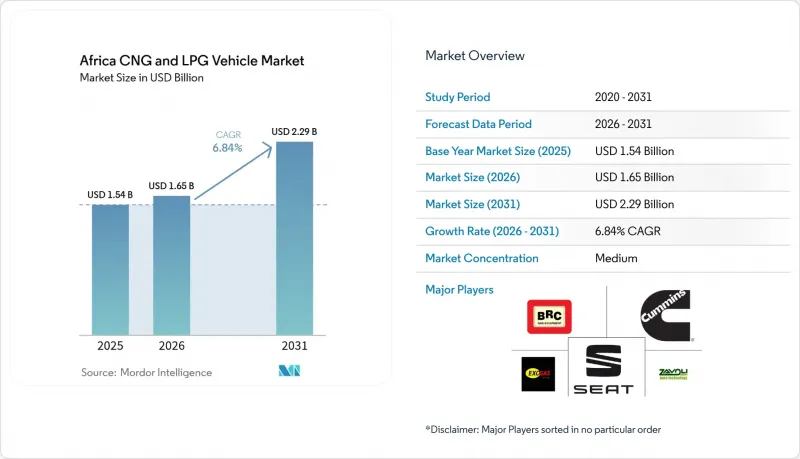
본 보고서는 연료 유형별(압축천연가스 및 액화석유 및 가스), 차종별(승용차, 소형 상용차 등), 판매 채널별(OEM 및 애프터마켓), 전환 기술별(전용 CNG/LPG, 가솔린·가스 바이퓨얼, 디젤·CNG 듀얼퓨얼), 지역별로 분류되어 있습니다. 시장 전망은 금액(달러) 및 판매 대수(대)로 제시되어 있습니다.
아프리카의 CNG 및 LPG 차량 시장 동향과 분석
급유 인프라에 대한 투자 확대
나이지리아의 NNPC는 2025년까지 여러 개의 CNG 충전소 설치를 목표로 했으며, 이집트에서는 이미 다수의 충전소가 가동되고 있어 양국 모두 네트워크 커버리지 측면에서 큰 선점 우위를 점하고 있습니다. 또한, 이전에는 플레어링되던 수반 가스를 수익화하는 마이크로 LNG-to-CNG 허브에도 자본이 유입되고 있어, 이를 통해 지방 사업자의 단위당 운송 비용이 절감되고 있습니다. 나이지리아-모로코 간 파이프라인 및 나이지리아-적도기니 간 가스 연계 협정은 공급 사양을 통일하려는 지역의 의지를 뒷받침하고 있습니다. 인프라는 일반적으로 수요에 앞서 구축되기 때문에 초기 투자자들은 입지상의 우위를 확보하고 교통량이 많은 도시 회랑을 확보할 수 있습니다. 충전소가 확대됨에 따라, 차량 소유자들은 향후 건설 계획의 불확실성이 아닌, 확실한 급유 거점의 근접성을 바탕으로 조달 계획을 세우는 경향이 강해지고 있습니다.
가스 연료에 대한 정부의 장려책 및 보조금
나이지리아 대통령의 주도로 추진되는 CNG 이니셔티브는 전환 리베이트, 세제 혜택, 공공 부문 차량 함대에 대한 의무적 전환을 한 패키지로 묶어, 2027년까지 100만 대(현재 상용차의 약 절반)를 목표로 하고 있습니다. 탄자니아에서 완료된 전환 사례는 눈에 띄는 시범 차량 함대와 결합함으로써, 비록 소규모의 재정 지원이라 하더라도 촉매적인 효과를 가져올 수 있음을 보여줍니다. 이러한 프레임워크는 총 소유 비용(TCO) 계산에서 분명히 가스 연료에 유리하게 작용하지만, 재정적 지속가능성은 인프라 및 서비스 제공에 있어 보완적인 민간 자본에 달려 있습니다. 민관 협력 투자 구조가 중요한 이유는 무제한적인 보조금 지출이 에너지 전환의 다른 우선 순위를 압박할 위험이 있기 때문입니다. 따라서 정책 입안자들은 네트워크 밀도가 경제적 자립에 가까워짐에 따라 인센티브를 단계적으로 폐지하는 ‘일몰 조항’을 점점 더 많이 설계하고 있습니다.
부실한 규제 체계
규제 미비로 인해 인증받지 않은 고압 탱크를 장착하는 비공식 작업장이 만연하여 안전상의 우려가 제기되고, 소비자의 신뢰를 훼손하고 있습니다. 승인 절차는 아프리카 국가마다 크게 다르기 때문에 각 관할 구역별로 서류를 조정해야 하는 키트 공급업체의 규정 준수 비용을 증가시키고 있습니다. 연료 품질에 관한 통일된 규정이 없어 국경을 넘어 운행하는 차량은 메탄 농도나 LPG의 옥탄가가 예기치 않게 변동할 경우 엔진 손상 위험에 직면합니다. 이러한 마찰은 규모의 경제를 저해하며, OEM 각사가 전용 조립 라인 도입을 주저하게 만드는 요인이 되고 있습니다. ECOWAS 내 가스 연료 규격에 대한 논의는 이러한 장벽을 낮출 가능성이 있지만, 진전은 점진적이며 정치적으로도 민감한 문제입니다.
부문 분석
압축 천연가스(CNG)는 2025년 매출 점유율에서 76.79%를 차지했으며, 이는 이집트의 밀집된 충전소 네트워크와 나이지리아에서 부상하고 있는 운송 회랑을 반영한 것입니다. 아프리카의 CNG 및 LPG 차량 시장에서 CNG 자동차 시장 규모는 2031년까지 연평균 성장률(CAGR) 6.74%로 확대될 것으로 예측됩니다. 이는 파이프라인 확충으로 메탄 도매 가격이 하락하고 소매 가격의 경쟁력이 높아지기 때문입니다. 인프라 구축 요건으로 인해 도시 지역에서는 자연 발생적인 과점 상태가 형성되고 있으며, 차량 운행 사업자와 충전소 컨소시엄 간의 장기 공급 계약이 촉진되고 있습니다. LPG는 파이프라인이 정비되지 않은 지역에서 계속 이용되고 있으며, 도로망 밀도가 낮은 지역이나 조리용 가스 유통망이 이미 구축된 지역에서 가스통의 편의성을 제공합니다.
하지만 파이프라인을 통한 공급이 내륙 지역으로 더욱 확대됨에 따라, 이용률이 높은 화물 운송 분야에서는 투자 합리성이 CNG 쪽으로 기울고 있습니다. 나이지리아와 모로코 간 간선 파이프라인이 가동되면, 서아프리카 내륙 지역으로의 CNG 시장 접근성이 확대될 전망입니다. 이러한 확장에 따라 CNG와 LPG 간의 비용 격차는 더욱 벌어질 것이며, 혼합 연료를 사용하는 차량군은 유지보수를 간소화하는 단일 연료 전략으로 전환해 나갈 것입니다.
2025년 누적 전환 대수에서 승용차가 차지하는 비율은 62.88%였으나, 2031년까지 연평균 성장률(CAGR) 6.90%를 기록하며 버스 및 장거리 버스가 성장을 주도할 것으로 예측됩니다. 주행 거리가 긴 도시권 여객 운송의 경우, 비용 절감 효과가 더욱 커집니다. 3교대제로 운행하는 시내버스의 경우, 1회계연도 이내에 전환 비용을 회수할 수 있으므로 투자 회수 계산이 설득력을 갖습니다. 화물 물류 분야에서도 마찬가지로 관심이 높아지고 있으며, 단고테 그룹이 여러 대의 CNG 트럭을 도입하여 이들이 합쳐서 상당량의 디젤 연료를 대체하고 있는 것이 그 한 예입니다.
전자상거래의 확대로 배송용 밴의 이용이 증가하고, 사업자들이 원유 가격 변동에 대한 방어책을 모색함에 따라 아프리카의 CNG 및 LPG 차량 시장에서 상용차 부문의 점유율은 확대될 것입니다. 승용차의 보급은 완만하지만, 눈에 띄는 차량 도입 사례와 충전소 밀도 증가를 통해 형성된 일반 시민들의 신뢰에 비례하여 증가하고 있습니다. 이러한 추세는 상용차 부문이 선행 도입되고, 인프라의 편의성이 기존 연료와 동등한 수준에 도달한 시점에서 일반 소비자들이 뒤따르는 도입 곡선을 시사합니다.
기타 혜택 :
- 엑셀 형식 시장 예측(ME) 시트
- 3개월간의 애널리스트 지원
자주 묻는 질문
목차
제1장 서론
제2장 조사 방법
제3장 주요 요약
제4장 시장 구도
제5장 시장 규모 및 성장 예측
제6장 경쟁 구도
제7장 시장 기회 및 향후 전망
AJY 26.09.09According to Mordor Intelligence, the Africa CNG and LPG Vehicle Market size in 2026 is estimated at USD 1.65 billion, growing from 2025 value of USD 1.54 billion with 2031 projections showing USD 2.29 billion, growing at 6.84% CAGR over 2026-2031.
This report is Segmented by Fuel Type (Compressed Natural Gas and Liquefied Petroleum Gas), Vehicle Type (Passenger Cars, Light Commercial Vehicles, and More), Sales Channel (Original Equipment Manufacturer and Aftermarket), Conversion Technology (Dedicated CNG/LPG, Bi-Fuel Gasoline-Gas, and Dual-Fuel Diesel-CNG), and Geography. The Market Forecasts are Provided in Terms of Value (USD) and Volume (Units).
Africa CNG And LPG Vehicle Market Trends and Insights
Rising Investments in Refueling Infrastructure
Nigeria's NNPC targets multiple CNG stations by 2025, and Egypt already operates numerous sites, giving both nations a substantial first-mover advantage in network coverage . Capital also flows into micro-LNG-to-CNG hubs that monetize previously flared associated gas volumes, lowering unit transportation costs for rural operators. The Nigeria-Morocco pipeline and Nigeria-Equatorial Guinea gas-link agreements underscore regional ambitions to unify supply specifications. Early investors gain location advantages because infrastructure typically precedes demand, locking in high-traffic urban corridors. As stations spread, fleet owners increasingly base procurement plans on assured refueling proximity rather than speculative future builds.
Government Incentives & Subsidies for Gaseous Fuels
Nigeria's Presidential CNG Initiative bundles conversion rebates, tax holidays, and mandatory public-sector fleet transitions that target one million vehicles-or roughly half of the current commercial fleet-by 2027 . Tanzania's completed conversions illustrate the catalytic effect of even modest fiscal support when paired with visible pilot fleets. Such frameworks tilt total cost-of-ownership calculations decidedly toward gaseous fuels, but fiscal sustainability hinges on complementary private capital in infrastructure and service delivery. Coordinated public-private investment structures matter because unchecked subsidy outlays risk crowding out other energy-transition priorities. Thus, policy architects increasingly design sunset clauses that phase incentives out as network density approaches economic self-sufficiency.
Inadequate Regulatory Frameworks
Regulation gaps foster informal workshops that install uncertified high-pressure tanks, raising safety concerns that erode consumer confidence. Approval protocols differ widely among African states, driving up compliance costs for kit suppliers who must customize paperwork for each jurisdiction. Absent harmonized fuel-quality rules, cross-border fleets face engine-damage risk when methane numbers or LPG octane levels vary unexpectedly. Such friction fragments scale economies, inhibiting OEMs from committing to dedicated assembly lines. ECOWAS discussions on standard gaseous-fuel specification could lower these barriers, but progress remains incremental and politically sensitive.
Other drivers and restraints analyzed in the detailed report include:
- Volatile Gasoline and Diesel Prices
- Stricter Vehicle-Emission Standards
- Limited OEM Gaseous-Fuel Vehicle Portfolio
For complete list of drivers and restraints, kindly check the Table Of Contents.
Segment Analysis
Compressed Natural Gas commanded a 76.79% 2025 revenue share, reflecting the dense station networks in Egypt and emerging corridors in Nigeria. The Africa CNG and LPG vehicle market size for CNG-powered units is forecast to climb at a 6.74% CAGR through 2031 as additional pipelines lower wholesale methane costs and make retail pricing more competitive. Infrastructure prerequisites create natural oligopolies in urban centers, incentivizing long-term supply contracts between fleet operators and station consortia. LPG continues serving territories without pipeline access, offering bottled-gas convenience where road density is low yet cooking-gas distribution already exists.
Nonetheless, as pipeline-based supply pushes deeper inland, investment logic tilts toward CNG for high-utilization freight. Once commissioned, the Nigeria-Morocco trunk line will likely expand CNG market access into interior West Africa. That extension will further widen the cost gap between CNG and LPG, nudging mixed-fuel fleets toward single-fuel strategies that simplify maintenance.
Passenger cars held 62.88% of cumulative conversions in 2025, yet buses and coaches are projected to lead growth at a 6.90% CAGR to 2031. High-mileage urban passenger transport amplifies savings: a city bus completing triple-shift duty can recoup conversion costs within one fiscal year, compelling payback calculations. Freight logistics likewise sees mounting interest, illustrated by Dangote Group's rollout of multiple CNG trucks that collectively displace sizable diesel volumes.
The Africa CNG and LPG vehicle market share captured by commercial categories will expand as e-commerce accelerates delivery-van utilization and operators seek a shield against oil-price swings. Private car uptake, though slower, rises in lockstep with public confidence built by visible fleet examples and growing station density. The trajectory implies a commercial-first adoption curve, with retail consumers following once infrastructural convenience reaches parity with legacy fuels.
Complete Report Scope:
- By Fuel Type
- Compressed Natural Gas (CNG)
- Liquefied Petroleum Gas (LPG)
- By Vehicle Type
- Passenger Cars
- Light Commercial Vehicles
- Medium and Heavy Commercial Vehicles
- Buses & Coaches
- By Sales Channel
- Original Equipment Manufacturer (OEM)
- Aftermarket
- By Conversion Technology
- Dedicated CNG/LPG
- Bi-fuel (Gasoline-Gas)
- Dual-fuel Diesel-CNG (HDVs)
- By Country
- Egypt
- Nigeria
- South Africa
- Morocco
- Ethiopia
- Rest of Africa
List of Companies Covered in this Report:
- Iveco S.p.A.
- Volkswagen AG
- AB Volvo
- Ford Motor Company
- Cummins Inc.
- Toyota South Africa Motors
- Hyundai Motor Company
- Kia Corporation
- Stellantis N.V. (Fiat Professional)
- Landi Renzo S.p.A.
- BRC Gas Equipment
- Westport Fuel Systems
- Prins Autogassystemen
- Zavoli S.r.l.
- Valtec
- African Gas Equipment
- ExoGas
- Clean Energy NG
- NGVAfrica
- SEAT S.A.
Additional Benefits:
- The market estimate (ME) sheet in Excel format
- 3 months of analyst support
TABLE OF CONTENTS
1 Introduction
- 1.1 Study Assumptions & Market Definition
- 1.2 Scope of the Study
2 Research Methodology
3 Executive Summary
4 Market Landscape
- 4.1 Market Overview
- 4.2 Market Drivers
- 4.2.1 Rising Investments in Refueling Infrastructure
- 4.2.2 Government Incentives & Subsidies for Gaseous Fuels
- 4.2.3 Volatile Gasoline and Diesel Prices
- 4.2.4 Stricter Vehicle-Emission Standards
- 4.2.5 Micro-LNG-To-CNG Hubs Enabling Rural Supply
- 4.2.6 Ride-Hailing Fleet Conversion to CNG/LPG
- 4.3 Market Restraints
- 4.3.1 Inadequate Regulatory Frameworks
- 4.3.2 Limited OEM Gaseous-Fuel Vehicle Portfolio
- 4.3.3 Gas-Supply Disruptions Impacting Station Uptime
- 4.3.4 Safety-Perception Issues From Informal Converters
- 4.4 Value / Supply-Chain Analysis
- 4.5 Regulatory Landscape
- 4.6 Technological Outlook
- 4.7 Porter's Five Forces
- 4.7.1 Threat of New Entrants
- 4.7.2 Bargaining Power of Buyers
- 4.7.3 Bargaining Power of Suppliers
- 4.7.4 Threat of Substitutes
- 4.7.5 Intensity of Competitive Rivalry
- 4.8 Investment & Infrastructure Analysis
5 Market Size & Growth Forecasts (Value (USD) and Volume (Units))
- 5.1 By Fuel Type
- 5.1.1 Compressed Natural Gas (CNG)
- 5.1.2 Liquefied Petroleum Gas (LPG)
- 5.2 By Vehicle Type
- 5.2.1 Passenger Cars
- 5.2.2 Light Commercial Vehicles
- 5.2.3 Medium and Heavy Commercial Vehicles
- 5.2.4 Buses & Coaches
- 5.3 By Sales Channel
- 5.3.1 Original Equipment Manufacturer (OEM)
- 5.3.2 Aftermarket
- 5.4 By Conversion Technology
- 5.4.1 Dedicated CNG/LPG
- 5.4.2 Bi-fuel (Gasoline-Gas)
- 5.4.3 Dual-fuel Diesel-CNG (HDVs)
- 5.5 By Country
- 5.5.1 Egypt
- 5.5.2 Nigeria
- 5.5.3 South Africa
- 5.5.4 Morocco
- 5.5.5 Ethiopia
- 5.5.6 Rest of Africa
6 Competitive Landscape
- 6.1 Market Concentration
- 6.2 Strategic Moves
- 6.3 Market Share Analysis
- 6.4 Company Profiles (includes Global Level Overview, Market Level Overview, Core Segments, Financials as Available, Strategic Information, Market Rank/Share for Key Companies, Products and Services, SWOT Analysis, and Recent Developments)
- 6.4.1 Iveco S.p.A.
- 6.4.2 Volkswagen AG
- 6.4.3 AB Volvo
- 6.4.4 Ford Motor Company
- 6.4.5 Cummins Inc.
- 6.4.6 Toyota South Africa Motors
- 6.4.7 Hyundai Motor Company
- 6.4.8 Kia Corporation
- 6.4.9 Stellantis N.V. (Fiat Professional)
- 6.4.10 Landi Renzo S.p.A.
- 6.4.11 BRC Gas Equipment
- 6.4.12 Westport Fuel Systems
- 6.4.13 Prins Autogassystemen
- 6.4.14 Zavoli S.r.l.
- 6.4.15 Valtec
- 6.4.16 African Gas Equipment
- 6.4.17 ExoGas
- 6.4.18 Clean Energy NG
- 6.4.19 NGVAfrica
- 6.4.20 SEAT S.A.
7 Market Opportunities & Future Outlook
- 7.1 White-Space & Unmet-Need Assessment


