|
시장보고서
상품코드
2065259
부직포 제초 시트 시장 규모, 점유율, 성장 분석 : 소재별, 용도별, 판매 채널별, 지역별 - 업계 예측(2026-2033년)Nonwoven Weed Control Fabric Market Size, Share, and Growth Analysis, By Material (Polypropylene, Polyester), By Application (Agriculture, Landscaping), By Sales Channel, By Region - Industry Forecast 2026-2033 |
||||||

세계의 부직포 제초 시트 시장 규모는 2024년에 581억 9,000만 달러로 평가되었으며, 2025년 620억 9,000만 달러에서 2033년까지 1,043억 1,000만 달러로 확대되어 예측 기간(2026-2033년) 동안 CAGR 6.7%로 성장할 것으로 전망됩니다.
부직포 제초 시트 시장은 지속가능한 농업 실천과 인건비 최소화라는 필요성이 맞물리면서, 조경용 직물을 혁신적인 농업 도구로 탈바꿈시켜 강력한 성장을 이루고 있습니다. 다양한 폴리머로 만들어진 이 통기성 매트는 잡초를 효과적으로 억제하면서도 식물의 뿌리에 필요한 공기와 물을 공급할 수 있어, 제초제에 대한 의존도를 낮추고 절수 효과를 높이고 있습니다. 화학제품 사용 감축에 대한 규제 당국의 관심이 높아지는 가운데, 효과적이고 지속가능한 대체 수단에 대한 수요가 확대되고 있습니다. 각 제조사는 적용 분야를 확대하기 위해 생분해성 및 자외선 내성이 뛰어난 소재에 대한 투자를 강화하고 있으며, 묘상, 포도원, 환경 복원 프로젝트에 적합한 제품을 제공하고 있습니다. 또한, 가정 텃밭과 도시 녹화에 대한 관심이 높아지면서 소매 시장의 기회가 확대되고 있으며, 생산 효율을 높이고 일관된 품질을 보장하는 자동화 기술을 바탕으로 조경 및 농업 분야의 구매자들이 요구하는 내구성이 뛰어나고 효율적인 솔루션에 대한 수요를 충족시키고 있습니다.
전 세계 부직포 제초 시트 시장은 소재, 용도, 판매 채널 및 지역별로 세분화되어 있습니다. 소재별로는 폴리프로필렌, 폴리에스터, 기타로 분류됩니다. 용도별로는 농업, 조경, 기타로 분류됩니다. 판매 채널별로는 직판, 판매 대리점, 기타로 분류됩니다. 지역별로는 북미, 유럽, 아시아태평양, 라틴아메리카, 중동 및 아프리카로 분류됩니다.
세계 부직포 제초 시트 시장의 성장요인
지속가능한 농업에 대한 관심이 높아짐에 따라, 생산자들은 화학 제초제를 대체할 친환경적인 대안으로 부직포 제초 시트의 도입을 확대하고 있습니다. 이 시트는 토양의 수분을 유지할 뿐만 아니라, 합성 자재에 의존하지 않고도 잡초의 성장을 효과적으로 억제하여 균형 잡힌 작물 생태계를 조성합니다. 화학제품 사용 감축과 지속가능성 인증 획득을 목표로 하는 생산자들은 이러한 부직포를 장기적인 농지 관리를 강화하기 위한 귀중한 도구로 인식하고 있습니다. 이러한 지속가능성 목표와의 부합성 덕분에 농가 및 농업 관련 이해관계자들 사이에서 수용이 확대되고 있으며, 궁극적으로는 시장에서 부직포를 이용한 잡초 방제 솔루션의 보다 광범위한 채택을 촉진하는 긍정적인 인식이 형성되고 있습니다.
세계 부직포 제초 시트 시장의 제약요인
전 세계 부직포 제초 시트 시장이 직면한 주요 과제 중 하나는 제품 자체와 설치에 드는 초기 비용이 높다는 인식입니다. 이러한 인식은, 특히 비용에 민감한 소규모 농가나 생산자의 경우 잠재적인 장기적 이익보다 당장의 경비 절감을 우선시하는 경향이 있기 때문에 부직포를 이용한 잡초 방제 솔루션의 도입을 저해할 가능성이 있습니다. 이러한 부직포의 구매 및 도입에 수반되는 초기 비용이 기존의 잡초 방제 방법에 비해 큰 부담으로 간주될 경우, 의사결정자는 이러한 제품이 가져다주는 장기적인 이점이 있음에도 불구하고 전환을 미루거나 아예 피할 가능성이 있습니다. 그 결과, 이러한 비용에 대한 우려가 예산에 민감한 부문의 시장 침투율을 저하시켰으며, 망설이는 구매자를 단골 고객으로 전환하기 위해서는 기업이 장기적인 가치에 대한 확실한 증거와 이용하기 쉬운 자금 조달 방안을 제공해야 할 필요성이 부각되고 있습니다.
세계 부직포 제초 시트 시장의 동향
세계 부직포 제초 시트 시장에서는 환경 의식이 높은 소비자를 유치하기 위해 제조사들이 친환경 제품의 차별화를 우선시하는 가운데, 지속가능성을 향한 뚜렷한 추세가 나타나고 있습니다. 재활용 소재와 생분해성 섬유의 사용, 그리고 환경에 미치는 영향을 줄이는 제조 공정에 주력함으로써, 이들 기업은 변화하는 규제를 준수할 뿐만 아니라 시장 내 입지를 강화하고자 하고 있습니다. 원자재 공급업체 및 인증 기관과의 제휴를 통해 각 브랜드는 자사 제품의 친환경적 이점을 강조하고, 지속가능한 농업 관행을 지원할 수 있게 되었습니다. 이러한 추세는 프리미엄 가격 책정의 길을 열어줄 뿐만 아니라, 순환 경제 이니셔티브를 촉진하고, 다양한 최종 시장에서 성능과 환경적 책임 간의 균형을 맞추는 화학 및 제조 기술의 혁신을 주도하고 있습니다.
자주 묻는 질문
목차
소개
조사 방법
주요 요약
시장 역학과 전망
주요 시장 인사이트
세계의 부직포 제초 시트 시장 규모 : 소재별
세계의 부직포 제초 시트 시장 규모 : 용도별
세계의 부직포 제초 시트 시장 규모 : 판매 채널별
세계의 부직포 제초 시트 시장 규모 : 지역별
경쟁 정보
주요 기업 개요
결론과 제안
KSM 26.06.25Global Nonwoven Weed Control Fabric Market size was valued at USD 58.19 Billion in 2024 and is poised to grow from USD 62.09 Billion in 2025 to USD 104.31 Billion by 2033, growing at a CAGR of 6.7% during the forecast period (2026-2033).
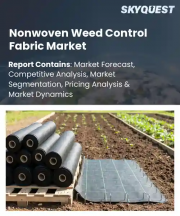
The nonwoven weed control fabric market is experiencing robust growth, driven by the intersection of sustainable agricultural practices and the necessity to minimize labor costs, transforming landscape textiles into innovative agronomic tools. These breathable mats, made from various polymers, effectively suppress weeds while allowing essential air and water to reach plant roots, thereby decreasing herbicide reliance and enhancing water conservation. The heightened regulatory focus on reducing chemical inputs has escalated the demand for effective, sustainable alternatives. Manufacturers are increasingly investing in biodegradable and UV-resistant materials to broaden application areas, providing products suitable for nurseries, vineyards, and restoration projects. Furthermore, the rising interest in home gardening and urban greening is expanding retail opportunities, supported by automation technologies that streamline production and ensure consistent quality, meeting the demands of landscaping and agricultural buyers for durable, efficient solutions.
Top-down and bottom-up approaches were used to estimate and validate the size of the Global Nonwoven Weed Control Fabric market and to estimate the size of various other dependent submarkets. The research methodology used to estimate the market size includes the following details: The key players in the market were identified through secondary research, and their market shares in the respective regions were determined through primary and secondary research. This entire procedure includes the study of the annual and financial reports of the top market players and extensive interviews for key insights from industry leaders such as CEOs, VPs, directors, and marketing executives. All percentage shares split, and breakdowns were determined using secondary sources and verified through Primary sources. All possible parameters that affect the markets covered in this research study have been accounted for, viewed in extensive detail, verified through primary research, and analyzed to get the final quantitative and qualitative data.
Global Nonwoven Weed Control Fabric Market Segments Analysis
The global nonwoven weed control fabric market is segmented by material, application, sales channel and region. Based on material, the market is segmented into Polypropylene, Polyester and Others. Based on application, the market is segmented into Agriculture, Landscaping and Others. Based on sales channel, the market is segmented into Direct Sales, Distributors and Others. Based on region, the market is segmented into North America, Europe, Asia Pacific, Latin America and Middle East & Africa.
Driver of the Global Nonwoven Weed Control Fabric Market
The rising trend towards sustainable agriculture is driving growers to adopt nonwoven weed control fabrics as an eco-friendly alternative to chemical herbicides. These fabrics not only conserve soil moisture but also effectively suppress weed growth without the reliance on synthetic inputs, thereby fostering a balanced crop ecosystem. Producers aiming to reduce chemical usage and achieve sustainability certifications recognize these fabrics as valuable tools for enhancing long-term field stewardship. This alignment with sustainability goals is increasing acceptance among farmers and agribusiness stakeholders, ultimately creating a favorable perception that encourages broader adoption of nonwoven weed control solutions in the market.
Restraints in the Global Nonwoven Weed Control Fabric Market
One major obstacle facing the Global Nonwoven Weed Control Fabric market is the perception of high initial costs for the product and its installation. This perception can hinder the adoption of nonwoven weed control solutions, especially among cost-sensitive smallholders and growers who prioritize immediate financial savings over potential long-term benefits. When the upfront costs associated with purchasing and implementing these fabrics appear burdensome compared to traditional weed control methods, decision-makers may delay or avoid making the switch, despite the long-term advantages that these products may offer. Consequently, this cost concern diminishes market penetration in budget-conscious segments and highlights the need for companies to provide substantial evidence of long-term value, as well as accessible financing options, to encourage hesitant buyers to become repeat customers.
Market Trends of the Global Nonwoven Weed Control Fabric Market
The Global Nonwoven Weed Control Fabric market is experiencing a significant trend towards sustainability as manufacturers prioritize eco-friendly product differentiation to attract environmentally conscious consumers. By focusing on the use of recycled materials, biodegradable fibers, and processes with reduced environmental impacts, these companies are not only complying with evolving regulations but also enhancing their market presence. Collaborations with material suppliers and certification bodies enable brands to highlight the ecological benefits of their products, supporting sustainable agricultural practices. This trend not only opens avenues for premium pricing but also fosters circular economy initiatives, driving innovations in chemistry and manufacturing techniques that balance performance with ecological responsibility across diverse end markets.
Table of Contents
Introduction
- Objectives of the Study
- Market Definition & Scope
Research Methodology
- Research Process
- Secondary & Primary Data Methods
- Market Size Estimation Methods
Executive Summary
- Global Market Outlook
- Key Market Highlights
- Segmental Overview
- Competition Overview
Market Dynamics & Outlook
- Macro-Economic Indicators
- Drivers & Opportunities
- Restraints & Challenges
- Supply Side Trends
- Demand Side Trends
- Porters Analysis & Impact
- Competitive Rivalry
- Threat of Substitute
- Bargaining Power of Buyers
- Threat of New Entrants
- Bargaining Power of Suppliers
Key Market Insights
- Key Success Factors
- Market Impacting Factors
- Top Investment Pockets
- Ecosystem Mapping
- Market Attractiveness Index 2025
- PESTEL Analysis
- Regulatory Landscape
Global Nonwoven Weed Control Fabric Market Size by Material & CAGR (2026-2033)
- Market Overview
- Polypropylene
- Polyester
- Others
Global Nonwoven Weed Control Fabric Market Size by Application & CAGR (2026-2033)
- Market Overview
- Agriculture
- Landscaping
- Others
Global Nonwoven Weed Control Fabric Market Size by Sales Channel & CAGR (2026-2033)
- Market Overview
- Direct Sales
- Distributors
- Others
Global Nonwoven Weed Control Fabric Market Size & CAGR (2026-2033)
- North America (Material, Application, Sales Channel)
- US
- Canada
- Europe (Material, Application, Sales Channel)
- Germany
- Spain
- France
- UK
- Italy
- Rest of Europe
- Asia Pacific (Material, Application, Sales Channel)
- China
- India
- Japan
- South Korea
- Rest of Asia-Pacific
- Latin America (Material, Application, Sales Channel)
- Mexico
- Brazil
- Rest of Latin America
- Middle East & Africa (Material, Application, Sales Channel)
- GCC Countries
- South Africa
- Rest of Middle East & Africa
Competitive Intelligence
- Top 5 Player Comparison
- Market Positioning of Key Players, 2025
- Strategies Adopted by Key Market Players
- Recent Developments in the Market
- Company Market Share Analysis, 2025
- Company Profiles of All Key Players
- Company Details
- Product Portfolio Analysis
- Company's Segmental Share Analysis
- Revenue Y-O-Y Comparison (2023-2025)
Key Company Profiles
- Berry Global
- Company Overview
- Business Segment Overview
- Financial Updates
- Key Developments
- Indorama Ventures
- Company Overview
- Business Segment Overview
- Financial Updates
- Key Developments
- DuPont
- Company Overview
- Business Segment Overview
- Financial Updates
- Key Developments
- Fibertex Nonwovens
- Company Overview
- Business Segment Overview
- Financial Updates
- Key Developments
- Toray Industries
- Company Overview
- Business Segment Overview
- Financial Updates
- Key Developments
- Freudenberg
- Company Overview
- Business Segment Overview
- Financial Updates
- Key Developments
- Ahlstrom
- Company Overview
- Business Segment Overview
- Financial Updates
- Key Developments
- Mitsui Chemicals
- Company Overview
- Business Segment Overview
- Financial Updates
- Key Developments
- Kolon Industries
- Company Overview
- Business Segment Overview
- Financial Updates
- Key Developments
- Solmax
- Company Overview
- Business Segment Overview
- Financial Updates
- Key Developments
- Asahi Kasei
- Company Overview
- Business Segment Overview
- Financial Updates
- Key Developments
- Gulsan Holding
- Company Overview
- Business Segment Overview
- Financial Updates
- Key Developments
- Spunchem International
- Company Overview
- Business Segment Overview
- Financial Updates
- Key Developments
- Thrace Group
- Company Overview
- Business Segment Overview
- Financial Updates
- Key Developments
- Don & Low
- Company Overview
- Business Segment Overview
- Financial Updates
- Key Developments
- Low & Bonar
- Company Overview
- Business Segment Overview
- Financial Updates
- Key Developments
- Hengshua Group
- Company Overview
- Business Segment Overview
- Financial Updates
- Key Developments
- Xinlong Holding
- Company Overview
- Business Segment Overview
- Financial Updates
- Key Developments
- Dalian Ruiguang Nonwoven
- Company Overview
- Business Segment Overview
- Financial Updates
- Key Developments
- Kingsafe Group
- Company Overview
- Business Segment Overview
- Financial Updates
- Key Developments