
|
시장보고서
상품코드
2078539
경질 팽창식 보트(RIB) 시장 규모, 점유율 및 성장 분석 : 전체 길이별, 용도별, 튜브 소재별, 최종사용자별, 유통경로별, 지역별 - 업계 예측(2026-2033년)Rigid Inflatable Boats Market Size, Share, and Growth Analysis, By Length (Below 5m, 5-8m), By Application (Military & Coast Guard, Recreational/Leisure), By Tube Material, By End-User, By Distribution, By Region - Industry Forecast 2026-2033 |
||||||

세계의 경질 팽창식 보트(RIB) 시장 규모는 2024년에 15억 2,000만 달러로 평가되었고, 2025년 16억 1,000만 달러에서 2033년까지 25억 2,000만 달러로 성장하여 예측 기간(2026-2033년)에 CAGR 5.81%를 기록할 전망입니다.
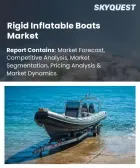
세계의 경질 팽창식 보트(RIB) 시장은 견고한 선체와 공기 주입식 튜브를 특징으로 하는 경량 고성능 선박을 대상으로 하며, 주로 구조, 국방, 관광 및 해양 에너지 분야에서 활용되고 있습니다. 뛰어난 안정성, 속도, 얕은 흘수 덕분에 기존 보트로는 대응할 수 없는 가혹한 환경에서도 운용이 가능합니다. RIB에 대한 수요 증가는 해상 재생에너지 프로젝트의 급속한 확장에 크게 힘입고 있으며, 신속한 전개가 가능해짐에 따라 풍력 터빈의 설치 및 유지보수 효율이 향상되고 있습니다. 사업자들이 인력과 장비 수송을 위해 범용성이 높은 선박을 요구하는 가운데, 각 제조업체들은 연료 효율 향상과 배기가스 감축을 위해 전기 추진 시스템을 탑재한 모듈식 설계 혁신에 힘쓰고 있습니다. 이러한 운영 효율성 제고를 위한 노력은 파트너십의 기회를 확대하고, 나아가 시장 성장을 가속하는 동시에, 비용 절감과 규제 준수를 보장하는 지속 가능한 솔루션을 창출하고 있습니다.
세계 경질 팽창식 보트(RIB) 시장의 성장 요인
세계 경질 팽창식 보트(RIB) 시장은 해안 당국과 인도주의 지원 단체들이 신속 대응 활동에 이러한 선박을 활용하는 데 대한 관심이 높아짐에 따라 눈부신 성장을 이루고 있습니다. 뛰어난 속도와 안정성 덕분에 광활한 수역을 효율적으로 순찰할 수 있어 중요한 임무에 최적입니다. 운항 사업자들은 신속한 출동과 가혹한 상황에서도 항해가 가능하며, 조난자의 안전한 구조를 확실하게 보장할 수 있다는 점을 높이 평가했습니다. 이러한 기능적 이점이 선단 확대를 촉진하고 있어, 제조업체들은 진화하는 구조 프로토콜에 부합하도록 설계를 개선하는 데 주력할 수밖에 없게 되었습니다. 그 결과, 다양한 지역에 걸쳐 나타나는 이러한 꾸준한 수요가 시장의 확대와 발전을 더욱 촉진하고 있습니다.
세계 경질 팽창식 보트(RIB) 시장의 제약 요인
세계 경질 팽창식 보트(RIB) 시장은 성장을 저해할 수 있는 몇 가지 과제에 직면해 있습니다. 이러한 보트의 제조 과정에는 전문적인 기술과 고품질의 소재가 필요하며, 그 결과 기존 선박에 비해 생산 비용이 높아집니다. 이러한 가격 책정으로 인해 예산을 중시하는 소비자, 특히 소규모 사업자나 신흥 시장의 사업자들에게는 제품을 구하기 어려워졌으며, 이들은 종종 재정적 제약에 직면하고 있어 선단 확대나 시장 보급에 차질을 빚고 있습니다. 게다가, 비용을 중시하는 정부 기관은 더 저렴한 대체품을 우선시하는 경향이 있어, 경질 팽창식 보트가 일반적으로 갖추고 있는 뛰어난 성능에도 불구하고 시장의 성장세가 더욱 둔화되고 있습니다. 이러한 요인들이 복합적으로 작용하여 시장 발전에 큰 제약 요인이 되고 있습니다.
세계 경질 팽창식 보트(RIB) 시장 동향
세계 경질 팽창식 보트(RIB) 시장에서는 환경 규제 강화와 배기가스 감축을 요구하는 소비자 수요를 배경으로, 하이브리드 추진 시스템 도입을 향한 뚜렷한 추세가 나타나고 있습니다. 운항 사업자는 기존의 엔진과 배터리 모듈을 통합함으로써 경질 팽창식 보트의 성능을 향상시키고 있습니다. 이를 통해 정숙성이 향상되고, 연료 소비량이 감소하며, 해상 활동 시 항속 거리가 연장되었습니다. 이에 대응하여 각 제조업체들은 다양한 추진 옵션에 대응할 수 있도록 모듈식 선체 설계를 혁신하고 있으며, 이러한 선박이 가진 경량이라는 장점을 유지하면서 성능 특성을 맞춤형으로 조정할 수 있게 하고 있습니다. 이러한 변화는 부품 공급업체와의 협력을 강화하고 업계 내 지속 가능한 노력을 주도하고 있으며, 환경에 대한 책임에 대한 보다 광범위한 노력을 반영하고 있습니다.
자주 묻는 질문
목차
서론
조사 방법
주요 요약
시장 역학과 전망
주요 시장 인사이트
세계의 경질 팽창식 보트(RIB) 시장 규모 : 전체 길이별
세계의 경질 팽창식 보트(RIB) 시장 규모 : 용도별
세계의 경질 팽창식 보트(RIB) 시장 규모 : 튜브 소재별
세계의 경질 팽창식 보트(RIB) 시장 규모 : 최종사용자별
세계의 경질 팽창식 보트(RIB) 시장 규모 : 유통별
세계의 경질 팽창식 보트(RIB) 시장 규모 : 지역별
경쟁 정보
주요 기업 개요
결론과 제안
LSH 26.07.09Global Rigid Inflatable Boats Market size was valued at USD 1.52 Billion in 2024 and is poised to grow from USD 1.61 Billion in 2025 to USD 2.52 Billion by 2033, growing at a CAGR of 5.81% during the forecast period (2026-2033).
The Global Rigid Inflatable Boats (RIB) market encompasses lightweight, high-performance vessels characterized by solid hulls and inflatable tubes, primarily utilized in rescue, defense, tourism, and offshore energy sectors. Their superior stability, speed, and shallow draft enable operation in challenging environments where traditional boats are ineffective. The increasing demand for RIBs is significantly driven by the rapid expansion of offshore renewable energy projects, enabling swift deployments that enhance the efficiency of wind turbine installation and maintenance. As operators seek versatile vessels for transporting personnel and equipment, manufacturers are innovating modular designs with electric propulsion systems to improve fuel efficiency and reduce emissions. This dedication to operational efficiency opens avenues for partnerships, thereby propelling market growth and creating sustainable solutions that ensure cost savings and regulatory compliance.
Top-down and bottom-up approaches were used to estimate and validate the size of the Global Rigid Inflatable Boats market and to estimate the size of various other dependent submarkets. The research methodology used to estimate the market size includes the following details: The key players in the market were identified through secondary research, and their market shares in the respective regions were determined through primary and secondary research. This entire procedure includes the study of the annual and financial reports of the top market players and extensive interviews for key insights from industry leaders such as CEOs, VPs, directors, and marketing executives. All percentage shares split, and breakdowns were determined using secondary sources and verified through Primary sources. All possible parameters that affect the markets covered in this research study have been accounted for, viewed in extensive detail, verified through primary research, and analyzed to get the final quantitative and qualitative data.
Global Rigid Inflatable Boats Market Segments Analysis
Global rigid inflatable boats market is segmented by length, application, tube material, end-user, distribution and region. Based on length, the market is segmented into Below 5m, 5-8m and Above 8m. Based on application, the market is segmented into Military & Coast Guard, Recreational/Leisure, Commercial (Pilot, Survey) and Rescue Operations. Based on tube material, the market is segmented into Hypalon (CSM), PVC and Polyurethane. Based on end-user, the market is segmented into Military & Government and Private Consumers. Based on distribution, the market is segmented into Marine Dealers and Direct Sales. Based on region, the market is segmented into North America, Europe, Asia Pacific, Latin America and Middle East & Africa.
Driver of the Global Rigid Inflatable Boats Market
The Global Rigid Inflatable Boats market is experiencing significant growth due to the rising interest from coastal authorities and humanitarian organizations in utilizing these vessels for rapid response operations. Their exceptional speed and stability allow for efficient coverage of vast water areas, making them ideal for critical missions. Operators appreciate their ability to launch promptly and navigate challenging conditions while ensuring safe extraction for individuals in distress. This functional advantage propels fleet expansion, compelling manufacturers to focus on design enhancements that align with evolving rescue protocols. Consequently, this consistent demand across various regions further fuels the market's expansion and development.
Restraints in the Global Rigid Inflatable Boats Market
The Global Rigid Inflatable Boats market faces several obstacles that can hinder its growth. The manufacturing process of these boats requires specialized techniques and higher quality materials, resulting in elevated production costs compared to traditional watercraft. This pricing makes them less accessible for budget-conscious consumers, particularly smaller operators and those in emerging markets, who often encounter financial constraints that impede fleet expansion and market adoption. Additionally, cost-sensitive government entities may prioritize cheaper alternatives, further stagnating market momentum despite the superior performance capabilities that rigid inflatable boats typically offer. This combination of factors poses a significant restraint to market progression.
Market Trends of the Global Rigid Inflatable Boats Market
The Global Rigid Inflatable Boats market is witnessing a notable trend toward the adoption of hybrid propulsion systems, driven by increasing environmental regulations and consumer demand for lower emissions. Operators are enhancing the performance of rigid inflatable boats by integrating conventional engines with battery modules, which offer quieter operations, reduced fuel consumption, and extended range for offshore activities. In response, manufacturers are innovating modular chassis designs to accommodate various propulsion options, enabling customization of performance attributes while preserving the lightweight advantages of these vessels. This shift is fostering collaborations with component suppliers and promoting sustainable practices within the industry, reflecting a broader commitment to environmental responsibility.
Table of Contents
Introduction
- Objectives of the Study
- Market Definition & Scope
Research Methodology
- Research Process
- Secondary & Primary Data Methods
- Market Size Estimation Methods
Executive Summary
- Global Market Outlook
- Key Market Highlights
- Segmental Overview
- Competition Overview
Market Dynamics & Outlook
- Macro-Economic Indicators
- Drivers & Opportunities
- Restraints & Challenges
- Supply Side Trends
- Demand Side Trends
- Porters Analysis & Impact
- Competitive Rivalry
- Threat of Substitute
- Bargaining Power of Buyers
- Threat of New Entrants
- Bargaining Power of Suppliers
Key Market Insights
- Key Success Factors
- Market Impacting Factors
- Top Investment Pockets
- Ecosystem Mapping
- Market Attractiveness Index 2025
- PESTEL Analysis
- Regulatory Landscape
Global Rigid Inflatable Boats Market Size by Length & CAGR (2026-2033)
- Market Overview
- Below 5m
- 5-8m
- Above 8m
Global Rigid Inflatable Boats Market Size by Application & CAGR (2026-2033)
- Market Overview
- Military & Coast Guard
- Recreational/Leisure
- Commercial (Pilot, Survey)
- Rescue Operations
Global Rigid Inflatable Boats Market Size by Tube Material & CAGR (2026-2033)
- Market Overview
- Hypalon (CSM)
- PVC
- Polyurethane
Global Rigid Inflatable Boats Market Size by End-User & CAGR (2026-2033)
- Market Overview
- Military & Government
- Private Consumers
Global Rigid Inflatable Boats Market Size by Distribution & CAGR (2026-2033)
- Market Overview
- Marine Dealers
- Direct Sales
Global Rigid Inflatable Boats Market Size & CAGR (2026-2033)
- North America (Length, Application, Tube Material, End-User, Distribution)
- US
- Canada
- Europe (Length, Application, Tube Material, End-User, Distribution)
- Germany
- Spain
- France
- UK
- Italy
- Rest of Europe
- Asia Pacific (Length, Application, Tube Material, End-User, Distribution)
- China
- India
- Japan
- South Korea
- Rest of Asia-Pacific
- Latin America (Length, Application, Tube Material, End-User, Distribution)
- Mexico
- Brazil
- Rest of Latin America
- Middle East & Africa (Length, Application, Tube Material, End-User, Distribution)
- GCC Countries
- South Africa
- Rest of Middle East & Africa
Competitive Intelligence
- Top 5 Player Comparison
- Market Positioning of Key Players, 2025
- Strategies Adopted by Key Market Players
- Recent Developments in the Market
- Company Market Share Analysis, 2025
- Company Profiles of All Key Players
- Company Details
- Product Portfolio Analysis
- Company's Segmental Share Analysis
- Revenue Y-O-Y Comparison (2023-2025)
Key Company Profiles
- Zodiac Nautic (Groupe Zodiac)
- Company Overview
- Business Segment Overview
- Financial Updates
- Key Developments
- RIBCRAFT
- Company Overview
- Business Segment Overview
- Financial Updates
- Key Developments
- Highfield Boats
- Company Overview
- Business Segment Overview
- Financial Updates
- Key Developments
- Brig Enterprise
- Company Overview
- Business Segment Overview
- Financial Updates
- Key Developments
- GRAND Marine Inflatables
- Company Overview
- Business Segment Overview
- Financial Updates
- Key Developments
- Ribmaster Marine Group
- Company Overview
- Business Segment Overview
- Financial Updates
- Key Developments
- Avon Marine (Survitec)
- Company Overview
- Business Segment Overview
- Financial Updates
- Key Developments
- Gemini Marine Products
- Company Overview
- Business Segment Overview
- Financial Updates
- Key Developments
- Narwhal (AB Inflatables)
- Company Overview
- Business Segment Overview
- Financial Updates
- Key Developments
- Lomac SpA
- Company Overview
- Business Segment Overview
- Financial Updates
- Key Developments
- BWA Yachts
- Company Overview
- Business Segment Overview
- Financial Updates
- Key Developments
- ASIS Boats
- Company Overview
- Business Segment Overview
- Financial Updates
- Key Developments
- Osprey Ribs
- Company Overview
- Business Segment Overview
- Financial Updates
- Key Developments
- Armstrong Marine
- Company Overview
- Business Segment Overview
- Financial Updates
- Key Developments
- Selcraft Group
- Company Overview
- Business Segment Overview
- Financial Updates
- Key Developments
- Winboat
- Company Overview
- Business Segment Overview
- Financial Updates
- Key Developments
- Scorpion RIB
- Company Overview
- Business Segment Overview
- Financial Updates
- Key Developments
- Bombard (Zodiac)
- Company Overview
- Business Segment Overview
- Financial Updates
- Key Developments
- Honda Marine (Honwave)
- Company Overview
- Business Segment Overview
- Financial Updates
- Key Developments
- Mercury Marine (Brunswick)
- Company Overview
- Business Segment Overview
- Financial Updates
- Key Developments


