
|
시장보고서
상품코드
2102205
선불식 전력 미터 시장 규모, 점유율, 성장 분석 : 기술별, 미터 유형별, 통신 기술별, 지불 방법별, 최종사용자별, 설치 형태별, 지역별 - 업계 예측(2026-2033년)Prepaid Electricity Metering Market Size, Share, and Growth Analysis, By Technology, By Meter Type, By Communication Technology, By Payment Mode, By End User, By Installation Type, By Region - Industry Forecast 2026-2033 |
||||||

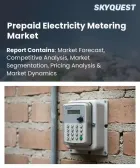
세계의 선불식 전력 미터 시장은 효율적인 에너지 관리 솔루션에 대한 수요 상승을 반영하여 강력한 성장하고 있습니다. 이 업계는 최종사용자에 전력을 선급금 하는 구조를 제공하여, 미납 문제를 효과적으로 경감하고, 전력 사업자 캐시 플로우를 개선하고 있습니다. 주요 성장 촉진요인으로서는, 모바일 머니 생태계의 확대를 들 수 있습니다. 그로 인해 원활한 지불 옵션이 실현하고, 빈번한 거래가 촉진되고 있습니다. 또한 IoT 기술의 도입은 이 분야에 더 많은 변혁을 가져와, 기존 미터를, 실시간 분석과 원격 관리 기능을 갖춘 스마트 디바이스로 변모시켰습니다. 소비자는 즉시 통지나 디지털 지갑에의 충전 등 기능 혜택을 받는 한편, 전력회사는, 청구 자동화나 현장 방문 절감을 통해 업무를 효율화하고 있습니다. 이러한 동향은 대체로, 에너지 효율 향상과 소비자 관여 촉진에서 선불식 전력 미터가 완수하는 중요성을 부조로 하고 있습니다.
시장 촉진요인
세계 시장의 주요 촉진요인 중 하나는 지속가능성과 친환경 제품에 대한 수요 증가입니다. 소비자의 환경 의식이 높아짐에 따라 기업들은 이러한 기대에 부응하기 위해 지속가능한 이니셔티브를 도입하고 제품 라인을 혁신해야 하는 압박을 받고 있습니다. 이러한 변화는 소비자의 선호도뿐만 아니라 규제적 압력과 기업의 사회적 책임(CSR)의 필요성에 의해서도 추진되고 있습니다. 기업들이 브랜드 이미지와 경쟁력을 향상시키는 가운데, 지속가능한 개발에 대한 집중은 그린 기술 투자를 촉진하여 에너지, 제조, 소비재 등 다양한 분야의 성장으로 이어지고 있습니다.
시장 제약요인
세계 시장의 주요 제약요인 중 하나는 원자재 가격의 변동성으로, 이는 다양한 산업의 생산 비용에 중대한 영향을 미칠 수 있습니다. 수급 변동, 지정학적 긴장, 자연재해 등이 원자재 조달의 불확실성을 높이고 있습니다. 이러한 불확실성은 장기적인 계획이나 투자를 방해하고, 기업에 이익률 압박이라는 위험을 초래할 가능성이 있습니다. 또한, 기업은 품질을 확보하면서도 경쟁력 있는 가격을 유지하는 데 어려움을 겪을 수 있으며, 이는 궁극적으로 소비자 수요 감소로 이어질 우려가 있습니다. 기업이 이러한 과제에 대처하는 과정에서 전 세계 시장 전체의 성장 잠재력에 부정적인 영향이 미칠 수 있습니다.
시장 동향
스마트 그리드 통합을 향한 시장 동향은 선불식 전력 계량기의 보급을 특징으로 하는 전력 공급 분야의 혁신적인 변화를 부각시키고 있습니다. 첨단 스마트 그리드 프레임워크에 통합된 이러한 장치는 실시간 소비량 모니터링을 가능하게 하며, 동적 가격 책정 및 효율적인 부하 분산과 같은 애플리케이션을 실현합니다. 원격 모니터링과 예측 유지보수의 중요성이 커지는 가운데, 클라우드 기술은 원활한 계정 관리를 가능하게 하여 사용자 경험 향상에 매우 중요한 역할을 하고 있습니다. 에너지 관리의 디지털화를 향한 규제 당국의 추진에 힘입어, 주거, 상업, 산업 시장을 포함한 다양한 소비자 부문에서 IoT 지원 선불 계량기 솔루션의 통합이 촉진되고 있으며, 자원 활용을 최적화하는 수요 주도형 에너지 솔루션이 육성되고 있습니다.
자주 묻는 질문
목차
소개
조사 방법
주요 요약
시장 역학과 전망
주요 시장 인사이트
세계의 선불식 전력 미터 시장 규모 : 기술별
세계의 선불식 전력 미터 시장 규모 : 미터 종류별
세계의 선불식 전력 미터 시장 규모 : 커뮤니케이션 기술별
세계의 선불식 전력 미터 시장 규모 : 결제 수단별
세계의 선불식 전력 미터 시장 규모 : 최종사용자별
세계의 선불식 전력 미터 시장 규모 : 설치 유형별
세계의 선불식 전력 미터 시장 규모 : 판매 채널별
세계의 선불식 전력 미터 시장 규모 : 지역별
경쟁 정보
주요 기업 개요
결론과 제안
KSM 26.08.03The global prepaid electricity metering market is experiencing robust growth, reflecting an increasing demand for efficient energy management solutions. This industry offers end-users a mechanism to pre-purchase electricity, effectively reducing non-payment issues and improving cash flow for utility providers. Significant growth drivers include the expansion of the mobile money ecosystem, facilitating seamless payment options and encouraging frequent transactions. The adoption of IoT technology has further revolutionized this sector, transforming traditional meters into intelligent devices that provide real-time analytics and remote management capabilities. Consumers benefit from features like instant notifications and digital wallet recharges, while utilities streamline operations through automated billing and reduced field visits. Collectively, these trends underscore the importance of prepaid electricity metering in enhancing energy efficiency and consumer engagement.
Top-down and bottom-up approaches were used to estimate and validate the size of the market and to estimate the size of various other dependent submarkets. The research methodology used to estimate the market size includes the following details: The key players in the market were identified through secondary research, and their market shares in the respective regions were determined through primary and secondary research. This entire procedure includes the study of the annual and financial reports of the top market players and extensive interviews for key insights from industry leaders such as CEOs, VPs, directors, and marketing executives. All percentage shares split, and breakdowns were determined using secondary sources and verified through Primary sources. All possible parameters that affect the markets covered in this research study have been accounted for, viewed in extensive detail, verified through primary research, and analyzed to get the final quantitative and qualitative data.
Market Segments Analysis
Global prepaid electricity metering market is segmented by technology, meter type, communication technology, payment mode, end user, installation type, sales channel and region. Based on technology, the market is segmented into Smart Prepaid Electricity Meters and Conventional Prepaid Electricity Meters. Based on meter type, the market is segmented into Single-Phase Prepaid Meters and Three-Phase Prepaid Meters. Based on communication technology, the market is segmented into Radio Frequency (RF), Power Line Communication (PLC), Cellular (2G/3G/4G/5G, NB-IoT, LTE-M), Wi-Fi and Others. Based on payment mode, the market is segmented into Smart Card-Based, Keypad Token-Based and Online/Digital Recharge. Based on end user, the market is segmented into Residential, Commercial, Industrial and Utilities & Public Infrastructure. Based on installation type, the market is segmented into New Installations and Retrofit Installations. Based on sales channel, the market is segmented into Direct Sales (Utilities/Tenders), System Integrators & EPC Contractors and Distributors & Channel Partners. Based on region, the market is segmented into North America, Europe, Asia Pacific, Latin America and Middle East & Africa.
Driver of the Market
One of the key market drivers for the global market is the increasing demand for sustainability and eco-friendly products. As consumers become more environmentally conscious, companies are compelled to adopt sustainable practices and innovate their product lines to meet these expectations. This shift is not only influenced by consumer preferences but also driven by regulatory pressures and the need for corporate social responsibility. As businesses strive to enhance their brand image and competitiveness, the focus on sustainable development encourages investment in green technologies, leading to growth across various sectors, including energy, manufacturing, and consumer goods.
Restraints in the Market
One key market restraint for the global market is the volatility of raw material prices, which can significantly impact production costs across various industries. Fluctuations in supply and demand, geopolitical tensions, and natural disasters contribute to unpredictability in material sourcing. This uncertainty can hinder long-term planning and investment, causing businesses to face potential profit margin squeeze. Additionally, companies may struggle to maintain competitive pricing while ensuring quality, which could ultimately lead to reduced consumer demand. As businesses navigate these challenges, the overall growth potential of the global market may be adversely affected.
Market Trends of the Market
The market trend toward smart grid integration underscores a transformative shift in electricity provision, characterized by the widespread adoption of prepaid electricity meters. These devices, embedded within advanced smart grid frameworks, facilitate real-time consumption monitoring, enabling applications such as dynamic pricing and efficient load balancing. As remote monitoring and predictive maintenance become pivotal, cloud technologies play a crucial role in enhancing user experiences by allowing seamless account management. The regulatory push for digitized energy management fuels the integration of IoT-enabled prepaid metering solutions across diverse consumer sectors, including residential, commercial, and industrial markets, fostering demand-driven energy solutions that optimize resource utilization.
Table of Contents
Introduction
- Objectives of the Study
- Market Definition & Scope
Research Methodology
- Research Process
- Secondary & Primary Data Methods
- Market Size Estimation Methods
Executive Summary
- Global Market Outlook
- Key Market Highlights
- Segmental Overview
- Competition Overview
Market Dynamics & Outlook
- Macro-Economic Indicators
- Drivers & Opportunities
- Restraints & Challenges
- Supply Side Trends
- Demand Side Trends
- Porters Analysis & Impact
- Competitive Rivalry
- Threat of Substitute
- Bargaining Power of Buyers
- Threat of New Entrants
- Bargaining Power of Suppliers
Key Market Insights
- Key Success Factors
- Market Impacting Factors
- Top Investment Pockets
- Ecosystem Mapping
- Market Attractiveness Index 2025
- PESTEL Analysis
- Regulatory Landscape
Global Prepaid Electricity Metering Market Size by Technology & CAGR (2026-2033)
- Market Overview
- Smart Prepaid Electricity Meters
- Conventional Prepaid Electricity Meters
Global Prepaid Electricity Metering Market Size by Meter Type & CAGR (2026-2033)
- Market Overview
- Single-Phase Prepaid Meters
- Three-Phase Prepaid Meters
Global Prepaid Electricity Metering Market Size by Communication Technology & CAGR (2026-2033)
- Market Overview
- Radio Frequency (RF)
- Power Line Communication (PLC)
- Cellular (2G/3G/4G/5G, NB-IoT, LTE-M)
- Wi-Fi
- Others
Global Prepaid Electricity Metering Market Size by Payment Mode & CAGR (2026-2033)
- Market Overview
- Smart Card-Based
- Keypad Token-Based
- Online/Digital Recharge
Global Prepaid Electricity Metering Market Size by End User & CAGR (2026-2033)
- Market Overview
- Residential
- Commercial
- Industrial
- Utilities & Public Infrastructure
Global Prepaid Electricity Metering Market Size by Installation Type & CAGR (2026-2033)
- Market Overview
- New Installations
- Retrofit Installations
Global Prepaid Electricity Metering Market Size by Sales Channel & CAGR (2026-2033)
- Market Overview
- Direct Sales (Utilities/Tenders)
- System Integrators & EPC Contractors
- Distributors & Channel Partners
Global Prepaid Electricity Metering Market Size & CAGR (2026-2033)
- North America (Technology, Meter Type, Communication Technology, Payment Mode, End User, Installation Type, Sales Channel)
- US
- Canada
- Europe (Technology, Meter Type, Communication Technology, Payment Mode, End User, Installation Type, Sales Channel)
- Germany
- Spain
- France
- UK
- Italy
- Rest of Europe
- Asia Pacific (Technology, Meter Type, Communication Technology, Payment Mode, End User, Installation Type, Sales Channel)
- China
- India
- Japan
- South Korea
- Rest of Asia-Pacific
- Latin America (Technology, Meter Type, Communication Technology, Payment Mode, End User, Installation Type, Sales Channel)
- Mexico
- Brazil
- Rest of Latin America
- Middle East & Africa (Technology, Meter Type, Communication Technology, Payment Mode, End User, Installation Type, Sales Channel)
- GCC Countries
- South Africa
- Rest of Middle East & Africa
Competitive Intelligence
- Top 5 Player Comparison
- Market Positioning of Key Players, 2025
- Strategies Adopted by Key Market Players
- Recent Developments in the Market
- Company Market Share Analysis, 2025
- Company Profiles of All Key Players
- Company Details
- Product Portfolio Analysis
- Company's Segmental Share Analysis
- Revenue Y-O-Y Comparison (2023-2025)
Key Company Profiles
- Landis+Gyr Group AG
- Company Overview
- Business Segment Overview
- Financial Updates
- Key Developments
- Itron Inc.
- Company Overview
- Business Segment Overview
- Financial Updates
- Key Developments
- Schneider Electric SE
- Company Overview
- Business Segment Overview
- Financial Updates
- Key Developments
- Siemens AG
- Company Overview
- Business Segment Overview
- Financial Updates
- Key Developments
- Aclara Technologies LLC
- Company Overview
- Business Segment Overview
- Financial Updates
- Key Developments
- Honeywell International Inc.
- Company Overview
- Business Segment Overview
- Financial Updates
- Key Developments
- Secure Meters Limited
- Company Overview
- Business Segment Overview
- Financial Updates
- Key Developments
- Kamstrup A/S
- Company Overview
- Business Segment Overview
- Financial Updates
- Key Developments
- HPL Electric & Power Limited
- Company Overview
- Business Segment Overview
- Financial Updates
- Key Developments
- Genus Power Infrastructures Ltd.
- Company Overview
- Business Segment Overview
- Financial Updates
- Key Developments
- Wasion Holdings Limited
- Company Overview
- Business Segment Overview
- Financial Updates
- Key Developments
- Hexing Electrical Co. Ltd.
- Company Overview
- Business Segment Overview
- Financial Updates
- Key Developments
- Chint Group Co. Ltd.
- Company Overview
- Business Segment Overview
- Financial Updates
- Key Developments
- Sagemcom
- Company Overview
- Business Segment Overview
- Financial Updates
- Key Developments
- Linyang Energy Co. Ltd.
- Company Overview
- Business Segment Overview
- Financial Updates
- Key Developments
- Ningbo Sanxing Medical Electric Co. Ltd.
- Company Overview
- Business Segment Overview
- Financial Updates
- Key Developments
- Inhemeter Co. Ltd.
- Company Overview
- Business Segment Overview
- Financial Updates
- Key Developments
- Alpha Technologies Services Inc.
- Company Overview
- Business Segment Overview
- Financial Updates
- Key Developments
- EDMI Limited
- Company Overview
- Business Segment Overview
- Financial Updates
- Key Developments
- Conlog Pty Ltd
- Company Overview
- Business Segment Overview
- Financial Updates
- Key Developments


