|
시장보고서
상품코드
1934211
오존 발생기 시장 : 세계 산업 규모, 점유율, 동향, 기회 및 예측 - 기술별, 용도별, 최종 용도별, 유형별, 지역별&경쟁(2021-2031년)Ozone Generator Market - Global Industry Size, Share, Trends, Opportunity, and Forecast, Segmented By Technology, By Application, By End-Use, By Type, By Region & Competition, 2021-2031F |
||||||

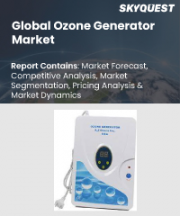
세계의 오존 발생기 시장은 2025년 18억 2,000만 달러에서 2031년까지 28억 2,000만 달러로 성장하고, CAGR 7.57%를 나타낼 것으로 예측됩니다. 이 장치는 고전압 방전 또는 자외선을 이용하여 오존 가스를 생성합니다. 오존 가스는 강력한 산화제이며, 물 소독부터 산업 악취 관리까지 다양한 용도로 사용되고 있습니다. 이 분야의 성장은 주로 폐수에 대한 엄격한 환경 규제와 미량 오염물질 및 병원균 제거가 필요한 고품질 식수에 대한 전 세계 수요 증가에 의해 촉진되고 있습니다. 미국 상수도 협회(AWWA)가 2024년에 지적한 바와 같이, 조사 대상 상수도 유틸리티자의 61.3%가 수원 보호 계획을 적극적으로 추진하고 있으며, 이는 공급 안전과 규제 준수를 보장하기 위해 오존 처리와 같은 첨단 기술을 필요로 하는 전략적 움직임입니다.
| 시장 개요 | |
|---|---|
| 예측 기간 | 2027-2031년 |
| 시장 규모 : 2025년 | 18억 2,000만 달러 |
| 시장 규모 : 2031년 | 28억 2,000만 달러 |
| CAGR : 2026-2031년 | 7.57% |
| 가장 성장이 빠른 부문 | 자치체용 |
| 최대 시장 | 북미 |
이러한 시장 성장 동인에도 불구하고, 산업용 오존 시스템 운영에 필요한 막대한 초기 투자비용과 높은 에너지 비용이 시장 확대의 걸림돌로 작용하고 있습니다. 이러한 재정적 장애물 외에도 가스 누출과 같은 안전 위험 관리에 따른 기술적 복잡성이 결합되어 소규모 지자체나 비용에 민감한 산업 시설에서 도입에 어려움을 겪을 수 있습니다. 그 결과, 고도의 처리 능력에 대한 수요가 증가하고 있는 반면, 이러한 시스템을 도입하고 유지하는 데 따르는 경제적, 운영적 부담은 제한된 자원을 가진 조직에게 여전히 큰 장벽으로 작용하고 있습니다.
시장 성장 동인
세계 오존 발생기 시장의 주요 촉진요인은 노후화된 공공 네트워크의 갱신과 인구 증가에 대응해야 하는 지자체 상하수도 인프라의 확장입니다. 도시화가 가속화됨에 따라 정부 및 유틸리티 사업자는 규제 준수 및 폐수 품질 향상을 위해 시설 현대화에 많은 자금을 투입하고 있으며, 이는 고급 오존 소독 시스템의 도입을 직접적으로 촉진하고 있습니다. 예를 들어, Ocean and Coastal Futures의 2025년 9월 보고서에 따르면, 템즈워터가 운영 안정화 및 처리 시설 업데이트를 위해 205억 파운드의 투자 계획을 제안하고 있으며, 효율적인 처리 기술을 필요로 하는 인프라 내성 강화를 위한 막대한 자금이 유입될 것으로 예측됩니다. 유입이 분명합니다.
동시에 화학물질을 사용하지 않고 잔류물이 없는 소독 방법에 대한 수요 증가, 특히 에너지 및 반도체 제조와 같은 산업 분야에서 수요가 시장을 주도하고 있습니다. 산업 분야에서는 유해한 화학적 부산물을 생성하지 않고 엄격한 초순수 기준을 달성하기 위해 오존 용액으로 전환하고 있으며, 이는 기존의 염소 소독으로는 달성할 수 없는 특성입니다. 이러한 변화는 중요한 상업적 성과에도 반영되어 있습니다. 예를 들어, 베올리아는 2025년 5월, 고도정화 기술을 이용한 주요 반도체 프로젝트를 포함한 수처리 기술 계약으로 7억 5,000만 달러 규모의 계약을 체결했다고 발표했습니다. 또한, 자이렘은 2025년과 2024년 연간 매출액이 86억 달러에 달할 것으로 예상하고 있으며, 이는 첨단 처리 솔루션 도입을 뒷받침하는 탄탄한 재무구조를 뒷받침합니다.
시장의 과제
오존 발생 시스템에 필요한 막대한 자금 투입이 시장 성장의 주요 제약 요인으로 작용하고 있습니다. 산업용 오존 발생기는 설치에 많은 초기 투자가 필요할 뿐만 아니라, 에너지 집약형이기 때문에 지속적인 운영비용이 많이 소요됩니다. 이러한 경제적 부담은 특히 예산이 한정된 소규모 지자체나 산업시설의 경우 더욱 심각하여 보다 저렴한 대안을 선택해야 하고, 첨단 소독 기술 채택을 미룰 수밖에 없는 상황이 발생하고 있습니다.
또한, 유틸리티자의 재정적 부담으로 인해 이러한 시설물 교체에 투입될 수 있는 자금이 제한되어 있습니다. 미국 정수협회(NACWA)에 따르면, 2024년 하수처리 서비스 평균 비용은 3.7% 상승했습니다. 이 증가는 주로 운영 비용의 급등과 노후화된 인프라의 긴급 복구 필요성에 기인합니다. 이러한 재정적 압박으로 인해 수도사업자들은 복잡한 처리 시스템 도입보다 필수 유지관리 업무를 우선시할 수밖에 없었고, 이는 세계 오존 발생기 시장의 성장세를 직접적으로 둔화시키는 요인으로 작용하고 있습니다.
시장 동향
시장에서의 두드러진 추세는 오존 발생 장치를 자외선(UV) 조사 장치 및 과산화수소 시스템과 통합하여 고도 산화 처리(AOP)를 확립하려는 움직임입니다. 이는 복잡한 산업 폐수 처리 및 난분해성 유기오염물질(POPs) 제거에 있어 산화 능력을 크게 향상시킵니다. 이러한 발전은 PFAS 및 의약품 잔류물과 같은 난분해성 화합물을 분해하는 기존 소독 방법의 한계에 기인하며, 상수도 유틸리티자가 보다 진보된 산화 기술에 많은 투자를 하는 계기가 되었습니다. 이러한 변화는 주요 시장 동향에 의해 두드러지게 나타나고 있습니다. 예를 들어, 베올리아가 2025년 11월 호주의 물 안보를 위한 기술 혁신 도입에 7억 호주 달러 상당의 계약을 체결한 것은 고성능 처리 솔루션에 투입될 막대한 자본을 상징합니다.
상업 분야에서는 호텔, 병원, 상업용 세탁시설이 적극적으로 오존 주입식 세탁 시스템으로 전환하고 있습니다. 냉수 세탁이 가능한 이 시스템은 에너지 소비를 줄이고, 린넨의 수명을 연장하며, 화학 세제 사용량을 최소화할 수 있습니다. 오존 기반 세탁 솔루션 도입은 열 소독을 산화 처리로 대체하여 에너지 집약적인 온수 사이클을 없애고, 접객 산업과 의료 산업의 운영 경제성을 근본적으로 재구성하고 있습니다. 오아시스 세탁소가 2025년에 보고한 바에 따르면, 현대식 오존 시스템을 도입한 상업시설에서 세제 사용량이 30% 감소했다고 합니다. 이러한 운영 비용 절감 실적이 이 기술의 광범위한 보급을 가속화하고 있습니다.
자주 묻는 질문
목차
제1장 개요
제2장 조사 방법
제3장 주요 요약
제4장 고객의 소리
제5장 세계의 오존 발생기 시장 전망
제6장 북미의 오존 발생기 시장 전망
제7장 유럽의 오존 발생기 시장 전망
제8장 아시아태평양의 오존 발생기 시장 전망
제9장 중동 및 아프리카의 오존 발생기 시장 전망
제10장 남미의 오존 발생기 시장 전망
제11장 시장 역학
제12장 시장 동향과 발전
제13장 세계의 오존 발생기 시장 : SWOT 분석
제14장 Porter의 Five Forces 분석
제15장 경쟁 구도
제16장 전략적 제안
제17장 회사 소개 및 면책조항
LSH 26.03.03The Global Ozone Generator Market is projected to expand from USD 1.82 Billion in 2025 to USD 2.82 Billion by 2031, registering a CAGR of 7.57%. These devices utilize high-voltage electrical discharges or ultraviolet light to create ozone gas, a powerful oxidizing agent used for tasks ranging from water disinfection to industrial odor management. Growth in this sector is primarily spurred by strict environmental laws regarding wastewater discharge and the increasing global demand for high-quality potable water, which requires the elimination of micropollutants and pathogens. As noted by the American Water Works Association in 2024, 61.3% of surveyed water utilities were actively pursuing source water protection plans, a strategic move that demands advanced technologies like ozonation to guarantee supply safety and regulatory adherence.
| Market Overview | |
|---|---|
| Forecast Period | 2027-2031 |
| Market Size 2025 | USD 1.82 Billion |
| Market Size 2031 | USD 2.82 Billion |
| CAGR 2026-2031 | 7.57% |
| Fastest Growing Segment | Municipal |
| Largest Market | North America |
Despite these drivers, market expansion faces obstacles due to the substantial initial capital investment and high energy costs required to operate industrial-grade ozone systems. These financial hurdles, coupled with the technical complexities involved in managing safety risks like gas leakage, can hinder adoption among smaller municipalities and cost-conscious industrial facilities. Consequently, while the demand for advanced treatment capabilities is rising, the economic and operational demands of installing and maintaining these systems remain a significant barrier for entities with limited resources.
Market Driver
A major catalyst for the Global Ozone Generator Market is the expansion of municipal water and wastewater infrastructure, necessitated by the need to upgrade aging utility networks and accommodate population growth. As urbanization accelerates, governments and utilities are allocating significant funding toward modernizing facilities to ensure regulatory compliance and enhance effluent quality, which directly supports the adoption of advanced ozone disinfection systems. For instance, a September 2025 report by Ocean and Coastal Futures highlighted Thames Water's proposed £20.5 billion investment plan to stabilize operations and upgrade treatment facilities, demonstrating the massive capital flow toward infrastructure resilience that requires efficient treatment technologies.
Simultaneously, the market is being propelled by a rising demand for chemical-free and residue-free disinfection methods, particularly within industrial sectors such as energy and semiconductor manufacturing. Industries are increasingly turning to ozone solutions to achieve stringent ultrapure water standards without generating harmful chemical byproducts, a capability that traditional chlorination lacks. This shift is reflected in significant commercial milestones; for example, Veolia announced in May 2025 that it secured $750 million in water technology contracts, including a major semiconductor project using advanced purification. Furthermore, Xylem reported a full-year 2024 revenue of $8.6 billion in 2025, underscoring the strong financial landscape that underpins the adoption of advanced treatment solutions.
Market Challenge
The significant financial commitment necessary for ozone generation systems serves as a primary restraint on market growth. Industrial-grade ozone generators require not only a substantial initial capital expenditure for installation but also incur high ongoing operational costs due to their energy-intensive requirements. This economic burden is particularly severe for smaller municipalities and industrial facilities with limited budgets, often compelling them to postpone the adoption of advanced disinfection technologies in favor of less expensive alternatives.
Furthermore, the strain on utility finances restricts the capital available for such upgrades. According to the National Association of Clean Water Agencies, the average cost of wastewater services rose by 3.7 percent in 2024, an increase driven largely by soaring operational expenses and the urgent need to repair aging infrastructure. This growing financial pressure forces water managers to prioritize essential maintenance tasks over the installation of complex treatment systems, thereby directly decelerating the growth trajectory of the global ozone generator market.
Market Trends
A prominent trend in the market is the integration of ozone generators with Ultraviolet (UV) light or Hydrogen Peroxide systems to establish Advanced Oxidation Processes (AOP), which significantly boost oxidation potential for treating complex industrial wastewater and eliminating persistent organic pollutants. This development is driven by the limitations of traditional disinfection methods in degrading recalcitrant compounds such as PFAS and pharmaceutical residues, prompting utilities to invest heavily in more sophisticated oxidation technologies. This shift is highlighted by major market activities, such as Veolia securing contracts valued at AUD 700 million in November 2025 to deploy technological innovations for water security in Australia, signaling the substantial capital being directed toward high-performance treatment solutions.
In the commercial sector, hotels, hospitals, and commercial laundries are actively transitioning to ozone-injected laundry systems that enable cold water washing, resulting in reduced energy consumption, extended linen lifespan, and minimized chemical detergent use. This adoption of ozone-based laundry solutions is fundamentally reshaping the operational economics of the hospitality and healthcare industries by replacing thermal disinfection with oxidation, thereby eliminating the need for energy-intensive hot water cycles. The efficiency gains are tangible; as reported by Oasis Laundry in 2025, a commercial facility using modern ozone systems achieved a 30% reduction in detergent usage, validating the operational cost savings that are accelerating the technology's widespread integration.
Key Market Players
- Mitsubishi Electric Corporation
- Toshiba Corporation
- Daikin Industries Ltd.
- Suez Utilities Company
- Ozone Tech Systems
- Primozone Production AB
- Ebara Corporation
- Lenntech
- ESCO International
- Pinnacle Ozone Solutions LLC
Report Scope
In this report, the Global Ozone Generator Market has been segmented into the following categories, in addition to the industry trends which have also been detailed below:
Ozone Generator Market, By Technology
- Ultraviolet
- Cold Plasma
- Corona Discharge
- Electrolytic
Ozone Generator Market, By Application
- Water Treatment
- Air Purification
- Laboratory & Medical Equipment
- Others
Ozone Generator Market, By End-Use
- Industrial
- Residential
- Municipal
- Commercial
Ozone Generator Market, By Type
- Large Ozone Generator (>5kg/h)
- Middle Ozone Generator (100 gm/h- 5 kg/h)
- Small Ozone Generator (<100 gm/h)
Ozone Generator Market, By Region
- North America
- United States
- Canada
- Mexico
- Europe
- France
- United Kingdom
- Italy
- Germany
- Spain
- Asia Pacific
- China
- India
- Japan
- Australia
- South Korea
- South America
- Brazil
- Argentina
- Colombia
- Middle East & Africa
- South Africa
- Saudi Arabia
- UAE
Competitive Landscape
Company Profiles: Detailed analysis of the major companies present in the Global Ozone Generator Market.
Available Customizations:
Global Ozone Generator Market report with the given market data, TechSci Research offers customizations according to a company's specific needs. The following customization options are available for the report:
Company Information
- Detailed analysis and profiling of additional market players (up to five).
Table of Contents
1. Product Overview
- 1.1. Market Definition
- 1.2. Scope of the Market
- 1.2.1. Markets Covered
- 1.2.2. Years Considered for Study
- 1.2.3. Key Market Segmentations
2. Research Methodology
- 2.1. Objective of the Study
- 2.2. Baseline Methodology
- 2.3. Key Industry Partners
- 2.4. Major Association and Secondary Sources
- 2.5. Forecasting Methodology
- 2.6. Data Triangulation & Validation
- 2.7. Assumptions and Limitations
3. Executive Summary
- 3.1. Overview of the Market
- 3.2. Overview of Key Market Segmentations
- 3.3. Overview of Key Market Players
- 3.4. Overview of Key Regions/Countries
- 3.5. Overview of Market Drivers, Challenges, Trends
4. Voice of Customer
5. Global Ozone Generator Market Outlook
- 5.1. Market Size & Forecast
- 5.1.1. By Value
- 5.2. Market Share & Forecast
- 5.2.1. By Technology (Ultraviolet, Cold Plasma, Corona Discharge, Electrolytic)
- 5.2.2. By Application (Water Treatment, Air Purification, Laboratory & Medical Equipment, Others)
- 5.2.3. By End-Use (Industrial, Residential, Municipal, Commercial)
- 5.2.4. By Type (Large Ozone Generator (>5kg/h), Middle Ozone Generator (100 gm/h- 5 kg/h), Small Ozone Generator (<100 gm/h))
- 5.2.5. By Region
- 5.2.6. By Company (2025)
- 5.3. Market Map
6. North America Ozone Generator Market Outlook
- 6.1. Market Size & Forecast
- 6.1.1. By Value
- 6.2. Market Share & Forecast
- 6.2.1. By Technology
- 6.2.2. By Application
- 6.2.3. By End-Use
- 6.2.4. By Type
- 6.2.5. By Country
- 6.3. North America: Country Analysis
- 6.3.1. United States Ozone Generator Market Outlook
- 6.3.1.1. Market Size & Forecast
- 6.3.1.1.1. By Value
- 6.3.1.2. Market Share & Forecast
- 6.3.1.2.1. By Technology
- 6.3.1.2.2. By Application
- 6.3.1.2.3. By End-Use
- 6.3.1.2.4. By Type
- 6.3.1.1. Market Size & Forecast
- 6.3.2. Canada Ozone Generator Market Outlook
- 6.3.2.1. Market Size & Forecast
- 6.3.2.1.1. By Value
- 6.3.2.2. Market Share & Forecast
- 6.3.2.2.1. By Technology
- 6.3.2.2.2. By Application
- 6.3.2.2.3. By End-Use
- 6.3.2.2.4. By Type
- 6.3.2.1. Market Size & Forecast
- 6.3.3. Mexico Ozone Generator Market Outlook
- 6.3.3.1. Market Size & Forecast
- 6.3.3.1.1. By Value
- 6.3.3.2. Market Share & Forecast
- 6.3.3.2.1. By Technology
- 6.3.3.2.2. By Application
- 6.3.3.2.3. By End-Use
- 6.3.3.2.4. By Type
- 6.3.3.1. Market Size & Forecast
- 6.3.1. United States Ozone Generator Market Outlook
7. Europe Ozone Generator Market Outlook
- 7.1. Market Size & Forecast
- 7.1.1. By Value
- 7.2. Market Share & Forecast
- 7.2.1. By Technology
- 7.2.2. By Application
- 7.2.3. By End-Use
- 7.2.4. By Type
- 7.2.5. By Country
- 7.3. Europe: Country Analysis
- 7.3.1. Germany Ozone Generator Market Outlook
- 7.3.1.1. Market Size & Forecast
- 7.3.1.1.1. By Value
- 7.3.1.2. Market Share & Forecast
- 7.3.1.2.1. By Technology
- 7.3.1.2.2. By Application
- 7.3.1.2.3. By End-Use
- 7.3.1.2.4. By Type
- 7.3.1.1. Market Size & Forecast
- 7.3.2. France Ozone Generator Market Outlook
- 7.3.2.1. Market Size & Forecast
- 7.3.2.1.1. By Value
- 7.3.2.2. Market Share & Forecast
- 7.3.2.2.1. By Technology
- 7.3.2.2.2. By Application
- 7.3.2.2.3. By End-Use
- 7.3.2.2.4. By Type
- 7.3.2.1. Market Size & Forecast
- 7.3.3. United Kingdom Ozone Generator Market Outlook
- 7.3.3.1. Market Size & Forecast
- 7.3.3.1.1. By Value
- 7.3.3.2. Market Share & Forecast
- 7.3.3.2.1. By Technology
- 7.3.3.2.2. By Application
- 7.3.3.2.3. By End-Use
- 7.3.3.2.4. By Type
- 7.3.3.1. Market Size & Forecast
- 7.3.4. Italy Ozone Generator Market Outlook
- 7.3.4.1. Market Size & Forecast
- 7.3.4.1.1. By Value
- 7.3.4.2. Market Share & Forecast
- 7.3.4.2.1. By Technology
- 7.3.4.2.2. By Application
- 7.3.4.2.3. By End-Use
- 7.3.4.2.4. By Type
- 7.3.4.1. Market Size & Forecast
- 7.3.5. Spain Ozone Generator Market Outlook
- 7.3.5.1. Market Size & Forecast
- 7.3.5.1.1. By Value
- 7.3.5.2. Market Share & Forecast
- 7.3.5.2.1. By Technology
- 7.3.5.2.2. By Application
- 7.3.5.2.3. By End-Use
- 7.3.5.2.4. By Type
- 7.3.5.1. Market Size & Forecast
- 7.3.1. Germany Ozone Generator Market Outlook
8. Asia Pacific Ozone Generator Market Outlook
- 8.1. Market Size & Forecast
- 8.1.1. By Value
- 8.2. Market Share & Forecast
- 8.2.1. By Technology
- 8.2.2. By Application
- 8.2.3. By End-Use
- 8.2.4. By Type
- 8.2.5. By Country
- 8.3. Asia Pacific: Country Analysis
- 8.3.1. China Ozone Generator Market Outlook
- 8.3.1.1. Market Size & Forecast
- 8.3.1.1.1. By Value
- 8.3.1.2. Market Share & Forecast
- 8.3.1.2.1. By Technology
- 8.3.1.2.2. By Application
- 8.3.1.2.3. By End-Use
- 8.3.1.2.4. By Type
- 8.3.1.1. Market Size & Forecast
- 8.3.2. India Ozone Generator Market Outlook
- 8.3.2.1. Market Size & Forecast
- 8.3.2.1.1. By Value
- 8.3.2.2. Market Share & Forecast
- 8.3.2.2.1. By Technology
- 8.3.2.2.2. By Application
- 8.3.2.2.3. By End-Use
- 8.3.2.2.4. By Type
- 8.3.2.1. Market Size & Forecast
- 8.3.3. Japan Ozone Generator Market Outlook
- 8.3.3.1. Market Size & Forecast
- 8.3.3.1.1. By Value
- 8.3.3.2. Market Share & Forecast
- 8.3.3.2.1. By Technology
- 8.3.3.2.2. By Application
- 8.3.3.2.3. By End-Use
- 8.3.3.2.4. By Type
- 8.3.3.1. Market Size & Forecast
- 8.3.4. South Korea Ozone Generator Market Outlook
- 8.3.4.1. Market Size & Forecast
- 8.3.4.1.1. By Value
- 8.3.4.2. Market Share & Forecast
- 8.3.4.2.1. By Technology
- 8.3.4.2.2. By Application
- 8.3.4.2.3. By End-Use
- 8.3.4.2.4. By Type
- 8.3.4.1. Market Size & Forecast
- 8.3.5. Australia Ozone Generator Market Outlook
- 8.3.5.1. Market Size & Forecast
- 8.3.5.1.1. By Value
- 8.3.5.2. Market Share & Forecast
- 8.3.5.2.1. By Technology
- 8.3.5.2.2. By Application
- 8.3.5.2.3. By End-Use
- 8.3.5.2.4. By Type
- 8.3.5.1. Market Size & Forecast
- 8.3.1. China Ozone Generator Market Outlook
9. Middle East & Africa Ozone Generator Market Outlook
- 9.1. Market Size & Forecast
- 9.1.1. By Value
- 9.2. Market Share & Forecast
- 9.2.1. By Technology
- 9.2.2. By Application
- 9.2.3. By End-Use
- 9.2.4. By Type
- 9.2.5. By Country
- 9.3. Middle East & Africa: Country Analysis
- 9.3.1. Saudi Arabia Ozone Generator Market Outlook
- 9.3.1.1. Market Size & Forecast
- 9.3.1.1.1. By Value
- 9.3.1.2. Market Share & Forecast
- 9.3.1.2.1. By Technology
- 9.3.1.2.2. By Application
- 9.3.1.2.3. By End-Use
- 9.3.1.2.4. By Type
- 9.3.1.1. Market Size & Forecast
- 9.3.2. UAE Ozone Generator Market Outlook
- 9.3.2.1. Market Size & Forecast
- 9.3.2.1.1. By Value
- 9.3.2.2. Market Share & Forecast
- 9.3.2.2.1. By Technology
- 9.3.2.2.2. By Application
- 9.3.2.2.3. By End-Use
- 9.3.2.2.4. By Type
- 9.3.2.1. Market Size & Forecast
- 9.3.3. South Africa Ozone Generator Market Outlook
- 9.3.3.1. Market Size & Forecast
- 9.3.3.1.1. By Value
- 9.3.3.2. Market Share & Forecast
- 9.3.3.2.1. By Technology
- 9.3.3.2.2. By Application
- 9.3.3.2.3. By End-Use
- 9.3.3.2.4. By Type
- 9.3.3.1. Market Size & Forecast
- 9.3.1. Saudi Arabia Ozone Generator Market Outlook
10. South America Ozone Generator Market Outlook
- 10.1. Market Size & Forecast
- 10.1.1. By Value
- 10.2. Market Share & Forecast
- 10.2.1. By Technology
- 10.2.2. By Application
- 10.2.3. By End-Use
- 10.2.4. By Type
- 10.2.5. By Country
- 10.3. South America: Country Analysis
- 10.3.1. Brazil Ozone Generator Market Outlook
- 10.3.1.1. Market Size & Forecast
- 10.3.1.1.1. By Value
- 10.3.1.2. Market Share & Forecast
- 10.3.1.2.1. By Technology
- 10.3.1.2.2. By Application
- 10.3.1.2.3. By End-Use
- 10.3.1.2.4. By Type
- 10.3.1.1. Market Size & Forecast
- 10.3.2. Colombia Ozone Generator Market Outlook
- 10.3.2.1. Market Size & Forecast
- 10.3.2.1.1. By Value
- 10.3.2.2. Market Share & Forecast
- 10.3.2.2.1. By Technology
- 10.3.2.2.2. By Application
- 10.3.2.2.3. By End-Use
- 10.3.2.2.4. By Type
- 10.3.2.1. Market Size & Forecast
- 10.3.3. Argentina Ozone Generator Market Outlook
- 10.3.3.1. Market Size & Forecast
- 10.3.3.1.1. By Value
- 10.3.3.2. Market Share & Forecast
- 10.3.3.2.1. By Technology
- 10.3.3.2.2. By Application
- 10.3.3.2.3. By End-Use
- 10.3.3.2.4. By Type
- 10.3.3.1. Market Size & Forecast
- 10.3.1. Brazil Ozone Generator Market Outlook
11. Market Dynamics
- 11.1. Drivers
- 11.2. Challenges
12. Market Trends & Developments
- 12.1. Merger & Acquisition (If Any)
- 12.2. Product Launches (If Any)
- 12.3. Recent Developments
13. Global Ozone Generator Market: SWOT Analysis
14. Porter's Five Forces Analysis
- 14.1. Competition in the Industry
- 14.2. Potential of New Entrants
- 14.3. Power of Suppliers
- 14.4. Power of Customers
- 14.5. Threat of Substitute Products
15. Competitive Landscape
- 15.1. Mitsubishi Electric Corporation
- 15.1.1. Business Overview
- 15.1.2. Products & Services
- 15.1.3. Recent Developments
- 15.1.4. Key Personnel
- 15.1.5. SWOT Analysis
- 15.2. Toshiba Corporation
- 15.3. Daikin Industries Ltd.
- 15.4. Suez Utilities Company
- 15.5. Ozone Tech Systems
- 15.6. Primozone Production AB
- 15.7. Ebara Corporation
- 15.8. Lenntech
- 15.9. ESCO International
- 15.10. Pinnacle Ozone Solutions LLC