|
시장보고서
상품코드
1967651
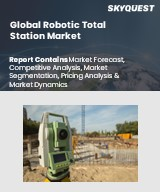
토탈 스테이션 시장 : 세계 산업 규모, 점유율, 동향, 기회, 예측 - 유형별, 제공 형태별, 용도별, 지역별, 경쟁(2021-2031년)Total Stations Market - Global Industry Size, Share, Trends, Opportunity, and Forecast, Segmented By Type, By Offering, By Application, By Region & Competition, 2021-2031F |
||||||

세계의 토탈 스테이션 시장은 2025년 27억 8,000만 달러에서 2031년까지 43억 4,000만 달러로 확대하며, CAGR 7.71%를 기록할 것으로 예측되고 있습니다.
토탈 스테이션은 경사 거리와 수직 및 수평 각도를 측정하기 위해 설계된 첨단 전자광학 기기로, 현대 건설 및 측량에서 중요한 역할을 하고 있습니다. 시장 성장은 주로 대규모 인프라 프로젝트에 대한 수요 증가와 신흥 경제국의 지속적인 도시화에 의해 주도되고 있으며, 이 두 가지 모두 정밀한 지형 공간 데이터를 필요로 합니다. 또한 토목 공학의 정확성에 대한 엄격한 규제 요건과 스마트 시티 개념의 광범위한 도입은 이러한 측량 기술의 채택을 지속적으로 촉진하는 구체적인 촉진요인으로 작용하고 있습니다.
| 시장 개요 | |
|---|---|
| 예측 기간 | 2027-2031 |
| 시장 규모 : 2025년 | 27억 8,000만 달러 |
| 시장 규모 : 2031년 | 43억 4,000만 달러 |
| CAGR : 2026-2031년 | 7.71% |
| 가장 빠르게 성장하는 부문 | 로보틱스 |
| 최대 시장 | 북미 |
이러한 호재가 있는 반면, 경제적 제약과 프로젝트 파이프라인의 축소로 인해 시장은 큰 장벽에 직면해 있습니다. 이러한 상황은 신규 설비투자 지연으로 이어지는 경우가 많으며, 최근 건설 업계 전반을 아우르는 업계 평가에도 이러한 둔화 추세가 반영되어 있습니다. 예를 들어 영국 왕립 공인 측량사 협회(RICS)가 2024년 말 발표한 보고서에 따르면 전 세계 조사 참여자의 약 54%가 건설 활동을 제한하는 중요한 요인으로 수요 부족을 꼽았으며, 이는 2021년 이후 최고치를 기록했습니다. 이러한 수요 측면의 압력은 토탈스테이션의 신속한 조달과 이용 확대에 어려운 환경을 조성하고 있습니다.
시장 성장 촉진요인
세계 인프라 개발의 확대는 토탈 스테이션 시장의 주요 촉진요인으로 작용하고 있습니다. 정부와 민간기업이 주택, 유틸리티, 교통 프로젝트에 많은 투자를 하고 있기 때문입니다. 이러한 건설 붐에서 규제 준수와 구조적 무결성을 보장하기 위해 정밀한 측량 장비가 필요합니다. 미국 인구조사국이 2024년 11월에 발표한 '2024년 9월 월간 건설 지출' 데이터에 따르면 미국의 건설 지출은 계절 조정된 연간 2조 1,488억 달러로 추정되며, 이는 오차를 최소화하고 공사 기간을 유지하는 툴의 필요성을 높이는 고가치 환경을 강조하고 있습니다. 또한 유럽건설산업연맹(FIEC)에 따르면 2024년 유럽 연합의 토목 공사 활동은 5.9% 증가하여 다른 부문을 크게 상회하는 성장률을 보이며 지역 수요의 견고한 성장세를 지원하고 있습니다.
동시에 로봇 기술과 자동화 토탈 스테이션의 발전은 인력 부족 해소와 워크플로우 효율성 향상을 통해 장비 도입의 변화를 가져오고 있습니다. 이 장비들은 디지털 플랫폼과 통합되어 한 사람이 조작하고 데이터를 원활하게 전송할 수 있으며, 복잡한 현장의 생산성을 크게 향상시킵니다. 이러한 자동화로의 전환은 업무 현대화 및 인력 부족 해소라는 업계 전반의 목표에 부합하는 것입니다. 주요 업계 기업도 이러한 추세를 지원하고 있습니다. Trimble Inc.는 2024년 11월 '2024년 3분기 결산'에서 연간 반복 매출이 사상 최고치인 21억 9,000만 달러에 달했다고 발표했습니다. 이는 전년 대비 13% 증가한 수치로, 회사의 디지털 전략이 기여한 것으로 분석됩니다. 이러한 재무적 성과는 현장과 사무실 간의 데이터 흐름을 효율화하는 커넥티드 자동화 솔루션에 대한 수요가 증가하고 있음을 반영합니다.
시장이 해결해야 할 과제
프로젝트 파이프라인의 축소와 경제적 제약의 지속은 세계 토탈스테이션 시장의 성장에 큰 장벽이 되고 있습니다. 건설 및 엔지니어링 기업이 자금 조달 전망이 불투명하거나 예정된 작업량 감소에 직면할 경우, 신규 자산 취득보다 사업 운영의 유동성 확보를 우선시하는 경우가 많습니다. 이러한 재정적 신중한 태도는 고정밀 측정 장비의 구매를 미루게 하고, 기업은 새로운 모델로의 업데이트보다 기존 장비의 수명을 연장하는 것을 선택하게 됩니다. 결과적으로 프로젝트 수주 상황과 장비 조달은 직접적인 상관관계가 있으므로 계획된 인프라 활동이 조금만 축소되어도 하드웨어 수주가 즉시 감소합니다.
이러한 프로젝트 예비력 감소 추세는 시장 확대의 여지를 실질적으로 제한하고 있습니다. 미국건설업협회(ABC)에 따르면 2024년 8월 건설 수주잔고 지표가 8.2개월까지 하락하여 전년 대비 향후 진행될 계약 작업량이 크게 감소했음을 알 수 있습니다. 수주잔고 감소는 측량회사들에게 향후 매출이 불안정해질 수 있음을 시사하며, 엄격한 예산 관리 조치를 촉구합니다. 그 결과, 토탈스테이션의 조달은 종종 미룰 수 있는 지출로 분류되어 경제적으로 신중한 태도가 요구되는 시기에 전체 시장의 모멘텀을 둔화시키는 요인으로 작용합니다.
시장 동향
토탈 스테이션에 고속 3D 레이저 스캐닝 및 이미징 기능을 통합하여 시장의 하드웨어 환경을 근본적으로 변화시키고 있습니다. 이러한 추세는 기존의 광학 측정과 첨단 현실 캡처 기술의 융합을 의미하며, 작업자는 단일 하이브리드 장비로 고밀도 점군 데이터와 고해상도 이미지를 얻을 수 있게 됩니다. 이러한 기능을 통합함으로써 측량 회사는 많은 현장에서 별도의 레이저 스캐너를 필요로 하지 않고 지형 측량 및 준공검증을 위한 현장 작업 흐름을 크게 효율화할 수 있습니다. 이러한 다기능성에 대한 의존도가 높아지는 것은 최근 장비 소유 통계에서도 알 수 있습니다. Trimble Inc.가 2024년 10월에 발표한 '측량사를 위한 지형 측량 속도를 높이는 스캐닝 토탈스테이션의 5가지 장점'에 따르면 900명 이상의 응답자 중 34%가 스캐닝 기능이 있는 토탈스테이션을 소유하고 있는 것으로 나타났습니다.
동시에 빌딩 정보 모델링(BIM) 워크플로우와의 원활한 통합은 이러한 정밀 기기의 소프트웨어 아키텍처를 재구성하고 있습니다. 건설 프로젝트에서 디지털 납기가 필수적인 상황에서 토탈 스테이션은 단순한 좌표 리스트이 아닌 3D 설계 모델과의 네이티브 연동이 필요하며, 복잡한 데이터세트를 시각화하고 디지털 트윈에서 직접 객체 지향 레이아웃을 실행할 수 있는 현장용 소프트웨어가 필수적으로 요구되고 있습니다. 필수적이라고 할 수 있습니다. 이 기능을 통해 현장의 실태가 설계 의도와 정확히 일치하고, 재시공을 줄이고, 사무실과 현장의 간극을 좁힐 수 있습니다. 이 조사 기법의 광범위한 보급은 하드웨어 업그레이드를 강력하게 추진하는 요인으로 작용하고 있습니다. 2024년 10월에 발표된 NBS '디지털 건설 보고서'에 따르면 조사 대상 건설 전문가의 70%가 BIM 프로세스를 채택하고 있으며, 제조업체는 고정밀 데이터 상호운용성을 우선시할 수밖에 없는 상황입니다.
자주 묻는 질문
목차
제1장 개요
제2장 조사 방법
제3장 개요
제4장 고객의 소리
제5장 세계의 토탈 스테이션 시장 전망
제6장 북미의 토탈 스테이션 시장 전망
제7장 유럽의 토탈 스테이션 시장 전망
제8장 아시아태평양의 토탈 스테이션 시장 전망
제9장 중동 및 아프리카의 토탈 스테이션 시장 전망
제10장 남미의 토탈 스테이션 시장 전망
제11장 시장 역학
제12장 시장 동향과 발전
제13장 세계의 토탈 스테이션 시장 : SWOT 분석
제14장 Porter's Five Forces 분석
제15장 경쟁 구도
제16장 전략적 제안
제17장 조사회사 소개·면책사항
KSA 26.03.25The Global Total Stations Market is projected to expand from USD 2.78 Billion in 2025 to USD 4.34 Billion by 2031, registering a compound annual growth rate of 7.71%. Total stations are advanced electronic and optical instruments designed to measure sloping distances, as well as vertical and horizontal angles, playing a crucial role in modern construction and surveying. The market's growth is primarily driven by the rising demand for extensive infrastructure projects and continuing urbanization in emerging economies, both of which require precise geospatial data. Additionally, strict regulatory mandates regarding civil engineering precision and the widespread implementation of smart city initiatives act as specific drivers that continually encourage the adoption of these measurement technologies.
| Market Overview | |
|---|---|
| Forecast Period | 2027-2031 |
| Market Size 2025 | USD 2.78 Billion |
| Market Size 2031 | USD 4.34 Billion |
| CAGR 2026-2031 | 7.71% |
| Fastest Growing Segment | Robotic |
| Largest Market | North America |
Despite these positive indicators, the market faces a significant hurdle due to economic constraints and a softening in project pipelines, which often leads to delayed capital investment in new equipment. This slowdown is reflected in recent industry assessments covering the broader construction sector. For instance, the Royal Institution of Chartered Surveyors (RICS) reported in late 2024 that approximately 54% of global survey participants cited insufficient demand as a critical factor limiting construction activity, the highest percentage recorded since 2021. Such demand-side pressures create a challenging environment for the rapid procurement and expansion of total station usage.
Market Driver
The escalation of global infrastructure development serves as a primary catalyst for the total stations market, with governments and private entities investing heavily in residential, utility, and transportation projects. This construction boom necessitates precise surveying instruments to ensure regulatory compliance and structural integrity. Data from the U.S. Census Bureau's November 2024 release on 'Monthly Construction Spending, September 2024' estimated U.S. construction spending at a seasonally adjusted annual rate of $2,148.8 billion, highlighting the high-value environment driving the need for tools that minimize errors and maintain timelines. Furthermore, the Federation of the European Construction Industry (FIEC) noted that civil engineering activity in the European Union increased by 5.9% in 2024, significantly outperforming other segments and reinforcing regional demand.
Simultaneously, technological advancements in robotic and automated total stations are transforming equipment adoption by addressing labor shortages and improving workflow efficiency. These instruments now integrate with digital platforms to enable one-person operation and seamless data transfer, substantially boosting productivity on complex job sites. This shift toward automation aligns with the sector's broader goal to modernize operations and fill workforce gaps. Major industry players confirm this trend; Trimble Inc. reported in its 'Third Quarter 2024 Results' in November 2024 a record annualized recurring revenue of $2.19 billion, a 13% year-over-year increase attributed to its digital strategy. This financial performance reflects the growing preference for connected, automated solutions that streamline data flow between field and office.
Market Challenge
A softening in project pipelines and prevailing economic constraints act as significant barriers to the growth of the global total stations market. When construction and engineering firms encounter uncertainty regarding capital availability or a reduction in scheduled work, they often prioritize operational liquidity over acquiring new assets. This financial caution results in deferred purchasing of high-precision measurement instruments, as companies choose to extend the lifecycle of existing inventory rather than upgrading to newer models. Consequently, the direct correlation between project availability and equipment procurement means that even a moderate contraction in planned infrastructure activity leads to an immediate reduction in hardware orders.
This trend of diminishing project reserves effectively limits the capacity for market expansion. According to Associated Builders and Contractors, the Construction Backlog Indicator declined to 8.2 months in August 2024, representing a substantial decrease in contracted work scheduled for future execution compared to the previous year. A shrinking backlog signals to surveying firms that incoming revenue may be unstable, prompting strict budget control measures. As a result, the procurement of total stations is frequently categorized as a deferrable expenditure, thereby slowing overall market momentum during periods of economic caution.
Market Trends
The incorporation of high-speed 3D laser scanning and imaging capabilities into total stations is fundamentally altering the hardware landscape of the market. This trend represents a convergence of traditional optical measurement with advanced reality capture, allowing operators to collect dense point clouds and high-resolution imagery using a single hybrid instrument. By integrating these functions, surveying firms can eliminate the need for separate laser scanners on many sites, significantly streamlining field workflows for topographic surveys and as-built verification. The growing reliance on this multi-functional versatility is evident in recent equipment ownership statistics; according to Trimble Inc.'s October 2024 article '5 ways scanning total stations make topographic surveys faster for surveyors,' 34% of more than 900 respondents reported possessing a scanning-capable total station.
Seamless integration with Building Information Modeling (BIM) workflows is simultaneously reshaping the software architecture of these precision instruments. As construction projects increasingly mandate digital delivery, total stations are required to interact natively with 3D design models rather than simple coordinate lists, necessitating field software that can visualize complex datasets and perform object-oriented layout directly from the digital twin. This capability ensures that field reality aligns precisely with design intent, reducing rework and bridging the gap between the office and the job site. The widespread acceptance of this methodology acts as a powerful driver for hardware upgrades; the NBS 'Digital Construction Report' from October 2024 indicated that 70% of surveyed construction professionals have adopted BIM processes, compelling manufacturers to prioritize high-fidelity data interoperability.
Key Market Players
- Leica Geosystems AG
- Trimble Inc.
- Topcon Positioning Systems Inc.
- Hexagon AB
- Nikon Corporation
- GeoMax AG
- South Surveying & Mapping Technology Co., Ltd.
- Sichuan Shuke Instrument Co., Ltd.
- STONEX SRL
- Suzhou FOIF Co. Ltd
Report Scope
In this report, the Global Total Stations Market has been segmented into the following categories, in addition to the industry trends which have also been detailed below:
Total Stations Market, By Type
- Manual
- Robotic
Total Stations Market, By Offering
- Hardware
- Services
Total Stations Market, By Application
- Construction
- Transportation
- Utilities
- Oil & Gas
- Mining
- Agriculture
- Others
Total Stations Market, By Region
- North America
- United States
- Canada
- Mexico
- Europe
- France
- United Kingdom
- Italy
- Germany
- Spain
- Asia Pacific
- China
- India
- Japan
- Australia
- South Korea
- South America
- Brazil
- Argentina
- Colombia
- Middle East & Africa
- South Africa
- Saudi Arabia
- UAE
Competitive Landscape
Company Profiles: Detailed analysis of the major companies present in the Global Total Stations Market.
Available Customizations:
Global Total Stations Market report with the given market data, TechSci Research offers customizations according to a company's specific needs. The following customization options are available for the report:
Company Information
- Detailed analysis and profiling of additional market players (up to five).
Table of Contents
1. Product Overview
- 1.1. Market Definition
- 1.2. Scope of the Market
- 1.2.1. Markets Covered
- 1.2.2. Years Considered for Study
- 1.2.3. Key Market Segmentations
2. Research Methodology
- 2.1. Objective of the Study
- 2.2. Baseline Methodology
- 2.3. Key Industry Partners
- 2.4. Major Association and Secondary Sources
- 2.5. Forecasting Methodology
- 2.6. Data Triangulation & Validation
- 2.7. Assumptions and Limitations
3. Executive Summary
- 3.1. Overview of the Market
- 3.2. Overview of Key Market Segmentations
- 3.3. Overview of Key Market Players
- 3.4. Overview of Key Regions/Countries
- 3.5. Overview of Market Drivers, Challenges, Trends
4. Voice of Customer
5. Global Total Stations Market Outlook
- 5.1. Market Size & Forecast
- 5.1.1. By Value
- 5.2. Market Share & Forecast
- 5.2.1. By Type (Manual, Robotic)
- 5.2.2. By Offering (Hardware, Services)
- 5.2.3. By Application (Construction, Transportation, Utilities, Oil & Gas, Mining, Agriculture, Others)
- 5.2.4. By Region
- 5.2.5. By Company (2025)
- 5.3. Market Map
6. North America Total Stations Market Outlook
- 6.1. Market Size & Forecast
- 6.1.1. By Value
- 6.2. Market Share & Forecast
- 6.2.1. By Type
- 6.2.2. By Offering
- 6.2.3. By Application
- 6.2.4. By Country
- 6.3. North America: Country Analysis
- 6.3.1. United States Total Stations Market Outlook
- 6.3.1.1. Market Size & Forecast
- 6.3.1.1.1. By Value
- 6.3.1.2. Market Share & Forecast
- 6.3.1.2.1. By Type
- 6.3.1.2.2. By Offering
- 6.3.1.2.3. By Application
- 6.3.1.1. Market Size & Forecast
- 6.3.2. Canada Total Stations Market Outlook
- 6.3.2.1. Market Size & Forecast
- 6.3.2.1.1. By Value
- 6.3.2.2. Market Share & Forecast
- 6.3.2.2.1. By Type
- 6.3.2.2.2. By Offering
- 6.3.2.2.3. By Application
- 6.3.2.1. Market Size & Forecast
- 6.3.3. Mexico Total Stations Market Outlook
- 6.3.3.1. Market Size & Forecast
- 6.3.3.1.1. By Value
- 6.3.3.2. Market Share & Forecast
- 6.3.3.2.1. By Type
- 6.3.3.2.2. By Offering
- 6.3.3.2.3. By Application
- 6.3.3.1. Market Size & Forecast
- 6.3.1. United States Total Stations Market Outlook
7. Europe Total Stations Market Outlook
- 7.1. Market Size & Forecast
- 7.1.1. By Value
- 7.2. Market Share & Forecast
- 7.2.1. By Type
- 7.2.2. By Offering
- 7.2.3. By Application
- 7.2.4. By Country
- 7.3. Europe: Country Analysis
- 7.3.1. Germany Total Stations Market Outlook
- 7.3.1.1. Market Size & Forecast
- 7.3.1.1.1. By Value
- 7.3.1.2. Market Share & Forecast
- 7.3.1.2.1. By Type
- 7.3.1.2.2. By Offering
- 7.3.1.2.3. By Application
- 7.3.1.1. Market Size & Forecast
- 7.3.2. France Total Stations Market Outlook
- 7.3.2.1. Market Size & Forecast
- 7.3.2.1.1. By Value
- 7.3.2.2. Market Share & Forecast
- 7.3.2.2.1. By Type
- 7.3.2.2.2. By Offering
- 7.3.2.2.3. By Application
- 7.3.2.1. Market Size & Forecast
- 7.3.3. United Kingdom Total Stations Market Outlook
- 7.3.3.1. Market Size & Forecast
- 7.3.3.1.1. By Value
- 7.3.3.2. Market Share & Forecast
- 7.3.3.2.1. By Type
- 7.3.3.2.2. By Offering
- 7.3.3.2.3. By Application
- 7.3.3.1. Market Size & Forecast
- 7.3.4. Italy Total Stations Market Outlook
- 7.3.4.1. Market Size & Forecast
- 7.3.4.1.1. By Value
- 7.3.4.2. Market Share & Forecast
- 7.3.4.2.1. By Type
- 7.3.4.2.2. By Offering
- 7.3.4.2.3. By Application
- 7.3.4.1. Market Size & Forecast
- 7.3.5. Spain Total Stations Market Outlook
- 7.3.5.1. Market Size & Forecast
- 7.3.5.1.1. By Value
- 7.3.5.2. Market Share & Forecast
- 7.3.5.2.1. By Type
- 7.3.5.2.2. By Offering
- 7.3.5.2.3. By Application
- 7.3.5.1. Market Size & Forecast
- 7.3.1. Germany Total Stations Market Outlook
8. Asia Pacific Total Stations Market Outlook
- 8.1. Market Size & Forecast
- 8.1.1. By Value
- 8.2. Market Share & Forecast
- 8.2.1. By Type
- 8.2.2. By Offering
- 8.2.3. By Application
- 8.2.4. By Country
- 8.3. Asia Pacific: Country Analysis
- 8.3.1. China Total Stations Market Outlook
- 8.3.1.1. Market Size & Forecast
- 8.3.1.1.1. By Value
- 8.3.1.2. Market Share & Forecast
- 8.3.1.2.1. By Type
- 8.3.1.2.2. By Offering
- 8.3.1.2.3. By Application
- 8.3.1.1. Market Size & Forecast
- 8.3.2. India Total Stations Market Outlook
- 8.3.2.1. Market Size & Forecast
- 8.3.2.1.1. By Value
- 8.3.2.2. Market Share & Forecast
- 8.3.2.2.1. By Type
- 8.3.2.2.2. By Offering
- 8.3.2.2.3. By Application
- 8.3.2.1. Market Size & Forecast
- 8.3.3. Japan Total Stations Market Outlook
- 8.3.3.1. Market Size & Forecast
- 8.3.3.1.1. By Value
- 8.3.3.2. Market Share & Forecast
- 8.3.3.2.1. By Type
- 8.3.3.2.2. By Offering
- 8.3.3.2.3. By Application
- 8.3.3.1. Market Size & Forecast
- 8.3.4. South Korea Total Stations Market Outlook
- 8.3.4.1. Market Size & Forecast
- 8.3.4.1.1. By Value
- 8.3.4.2. Market Share & Forecast
- 8.3.4.2.1. By Type
- 8.3.4.2.2. By Offering
- 8.3.4.2.3. By Application
- 8.3.4.1. Market Size & Forecast
- 8.3.5. Australia Total Stations Market Outlook
- 8.3.5.1. Market Size & Forecast
- 8.3.5.1.1. By Value
- 8.3.5.2. Market Share & Forecast
- 8.3.5.2.1. By Type
- 8.3.5.2.2. By Offering
- 8.3.5.2.3. By Application
- 8.3.5.1. Market Size & Forecast
- 8.3.1. China Total Stations Market Outlook
9. Middle East & Africa Total Stations Market Outlook
- 9.1. Market Size & Forecast
- 9.1.1. By Value
- 9.2. Market Share & Forecast
- 9.2.1. By Type
- 9.2.2. By Offering
- 9.2.3. By Application
- 9.2.4. By Country
- 9.3. Middle East & Africa: Country Analysis
- 9.3.1. Saudi Arabia Total Stations Market Outlook
- 9.3.1.1. Market Size & Forecast
- 9.3.1.1.1. By Value
- 9.3.1.2. Market Share & Forecast
- 9.3.1.2.1. By Type
- 9.3.1.2.2. By Offering
- 9.3.1.2.3. By Application
- 9.3.1.1. Market Size & Forecast
- 9.3.2. UAE Total Stations Market Outlook
- 9.3.2.1. Market Size & Forecast
- 9.3.2.1.1. By Value
- 9.3.2.2. Market Share & Forecast
- 9.3.2.2.1. By Type
- 9.3.2.2.2. By Offering
- 9.3.2.2.3. By Application
- 9.3.2.1. Market Size & Forecast
- 9.3.3. South Africa Total Stations Market Outlook
- 9.3.3.1. Market Size & Forecast
- 9.3.3.1.1. By Value
- 9.3.3.2. Market Share & Forecast
- 9.3.3.2.1. By Type
- 9.3.3.2.2. By Offering
- 9.3.3.2.3. By Application
- 9.3.3.1. Market Size & Forecast
- 9.3.1. Saudi Arabia Total Stations Market Outlook
10. South America Total Stations Market Outlook
- 10.1. Market Size & Forecast
- 10.1.1. By Value
- 10.2. Market Share & Forecast
- 10.2.1. By Type
- 10.2.2. By Offering
- 10.2.3. By Application
- 10.2.4. By Country
- 10.3. South America: Country Analysis
- 10.3.1. Brazil Total Stations Market Outlook
- 10.3.1.1. Market Size & Forecast
- 10.3.1.1.1. By Value
- 10.3.1.2. Market Share & Forecast
- 10.3.1.2.1. By Type
- 10.3.1.2.2. By Offering
- 10.3.1.2.3. By Application
- 10.3.1.1. Market Size & Forecast
- 10.3.2. Colombia Total Stations Market Outlook
- 10.3.2.1. Market Size & Forecast
- 10.3.2.1.1. By Value
- 10.3.2.2. Market Share & Forecast
- 10.3.2.2.1. By Type
- 10.3.2.2.2. By Offering
- 10.3.2.2.3. By Application
- 10.3.2.1. Market Size & Forecast
- 10.3.3. Argentina Total Stations Market Outlook
- 10.3.3.1. Market Size & Forecast
- 10.3.3.1.1. By Value
- 10.3.3.2. Market Share & Forecast
- 10.3.3.2.1. By Type
- 10.3.3.2.2. By Offering
- 10.3.3.2.3. By Application
- 10.3.3.1. Market Size & Forecast
- 10.3.1. Brazil Total Stations Market Outlook
11. Market Dynamics
- 11.1. Drivers
- 11.2. Challenges
12. Market Trends & Developments
- 12.1. Merger & Acquisition (If Any)
- 12.2. Product Launches (If Any)
- 12.3. Recent Developments
13. Global Total Stations Market: SWOT Analysis
14. Porter's Five Forces Analysis
- 14.1. Competition in the Industry
- 14.2. Potential of New Entrants
- 14.3. Power of Suppliers
- 14.4. Power of Customers
- 14.5. Threat of Substitute Products
15. Competitive Landscape
- 15.1. Leica Geosystems AG
- 15.1.1. Business Overview
- 15.1.2. Products & Services
- 15.1.3. Recent Developments
- 15.1.4. Key Personnel
- 15.1.5. SWOT Analysis
- 15.2. Trimble Inc.
- 15.3. Topcon Positioning Systems Inc.
- 15.4. Hexagon AB
- 15.5. Nikon Corporation
- 15.6. GeoMax AG
- 15.7. South Surveying & Mapping Technology Co., Ltd.
- 15.8. Sichuan Shuke Instrument Co., Ltd.
- 15.9. STONEX SRL
- 15.10. Suzhou FOIF Co. Ltd