|
시장보고서
상품코드
1968503
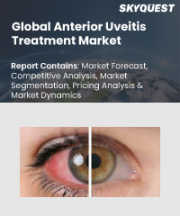
전부 포도막염 치료 시장 : 세계 산업 규모, 점유율, 동향, 기회, 예측 - 유형별, 치료법별, 지역별, 경쟁(2021-2031년)Anterior Uveitis Treatments Market - Global Industry Size, Share, Trends, Opportunity, and Forecast, Segmented By Type, By Therapy, By Region & Competition, 2021-2031F |
||||||

세계의 전부 포도막염 치료 시장은 2025년 4억 9,225만 달러에서 2031년까지 10억 2,756만 달러로 대폭 확대하며, CAGR 13.05%로 성장할 것으로 예측되고 있습니다.
이 시장에는 홍채 및 모체내 염증을 줄이기 위해 고안된 코르티코스테로이드, 산동제, 면역억제제 등의 의약품 개입이 포함됩니다. 이러한 성장을 촉진하는 주요 요인은 류마티스 관절염, 강직성 척추염 등 안과적 증상을 동반하는 자가면역질환의 유병률 증가에 기인합니다. 또한 세계 인구의 고령화도 시장 확대에 중요한 역할을 하고 있습니다. 노년층은 염증성 안질환에 걸리기 쉽기 때문에 일시적인 업계 변동을 넘어 치료 관리에 대한 지속적인 수요가 발생하고 있습니다.
| 시장 개요 | |
|---|---|
| 예측 기간 | 2027-2031 |
| 시장 규모 : 2025년 | 4억 9,225만 달러 |
| 시장 규모 : 2031년 | 10억 2,756만 달러 |
| CAGR : 2026-2031년 | 13.05% |
| 가장 빠르게 성장하는 부문 | 비감염성 포도막염 |
| 최대 시장 | 북미 |
시장 발전을 가로막는 주요 장벽은 녹내장, 백내장 형성 등 장기 스테로이드 사용에 따른 심각한 합병증 위험이며, 이는 종종 치료를 중단해야 하는 경우가 많습니다. 이러한 안전에 대한 우려는 지속적인 관리가 필요한 높은 질병 부담으로 인해 더욱 심각해지고 있습니다. 미국 안과학회(ARVO)의 2025년 조사에 따르면 미국내 포도막염 유병률은 10만 명당 234명으로 보고되어, 이 질환을 효과적으로 관리할 수 있는 보다 안전한 치료 대안이 시급히 필요한 환자층이 매우 많다는 것을 알 수 있습니다.
시장 성장 촉진요인
포도막염과 관련된 자가면역질환 증가는 전신 염증성 질환이 안과적 개입이 필요한 이차적인 안과적 합병증을 유발하는 경우가 많기 때문에 전 세계 전부 포도막염 치료 시장의 근본적인 촉진요인으로 작용하고 있습니다. 이 시장은 광범위한 자가면역질환과 함께 안과적 증상을 함께 관리해야 할 필요성에 의해 점점 더 정의되고 있으며, 치료제에 대한 안정적인 수요를 보장하고 있습니다. 2024년 10월 Modern Retina지 데이터, 특히 'AAO 2024: 미국 TriNetX 데이터베이스의 포도막염 및 관련 안과 합병증 발생률 및 유병률' 분석(환자 수 300,814명)에 따르면 강직성 척추염이 가장 흔한 전신 동반 질환으로 밝혀졌습니다. 것으로 나타났습니다. 이러한 강력한 임상적 상관관계는 전 세계에서 증가하는 자가면역질환의 부담이 전부 포도막염 치료제의 지속적인 매출 기회를 직접적으로 창출하고 있다는 것을 입증하고 있습니다.
동시에 생물제제 및 코르티코스테로이드 이식제의 채택 확대는 기존의 외용 스테로이드에 대한 고급 대안을 제공함으로써 시장 가치를 가속화하고 있습니다. 만성 스테로이드 사용의 안전상의 한계가 더욱 두드러짐에 따라 임상의들은 보다 효과적인 염증 관리를 위해 표적 생물제제나 지속형 임플란트 제제를 처방하는 경향이 증가하고 있습니다. 아비바의 2025년 1월 회계연도 재무보고서에 따르면 아비바의 면역학 포트폴리오는 2024년 4분기에만 7억 2,900만 달러의 순이익을 창출했으며, 이는 이러한 첨단 치료법의 상업적 채택이 견고하게 진행되고 있음을 반영하고 있습니다. 이러한 고효능 치료로의 전환은 매우 중요합니다. 실명예방협회가 2024년 9월에 보고한 바에 따르면 미국에서는 포도막염으로 인해 매년 약 3만 건의 신규 실명 사례가 발생하고 있으며, 효과적인 시력 보호 개입의 시급성이 강조되고 있습니다.
시장이 해결해야 할 과제
코르티코스테로이드의 안전성 프로파일은 전부 포도막염 치료 시장에서 상업적 확장을 가로막는 큰 장벽으로 작용하고 있습니다. 이러한 약물은 안구내 염증을 감소시키는 주요 치료법이지만, 장기 투여시 이차성 녹내장, 백내장 형성 등 심각한 합병증과 자주 연관되어 있습니다. 이러한 부작용으로 인해 의료진은 시력 보호를 위해 치료를 중단하거나 치료 효과보다 낮은 수준으로 감량해야 하는 경우가 많습니다. 이러한 제약으로 인해 치료 주기가 제한되고, 환자들의 처방 순응도가 떨어지면서 의약품 조제량이 직접적으로 감소하고, 시장 전체의 매출 확대가 저해되고 있습니다.
이 문제의 심각성은 눈 헬스케어의 심각한 위험에 의해 강조됩니다. 치료의 독성이 질병 자체만큼이나 해로울 수 있기 때문입니다. 2024년 미국안과학회(AAO)의 보고에 따르면 미국내 법적 실명 사례의 약 10%가 포도막염으로 인한 실명입니다. 이 질환과 영구적인 시력 상실과의 강한 상관관계는 스테로이드 처방에 대한 신중한 접근을 필요로 합니다. 결과적으로, 추가적인 시력 손상의 위험 없이 장기간 중전하게 투여할 수 없습니다는 점이 시장 침투를 막고 현재 표준 치료법의 성장 가능성을 제한하고 있습니다.
시장 동향
객관적인 염증 평가를 위한 인공지능(AI)의 통합은 기존의 세극등 검사에 내재된 주관성을 제거함으로써 진단의 지형을 바꾸고 있습니다. 첨단 기계학습 알고리즘을 활용하여 전두엽 세포 수와 플레어를 정밀하게 정량화하여 질병 진행과 치료 반응을 모니터링하는 표준화된 프레임워크를 구축했습니다. 이러한 기술적 진보는 새로운 치료법의 유효성을 검증하고 관찰자 간 변동을 최소화하기 위해 일관된 평가변수가 필요한 임상시험에서 특히 중요합니다. 2024년 12월 Dove Medical Press가 발표한 '포도막염의 인공지능: 진단 및 치료 전략의 혁신' 기사에 따르면 첨단 AI 시스템은 포도막염의 병태 분류에서 90% 이상의 정확도를 보이며 임상 판단의 표준화에 대한 잠재력을 부각시켰다고 합니다.
동시에, 새로운 비스테로이드성 파이프라인 후보물질의 발전은 만성 코르티코스테로이드 요법을 대체할 수 있는 안전한 치료 옵션을 제공함으로써 시장 역학을 재편하고 있습니다. 제약회사들은 안압 상승이나 백내장 형성의 위험 없이 염증을 효과적으로 조절하도록 설계된 키나아제 억제제 및 기타 비스테로이드성 면역 조절제 개발에 우선순위를 두고 있습니다. 이 임상시험용 약물은 국소 스테로이드와 전신 생물제제 사이의 간극을 메우는 것을 목표로 하며, 강력한 국소 투여를 통한 장기적인 관리 옵션을 제공합니다. Retinal Physician誌 2025년 5월호 '비감염성 포도막염의 현재 개발 파이프라인' 기사에 따르면 비스테로이드 후보물질 TRS01의 임상 3상 시험에서 치료 환자의 약 50%가 전방 염증 등급 0을 달성하는 등 눈에 띄는 효능을 확인했습니다.
자주 묻는 질문
목차
제1장 개요
제2장 조사 방법
제3장 개요
제4장 고객의 소리
제5장 세계의 전부 포도막염 치료 시장 전망
제6장 북미의 전부 포도막염 치료 시장 전망
제7장 유럽의 전부 포도막염 치료 시장 전망
제8장 아시아태평양의 전부 포도막염 치료 시장 전망
제9장 중동 및 아프리카의 전부 포도막염 치료 시장 전망
제10장 남미의 전부 포도막염 치료 시장 전망
제11장 시장 역학
제12장 시장 동향과 발전
제13장 세계의 전부 포도막염 치료 시장 : SWOT 분석
제14장 Porter's Five Forces 분석
제15장 경쟁 구도
제16장 전략적 제안
제17장 조사회사 소개·면책사항
KSA 26.03.26The Global Anterior Uveitis Treatments Market is projected to expand significantly, growing from USD 492.25 million in 2025 to USD 1,027.56 million by 2031, reflecting a CAGR of 13.05%. This market encompasses pharmaceutical interventions such as corticosteroids, cycloplegics, and immunosuppressive agents designed to mitigate inflammation within the iris and ciliary body. A key factor driving this growth is the rising prevalence of autoimmune diseases, such as rheumatoid arthritis and ankylosing spondylitis, which frequently manifest with ocular symptoms. Furthermore, the aging global population plays a crucial role in market expansion, as geriatric individuals are more susceptible to inflammatory eye conditions, creating a persistent demand for therapeutic management that transcends temporary industry fluctuations.
| Market Overview | |
|---|---|
| Forecast Period | 2027-2031 |
| Market Size 2025 | USD 492.25 Million |
| Market Size 2031 | USD 1,027.56 Million |
| CAGR 2026-2031 | 13.05% |
| Fastest Growing Segment | Non-Infectious Uveitis |
| Largest Market | North America |
A major obstacle hindering market progression is the risk of severe complications associated with long-term steroid use, such as glaucoma and cataract formation, which often mandate the discontinuation of treatment. This safety concern is exacerbated by the high disease burden that requires consistent management. According to the Association for Research in Vision and Ophthalmology, research conducted in 2025 identified a uveitis prevalence of 234 cases per 100,000 persons in the United States, highlighting a substantial patient population in urgent need of safer therapeutic alternatives to effectively manage their condition.
Market Driver
The increasing incidence of autoimmune diseases linked to uveitis serves as a fundamental driver for the Global Anterior Uveitis Treatments Market, as systemic inflammatory disorders frequently lead to secondary ocular complications requiring ophthalmic intervention. The market is increasingly defined by the necessity to co-manage ocular symptoms alongside broader autoimmune pathologies, ensuring a steady demand for therapeutic agents. Data from Modern Retina in October 2024, specifically the "AAO 2024: Incidence and prevalence of uveitis and associated ocular complications in the US TriNetX Database" analysis of 300,814 patients, identified ankylosing spondylitis as the most common systemic comorbidity. This strong clinical correlation confirms that the expanding global burden of autoimmune conditions directly creates sustained revenue opportunities for anterior uveitis treatments.
Simultaneously, the growing adoption of biologic therapeutics and corticosteroid implants is accelerating market value by providing sophisticated alternatives to traditional topical steroids. As the safety limitations of chronic steroid use become more evident, clinicians are increasingly prescribing targeted biologics and sustained-release implants for more effective inflammation management. According to AbbVie's January 2025 financial report, their immunology portfolio generated $7.29 billion in net revenues during the fourth quarter of 2024 alone, reflecting robust commercial adoption of these advanced therapies. This shift toward high-efficacy treatments is critical, as Prevent Blindness reported in September 2024 that uveitis causes approximately 30,000 new cases of blindness annually in the United States, underscoring the urgent need for effective sight-saving interventions.
Market Challenge
The safety profile of corticosteroids constitutes a significant barrier to the commercial expansion of the anterior uveitis treatments market. Although these agents remain the primary intervention for reducing ocular inflammation, their long-term administration is frequently linked to severe complications, including secondary glaucoma and cataract formation. These adverse events often force healthcare providers to discontinue therapy or reduce dosages to sub-therapeutic levels to protect vision. Such limitations restrict the duration of treatment cycles and compromise patient adherence to prescribed regimens, which directly lowers the volume of pharmaceutical products dispensed and impedes overall market revenue.
The severity of this challenge is emphasized by the high stakes involved in managing ocular health, where treatment toxicity can be as damaging as the disease itself. According to the American Academy of Ophthalmology in 2024, uveitis was responsible for approximately 10 percent of all legal blindness cases in the United States. This significant correlation between the condition and permanent visual loss necessitates a cautious approach to steroid prescription. Consequently, the inability to safely administer these drugs over extended periods without risking further visual impairment limits their market penetration and constrains the growth potential of the current standard of care.
Market Trends
The integration of artificial intelligence for objective inflammation grading is revolutionizing the diagnostic landscape by addressing the subjectivity inherent in traditional slit-lamp assessments. Advanced machine learning algorithms are now being deployed to precisely quantify anterior chamber cells and flare, establishing a standardized framework for monitoring disease progression and therapeutic response. This technological advancement is particularly vital for clinical trials, where consistent endpoints are required to validate new treatments and minimize inter-observer variability. As reported by Dove Medical Press in December 2024 in the "Artificial Intelligence in Uveitis: Innovations in Diagnosis and Therapeutic Strategies" article, an advanced AI system demonstrated over 90 percent accuracy in categorizing uveitic conditions, highlighting its potential to standardize clinical decision-making.
Concurrently, the advancement of novel non-steroidal pipeline candidates is reshaping market dynamics by introducing safer therapeutic alternatives to chronic corticosteroid therapy. Pharmaceutical developers are prioritizing the formulation of kinase inhibitors and other non-steroidal immunomodulators designed to effectively control inflammation without the risks of intraocular pressure elevation or cataract formation. These investigational agents aim to bridge the gap between topical steroids and systemic biologics, offering a potent, locally administered option for long-term management. According to Retinal Physician in May 2025, in the "Current Pipeline for Noninfectious Uveitis" article, a Phase 3 trial for the non-steroidal candidate TRS01 demonstrated significant efficacy, with approximately 50 percent of treated patients achieving a grade of 0 for anterior chamber inflammation.
Key Market Players
- Regeneron
- Novartis
- AbbVie
- Roche
- Pfizer
- Sandoz
- Viatris
- GlaxoSmithKline
- Bristol-Myers Squibb
- Sanofi
Report Scope
In this report, the Global Anterior Uveitis Treatments Market has been segmented into the following categories, in addition to the industry trends which have also been detailed below:
Anterior Uveitis Treatments Market, By Type
- Infectious Uveitis
- Non-Infectious Uveitis
Anterior Uveitis Treatments Market, By Therapy
- Corticosteroids
- Immunosuppressive Therapies
- Biologics
- Others
Anterior Uveitis Treatments Market, By Region
- North America
- United States
- Canada
- Mexico
- Europe
- France
- United Kingdom
- Italy
- Germany
- Spain
- Asia Pacific
- China
- India
- Japan
- Australia
- South Korea
- South America
- Brazil
- Argentina
- Colombia
- Middle East & Africa
- South Africa
- Saudi Arabia
- UAE
Competitive Landscape
Company Profiles: Detailed analysis of the major companies present in the Global Anterior Uveitis Treatments Market.
Available Customizations:
Global Anterior Uveitis Treatments Market report with the given market data, TechSci Research offers customizations according to a company's specific needs. The following customization options are available for the report:
Company Information
- Detailed analysis and profiling of additional market players (up to five).
Table of Contents
1. Product Overview
- 1.1. Market Definition
- 1.2. Scope of the Market
- 1.2.1. Markets Covered
- 1.2.2. Years Considered for Study
- 1.2.3. Key Market Segmentations
2. Research Methodology
- 2.1. Objective of the Study
- 2.2. Baseline Methodology
- 2.3. Key Industry Partners
- 2.4. Major Association and Secondary Sources
- 2.5. Forecasting Methodology
- 2.6. Data Triangulation & Validation
- 2.7. Assumptions and Limitations
3. Executive Summary
- 3.1. Overview of the Market
- 3.2. Overview of Key Market Segmentations
- 3.3. Overview of Key Market Players
- 3.4. Overview of Key Regions/Countries
- 3.5. Overview of Market Drivers, Challenges, Trends
4. Voice of Customer
5. Global Anterior Uveitis Treatments Market Outlook
- 5.1. Market Size & Forecast
- 5.1.1. By Value
- 5.2. Market Share & Forecast
- 5.2.1. By Type (Infectious Uveitis, Non-Infectious Uveitis)
- 5.2.2. By Therapy (Corticosteroids, Immunosuppressive Therapies, Biologics, Others)
- 5.2.3. By Region
- 5.2.4. By Company (2025)
- 5.3. Market Map
6. North America Anterior Uveitis Treatments Market Outlook
- 6.1. Market Size & Forecast
- 6.1.1. By Value
- 6.2. Market Share & Forecast
- 6.2.1. By Type
- 6.2.2. By Therapy
- 6.2.3. By Country
- 6.3. North America: Country Analysis
- 6.3.1. United States Anterior Uveitis Treatments Market Outlook
- 6.3.1.1. Market Size & Forecast
- 6.3.1.1.1. By Value
- 6.3.1.2. Market Share & Forecast
- 6.3.1.2.1. By Type
- 6.3.1.2.2. By Therapy
- 6.3.1.1. Market Size & Forecast
- 6.3.2. Canada Anterior Uveitis Treatments Market Outlook
- 6.3.2.1. Market Size & Forecast
- 6.3.2.1.1. By Value
- 6.3.2.2. Market Share & Forecast
- 6.3.2.2.1. By Type
- 6.3.2.2.2. By Therapy
- 6.3.2.1. Market Size & Forecast
- 6.3.3. Mexico Anterior Uveitis Treatments Market Outlook
- 6.3.3.1. Market Size & Forecast
- 6.3.3.1.1. By Value
- 6.3.3.2. Market Share & Forecast
- 6.3.3.2.1. By Type
- 6.3.3.2.2. By Therapy
- 6.3.3.1. Market Size & Forecast
- 6.3.1. United States Anterior Uveitis Treatments Market Outlook
7. Europe Anterior Uveitis Treatments Market Outlook
- 7.1. Market Size & Forecast
- 7.1.1. By Value
- 7.2. Market Share & Forecast
- 7.2.1. By Type
- 7.2.2. By Therapy
- 7.2.3. By Country
- 7.3. Europe: Country Analysis
- 7.3.1. Germany Anterior Uveitis Treatments Market Outlook
- 7.3.1.1. Market Size & Forecast
- 7.3.1.1.1. By Value
- 7.3.1.2. Market Share & Forecast
- 7.3.1.2.1. By Type
- 7.3.1.2.2. By Therapy
- 7.3.1.1. Market Size & Forecast
- 7.3.2. France Anterior Uveitis Treatments Market Outlook
- 7.3.2.1. Market Size & Forecast
- 7.3.2.1.1. By Value
- 7.3.2.2. Market Share & Forecast
- 7.3.2.2.1. By Type
- 7.3.2.2.2. By Therapy
- 7.3.2.1. Market Size & Forecast
- 7.3.3. United Kingdom Anterior Uveitis Treatments Market Outlook
- 7.3.3.1. Market Size & Forecast
- 7.3.3.1.1. By Value
- 7.3.3.2. Market Share & Forecast
- 7.3.3.2.1. By Type
- 7.3.3.2.2. By Therapy
- 7.3.3.1. Market Size & Forecast
- 7.3.4. Italy Anterior Uveitis Treatments Market Outlook
- 7.3.4.1. Market Size & Forecast
- 7.3.4.1.1. By Value
- 7.3.4.2. Market Share & Forecast
- 7.3.4.2.1. By Type
- 7.3.4.2.2. By Therapy
- 7.3.4.1. Market Size & Forecast
- 7.3.5. Spain Anterior Uveitis Treatments Market Outlook
- 7.3.5.1. Market Size & Forecast
- 7.3.5.1.1. By Value
- 7.3.5.2. Market Share & Forecast
- 7.3.5.2.1. By Type
- 7.3.5.2.2. By Therapy
- 7.3.5.1. Market Size & Forecast
- 7.3.1. Germany Anterior Uveitis Treatments Market Outlook
8. Asia Pacific Anterior Uveitis Treatments Market Outlook
- 8.1. Market Size & Forecast
- 8.1.1. By Value
- 8.2. Market Share & Forecast
- 8.2.1. By Type
- 8.2.2. By Therapy
- 8.2.3. By Country
- 8.3. Asia Pacific: Country Analysis
- 8.3.1. China Anterior Uveitis Treatments Market Outlook
- 8.3.1.1. Market Size & Forecast
- 8.3.1.1.1. By Value
- 8.3.1.2. Market Share & Forecast
- 8.3.1.2.1. By Type
- 8.3.1.2.2. By Therapy
- 8.3.1.1. Market Size & Forecast
- 8.3.2. India Anterior Uveitis Treatments Market Outlook
- 8.3.2.1. Market Size & Forecast
- 8.3.2.1.1. By Value
- 8.3.2.2. Market Share & Forecast
- 8.3.2.2.1. By Type
- 8.3.2.2.2. By Therapy
- 8.3.2.1. Market Size & Forecast
- 8.3.3. Japan Anterior Uveitis Treatments Market Outlook
- 8.3.3.1. Market Size & Forecast
- 8.3.3.1.1. By Value
- 8.3.3.2. Market Share & Forecast
- 8.3.3.2.1. By Type
- 8.3.3.2.2. By Therapy
- 8.3.3.1. Market Size & Forecast
- 8.3.4. South Korea Anterior Uveitis Treatments Market Outlook
- 8.3.4.1. Market Size & Forecast
- 8.3.4.1.1. By Value
- 8.3.4.2. Market Share & Forecast
- 8.3.4.2.1. By Type
- 8.3.4.2.2. By Therapy
- 8.3.4.1. Market Size & Forecast
- 8.3.5. Australia Anterior Uveitis Treatments Market Outlook
- 8.3.5.1. Market Size & Forecast
- 8.3.5.1.1. By Value
- 8.3.5.2. Market Share & Forecast
- 8.3.5.2.1. By Type
- 8.3.5.2.2. By Therapy
- 8.3.5.1. Market Size & Forecast
- 8.3.1. China Anterior Uveitis Treatments Market Outlook
9. Middle East & Africa Anterior Uveitis Treatments Market Outlook
- 9.1. Market Size & Forecast
- 9.1.1. By Value
- 9.2. Market Share & Forecast
- 9.2.1. By Type
- 9.2.2. By Therapy
- 9.2.3. By Country
- 9.3. Middle East & Africa: Country Analysis
- 9.3.1. Saudi Arabia Anterior Uveitis Treatments Market Outlook
- 9.3.1.1. Market Size & Forecast
- 9.3.1.1.1. By Value
- 9.3.1.2. Market Share & Forecast
- 9.3.1.2.1. By Type
- 9.3.1.2.2. By Therapy
- 9.3.1.1. Market Size & Forecast
- 9.3.2. UAE Anterior Uveitis Treatments Market Outlook
- 9.3.2.1. Market Size & Forecast
- 9.3.2.1.1. By Value
- 9.3.2.2. Market Share & Forecast
- 9.3.2.2.1. By Type
- 9.3.2.2.2. By Therapy
- 9.3.2.1. Market Size & Forecast
- 9.3.3. South Africa Anterior Uveitis Treatments Market Outlook
- 9.3.3.1. Market Size & Forecast
- 9.3.3.1.1. By Value
- 9.3.3.2. Market Share & Forecast
- 9.3.3.2.1. By Type
- 9.3.3.2.2. By Therapy
- 9.3.3.1. Market Size & Forecast
- 9.3.1. Saudi Arabia Anterior Uveitis Treatments Market Outlook
10. South America Anterior Uveitis Treatments Market Outlook
- 10.1. Market Size & Forecast
- 10.1.1. By Value
- 10.2. Market Share & Forecast
- 10.2.1. By Type
- 10.2.2. By Therapy
- 10.2.3. By Country
- 10.3. South America: Country Analysis
- 10.3.1. Brazil Anterior Uveitis Treatments Market Outlook
- 10.3.1.1. Market Size & Forecast
- 10.3.1.1.1. By Value
- 10.3.1.2. Market Share & Forecast
- 10.3.1.2.1. By Type
- 10.3.1.2.2. By Therapy
- 10.3.1.1. Market Size & Forecast
- 10.3.2. Colombia Anterior Uveitis Treatments Market Outlook
- 10.3.2.1. Market Size & Forecast
- 10.3.2.1.1. By Value
- 10.3.2.2. Market Share & Forecast
- 10.3.2.2.1. By Type
- 10.3.2.2.2. By Therapy
- 10.3.2.1. Market Size & Forecast
- 10.3.3. Argentina Anterior Uveitis Treatments Market Outlook
- 10.3.3.1. Market Size & Forecast
- 10.3.3.1.1. By Value
- 10.3.3.2. Market Share & Forecast
- 10.3.3.2.1. By Type
- 10.3.3.2.2. By Therapy
- 10.3.3.1. Market Size & Forecast
- 10.3.1. Brazil Anterior Uveitis Treatments Market Outlook
11. Market Dynamics
- 11.1. Drivers
- 11.2. Challenges
12. Market Trends & Developments
- 12.1. Merger & Acquisition (If Any)
- 12.2. Product Launches (If Any)
- 12.3. Recent Developments
13. Global Anterior Uveitis Treatments Market: SWOT Analysis
14. Porter's Five Forces Analysis
- 14.1. Competition in the Industry
- 14.2. Potential of New Entrants
- 14.3. Power of Suppliers
- 14.4. Power of Customers
- 14.5. Threat of Substitute Products
15. Competitive Landscape
- 15.1. Regeneron
- 15.1.1. Business Overview
- 15.1.2. Products & Services
- 15.1.3. Recent Developments
- 15.1.4. Key Personnel
- 15.1.5. SWOT Analysis
- 15.2. Novartis
- 15.3. AbbVie
- 15.4. Roche
- 15.5. Pfizer
- 15.6. Sandoz
- 15.7. Viatris
- 15.8. GlaxoSmithKline
- 15.9. Bristol-Myers Squibb
- 15.10. Sanofi