

|
시장보고서
상품코드
2027678
방위용 장갑 재료 시장Global Defense Armor Materials Market |
||||||

세계의 방위용 장갑 재료 시장
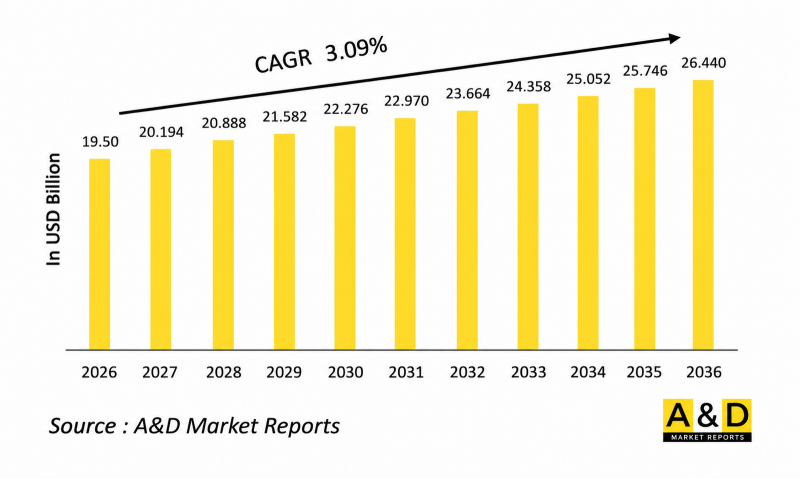
세계의 방위용 장갑 재료 시장 규모는 2026년에 추정 195억 달러로, 2036년까지 264억 4,000만 달러에 달할 것으로 예측되며, 2026-2036년의 예측 기간에 CAGR로 3.09%의 성장이 전망되고 있습니다.
1. 소개
세계의 방호용 장갑 재료 시장은 군사 보호 시스템의 주요 부문으로 탄도, 폭발 및 충격 위협을 견딜 수 있도록 설계된 재료에 초점을 맞추고 있습니다. 이러한 재료는 장갑차, 항공기, 해군 플랫폼, 방탄조끼, 헬멧 등 개인 보호 장비에 널리 사용됩니다. 시장은 기존의 스틸 소재의 보호에서 강도 대비 중량비가 향상된 첨단 복합소재, 세라믹, 합성섬유로 전환되면서 크게 진화해 왔습니다.
현대의 국방 전략은 방어 성능과 더불어 기동성을 중시하고 있으며, 생존성을 해치지 않으면서도 작전 효율성을 높일 수 있는 경량 장갑 솔루션의 채택을 촉진하고 있습니다. 아라미드 섬유, 초고분자량 폴리에틸렌, 첨단 세라믹 등의 재료가 차세대 방어 시스템에 점점 더 많이 사용되고 있습니다.
또한 시가전, 비대칭 위협 등 전쟁 환경이 복잡해짐에 따라 다용도하고 다층 구조의 장갑 시스템의 중요성이 더욱 커지고 있습니다. 그 결과, 전 세계에서 혁신, 전략적 제휴, 지속적인 국방 현대화 프로그램을 통해 시장은 계속 확대되고 있습니다.
2. 방어용 장갑 재료 시장에서 기술의 영향력
기술의 발전은 고성능, 경량화, 다기능 보호 시스템의 개발을 가능하게 하고, 방어용 장갑 재료 시장을 재편하고 있습니다. 나노테크놀러지과 재료과학의 혁신은 세라믹, 폴리머, 금속을 결합하여 보호 성능을 극대화하면서 총 중량을 줄이는 첨단 복합재료와 하이브리드 장갑 솔루션을 만들어내고 있습니다.
스마트 소재의 통합도 진행 중이며, 장갑 시스템이 위협 수준에 따라 동적으로 적응할 수 있도록 하고 있습니다. 적층조형은 복잡한 형상의 장갑과 신속한 시제품 제작을 가능하게 하여 생산 효율을 향상시키고 있습니다. 또한 고강도 아라미드 섬유와 폴리에틸렌 섬유를 포함한 섬유 기술의 발전으로 개인 보호 시스템의 유연성과 편안함이 향상되었습니다.
첨단 시뮬레이션 및 테스트 기술은 제품 개발 주기를 단축하고 가혹한 조건에서 신뢰성과 성능 향상을 보장합니다. 이러한 혁신은 전반적으로 모든 군사 플랫폼의 생존성, 기동성, 작전 준비태세 향상에 기여하고 있으며, 기술은 현대 장갑 재료 진화의 중심축이 되고 있습니다.
3. 방어용 장갑 재료 시장의 주요 촉진요인
방어용 장갑 소재 시장은 진화하는 전장 위협에 대한 보호 성능 강화에 대한 수요 증가에 힘입어 성장하고 있습니다. 유도 미사일, 폭발 장치와 같은 첨단 대전차 무기의 확산으로 인해 보다 견고하고 내구성이 뛰어난 장갑 솔루션의 지속적인 개발이 필수적입니다.
또 다른 큰 촉진요인은 보호 성능을 저하시키지 않으면서 기동성과 연료 효율을 향상시키는 경량 소재에 대한 관심이 높아지고 있다는 점입니다. 군대는 작전상 기동성을 유지하면서 다양한 플랫폼에 쉽게 통합할 수 있는 장갑 시스템을 필요로 합니다.
국방 현대화 프로그램에 대한 투자 확대도 시장 성장에 매우 중요한 역할을 하고 있습니다. 전 세계 정부가 기존 장비를 업그레이드하고 첨단 플랫폼을 조달함에 따라 혁신적인 장갑 소재에 대한 지속적인 수요가 발생하고 있습니다. 또한 군인의 생존성에 대한 관심이 높아짐에 따라 더 넓은 범위를 커버하고 편안함을 갖춘 고급 방탄 조끼 시스템의 채택이 촉진되고 있습니다.
비용 효율성과 확장성은 시장 역학에 더 많은 영향을 미치고 있으며, 대규모 배포를 위해 성능과 가용성의 균형을 갖춘 재료의 개발을 촉진하고 있습니다. 또한 수동적 방어 메커니즘과 능동적 방어 메커니즘을 결합한 통합 방어 시스템의 필요성은 제조업체의 지속적인 혁신을 촉진하여 시장이 역동적이고 기술 주도적인 상태를 유지할 수 있도록 보장합니다.
세계의 국방용 장갑 재료 시장에 대해 조사 분석했으며, 시장에 영향을 미치는 기술, 향후 10년간의 예측, 각 지역별 동향 등의 정보를 전해드립니다.
목차
국방 장갑 재료 시장 보고서의 정의
방산용 외장재 시장 세분화
향후 10년간의 국방용 외장재 시장 분석
글로벌 방산용 외장재 시장 전망
지역 방산용 외장재 시장 동향 및 전망
시장 예측 및 시나리오 분석
방산용 장갑재 시장 국가별 분석
시장 예측 및 시나리오 분석
방산용 외장재 시장의 기회 매트릭스
결론
KSA 26.05.19Global Defense Armor Materials Market
The Global Defense Armor Materials Market is estimated at USD 19.5 billion in 2026, projected to grow to USD 26.44 billion by 2036 at a Compound Annual Growth Rate (CAGR) of 3.09% over the forecast period 2026-2036.
1. Introduction
The Global Defense Armor Materials Market represents a critical segment within military protection systems, focusing on materials designed to withstand ballistic, explosive, and impact threats. These materials are widely used across armored vehicles, aircraft, naval platforms, and personal protective equipment such as body armor and helmets. The market has evolved significantly with the shift from traditional steel-based protection toward advanced composites, ceramics, and synthetic fibers that offer improved strength-to-weight ratios.
Modern defense strategies emphasize mobility alongside protection, driving the adoption of lightweight armor solutions that enhance operational efficiency without compromising survivability. Materials such as aramid fibers, ultra-high molecular weight polyethylene, and advanced ceramics are increasingly integrated into next-generation defense systems.
In addition, the growing complexity of warfare environments, including urban combat and asymmetric threats, has further increased the importance of versatile and multi-layered armor systems. As a result, the market continues to expand through innovation, strategic partnerships, and ongoing defense modernization programs worldwide.
2. Technology Impact in Defense Armor Materials Market (150 words)
Technological advancements are reshaping the Defense Armor Materials Market by enabling the development of high-performance, lightweight, and multi-functional protective systems. Innovations in nanotechnology and material science have led to the creation of advanced composites and hybrid armor solutions that combine ceramics, polymers, and metals to maximize protection while reducing overall weight.
The integration of smart materials is also emerging, allowing armor systems to adapt dynamically to different threat levels. Additive manufacturing is enhancing production efficiency by enabling complex armor geometries and rapid prototyping. Additionally, improvements in fiber technology, including high-strength aramid and polyethylene fibers, are enhancing flexibility and comfort in personal protection systems.
Advanced simulation and testing technologies are accelerating product development cycles, ensuring higher reliability and performance under extreme conditions. These innovations collectively contribute to improved survivability, mobility, and operational readiness across military platforms, making technology a central pillar in the evolution of modern armor materials.
3. Key Drivers in Defense Armor Materials Market (200 words)
The Defense Armor Materials Market is driven by the increasing demand for enhanced protection against evolving battlefield threats. The proliferation of advanced anti-armor weapons, including guided missiles and explosive devices, necessitates the continuous development of stronger and more resilient armor solutions.
Another major driver is the growing emphasis on lightweight materials that improve mobility and fuel efficiency without compromising protection. Military forces require armor systems that can be easily integrated into various platforms while maintaining operational agility.
Rising investments in defense modernization programs also play a crucial role in market growth. Governments across the globe are upgrading existing fleets and procuring advanced platforms, creating sustained demand for innovative armor materials. Additionally, the increasing focus on soldier survivability is boosting the adoption of advanced body armor systems that provide greater coverage and comfort.
Cost efficiency and scalability further influence market dynamics, encouraging the development of materials that balance performance with affordability for large-scale deployment. Moreover, the need for integrated protection systems that combine passive and active defense mechanisms is pushing manufacturers to innovate continuously, ensuring the market remains dynamic and technology-driven.
4. Regional Trends in Defense Armor Materials Market (200 words)
Regional trends in the Defense Armor Materials Market reflect varying threat perceptions, industrial capabilities, and defense priorities. North America remains a leading region due to strong defense infrastructure, advanced research capabilities, and significant investments in next-generation protection systems. The region emphasizes integrated armor solutions that combine multiple protective technologies for enhanced platform survivability.
Europe focuses on lightweight and modular armor systems, particularly for wheeled armored vehicles and personal protection equipment. Collaborative defense initiatives and strong research ecosystems contribute to innovation in advanced composites and ceramic materials.
The Asia-Pacific region is witnessing rapid growth driven by increasing defense expenditures and military modernization efforts in countries such as India and China. Regional players are investing in domestic manufacturing capabilities and advanced material development to reduce dependence on imports.
The Middle East prioritizes robust armor solutions tailored to harsh environmental conditions and asymmetric warfare scenarios. Meanwhile, emerging economies are increasingly seeking technology transfer agreements to develop local production capabilities. These regional dynamics collectively shape the global landscape, with innovation and localization emerging as key trends across markets.
5. Key Defense Armor Materials Market Program (200 words)
Key programs in the Defense Armor Materials Market are centered around enhancing vehicle survivability, reducing weight, and strengthening domestic manufacturing capabilities. One notable initiative involves collaboration between defense research organizations and manufacturing firms to develop advanced composite armor solutions for armored vehicles.
Programs focusing on hybrid armor technologies are gaining traction, combining traditional steel with advanced fibers and ceramics to achieve superior protection levels. These initiatives aim to improve resistance against modern threats while maintaining operational efficiency.
A significant example includes collaborative projects involving defense research agencies and industrial partners to produce advanced armor modules for main battle tanks and support vehicles. These programs emphasize indigenous development, reducing reliance on imports and strengthening national defense ecosystems.
Additionally, ongoing efforts in personal armor programs are enhancing soldier protection through lightweight, flexible, and ergonomic designs. Governments are also investing in testing and validation facilities to ensure compliance with stringent performance standards.
Such programs highlight the strategic importance of armor materials in defense planning, fostering innovation, industrial growth, and technological self-reliance while addressing evolving security challenges.
Table of Contents
Defense Armor Materials Market - Table of Contents
Defense Armor Materials Market Report Definition
Defense Armor Materials Market Segmentation
By Region
By Type
By Application
Defense Armor Materials Market Analysis for next 10 Years
The 10-year Defense Armor Materials Market analysis would give a detailed overview of Defense Armor Materials Market growth, changing dynamics, technology adoption overviews and the overall market attractiveness is covered in this chapter.
Market Technologies of Defense Armor Materials Market
This segment covers the top 10 technologies that is expected to impact this market and the possible implications these technologies would have on the overall market.
Global Defense Armor Materials Market Forecast
The 10-year Defense Armor Materials Market forecast of this market is covered in detailed across the segments which are mentioned above.
Regional Defense Armor Materials Market Trends & Forecast
The regional Defense Armor Materials Market trends, drivers, restraints and Challenges of this market, the Political, Economic, Social and Technology aspects are covered in this segment. The market forecast and scenario analysis across regions are also covered in detailed in this segment. The last part of the regional analysis includes profiling of the key companies, supplier landscape and company benchmarking. The current market size is estimated based on the normal scenario.
North America
Drivers, Restraints and Challenges
PEST
Market Forecast & Scenario Analysis
Key Companies
Supplier Tier Landscape
Company Benchmarking
Europe
Middle East
APAC
South America
Country Analysis of Defense Armor Materials Market
This chapter deals with the key defense programs in this market, it also covers the latest news and patents which have been filed in this market. Country level 10 year market forecast and scenario analysis are also covered in this chapter.
US
Defense Programs
Latest News
Patents
Current levels of technology maturation in this market
Market Forecast & Scenario Analysis
Canada
Italy
France
Germany
Netherlands
Belgium
Spain
Sweden
Greece
Australia
South Africa
India
China
Russia
South Korea
Japan
Malaysia
Singapore
Brazil
Opportunity Matrix for Defense Armor Materials Market
The opportunity matrix helps the readers understand the high opportunity segments in this market.
Expert Opinions on Defense Armor Materials Market Report
Hear from our experts their opinion of the possible analysis for this market.
Conclusions
About Aviation and Defense Market Reports


