|
시장보고서
상품코드
1672678
분자 품질 관리 시장 : 제품 유형별, 분석물 유형별, 용도별, 최종사용자별, 지역별Molecular Quality Control Market, By Product Type, By Analyte Type, By Application, By End Users, By Geography |
||||||

세계 분자 품질 관리 시장 규모는 2025년에는 2억 2,330만 달러, 2032년에는 3억 6,590만 달러에 달할 것으로 예상되며, 2025-2032년에는 7.3%의 연평균 복합 성장률(CAGR)을 보일 전망입니다.
| 보고 범위 | 보고서 상세 내용 | ||
|---|---|---|---|
| 기준 연도 | 2024년 | 2025년 시장 규모 | 2억 2,330만 달러 |
| 실적 데이터 | 2020-2024년 | 예측 기간 | 2025-2032년 |
| 예측 기간(2025-2032년) CAGR | 7.30% | 2032년 가치 예측 | 3억 6,590만 달러 |
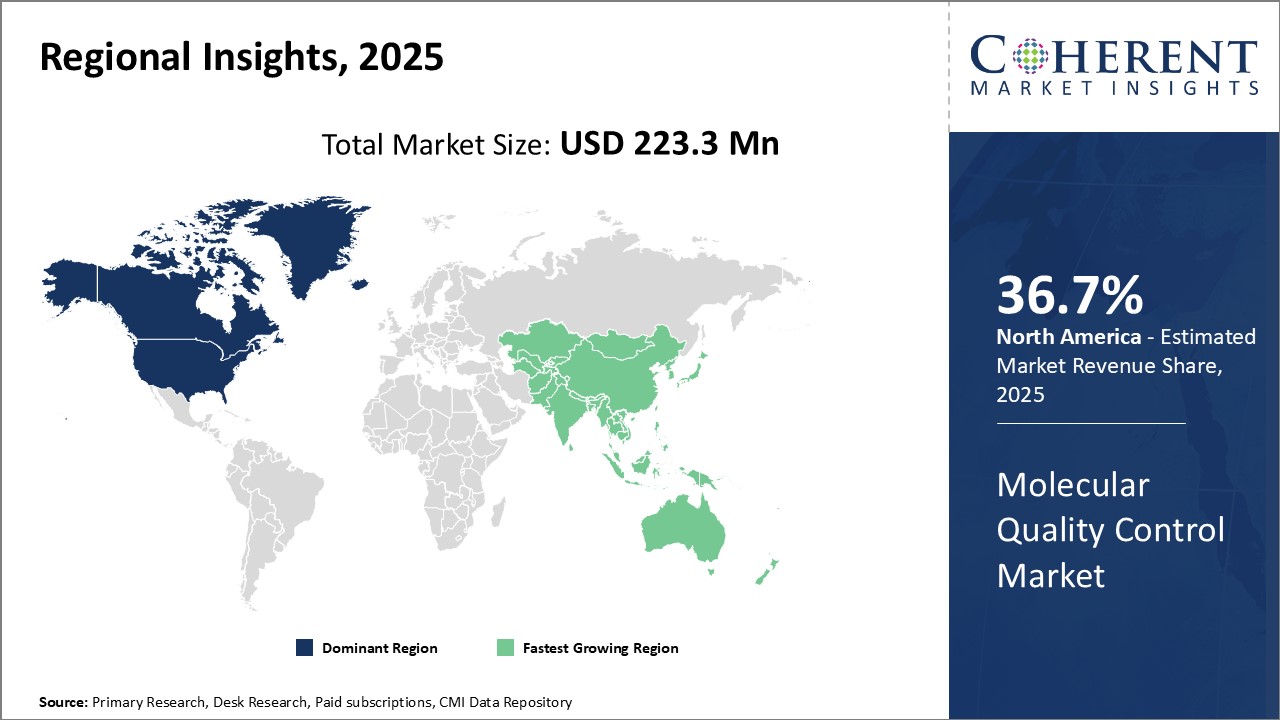
분자 품질 관리는 시료, 시약, 검증 절차를 통해 분자진단 약품의 품질을 평가하고 모니터링하는 것을 포함합니다. 세계 분자 품질 관리 시장은 분자 기술의 발전과 현장진단(POC) 검사의 채택 확대로 인해 크게 성장하고 있습니다. 개인 맞춤형 의료에 대한 수요 증가와 전 세계 실험실 검사의 중앙집중화로 인해 분자 품질 보증 솔루션에 대한 수요가 증가할 것으로 예상됩니다. 또한, 검사 결과의 정확성과 신뢰성을 보장하기 위해 분자 검사 절차의 표준화와 조화에 대한 관심이 높아지면서 다양한 분자 품질 관리 제품 및 서비스의 보급을 촉진하고 있습니다.
시장 역학
세계 분자 품질 관리 시장의 성장은 임상적 의사결정에 분자검사를 도입하는 움직임과 함께 다양한 질병 분야에서 분자진단의 적용이 확대되고 있으며, PCR 및 차세대 염기서열 분석과 같은 분자기술의 급속한 기술 발전으로 그 적용 범위가 확대되고 있습니다. 을 확대하고 있습니다. 감염성 질환, 암, 유전성 질환의 유병률 증가는 분자 분석의 견고한 품질 평가를 필요로 합니다. 미국의 CLIA(Clinical Laboratory Improvement Amendments)와 같은 가이드라인이 시행되고 분자진단 실험실의 인증 및 검증이 의무화되면서 품질 관리의 도입이 더욱 가속화되고 있습니다. 그러나 신흥국의 임상검사실은 예산상의 제약으로 인해 시장 개척에 어려움을 겪고 있습니다. 또한, 복잡한 규제 체계와 숙련된 전문가 부족이 시장 성장의 걸림돌로 작용하고 있습니다. 일관성과 재현성을 강화한 새로운 분자 품질 관리의 개발이 진행되고 있으며, 가까운 미래에 많은 유리한 기회를 가져올 것으로 예상됩니다.
본 조사의 주요 특징
세계의 분자 품질 관리 시장을 상세하게 분석하여 2024년을 기준 연도로 하여 예측 기간(2025-2032년) 시장 규모와 CAGR%를 조사 분석하여 전해드립니다.
다양한 부문에 걸친 잠재적 수익 창출 기회를 파악하고, 이 시장의 매력적인 투자 제안 매트릭스를 설명합니다.
또한 시장 성장 촉진요인, 억제요인, 기회, 신제품 출시 및 승인, 시장 동향, 지역별 전망, 주요 기업의 경쟁 전략 등에 대한 중요한 고찰을 제공합니다.
세계 분자 품질 관리 시장의 주요 기업들을 기업 개요, 제품 포트폴리오, 주요 특징, 재무 성과, 전략 등의 매개 변수를 기반으로 프로파일링합니다.
Thermo Fisher Scientific Inc., Bio-Rad Laboratories, Inc., Microbiologics, Inc. Abbott Laboratories, Quidel Corporation, Qnostics, Maine Molecular Quality Controls, Inc. SERO AS, Technopath Clinical Diagnostics, Randox Laboratories Ltd.
이 보고서의 통찰력을 통해 마케팅 담당자와 기업 경영진은 향후 제품 출시, 유형 업그레이드, 시장 확대, 마케팅 전략에 대한 정보에 입각한 의사결정을 내릴 수 있습니다.
분자 품질 관리 세계 시장 보고서는 투자자, 공급업체, 제품 제조업체, 유통업체, 신규 시장 진출기업, 재무 분석가 등 이 업계의 다양한 이해관계자를 대상으로 합니다.
이해관계자들은 세계 분자 품질 관리 시장 분석에 사용되는 다양한 전략 매트릭스를 통해 의사결정을 쉽게 내릴 수 있습니다.
목차
제1장 조사 목적과 전제조건
- 조사 목적
- 전제조건
- 약어
제2장 시장 전망
- 보고서 설명
- 시장 정의와 범위
- 주요 요약
제3장 시장 역학, 규제, 동향 분석
- 시장 역학
- 영향 분석
- 주요 발전
- 규제 시나리오
- 제품 발매/승인
- PEST 분석
- Porter의 Five Forces 분석
- 인수합병(M&A) 시나리오
- 업계 동향
제4장 세계의 분자 품질 관리 시장 : 제품 유형별(2020년-2032년)
- 독립 제어
- 기기 고유 제어
- DNA 시퀀싱과 차세대 시퀀싱
제5장 세계의 분자 품질 관리 시장 : 분석물 유형별(2020년-2032년)
- 단일 분석물 컨트롤
- 다중 분석코끼리 컨트롤
제6장 세계의 분자 품질 관리 시장 : 용도별(2020년-2032년)
- 감염증 진단
- 종양학 검사
- 유전자 검사
- 미생물학
- 기타 용도(조직형 판정 등)
제7장 세계의 분자 품질 관리 시장 : 최종사용자별(2020년-2032년)
- 임상 및 진단 연구실
- 병원 및 진료소
- 학술연구기관
- 계약 연구기관
- 기타
제8장 세계의 분자 품질 관리 시장 : 지역별(2020년-2032년)
- 북미
- 라틴아메리카
- 유럽
- 아시아태평양
- GCC 국가
- 이스라엘
- 기타 중동
- 아프리카
제9장 경쟁 구도
- Thermo Fisher Scientific Inc.
- Bio-Rad Laboratories, Inc.
- Microbiologics, Inc.
- ZeptoMetrix Corporation
- Hoffmann-La Roche Ltd.
- Abbott Laboratories
- Quidel Corporation
- Qnostics
- Maine Molecular Quality Controls, Inc.
- Danaher Corporation
- Helena Biosciences Europe
- SERO AS
- Technopath Clinical Diagnostics
- Randox Laboratories Ltd.
- Hologic, Inc.
제10장 애널리스트 추천 사항
- Wheel of Fortune
- 애널리스트의 견해
- Coherent Opportunity Map(COM)
제11장 참고 문헌과 조사 방법
- 참고 문헌
- 조사 방법
- 출판사에 대해
Global Molecular Quality Control Market is estimated to be valued at USD 223.3 Mn in 2025 and is expected to reach USD 365.9 Mn by 2032, growing at a compound annual growth rate (CAGR) of 7.3% from 2025 to 2032.
| Report Coverage | Report Details | ||
|---|---|---|---|
| Base Year: | 2024 | Market Size in 2025: | USD 223.3 Mn |
| Historical Data for: | 2020 To 2024 | Forecast Period: | 2025 To 2032 |
| Forecast Period 2025 to 2032 CAGR: | 7.30% | 2032 Value Projection: | USD 365.9 Mn |
Molecular quality control involves assessing and monitoring the quality of molecular diagnostics through samples, reagents, and validation procedures. Global molecular quality control market has witnessed significant growth due to advancements in molecular technology and growing adoption of point-of-care (POC) testing. Rising demand for personalized medicine and centralized lab testing worldwide can boost demand for molecular quality assurance solutions. Moreover, increasing focus on standardizing and harmonizing molecular testing procedures to ensure accuracy and reliability of test results boosts uptake of various molecular quality control products and services.
Market Dynamics
Global molecular quality control market growth is primarily driven by growing molecular diagnostics applications across different disease areas coupled with increasing incorporation of molecular testing in clinical decision making. Rapid technological advancement in molecular techniques such as PCR and Next-Gen sequencing has expanded their scope of applications. Rising prevalence of infectious diseases, cancer and genetic disorders necessitates robust quality assessment of molecular assays. Implemented guidelines like CLIA (Clinical Laboratory Improvement Amendments) in U.S mandating accreditation and validation of molecular diagnostic labs further boosts adoption of quality controls. However, budgetary constraints of clinical laboratories in developing nations poses challenge for market players. Moreover, complex regulatory frameworks and lack of skilled professionals hampers the market growth. Ongoing development of novel molecular quality controls with enhanced consistency and reproducibility presents numerous lucrative opportunities in the near future.
Key features of the study
This report provides in-depth analysis of the global molecular quality control market, and provides market size (USD Million) and compound annual growth rate (CAGR%) for the forecast period (2025-2032), considering 2024 as the base year
It elucidates potential revenue opportunities across different segments and explains attractive investment proposition matrices for this market
This study also provides key insights about market drivers, restraints, opportunities, new product launches or approval, market trends, regional outlook, and competitive strategies adopted by key players
It profiles key players in the global molecular quality control market based on the following parameters - company highlights, products portfolio, key highlights, financial performance, and strategies
Key companies covered as a part of this study include Thermo Fisher Scientific Inc., Bio-Rad Laboratories, Inc., Microbiologics, Inc., ZeptoMetrix Corporation, F. Hoffmann-La Roche Ltd., Abbott Laboratories, Quidel Corporation, Qnostics, Maine Molecular Quality Controls, Inc., Danaher Corporation, Helena Biosciences Europe, SERO AS, Technopath Clinical Diagnostics, Randox Laboratories Ltd., and Hologic, Inc.
Insights from this report would allow marketers and the management authorities of the companies to make informed decisions regarding their future product launches, type up-gradation, market expansion, and marketing tactics
Global molecular quality control market report caters to various stakeholders in this industry including investors, suppliers, product manufacturers, distributors, new entrants, and financial analysts
Stakeholders would have ease in decision-making through various strategy matrices used in analyzing the global molecular quality control market.
Market Segmentation
- By Product Type Insights (Revenue, USD Mn, 2019 - 2032)
- Independent Control
- Instrument Specific Control
- DNA Sequencing and Next-Generation Sequencing
- Polymerase Chain Reaction
- Others
- By Analyte Type Insights (Revenue, USD Mn, 2019 - 2032)
- Single-Analyte Controls
- Multi-Analyte Controls
- By Application Insights (Revenue, USD Mn, 2019 - 2032)
- Infectious Disease Diagnostics
- Oncology Testing
- Genetic Testing
- Microbiology
- Other Applications (Tissue Typing, etc.)
- By End Users Insights (Revenue, USD Mn, 2019 - 2032)
- Clinical & Diagnostic Laboratories
- Hospitals and Clinics
- Academic and Research Institutes
- Contract Research Organizations
- Others
- Regional Insights (Revenue, USD Mn, 2019 - 2032)
- North America
- U.S.
- Canada
- Latin America
- Brazil
- Argentina
- Mexico
- Rest of Latin America
- Europe
- Germany
- U.K.
- Spain
- France
- Italy
- Russia
- Rest of Europe
- Asia Pacific
- China
- India
- Japan
- Australia
- South Korea
- ASEAN
- Rest of Asia Pacific
- Middle East
- GCC Countries
- Israel
- Rest of Middle East
- Africa
- South Africa
- North Africa
- Central Africa
- Key Players Insights
- Thermo Fisher Scientific Inc.
- Bio-Rad Laboratories, Inc.
- Microbiologics, Inc.
- ZeptoMetrix Corporation
- Hoffmann-La Roche Ltd.
- Abbott Laboratories
- Quidel Corporation
- Qnostics
- Maine Molecular Quality Controls, Inc.
- Danaher Corporation
- Helena Biosciences Europe
- SERO AS
- Technopath Clinical Diagnostics
- Randox Laboratories Ltd.
- Hologic, Inc.
Table of Contents
1. Research Objectives and Assumptions
- Research Objectives
- Assumptions
- Abbreviations
2. Market Purview
- Report Description
- Market Definition and Scope
- Executive Summary
- Global Molecular Quality Control Market, By Product Type
- Global Molecular Quality Control Market, By Analyte Type
- Global Molecular Quality Control Market, By Application
- Global Molecular Quality Control Market, By End Users
- Global Molecular Quality Control Market, By Region
3. Market Dynamics, Regulations, and Trends Analysis
- Market Dynamics
- Driver
- Restraint
- Opportunity
- Impact Analysis
- Key Developments
- Regulatory Scenario
- Product Launches/Approvals
- PEST Analysis
- PORTER's Analysis
- Merger and Acquisition Scenario
- Industry Trends
4. Global Molecular Quality Control Market, By Product Type, 2020-2032, (USD Mn)
- Introduction
- Market Share Analysis, 2025 and 2032 (%)
- Y-o-Y Growth Analysis, 2021 - 2032
- Segment Trends
- Independent Control
- Introduction
- Market Size and Forecast, and Y-o-Y Growth, 2020-2032, (USD Mn)
- Instrument Specific Control
- Introduction
- Market Size and Forecast, and Y-o-Y Growth, 2020-2032, (USD Mn)
- DNA Sequencing and Next-Generation Sequencing
- Polymerase Chain Reaction
- Others
5. Global Molecular Quality Control Market, By Analyte Type, 2020-2032, (USD Mn)
- Introduction
- Market Share Analysis, 2025 and 2032 (%)
- Y-o-Y Growth Analysis, 2021 - 2032
- Segment Trends
- Single-Analyte Controls
- Introduction
- Market Size and Forecast, and Y-o-Y Growth, 2020-2032, (USD Mn)
- Multi-Analyte Controls
- Introduction
- Market Size and Forecast, and Y-o-Y Growth, 2020-2032, (USD Mn)
6. Global Molecular Quality Control Market, By Application, 2020-2032, (USD Mn)
- Introduction
- Market Share Analysis, 2025 and 2032 (%)
- Y-o-Y Growth Analysis, 2021 - 2032
- Segment Trends
- Infectious Disease Diagnostics
- Introduction
- Market Size and Forecast, and Y-o-Y Growth, 2020-2032, (USD Mn)
- Oncology Testing
- Introduction
- Market Size and Forecast, and Y-o-Y Growth, 2020-2032, (USD Mn)
- Genetic Testing
- Introduction
- Market Size and Forecast, and Y-o-Y Growth, 2020-2032, (USD Mn)
- Microbiology
- Introduction
- Market Size and Forecast, and Y-o-Y Growth, 2020-2032, (USD Mn)
- Other Applications (Tissue Typing, etc.)
- Introduction
- Market Size and Forecast, and Y-o-Y Growth, 2020-2032, (USD Mn)
7. Global Molecular Quality Control Market, By End Users, 2020-2032, (USD Mn)
- Introduction
- Market Share Analysis, 2025 and 2032 (%)
- Y-o-Y Growth Analysis, 2021 - 2032
- Segment Trends
- Clinical & Diagnostic Laboratories
- Introduction
- Market Size and Forecast, and Y-o-Y Growth, 2020-2032, (USD Mn)
- Hospitals and Clinics
- Introduction
- Market Size and Forecast, and Y-o-Y Growth, 2020-2032, (USD Mn)
- Academic and Research Institutes
- Introduction
- Market Size and Forecast, and Y-o-Y Growth, 2020-2032, (USD Mn)
- Contract Research Organizations
- Introduction
- Market Size and Forecast, and Y-o-Y Growth, 2020-2032, (USD Mn)
- Others
- Introduction
- Market Size and Forecast, and Y-o-Y Growth, 2020-2032, (USD Mn)
8. Global Molecular Quality Control Market, By Region, 2020 - 2032, (USD Mn)
- Introduction
- Market Share (%) Analysis, 2025, 2028 & 2032, (USD Mn)
- Market Y-o-Y Growth Analysis (%), 2021 - 2032, (USD Mn)
- Regional Trends
- North America
- Introduction
- Market Size and Forecast, By Product Type, 2020 - 2032, USD Mn)
- Market Size and Forecast, By Analyte Type, 2020 - 2032, (USD Mn)
- Market Size and Forecast, By Application, 2020 - 2032, (USD Mn)
- Market Size and Forecast, By End Users, 2020 - 2032, (USD Mn)
- Market Size and Forecast, By Country, 2020 - 2032, (USD Mn)
- U.S.
- Canada
- Latin America
- Introduction
- Market Size and Forecast, By Product Type, 2020 - 2032, USD Mn)
- Market Size and Forecast, By Analyte Type, 2020 - 2032, (USD Mn)
- Market Size and Forecast, By Application, 2020 - 2032, (USD Mn)
- Market Size and Forecast, By End Users, 2020 - 2032, (USD Mn)
- Market Size and Forecast, By Country, 2020 - 2032, (USD Mn)
- Brazil
- Argentina
- Mexico
- Rest of Latin America
- Europe
- Introduction
- Market Size and Forecast, By Product Type, 2020 - 2032, USD Mn)
- Market Size and Forecast, By Analyte Type, 2020 - 2032, (USD Mn)
- Market Size and Forecast, By Application, 2020 - 2032, (USD Mn)
- Market Size and Forecast, By End Users, 2020 - 2032, (USD Mn)
- Market Size and Forecast, By Country, 2020 - 2032, (USD Mn)
- Germany
- U.K.
- Spain
- France
- Italy
- Russia
- Rest of Europe
- Asia Pacific
- Introduction
- Market Size and Forecast, By Product Type, 2020 - 2032, USD Mn)
- Market Size and Forecast, By Analyte Type, 2020 - 2032, (USD Mn)
- Market Size and Forecast, By Application, 2020 - 2032, (USD Mn)
- Market Size and Forecast, By End Users, 2020 - 2032, (USD Mn)
- Market Size and Forecast, By Country, 2020 - 2032, (USD Mn)
- China
- India
- Japan
- Australia
- South Korea
- ASEAN
- Rest of Asia Pacific
- Middle East
- Introduction
- Market Size and Forecast, By Product Type, 2020 - 2032, USD Mn)
- Market Size and Forecast, By Analyte Type, 2020 - 2032, (USD Mn)
- Market Size and Forecast, By Application, 2020 - 2032, (USD Mn)
- Market Size and Forecast, By End Users, 2020 - 2032, (USD Mn)
- Market Size and Forecast, By Country, 2020 - 2032, (USD Mn)
- GCC Countries
- Israel
- Rest of Middle East
- Africa
- Introduction
- Market Size and Forecast, By Product Type, 2020 - 2032, USD Mn)
- Market Size and Forecast, By Analyte Type, 2020 - 2032, (USD Mn)
- Market Size and Forecast, By Application, 2020 - 2032, (USD Mn)
- Market Size and Forecast, By End Users, 2020 - 2032, (USD Mn)
- Market Size and Forecast, By Country/Region, 2020 - 2032, (USD Mn)
- South Africa
- North Africa
- Central Africa
9. Competitive Landscape
- Thermo Fisher Scientific Inc.
- Company Highlights
- Product Portfolio
- Key Developments
- Financial Performance
- Strategies
- Bio-Rad Laboratories, Inc.
- Company Highlights
- Product Portfolio
- Key Developments
- Financial Performance
- Strategies
- Microbiologics, Inc.
- Company Highlights
- Product Portfolio
- Key Developments
- Financial Performance
- Strategies
- ZeptoMetrix Corporation
- Company Highlights
- Product Portfolio
- Key Developments
- Financial Performance
- Strategies
- Hoffmann-La Roche Ltd.
- Company Highlights
- Product Portfolio
- Key Developments
- Financial Performance
- Strategies
- Abbott Laboratories
- Company Highlights
- Product Portfolio
- Key Developments
- Financial Performance
- Strategies
- Quidel Corporation
- Company Highlights
- Product Portfolio
- Key Developments
- Financial Performance
- Strategies
- Qnostics
- Company Highlights
- Product Portfolio
- Key Developments
- Financial Performance
- Strategies
- Maine Molecular Quality Controls, Inc.
- Danaher Corporation
- Helena Biosciences Europe
- SERO AS
- Technopath Clinical Diagnostics
- Randox Laboratories Ltd.
- Hologic, Inc.
10. Analyst Recommendations
- Wheel of Fortune
- Analyst View
- Coherent Opportunity Map
11. References and Research Methodology
- References
- Research Methodology
- About us