|
시장보고서
상품코드
1878393
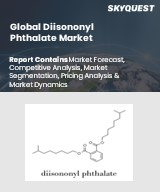
디이소노닐프탈레이트(DINP) 시장 : 예측(2025-2030년)Diisononyl Phthalate (DINP) Market - Forecasts from 2025 to 2030 |
||||||

디이소노닐프탈레이트(DINP) 시장은 2025년 32억 9,300만 달러에서 2030년까지 42억 5,300만 달러에 이르고, CAGR 5.25%로 확대될 것으로 예측됩니다.
디이소노닐 프탈레이트(DINP)는 주로 가소제로서 다양한 제품 제조에 사용되는 화합물입니다. 바닥재, 벽면 마감재, 케이블, 전선, 전선, 코팅 천, 소비재, 필름, 시트 등의 생산에 사용됩니다. DINP는 방사선 경화형, 핫멜트형, 용제형, 수성형 등 다양한 폴리머 유형으로 배합됩니다. 주요 용도는 폴리염화비닐(PVC) 제품의 연화제로서 비닐 바닥재, 전선 및 케이블 절연체, 코팅 천, 장갑, 정원용 호스, 합성피혁 등의 소재에 유연성을 부여하는 것입니다. PVC 외에도 DINP는 고무, 잉크, 안료, 페인트 제조의 성분으로도 사용됩니다. DINP 시장의 성장은 건설 분야에서의 PVC 제품 수요 및 접착제 및 기타 산업 응용 분야에서의 사용과 밀접한 관련이 있습니다.
시장 성장 촉진요인
건설 분야에서의 PVC 수요
DINP 시장의 주요 촉진요인은 세계 건설 산업에서 PVC 수요 증가입니다. 전 세계적으로 주택 및 인프라 개발의 필요성으로 인해 PVC 소비가 증가하고 있으며, 그 결과 필수 가소제로서 DINP의 사용량도 증가하고 있습니다. PVC에 DINP를 첨가하면 유연성이 향상되어 지붕용 타포린, 수도관, 바닥재, 창틀 등 중요한 건축용도에 적합한 소재가 됩니다. 증가하는 도시 인구의 인프라 수요와 개발도상국과 선진국 모두에서 건설 부문의 지속적인 성장이 비닐계 건축자재에 DINP 사용을 촉진하는 주요 요인입니다. 전 세계 DINP 생산량의 상당 부분이 PVC 가소화에 소비되기 때문에 건설 산업의 건전성은 시장 성장의 주요 결정 요인이 될 것입니다.
시장 성장 억제요인
건강 및 규제 문제
DINP 시장의 성장은 이 화합물과 관련된 심각한 건강 문제로 인해 제한될 수 있습니다. 고농도의 디이소노닐 프탈레이트에 대한 인체 노출은 발암 효과 및 임신 중 태아 발육에 악영향을 미치는 등 심각한 건강 문제와 관련이 있습니다. 이러한 건강 위험으로 인해 여러 정부 기관에서 엄격한 규제 조치를 취하고 있습니다. 규제는 특히 어린이 장난감이나 육아용품 등 특정 제품에서 DINP 사용을 제한하거나 금지하는 데 초점을 맞추는 경우가 많습니다. 또한, 일부 규제 프레임워크에서는 DINP를 발암물질로 분류하여 허용 용도에 영향을 미치고 있습니다. DINP가 건강에 미치는 악영향과 이로 인한 규제 상황은 소비자 제품 및 산업용 제품에서의 사용을 제한하고 있어 시장 확대에 큰 도전이 되고 있습니다.
제품 라인업
본 시장에는 주요 화학업체들의 제품이 유통되고 있습니다. 시그마알드리치는 특정 분자량과 고농도 에스테르 이성질체를 특징으로 하는 기술 등급의 디이소노닐 프탈레이트를 제공하고 있으며, 이는 시그마알드리치의 광범위한 화학제품 포트폴리오의 일부입니다.
ExxonMobil은 향상된 내노화성 및 낮은 에너지 소비 특성으로 널리 사용되는 제품인 J-Flex DINP 가소제를 생산하고 있으며, 특히 범용 플라스티졸 코팅 용도에 적합한 가소제입니다.
지역별 전망
북미
북미는 DINP 시장에서 중요한 기여를 하는 지역이며, 예측 기간 동안 성장할 것으로 예측됩니다. 이는 주로 건설 및 소비재 분야의 PVC 소비에 의해 주도되고 있습니다. 소비재 분야에서 PVC는 식품 포장용 실란트 등 다양한 포장 용도로 활용되고 있습니다. 북미 경제의 가공 식품 및 포장 식품 및 음료 트렌드는 특정 포장 형태에서 PVC의 사용을 뒷받침하고 주요 가소제로서 DINP에 대한 수요를 지속시키고 있습니다.
아시아태평양
아시아태평양에서도 DINP 시장의 성장이 예상됩니다. 이러한 확장은 이 지역의 지속적인 건설 프로젝트와 자동차 산업의 성장에 힘입은 것입니다. 소비자 가전 및 자동차 분야의 전선 및 케이블 소비는 제조 공정에 사용되는 DINP에 대한 안정적인 수요를 창출하고 있습니다. 또한, 전기자동차 제조 기술의 발전은 DINP 가소화된 PVC를 사용한 특수 케이블 및 부품의 생산 증가를 필요로 하기 때문에 향후 성장 요인이 될 것으로 예측됩니다.
본 보고서의 주요 장점:
- 통찰력 있는 분석 : 주요 지역 및 신흥 지역을 포괄하는 상세한 시장 인사이트를 제공하며, 고객 부문, 정부 정책 및 사회경제적 요인, 소비자 선호도, 산업 수직 분야, 기타 하위 부문에 초점을 맞추었습니다.
- 경쟁 구도: 주요 기업들의 세계 전략 움직임을 이해하고, 적절한 전략을 통한 시장 침투 가능성을 파악합니다.
- 시장 성장 촉진요인 및 미래 동향 : 시장을 형성하는 역동적인 요인과 주요 트렌드, 그리고 이들이 향후 시장 발전에 미치는 영향을 살펴봅니다.
- 실행 가능한 제안: 이러한 통찰력을 활용하여 전략적 의사결정을 내리고, 급변하는 환경에서 새로운 비즈니스 기회와 수익원을 창출할 수 있습니다.
- 스타트업, 연구기관, 컨설턴트, 중소기업, 대기업 등 다양한 독자층에게 유익하고 비용 대비 효과가 높은 내용입니다.
이 보고서를 어떤 용도로 사용하시겠습니까?
산업 및 시장 분석, 기회 평가, 제품 수요 예측, 시장 진출 전략, 지역 확장, 자본 투자 결정, 규제 프레임워크 및 영향, 신제품 개발, 경쟁사 정보
조사 범위:
- 2022-2024년 실적 데이터 및 2025-2030년 예측 데이터
- 성장 기회, 과제, 공급망 전망, 규제 프레임워크, 트렌드 분석
- 경쟁사 포지셔닝, 전략, 시장 점유율 분석
- 국가를 포함한 부문별 및 지역별 매출 성장 및 예측 평가
- 기업 프로파일링(전략, 제품, 재무정보, 주요 발전 등)
목차
제1장 주요 요약
제2장 시장 개요
- 시장 개요
- 시장의 정의
- 조사 범위
- 시장 세분화
제3장 비즈니스 상황
- 시장 성장 촉진요인
- 시장 성장 억제요인
- 시장 기회
- Porter의 Five Forces 분석
- 업계 밸류체인 분석
- 정책 및 규제
- 전략적 제안
제4장 기술 전망
제5장 디이소노닐프탈레이트 시장 : 폴리머 유형별
- 서론
- 폴리염화비닐(PVC)
- 아크릴
- 폴리우레탄
- 기타
제6장 디이소노닐프탈레이트 시장 : 용도별
- 서론
- 바닥재 및 벽면마감재
- 전선 및 케이블
- 코팅 패브릭
- 소비재
- 필름 및 시트
- 기타
제7장 디이소노닐프탈레이트 시장 : 최종사용자별
- 서론
- 자동차
- 전기 및 전자기기
- 건축 및 건설
- 의료 및 헬스케어
- 플라스틱
- 고무
- 기타
제8장 디이소노닐프탈레이트 시장 : 지역별
- 서론
- 북미
- 미국
- 캐나다
- 멕시코
- 남미
- 브라질
- 아르헨티나
- 기타
- 유럽
- 독일
- 프랑스
- 영국
- 스페인
- 기타
- 중동 및 아프리카
- 사우디아라비아
- 아랍에미리트(UAE)
- 이스라엘
- 기타
- 아시아태평양
- 중국
- 인도
- 일본
- 한국
- 인도네시아
- 태국
- 기타
제9장 경쟁 환경과 분석
- 주요 기업과 전략 분석
- 시장 점유율 분석
- 합병, 인수, 합의 및 합작투자(JV)
- 경쟁 대시보드
제10장 기업 개요
- Sigma Aldrich(KGaA)
- Exxon Mobil Corporation
- Nan Ya Plastics Corporation
- LG Chem
- Evonik Industries AG
- Polynt SpA.
- UPC Technology Corporation
- KLJ Group
- Mitsubishi Chemical Group Corporation.
- BASF SE
제11장 부록
- 통화
- 전제조건
- 기준연도 및 예측연도 타임라인
- 이해관계자에게 있어서의 주요 이점
- 조사 방법
- 약어
Diisononyl Phthalate (DINP) Market is projected to expand at a 5.25% CAGR, attaining USD 4.253 billion by 2030 from USD 3.293 billion in 2025.
Diisononyl phthalate (DINP) is a chemical compound primarily employed as a plasticizer in the manufacturing of a wide array of products. It is used in the production of flooring, wall coverings, cables, wires, coated fabrics, consumer goods, films, and sheets. DINP is formulated in various polymer types, including radiation-cured, hot melt, solvent-based, and water-based systems. Its predominant application is as a softening agent in polyvinyl chloride (PVC) products, where it imparts flexibility to materials such as vinyl flooring, wire and cable insulation, coated fabrics, gloves, garden hoses, and faux leather. Beyond PVC, DINP also serves as a component in the manufacture of rubber, inks, pigments, and paints. The growth of the DINP market is closely tied to the demand for PVC products in the construction sector and its use in adhesives and other industrial applications.
Market Driver
Demand for PVC in the Construction Sector
A primary driver for the DINP market is the growing demand for PVC within the global construction industry. The need for housing and infrastructure development worldwide is resulting in high consumption of PVC, which in turn increases the use of DINP as a essential plasticizer. The addition of DINP to PVC enhances its flexibility, making it suitable for critical construction applications such as roofing membranes, water pipelines, flooring, and windows. The infrastructural requirements of expanding urban populations and the sustained growth of the construction sector in both developing and developed economies are key factors propelling the use of DINP in vinyl-based building materials. As a significant proportion of global DINP production is consumed for plasticizing PVC, the health of the construction industry is a major determinant of market growth.
Market Restraint
Health and Regulatory Concerns
The growth of the DINP market is potentially constrained by significant health concerns associated with the compound. Human exposure to high concentrations of diisononyl phthalate has been linked to serious health issues, including carcinogenic effects and adverse impacts on fetal development during pregnancy. These health hazards have prompted stringent regulatory actions from various governmental bodies. Regulations often focus on restricting or banning the use of DINP in specific products, particularly in children's toys and childcare articles. Furthermore, some regulatory frameworks have classified DINP as a carcinogen, influencing its permissible applications. The negative health profile of DINP and the resulting regulatory landscape present a substantial challenge to the market's expansion, as they limit its use across a range of consumer and industrial products.
Product Offerings
The market includes offerings from major chemical producers. Sigma-Aldrich supplies a technical grade diisononyl phthalate compound characterized by a specific molecular weight and a high composition of ester isomers, which is part of its broader chemical portfolio.
Exxon Mobil Corporation produces the Jayflex DINP plasticizer, a widely used product known for its enhanced aging resistance and low energy consumption properties, making it particularly suitable for general-purpose plastisol coating applications.
Geographical Outlook
North America
North America is a significant contributor to the DINP market, with expected growth over the forecast period. This is largely driven by the consumption of PVC in the construction and consumer goods sectors. In consumer goods, PVC is utilized in various packaging applications, such as sealants for food packaging. The trend towards processed and packaged foods and beverages in North American economies supports the use of PVC in certain packaging formats, thereby sustaining demand for DINP as a primary plasticizer.
Asia Pacific
The Asia Pacific region is also anticipated to experience growth in the DINP market. This expansion is fueled by ongoing construction projects and the growth of the automotive industry in the region. The consumption of wires and cables in both the consumer electronics and automotive sectors creates a consistent demand for DINP, which is used in their manufacturing process. Furthermore, advancements in electric vehicle manufacturing technology are expected to be a future driver, as they will necessitate increased production of specialized cables and components that utilize DINP-plasticized PVC.
Key Benefits of this Report:
- Insightful Analysis: Gain detailed market insights covering major as well as emerging geographical regions, focusing on customer segments, government policies and socio-economic factors, consumer preferences, industry verticals, and other sub-segments.
- Competitive Landscape: Understand the strategic maneuvers employed by key players globally to understand possible market penetration with the correct strategy.
- Market Drivers & Future Trends: Explore the dynamic factors and pivotal market trends and how they will shape future market developments.
- Actionable Recommendations: Utilize the insights to exercise strategic decisions to uncover new business streams and revenues in a dynamic environment.
- Caters to a Wide Audience: Beneficial and cost-effective for startups, research institutions, consultants, SMEs, and large enterprises.
What do businesses use our reports for?
Industry and Market Insights, Opportunity Assessment, Product Demand Forecasting, Market Entry Strategy, Geographical Expansion, Capital Investment Decisions, Regulatory Framework & Implications, New Product Development, Competitive Intelligence
Report Coverage:
- Historical data from 2022 to 2024 & forecast data from 2025 to 2030
- Growth Opportunities, Challenges, Supply Chain Outlook, Regulatory Framework, and Trend Analysis
- Competitive Positioning, Strategies, and Market Share Analysis
- Revenue Growth and Forecast Assessment of segments and regions including countries
- Company Profiling (Strategies, Products, Financial Information, and Key Developments among others.
Segmentation
- DIISONONYL PHTHALATE MARKET BY POLYMER TYPE
- Polyvinyl Chloride (PVC)
- Acrylic
- Polyurethane
- Others
- DIISONONYL PHTHALATE MARKET BY APPLICATION
- Flooring & Wall Covering
- Wires & Cables
- Coated Fabrics
- Consumer Goods
- Films & Sheets
- Others
- DIISONONYL PHTHALATE MARKET BY END-USER
- Automotive
- Electrical & Electronics
- Building & Construction
- Medical & Healthcare
- Plastic
- Rubber
- Others
- DIISONONYL PHTHALATE MARKET BY GEOGRAPHY
- North America
- USA
- Canada
- Mexico
- South America
- Brazil
- Argentina
- Others
- Europe
- Germany
- France
- United Kingdom
- Spain
- Others
- Middle East and Africa
- Saudi Arabia
- UAE
- Israel
- Others
- Asia Pacific
- China
- India
- Japan
- South Korea
- Indonesia
- Thailand
- Others
TABLE OF CONTENTS
1. EXECUTIVE SUMMARY
2. MARKET SNAPSHOT
- 2.1. Market Overview
- 2.2. Market Definition
- 2.3. Scope of the Study
2.4. Market Segmentation
3. BUSINESS LANDSCAPE
- 3.1. Market Drivers
- 3.2. Market Restraints
- 3.3. Market Opportunities
- 3.4. Porter's Five Forces Analysis
- 3.5. Industry Value Chain Analysis
- 3.6. Policies and Regulations
- 3.7. Strategic Recommendations
4. TECHNOLOGICAL OUTLOOK
5. DIISONONYL PHTHALATE MARKET BY POLYMER TYPE
- 5.1. Introduction
- 5.2. Polyvinyl Chloride (PVC)
- 5.3. Acrylic
- 5.4. Polyurethane
- 5.5. Others
6. DIISONONYL PHTHALATE MARKET BY APPLICATION
- 6.1. Introduction
- 6.2. Flooring & Wall Covering
- 6.3. Wires & Cables
- 6.4. Coated Fabrics
- 6.5. Consumer Goods
- 6.6. Films & Sheets
- 6.7. Others
7. DIISONONYL PHTHALATE MARKET BY END-USER
- 7.1. Introduction
- 7.2. Automotive
- 7.3. Electrical & Electronics
- 7.4. Building & Construction
- 7.5. Medical & Healthcare
- 7.6. Plastic
- 7.7. Rubber
- 7.8. Others
8. DIISONONYL PHTHALATE MARKET BY GEOGRAPHY
- 8.1. Introduction
- 8.2. North America
- 8.2.1. USA
- 8.2.2. Canada
- 8.2.3. Mexico
- 8.3. South America
- 8.3.1. Brazil
- 8.3.2. Argentina
- 8.3.3. Others
- 8.4. Europe
- 8.4.1. Germany
- 8.4.2. France
- 8.4.3. United Kingdom
- 8.4.4. Spain
- 8.4.5. Others
- 8.5. Middle East and Africa
- 8.5.1. Saudi Arabia
- 8.5.2. UAE
- 8.5.3. Israel
- 8.5.4. Others
- 8.6. Asia Pacific
- 8.6.1. China
- 8.6.2. India
- 8.6.3. Japan
- 8.6.4. South Korea
- 8.6.5. Indonesia
- 8.6.6. Thailand
- 8.6.7. Others
9. COMPETITIVE ENVIRONMENT AND ANALYSIS
- 9.1. Major Players and Strategy Analysis
- 9.2. Market Share Analysis
- 9.3. Mergers, Acquisitions, Agreements, and Collaborations
- 9.4. Competitive Dashboard
10. COMPANY PROFILES
- 10.1. Sigma Aldrich (KGaA)
- 10.2. Exxon Mobil Corporation
- 10.3. Nan Ya Plastics Corporation
- 10.4. LG Chem
- 10.5. Evonik Industries AG
- 10.6. Polynt SpA.
- 10.7. UPC Technology Corporation
- 10.8. KLJ Group
- 10.9. Mitsubishi Chemical Group Corporation.
- 10.10. BASF SE
11. APPENDIX
- 11.1. Currency
- 11.2. Assumptions
- 11.3. Base and Forecast Years Timeline
- 11.4. Key Benefits for the Stakeholders
- 11.5. Research Methodology
- 11.6. Abbreviations