

|
시장보고서
상품코드
2117397
유럽의 전기차 충전 서비스 : 시장 점유율 분석, 산업 동향 및 통계 데이터, 성장 예측(2026-2031년)Europe EV Charging As A Service - Market Share Analysis, Industry Trends & Statistics, Growth Forecasts (2026 - 2031) |
||||||
 Mordor Intelligence
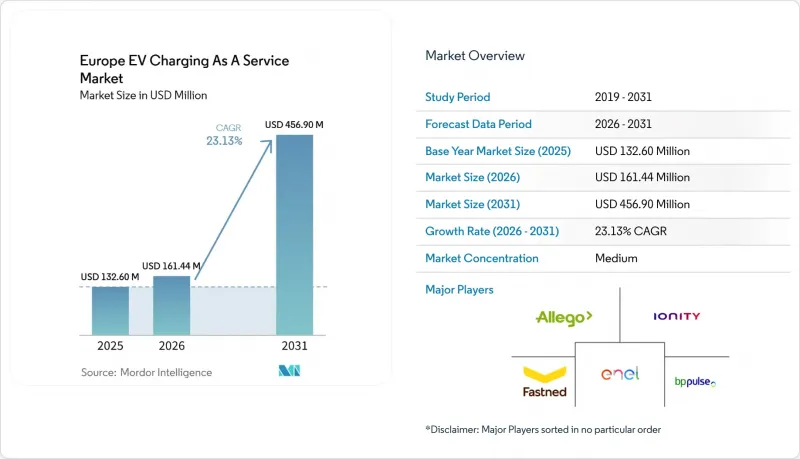
Mordor Intelligence에 의하면, 유럽의 전기차 충전 서비스 시장 규모는 2025년에 1억 3,260만 달러로 평가되었습니다. 2026년 1억 6,144만 달러에서 2031년까지 4억 5,690만 달러에 이르고, 예측 기간(2026-2031년) 동안 23.13%의 연평균 복합 성장률(CAGR)로 성장할 것으로 전망됩니다.
본 보고서는 충전기 유형(AC 충전기, DC 충전기), 출력(레벨 1/AC(22kW 미만), 레벨 2(22-50kW), 기타), 차량 서비스 유형(사용차·차량 풀,배송·물류, 기타), 용도별(준공공 충전 설비, 공공 충전 설비), 국가별로 분류되어 있습니다. 시장 예측은 금액(달러) 기준으로 제시되어 있습니다.
유럽의 전기차 충전 서비스 시장 동향 및 인사이트
EU의 AFIR 및 ‘Fit-for-55’ 도입 기한
2025년 말까지 AFIR는 핵심 유럽 횡단 교통망(TEN-T)에서 60km마다 최소 400kW 용량의 경차용 충전소를 설치하도록 의무화했습니다. 이 요건은 2027년까지 600kW로 상향 조정되어, 주요 회랑에 설치된 150kW 미만의 충전 설비가 교체될 예정입니다. 또한, 해당 규정은 거의 실시간에 가까운 데이터 전송과 비접촉식 결제를 의무화하고 있어, 이를 통해 사용자 경험이 표준화되고 로밍에 따른 불편함이 완화될 것입니다. 폴란드의 회랑 자금 조달 패키지는 EU 자금이 대응이 뒤처진 회원국의 자금 부족을 어떻게 보완하고 있는지를 보여줍니다. 독일과 프랑스는 가장 엄격한 준수 일정에 직면해 있지만, 2026년부터 적용되는 미준수 시 부과되는 벌칙으로 인해 허가 승인 및 향후 용량 예약이 가속화되고 있습니다. 전반적으로 AFIR는 규제 확실성을 유럽의 전기차 충전 서비스 시장에서 확실한 수익 기반으로 전환하고 있습니다.
150kW 초과 DC 충전기의 균등화 발전 비용 하락
2024년에는 Alpitronic, Kempower, ABB의 모듈식 캐비닛 설계 양산화를 배경으로 300-400 kW 충전기의 평균 가격이 하락했습니다. 2025년에 등장한 켐파워(Kempower)의 1.2 MW 파워 유닛 덕분에 사업자는 용량을 단계적으로 증강할 수 있게 되어, 포트당 설비 투자(CAPEX)를 대폭 절감할 수 있습니다. 한편, 중국 제조업체들은 보다 저렴한 유닛 개발을 추진하고 있지만, 사이버 보안 인증 문제로 인해 도입이 지연될 가능성이 있습니다. 하드웨어 비용의 하락에 따라, 2차 교통 회랑이라 하더라도 프로젝트의 내부수익률(IRR)이 사업자의 허용 수익률(허들 레이트)을 상회하게 되었습니다. 이러한 변화로 인해 유럽의 전기차 충전 서비스 잠재 시장이 확대되어, 주요 고속도로변 입지에 그치지 않고 더 광범위한 지역으로 확산되고 있습니다.
계통 연계 지연 및 용량 병목 현상
폴란드, 프랑스, 이탈리아, 스페인에서는 배전망 운영자가 고출력 부지를 위한 중전압 업그레이드 승인을 내리는 데 오랜 시간이 소요되는 경우가 빈번합니다. 이러한 지연은 특히 AFIR 마감 기한이 다가오는 상황에서 회랑을 따라 진행되는 확장을 정체시키고 있습니다. 2025년에는 베를린과 뮌헨에서 제출된 급속 충전소 신청 건의 상당 부분이 처리 기간 장기화에 직면했습니다. 이로 인해 사업자들은 계획을 축소하거나 신청을 철회할 수밖에 없었습니다. 이탈리아는 팬데믹 이후의 회복 이니셔티브를 통해 충전 인프라에 막대한 자금을 배정했습니다. 그러나 2025년 말 시점에서 지정된 설치 장소 중 송전망에 연결이 완료된 곳은 극히 일부에 그쳤습니다. EU 시장 설계 개혁으로 2028년까지 승인 절차가 신속해질 전망이지만, 이러한 지연의 영향은 프로젝트 지연이나 수익 실현의 연기라는 형태로 이미 표면화되고 있습니다.
부문별 분석
2025년 수익 중 AC 충전이 62.41%를 차지했으나, 차량 소유자들이 충전 시간 단축을 중시함에 따라 그 점유율은 점차 감소하고 있습니다. 지자체 도로변 주차 공간이나 사무실 주차장에서는 특히 야간 주차가 비수기 요금과 겹치는 경우, 저출력 AC 충전이 여전히 가장 저렴한 보급 수단으로 남아 있습니다. 그러나 AFIR의 기술적 최저 기준과 기업의 가동률 목표에 따라 신규 투자는 고출력 DC 충전으로 이동하고 있으며, 이러한 경향은 TEN-T의 핵심 회랑에서 특히 두드러집니다. 따라서 유럽의 전기차 충전 서비스 시장 규모 확대를 우선시하는 사업자들은 수익 규모가 크고 부수적인 계통 서비스 수입이 기대되는 회랑을 따라 위치한 DC 허브로, 저속 AC 충전 보완 설비에 대한 투자에서 자본을 재분배하고 있습니다.
초고속 DC 충전기의 매력은 사용자의 편의성과 경제성 모두에 있으며, 2031년까지 연평균 성장률(CAGR) 26.48%로 성장할 전망입니다. IONITY의 확장 자금 조달, Kempower의 모듈식 캐비닛, 그리고 테슬라의 500kW V4 디스펜서가 결합되어 부지나 연결 비용을 두 배로 늘리지 않고도 1개 거점당 처리 능력을 두 배로 높일 수 있습니다. 이미 AC 충전망을 장악하고 있는 사업자들은 시장 점유율을 지키기 위해 DC 충전소를 증설하고 있는 반면, 신규 진출기업들은 고출력 하드웨어 시장에 직접 진출하고 있습니다. 이러한 추세가 지속됨에 따라, 유럽의 전기차 충전 서비스 시장에서 AC의 점유율은 계속해서 하락할 것으로 보입니다. 다만, 해당 지역의 전기차 보유 대수가 증가함에 따라 AC의 절대적인 이용량은 여전히 완만하게 증가할 전망입니다.
22kW 미만 유닛은 2025년 매출의 49.03%를 차지했으나, 고속도로 노선에서의 유용성은 점차 줄어들고 있습니다. AFIR에 의한 사이트 수준의 400kW 도입 의무화로 인해, 사업자들은 자산의 미래 가치를 확보하기 위해 현재 350-400kW 디스펜서로 전환해야 하는 상황에 처해 있습니다. 300-400kW급 하드웨어의 비용 하락으로 인해 50-150kW 모델과의 가격 차이가 줄어들면서, 많은 투자자들이 처리 용량이 높은 옵션을 선택하고 있습니다. 그 결과, 유럽의 전기차 충전 서비스 시장의 신규 자본 배분에서 가장 큰 비중을 차지하는 것은 고출력 DC(150 kW 이상)가 될 것이며, 연평균 성장률(CAGR) 35.28%로 성장할 전망입니다.
메가와트급 충전이 다음 단계의 개척 분야입니다. Kempower사의 1.2 MW 캐비닛과 테슬라사의 Megacharger 시범 운영은 장거리 트럭에 대한 대응 준비가 완료되었음을 보여주고 있으며, EU가 지원하는 CV-Charging Europe은 MCS 3.2 커넥터의 표준화를 추진하고 있습니다. 초기 시범 사업에서 얻은 피드백에 따르면, 메가와트급 허브는 이용률이 불과 7-8%에 불과하더라도 수익성을 확보할 수 있는 것으로 나타났으며, 이는 주로 시간 단축을 통해 정당화되는 프리미엄 요금 덕분입니다. 따라서 2026년부터 2031년에 걸쳐 유럽의 전기차 충전 서비스 시장 성장의 대부분은 고출력 DC 충전이 담당하게 될 것이며, 중출력 부문은 파크 앤 라이드 주차장 등 틈새 시장으로 축소될 전망입니다.
기타 혜택 :
- 엑셀 형식 시장 예측(ME) 시트
- 3개월간의 애널리스트 지원
자주 묻는 질문
목차
제1장 서론
제2장 분석 방법
제3장 개요
제4장 시장 구도
제5장 시장 규모 및 성장률 예측
제6장 경쟁 구도
제7장 시장 기회 및 향후 전망
KTH 26.09.02According to Mordor Intelligence, the european EV charging as a service market size was valued at USD 132.60 million in 2025 and is estimated to grow from USD 161.44 million in 2026 to reach USD 456.90 million by 2031, at a CAGR of 23.13% during the forecast period (2026-2031).
This report is Segmented by Charger Type (AC Chargers, DC Chargers), Power Output (Level 1/AC (Less Than 22 KW), Level 2 (22 To 50 KW), and More), Fleet Service Type (Company Vehicles and Motor Pools, Delivery and Logistics, and More), End-Use (Semi-Public Charging Setup, Public Charging Setup), and Country. The Market Forecasts are Provided in Terms of Value (USD).
Europe EV Charging As A Service Market Trends and Insights
EU AFIR and "Fit-for-55" Rollout Deadlines
By late 2025, the AFIR required the core Trans-European Transport Network (TEN-T) to establish recharging stations for light-duty vehicles every 60 km, with a minimum capacity of 400 kW. This requirement will be increased to 600 kW by 2027, replacing sub-150 kW hardware on key corridors. The regulation also mandates near-real-time data feeds and contactless payments, which standardize user experience and shrink roaming friction. Poland's corridor-funding package illustrates how EU capital is filling financing gaps for lagging member states. Germany and France face the steepest compliance curves, yet the penalties for non-conformance beginning in 2026 are accelerating permit approvals and forward-capacity reservations. Overall, AFIR is turning regulatory certainty into a bankable revenue floor for the European EV Charging As A Service market.
Declining Levelized Cost of More Than 150 kW DC Chargers
In 2024, average prices for 300-400 kW dispensers declined, driven by scaled production of modular cabinet designs from Alpitronic, Kempower, and ABB. Kempower's 1.2 MW Power Unit, which debuted in 2025, allows operators to incrementally boost capacity, significantly reducing per-port CAPEX. Meanwhile, Chinese manufacturers are experimenting with more affordable units, but face potential delays due to cybersecurity certification challenges. As hardware costs decline, project internal rates of return now exceed operator hurdle rates, even on secondary corridors. This shift expands the addressable market for Europe's EV Charging As A Service, reaching beyond just prime motorway locations.
Grid-Connection Delays and Capacity Bottlenecks
In Poland, France, Italy, and Spain, distribution-system operators frequently take extended periods to approve medium-voltage upgrades for high-power sites. This delay stalls corridor deployment, especially as AFIR deadlines loom closer. In 2025, a significant portion of fast-charging applications in Berlin and Munich faced prolonged processing times. This led operators to either scale back their plans or abandon requests altogether. Italy allocated substantial funds from its post-pandemic recovery initiative for charging infrastructure. However, by the end of 2025, only a fraction of the designated sites gained grid access. While EU market-design reforms are set to expedite approvals by 2028, the repercussions of these delays are already evident in project backlogs and postponed revenues.
Other drivers and restraints analyzed in the detailed report include:
- OEM-Led Corridor Alliances (IONITY, CV-Charging Europe)
- Corporate-Fleet Electrification Mandates
- High Upfront CAPEX/ROI Risk at Low-Traffic Sites
For complete list of drivers and restraints, kindly check the Table Of Contents.
Segment Analysis
AC posts held 62.41% of 2025 revenue, but their grip is loosening as fleets value faster turnaround times. At municipal curbsides and office carparks, low-power AC remains the lowest-cost path to coverage, especially where overnight dwell aligns with off-peak tariffs. Yet AFIR's technical minimums and corporate uptime targets are tilting fresh investment toward high-power DC, most visibly on TEN-T core corridors. Operators prioritizing Europe EV Charging As A Service market size expansion are therefore reallocating capital from slow AC infill to corridor DC hubs that promise higher ticket sizes and ancillary grid-service revenue.
Ultra-fast DCs' appeal rests on both user convenience and headline economics, and is set to expand at a 26.48% CAGR through 2031. IONITY's expansion financing, Kempower's modular cabinets, and Tesla's 500 kW V4 dispensers combine to double site throughput without doubling land or connection costs. Operators that already command AC footprints are adding DC islands to defend share, while new entrants skip straight to high-power hardware. As these dynamics unfold, the share of AC in the European EV Charging As A Service market will continue to decline, even though absolute AC volumes will still inch upward alongside the region's EV parc.
Sub-22 kW units represented 49.03% of 2025 revenue, but their utility on motorway routes is fading. AFIR's 400 kW site-level mandate pushes operators toward 350-400 kW dispensers today to future-proof assets. The cost drop for 300-400 kW hardware has narrowed the price gap with 50-150 kW models, tipping many investors toward the higher-throughput option. Consequently, high-power DC (above 150 kW) will capture the largest share of new capital allocations in the European EV Charging-as-a-Service market, growing at a 35.28% CAGR.
Megawatt-scale charging is the next frontier. Kempower's 1.2 MW cabinets and Tesla's Megacharger trials signal readiness for long-haul trucks, while EU-backed CV-Charging Europe is standardizing the MCS 3.2 connector . Early pilot feedback indicates that megawatt hubs can reach profitability at as low as 7-8% utilization, largely thanks to premium tariffs justified by time savings. Over 2026-2031, high-power DC will therefore shoulder most of the growth in Europe's EV Charging As A Service market, compressing the mid-power segment into niche roles such as park-&-ride lots.
Complete Report Scope:
- By Charger Type
- AC Chargers
- DC Chargers
- By Power Output
- Level 1/AC (Less than 22 kW)
- Level 2 (22 to 50 kW)
- Fast DC (50 to 150 kW)
- High-Power DC (More than 150 kW)
- By Fleet Service Type
- Company Vehicles and Motor Pools
- Delivery and Logistics
- Passenger Fleets
- By End-use
- Semi-Public Charging Setup
- Public Charging Setup
- By Country
- Germany
- United Kingdom
- France
- Italy
- Spain
- Netherlands
- Norway
- Sweden
- Denmark
- Poland
- Rest of Europe
List of Companies Covered in this Report:
- Allego B.V.
- IONITY
- Fastned
- Enel Group
- ChargePoint, Inc.
- BP Pulse
- Shell Recharge
- TotalEnergies Charging Services
- Tesla, Inc.
- Pod Point
- Mer Germany GmbH
- Electra
- GreenWay
- Virta
- Powerdot
- Kempower
Additional Benefits:
- The market estimate (ME) sheet in Excel format
- 3 months of analyst support
TABLE OF CONTENTS
1 Introduction
- 1.1 Study Assumptions and Market Definition
- 1.2 Scope of the Study
2 Research Methodology
3 Executive Summary
4 Market Landscape
- 4.1 Market Overview
- 4.2 Market Drivers
- 4.2.1 EU AFIR and "Fit-for-55" Rollout Deadlines
- 4.2.2 Declining Levelized Cost of More Than 150 kW DC Chargers
- 4.2.3 OEM-Led Corridor Alliances (IONITY, CV-Charging Europe)
- 4.2.4 Corporate-Fleet Electrification Mandates
- 4.2.5 AI-Driven Dynamic-Pricing Engines Raise Site Utilization
- 4.2.6 Surplus-Renewables Trading and V2G Revenue Stacking
- 4.3 Market Restraints
- 4.3.1 Grid-Connection Delays and Capacity Bottlenecks
- 4.3.2 High Upfront CAPEX/ROI Risk at Low-Traffic Sites
- 4.3.3 Software-Stack Fragmentation/Roaming Failures
- 4.3.4 Battery-Swapping Stations as Substitute Solution
- 4.4 Value/Supply-Chain Analysis
- 4.5 Regulatory Landscape
- 4.6 Technological Outlook
- 4.7 Porter's Five Forces
- 4.7.1 Threat of New Entrants
- 4.7.2 Bargaining Power of Suppliers
- 4.7.3 Bargaining Power of Buyers
- 4.7.4 Threat of Substitutes
- 4.7.5 Competitive Rivalry
5 Market Size and Growth Forecasts (Value, USD)
- 5.1 By Charger Type
- 5.1.1 AC Chargers
- 5.1.2 DC Chargers
- 5.2 By Power Output
- 5.2.1 Level 1/AC (Less than 22 kW)
- 5.2.2 Level 2 (22 to 50 kW)
- 5.2.3 Fast DC (50 to 150 kW)
- 5.2.4 High-Power DC (More than 150 kW)
- 5.3 By Fleet Service Type
- 5.3.1 Company Vehicles and Motor Pools
- 5.3.2 Delivery and Logistics
- 5.3.3 Passenger Fleets
- 5.4 By End-use
- 5.4.1 Semi-Public Charging Setup
- 5.4.2 Public Charging Setup
- 5.5 By Country
- 5.5.1 Germany
- 5.5.2 United Kingdom
- 5.5.3 France
- 5.5.4 Italy
- 5.5.5 Spain
- 5.5.6 Netherlands
- 5.5.7 Norway
- 5.5.8 Sweden
- 5.5.9 Denmark
- 5.5.10 Poland
- 5.5.11 Rest of Europe
6 Competitive Landscape
- 6.1 Market Concentration
- 6.2 Strategic Moves
- 6.3 Market Share Analysis
- 6.4 Company Profiles (Includes Global Level Overview, Market Level Overview, Core Segments, Financials as Available, Strategic Information, Market Rank/Share for Key Companies, Products and Services, SWOT Analysis, and Recent Developments)
- 6.4.1 Allego B.V.
- 6.4.2 IONITY
- 6.4.3 Fastned
- 6.4.4 Enel Group
- 6.4.5 ChargePoint, Inc.
- 6.4.6 BP Pulse
- 6.4.7 Shell Recharge
- 6.4.8 TotalEnergies Charging Services
- 6.4.9 Tesla, Inc.
- 6.4.10 Pod Point
- 6.4.11 Mer Germany GmbH
- 6.4.12 Electra
- 6.4.13 GreenWay
- 6.4.14 Virta
- 6.4.15 Powerdot
- 6.4.16 Kempower
7 Market Opportunities and Future Outlook
- 7.1 White-Space and Unmet-Need Assessment


