

|
시장보고서
상품코드
2156874
인도네시아의 의약품 냉장 체인 공수 : 시장 점유율 분석, 업계 동향과 통계, 성장 예측(2026-2031년)Indonesia Pharmaceutical Cold Chain Air Logistics - Market Share Analysis, Industry Trends & Statistics, Growth Forecasts (2026 - 2031) |
||||||
 Mordor Intelligence
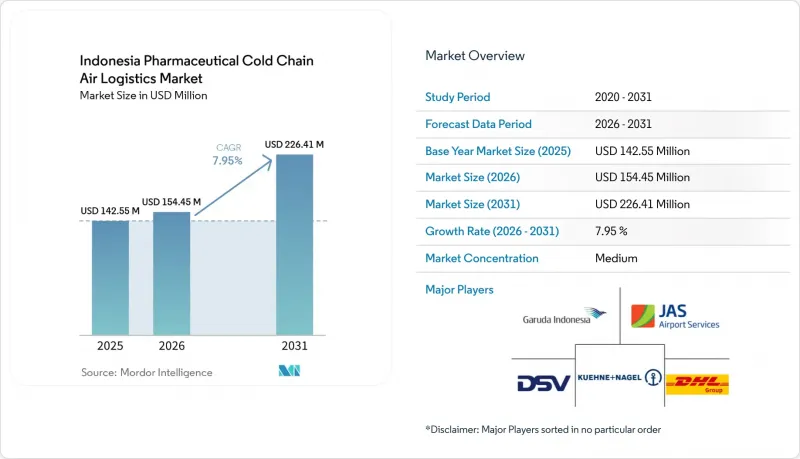
에 따르면 인도네시아의 의약품 콜드체인 항공 물류 시장 규모는 2025년에 1억 4,255만 달러로 평가되며, 2026년 1억 5,445만 달러에서 2031년까지 2억 2,641만 달러에 달할 것으로 예측되고 있으며, 예측 기간(2026-2031년)에 CAGR은 7.95%에 달할 전망입니다.
인도네시아 의약품 콜드체인 항공 물류 시장의 동향 및 인사이트
GDP 기준 물류 사업자에 대한 아웃소싱 증가
인도네시아의 의약품 콜드체인 항공 물류 시장은 전문 제3자 물류 사업자를 이용하는 경향이 강해지고 있는 제약 제조업체들에 의해 지탱되고 있습니다. 이러한 요건은 전국에 분산된 네트워크에서 소규모 사업자가 충족하기 어렵습니다. 따라서 인증을 받은 사업자는 복잡한 온도 관리가 필요한 제조업체에 보다 일관된 서비스를 제공할 수 있습니다. 2026년 3월, NX 그룹은 ‘One Indonesia’ 전략의 일환으로 PT NX Lemo Indonesia Logistik과 PT Nippon Express Indonesia를 통합하여 항공 및 해상 화물 운송 업무 전반에 걸친 단일 창구를 제공했습니다. 이러한 통합을 통해 대응 시간이 단축되고, 현지 실행력과 광범위한 국제 네트워크를 겸비한 공급업체로서의 입지가 강화됩니다.
환자에게 직접 배송 및 온라인 약국 주문 처리의 성장
인도네시아의 의약품 콜드체인 항공 물류 시장은 병원 및 진료소뿐만 아니라 환자에게 직접 배송하는 방식의 확대에 의해서도 형성되고 있습니다. 인슐린, 불임 치료제 및 일부 항암제는 외딴 지역으로 배송되는 동안 안정적인 온도 조건이 필요합니다. 이 채널의 주문은 의료기관용 배송에 비해 소량이며 빈도가 높기 때문에 포장 및 발송 요건도 다릅니다. 외딴 섬으로의 배송이 육로나 해로를 이용하면 며칠이 걸리는 경우, 항공 화물이 필요할 수 있습니다. B-LOG사는 3,400대 이상의 차량과 15곳의 보관 시설을 보유하고 있으며, 국내 콜드체인 사업자들이 구축해 나가고 있는 대규모의 규모를 보여주고 있습니다. 이 채널에서는 온도 관리 기록을 훼손하지 않으면서 빈번한 배송을 관리할 수 있는 서비스 모델에 대한 수요가 높아지고 있습니다.
군도 특유의 인프라 격차와 높은 물류 비용
인도네시아의 의약품 콜드체인 항공 물류 시장에서는 항공, 육로, 소형 항공기, 선박 운송을 조합한 경로를 커버해야 합니다. 운송 수단이 바뀔 때마다 하역, 포장, 일정 조정, 서류 작성 요건이 추가됩니다. 초저온 화물 운송에는 드라이아이스나 액티브 컨테이너가 필요하며, 이로 인해 취급 비용은 상온 화물 운임에 비해 4-6배 높아질 가능성이 있습니다. 이러한 비용 부담은 일부 제네릭 의약품이나 시판 중인 생물제제 등, 저가이면서 온도 관리가 필요한 제품에 있으며, 특히 큰 과제가 됩니다. 동부 노선을 담당하는 사업자는 검증된 취급 절차를 유지하면서 이러한 비용을 분산시키기 위해 충분한 운송량과 노선 밀도를 확보해야 합니다.
부문 분석
2025년, 0-5°C의 냉장 운송은 인도네시아 의약품 콜드체인 항공 물류 시장 점유율의 48.34%를 차지했습니다. 이러한 상황은 냉동 보관이 아닌 냉장 취급이 필요한 백신, 인슐린, 생물제제가 큰 비중을 차지하고 있음을 반영합니다. 냉장 부문은 병원, 진료소 및 기타 의료 시설로의 일상적인 유통을 지원하고 있습니다. 또한 이는 인도네시아의 예방접종 및 생물제제 공급망 전반에 걸친 냉장 운송 능력에 대한 광범위한 수요와도 부합합니다. -18℃-0℃의 냉동 운송은 혈장 단백질 제제 및 특정 항암 생물제제에 있으며, 중요한 두 번째 부문을 형성하고 있습니다. 상온 운송은 15-25℃ 조건에서 운송 가능한 브랜드 의약품 및 일반 의약품을 지원하고 있습니다.
-20°C 이하의 초저온·극저온 운송은 2031년까지 연평균 성장률(CAGR) 11.93%로 성장할 것으로 예측됩니다. 이 범주는 첨단 생물제제 외에도 극저온에서 취급해야 하는 세포 치료 및 유전자 치료에 대응하고 있습니다. 이러한 의약품에는 전용 포장, 엄격한 온도 관리, 그리고 명확하게 관리되는 인계가 필요합니다. 페덱스는 2025년, 아시아태평양의 헬스케어 대응 능력의 일환으로 -60°C까지 대응 가능한 ‘va-Q-tainer’ 솔루션을 제공한다고 발표했습니다. 인도네시아의 의약품 콜드체인 항공 물류 시장 규모는 이 부문에서 적절한 공항 취급 체계와 훈련된 인력 확보 여부에 달려 있을 것입니다. CEIV Pharma 기준은 모든 온도대에서 여전히 중요하며, 각 온도 관리 구간에서 엄격한 취급 규율이 요구됩니다.
기타 혜택:
- 엑셀 형식의 시장 예측(ME) 시트
- 3개월간의 애널리스트 지원
자주 묻는 질문
목차
제1장 서론
- 조사 전제조건과 시장 정의
- 조사 범위
제2장 조사 방법
제3장 개요
제4장 시장 구도
- 시장 개요와 의약품 콜드체인 항공화물 물류의 중요성
- 시장 성장 촉진요인
- 시장 성장 억제요인
- 가치 및 공급망 분석
- 규제 상황
- 기술 전망
- 주요 의약품 항공화물 허브공항과 인프라
- 의약품의 수출 입동향과 주요 무역 루트
- Porter's Five Forces 분석
제5장 시장 규모와 성장 예측
- 온도 범위별
- 의약품 제품 유형별
- 출하 동향별
- 도시별
제6장 경쟁 구도
- 시장 집중도
- 전략적 동향
- 시장 점유율 분석
- 기업 개요
- DHL Group
- Kuehne+Nagel International AG
- DSV A/S
- United Parcel Service, Inc.
- FedEx Corporation
- Cencora, Inc.(World Courier)
- CEVA Logistics
- Nippon Express Holdings, Inc.
- Yusen Logistics Co., Ltd
- LOGISTEED, Ltd
- Expeditors International of Washington, Inc.
- A.P. Moller-Maersk
- PT Jasa Angkasa Semesta Tbk
- PT Garuda Indonesia(Persero) Tbk
- PSA BDP
- Hellmann Worldwide Logistics SE & Co. KG
- KLN Logistics Group Limited
- PT Enseval Putera Megatrading Tbk
- PT Anugerah Pharmindo Lestari
- PT Kimia Farma Trading & Distribution
제7장 시장 기회와 향후 전망
제8장 부록
KSA 26.10.29According to Mordor Intelligence, the Indonesia pharmaceutical cold chain air logistics market size was valued at USD 142.55 million in 2025 and is estimated to grow from 154.45 million in 2026 to reach 226.41 million by 2031, at a CAGR of 7.95% during the forecast period (2026-2031).
Indonesia Pharmaceutical Cold Chain Air Logistics Market Trends and Insights
Increasing Outsourcing to GDP-Compliant Logistics Providers
The Indonesia pharmaceutical cold chain air logistics market is supported by pharmaceutical manufacturers that increasingly use specialized third-party logistics providers. These requirements are harder for smaller providers to meet across a dispersed national network. Certified operators can therefore offer a more consistent service to manufacturers with complex temperature-control needs. In March 2026, NX Group integrated PT NX Lemo Indonesia Logistik and PT Nippon Express Indonesia under its One Indonesia approach to provide a single contact point across air and ocean freight operations. This type of integration can improve response times and strengthen the position of providers that combine local execution with broader international networks.
Growth of Direct-to-Patient and E-Pharmacy Fulfillment
The Indonesia pharmaceutical cold chain air logistics market is also shaped by the growth of deliveries to patients rather than only to hospitals and clinics. Insulin, fertility treatments, and selected oncology products need stable temperature conditions during delivery to remote locations. Orders in this channel are smaller and more frequent than institutional shipments, which changes packaging and dispatch requirements. Air freight can be necessary when a remote-island delivery would otherwise take several days by road or sea. B-LOG had more than 3,400 fleet units and 15 storage facilities, showing the scale being developed by domestic cold-chain providers. The channel increases demand for service models that can manage frequent deliveries without weakening temperature documentation.
Archipelagic Infrastructure Gaps and High Logistics Costs
The Indonesia pharmaceutical cold chain air logistics market must serve routes that may combine air, road, smaller aircraft, and boat transport. Each transfer adds handling, packaging, scheduling, and documentation requirements. Deep-frozen shipments need dry ice or active containers, which can make handling costs 4 to 6 times higher than ambient cargo rates. This cost burden is most difficult for lower-value temperature-sensitive products, including some generics and over-the-counter biologics. Providers serving eastern routes need enough volume and route density to spread these costs while maintaining validated handling.
Other drivers and restraints analyzed in the detailed report include:
- Inter-Island Air Bridges and Regional Micro-Hub Development
- CEIV-Oriented Airport Handling and Premium Shipment Integrity
- Regulatory, Customs, and Qualified-Personnel Complexity
For complete list of drivers and restraints, kindly check the Table Of Contents.
Segment Analysis
Chilled shipments at 0 to 5 °C held 48.34% of the Indonesia pharmaceutical cold chain air logistics market share in 2025. This position reflects the large role of vaccines, insulin, and biological products that require refrigerated handling rather than frozen storage. The chilled category supports routine distribution to hospitals, clinics, and other healthcare facilities. It also aligns with the broad need for refrigerated capacity across the country's immunization and biologics supply chains. Frozen shipments at -18 °C to 0 °C form an important secondary category for plasma protein products and selected oncology biologics. Ambient shipments support branded medicines and over-the-counter products that can move within 15 to 25 °C conditions.
Deep-frozen and ultra-low shipments below -20 °C are forecast to grow at an 11.93 % CAGR through 2031. The category serves advanced biologics, as well as cell and gene therapies that require cryogenic handling. These medicines require specialized packaging, close temperature control, and clearly managed handoffs. FedEx stated in 2025 that its Asia-Pacific healthcare capabilities included va-Q-tainer solutions that can reach -60 °C. The Indonesia pharmaceutical cold chain air logistics market size for this category will depend on the availability of suitable airport handling and trained personnel. CEIV Pharma practices remain relevant across all temperature ranges because handling discipline is necessary in each controlled corridor.
Complete Report Scope:
- By Temperature Range
- Chilled (0-5 °C)
- Frozen (-18-0 °C)
- Ambient
- Deep-Frozen / Ultra-Low (Below -20 °C)
- By Pharmaceutical Product Type
- Small-Molecule Pharmaceuticals
- Branded Pharmaceuticals
- Over-the-Counter (OTC) Pharmaceuticals
- Generic Pharmaceuticals
- Biological Pharmaceuticals (Biologics, Biosimilars, Vaccines, and Blood-Derived Medicinal Products)
- Specialty Pharmaceuticals
- Cell and Gene Therapies
- Veterinary Pharmaceuticals
- Other Pharmaceutical Products
- Small-Molecule Pharmaceuticals
- By Shipment Flow
- Domestic Shipments
- International Shipments
- By City
- Jakarta
- Bandung
- Surabaya
- Medan
- Tasikmalaya
- Yogyakarta
- Semarang
- Denpasar
- Makassar
- Rest of Cities
List of Companies Covered in this Report:
- DHL Group
- Kuehne+Nagel International AG
- DSV A/S
- United Parcel Service, Inc.
- FedEx Corporation
- Cencora, Inc. (World Courier)
- CEVA Logistics
- Nippon Express Holdings, Inc.
- Yusen Logistics Co., Ltd
- LOGISTEED, Ltd
- Expeditors International of Washington, Inc.
- A.P. Moller - Maersk
- PT Jasa Angkasa Semesta Tbk
- PT Garuda Indonesia (Persero) Tbk
- PSA BDP
- Hellmann Worldwide Logistics SE & Co. KG
- KLN Logistics Group Limited
- PT Enseval Putera Megatrading Tbk
- PT Anugerah Pharmindo Lestari
- PT Kimia Farma Trading & Distribution
Additional Benefits:
- The market estimate (ME) sheet in Excel format
- 3 months of analyst support
TABLE OF CONTENTS
1 INTRODUCTION
- 1.1 Study Assumptions and Market Definition
- 1.2 Scope of the Study
2 RESEARCH METHODOLOGY
3 EXECUTIVE SUMMARY
4 MARKET LANDSCAPE
- 4.1 Market Overview and Importance of Pharmaceutical Cold Chain Air Freight Logistics
- 4.2 Market Drivers
- 4.2.1 Biologics, Vaccines and Specialty Injectables Expansion
- 4.2.2 Expansion of Healthcare Access and Institutional Distribution
- 4.2.3 Increasing Outsourcing to GDP-Compliant Logistics Providers
- 4.2.4 Growth of Direct-to-Patient and E-Pharmacy Fulfillment
- 4.2.5 Inter-Island Air Bridges and Regional Micro-Hub Development
- 4.2.6 CEIV-Oriented Airport Handling and Premium Shipment Integrity
- 4.3 Market Restraints
- 4.3.1 Archipelagic Infrastructure Gaps and High Logistics Costs
- 4.3.2 Regulatory, Customs and Qualified-Personnel Complexity
- 4.3.3 Repeated Inter-Island Handoffs and Temperature-Excursion Risk
- 4.3.4 Concentration of Certified Air-Cargo Cold Rooms at Jakarta Gateway
- 4.4 Value and Supply-Chain Analysis
- 4.5 Regulatory Landscape
- 4.6 Technological Outlook
- 4.7 Major Pharmaceutical Air Cargo Gateways and Infrastructure
- 4.8 Pharmaceutical Import Export Flows and Major Trade Corridors
- 4.9 Porter's Five Forces Analysis
- 4.9.1 Threat of New Entrants
- 4.9.2 Bargaining Power of Buyers and Consumers
- 4.9.3 Bargaining Power of Suppliers
- 4.9.4 Threat of Substitute Services
- 4.9.5 Intensity of Competitive Rivalry
5 MARKET SIZE AND GROWTH FORECASTS
- 5.1 By Temperature Range
- 5.1.1 Chilled (0-5 °C)
- 5.1.2 Frozen (-18-0 °C)
- 5.1.3 Ambient
- 5.1.4 Deep-Frozen / Ultra-Low (Below -20 °C)
- 5.2 By Pharmaceutical Product Type
- 5.2.1 Small-Molecule Pharmaceuticals
- 5.2.1.1 Branded Pharmaceuticals
- 5.2.1.2 Over-the-Counter (OTC) Pharmaceuticals
- 5.2.1.3 Generic Pharmaceuticals
- 5.2.2 Biological Pharmaceuticals (Biologics, Biosimilars, Vaccines, and Blood-Derived Medicinal Products)
- 5.2.3 Specialty Pharmaceuticals
- 5.2.4 Cell and Gene Therapies
- 5.2.5 Veterinary Pharmaceuticals
- 5.2.6 Other Pharmaceutical Products
- 5.2.1 Small-Molecule Pharmaceuticals
- 5.3 By Shipment Flow
- 5.3.1 Domestic Shipments
- 5.3.2 International Shipments
- 5.4 By City
- 5.4.1 Jakarta
- 5.4.2 Bandung
- 5.4.3 Surabaya
- 5.4.4 Medan
- 5.4.5 Tasikmalaya
- 5.4.6 Yogyakarta
- 5.4.7 Semarang
- 5.4.8 Denpasar
- 5.4.9 Makassar
- 5.4.10 Rest of Cities
6 COMPETITIVE LANDSCAPE
- 6.1 Market Concentration
- 6.2 Strategic Moves
- 6.3 Market Share Analysis
- 6.4 Company Profiles (includes Global Level Overview, Market Level Overview, Core Segments, Financials as available, Strategic Information, Geographic Coverage, Products and Services, Recent Developments)
- 6.4.1 DHL Group
- 6.4.2 Kuehne+Nagel International AG
- 6.4.3 DSV A/S
- 6.4.4 United Parcel Service, Inc.
- 6.4.5 FedEx Corporation
- 6.4.6 Cencora, Inc. (World Courier)
- 6.4.7 CEVA Logistics
- 6.4.8 Nippon Express Holdings, Inc.
- 6.4.9 Yusen Logistics Co., Ltd
- 6.4.10 LOGISTEED, Ltd
- 6.4.11 Expeditors International of Washington, Inc.
- 6.4.12 A.P. Moller - Maersk
- 6.4.13 PT Jasa Angkasa Semesta Tbk
- 6.4.14 PT Garuda Indonesia (Persero) Tbk
- 6.4.15 PSA BDP
- 6.4.16 Hellmann Worldwide Logistics SE & Co. KG
- 6.4.17 KLN Logistics Group Limited
- 6.4.18 PT Enseval Putera Megatrading Tbk
- 6.4.19 PT Anugerah Pharmindo Lestari
- 6.4.20 PT Kimia Farma Trading & Distribution
7 MARKET OPPORTUNITIES AND FUTURE OUTLOOK
- 7.1 White-Space and Unmet-Need Assessment


