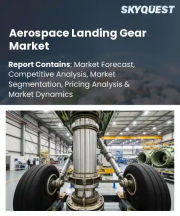
|
시장보고서
상품코드
2068953
항공기 착륙 장지 시장 규모, 점유율 및 성장 분석 : 장비 유형별, 항공기 유형별, 판매채널별, 지역별 - 업계 예측(2026-2033년)Aerospace Landing Gear Market Size, Share, and Growth Analysis, By Gear Type (Main Landing Gear, Nose Landing Gear), By Aircraft Type (Commercial Aircraft, Military Aircraft), By Sales Channel, By Region - Industry Forecast 2026-2033 |
||||||

세계의 항공기 착륙 장지 시장 규모는 2024년에 112억 달러로 평가되었고, 2025년 121억 5,000만 달러에서 2033년까지 233억 4,000만 달러로 성장하여 예측 기간(2026-2033년)에 CAGR 8.5%를 기록할 전망입니다.
항공기 착륙 장지 시장은 안전한 이륙, 착륙 및 지상 운용에 필수적인 항공기 착륙장치 시스템의 설계, 제조 및 유지보수에 중점을 두고 있습니다. 이 시장의 주요 성장 동인은 전 세계 항공 교통량의 지속적인 증가와 항공기 기체 교체이며, 이에 따라 OEM 및 항공사들은 협폭기 및 광폭기 모두를 위한 착륙 장치 시스템에 대한 투자를 확대되고 있습니다. 수년에 걸쳐 이 분야는 기계식 시스템에서 경량 소재와 상태 모니터링 기술을 특징으로 하는 첨단 통합 프레임워크로 전환되어 왔습니다. 디지털화는 매우 중요한 역할을 수행하고 있으며, AI와 센서를 활용한 예측 유지보수를 통해 운항 사업자는 정기적인 정밀 점검에서 대상에 집중한 개입으로 전환할 수 있게 되어, 신뢰성 향상과 비용 절감을 실현하고 있습니다. 이러한 진화는 레트로핏, 데이터 기반 공급망, 그리고 새로운 서비스 계약 기회를 창출하며, 궁극적으로 시장 확대를 주도하고 있습니다.
세계 항공우주용 착륙 장치 시장의 성장 요인
민간 항공 여행에 대한 수요 증가로 인해 항공기 가동률이 향상되고 있으며, 이로 인해 신규 및 교체용 착륙 장치 시스템에 대한 안정적인 수요가 창출되고 있습니다. 항공사들은 증가하는 사이클률에 대응하기 위해 신뢰성이 높고 내구성이 뛰어난 부품을 요구하고 있으며, 이에 따라 제조업체들은 생산 능력과 서비스 옵션을 확충해야 하는 상황에 놓여 있습니다. 이에 대응하여 운항사는 기체 현대화에 주력하고, 운영 효율을 높이며 가동 중지 시간을 최소화하기 위해 착륙 장치를 업그레이드하고 있습니다. 이러한 역동적인 상황은 설계 및 공급망 강화를 위한 투자를 촉진하고, 공급업체들이 혁신을 도모하고 사업 규모를 확대하도록 이끌고 있습니다. 그 결과, 이 환경은 지속적인 조달과 활발한 애프터마켓 활동을 통해 시장의 성장을 뒷받침하고 있습니다.
세계 항공기 착륙 장지 시장의 제약 요인
세계 항공기 착륙 장지 시장은 착륙장치 시스템과 관련된 엄격한 인증 및 규제 준수 요건으로 인해 큰 제약을 받고 있습니다. 이러한 요건들은 개발 기간을 길게 만들며, 혁신적인 설계의 신속한 도입을 저해하고 있습니다. 엄격한 안전 기준을 준수해야 할 필요성 때문에 광범위한 기술적 검증, 종합적인 시험 및 규제 당국과의 지속적인 협력이 요구됩니다. 그 결과, 프로그램의 복잡성이 증가하여 소규모 공급업체들이 불리한 입장에 놓이게 되고, 경쟁력이 제한되는 경우가 종종 있습니다. 또한, 규제상의 과제는 제품 도입을 지연시키고 업데이트 빈도를 낮출 가능성도 있어, 궁극적으로는 시장의 유연성과 성장 잠재력에 영향을 미칩니다.
세계 항공기 착륙 장지 시장 동향
세계 항공우주용 랜딩 기어 시장에서는 경량 소재, 특히 첨단 복합 소재와 하이브리드 시스템의 채택이 증가하고 있으며, 이것이 랜딩 기어 설계에 혁명을 가져올 것이라는 뚜렷한 추세가 나타나고 있습니다. 이러한 소재 혁신에 대한 노력은 대폭적인 경량화에 기여할 뿐만 아니라, 항공기 구조와의 통합성 향상도 촉진하고 있습니다. 각 제조업체는 소재 대체, 적층 가공, 혁신적인 접합 기술에 주력하며, 내구성과 손상 허용성을 확보하는 동시에 강도 대 중량 비율의 최적화를 목표로 하고 있습니다. 그 결과, 이러한 변화에 발맞추어 진화하는 업계 수요와 애프터마켓 전략에 대응하기 위해서는 재료 과학자, 부품 설계자, 인증 기관 간의 협력을 강화하는 것은 물론, 재료 시험 및 공정 검증에 대한 투자를 확대하는 것이 필수적입니다.
자주 묻는 질문
목차
서론
조사 방법
주요 요약
시장 역학과 전망
주요 시장 인사이트
세계의 항공기 착륙 장지 시장 규모 : 기어 유형별
세계의 항공기 착륙 장지 시장 규모 : 항공기 유형별
세계의 항공기 착륙 장지 시장 규모 : 판매채널별
세계의 항공기 착륙 장지 시장 규모 : 지역별
경쟁 정보
주요 기업 개요
결론과 제안
LSH 26.07.01Global Aerospace Landing Gear Market size was valued at USD 11.2 Billion in 2024 and is poised to grow from USD 12.15 Billion in 2025 to USD 23.34 Billion by 2033, growing at a CAGR of 8.5% during the forecast period (2026-2033).
The aerospace landing gear market focuses on the design, production, and upkeep of aircraft undercarriage systems crucial for safe takeoff, landing, and ground operations. The primary driver of this market is the ongoing growth in global air traffic and fleet renewal, prompting OEMs and airlines to invest in landing gear systems for both narrow and wide-body aircraft. Over the years, the sector has transitioned from mechanical systems to advanced integrated frameworks, featuring lightweight materials and health monitoring technologies. Digitalization plays a vital role, as predictive maintenance using AI and sensors enables operators to move from routine overhauls to targeted interventions, enhancing reliability and reducing costs. This evolution fosters opportunities for retrofitting, data-driven supply chains, and new service contracts, ultimately driving market expansion.
Top-down and bottom-up approaches were used to estimate and validate the size of the Global Aerospace Landing Gear market and to estimate the size of various other dependent submarkets. The research methodology used to estimate the market size includes the following details: The key players in the market were identified through secondary research, and their market shares in the respective regions were determined through primary and secondary research. This entire procedure includes the study of the annual and financial reports of the top market players and extensive interviews for key insights from industry leaders such as CEOs, VPs, directors, and marketing executives. All percentage shares split, and breakdowns were determined using secondary sources and verified through Primary sources. All possible parameters that affect the markets covered in this research study have been accounted for, viewed in extensive detail, verified through primary research, and analyzed to get the final quantitative and qualitative data.
Global Aerospace Landing Gear Market Segments Analysis
Global aerospace landing gear market is segmented by gear type, aircraft type, sales channel and region. Based on gear type, the market is segmented into Main Landing Gear, Nose Landing Gear and Others. Based on aircraft type, the market is segmented into Commercial Aircraft, Military Aircraft and Others. Based on sales channel, the market is segmented into OEM, Aftermarket and Others. Based on region, the market is segmented into North America, Europe, Asia Pacific, Latin America and Middle East & Africa.
Driver of the Global Aerospace Landing Gear Market
The growing appetite for commercial air travel drives heightened aircraft utilization, creating a consistent demand for both new and replacement landing gear systems. Airlines seek dependable and long-lasting components to manage increased cycle rates, prompting manufacturers to broaden their production capabilities and service options. In response, operators focus on modernizing their fleets, incorporating landing gear upgrades to enhance operational efficiency and minimize downtime. This dynamic landscape encourages investments in design and supply chain enhancements, which motivates suppliers to innovate and scale operations. Consequently, this environment supports market growth through ongoing procurement and robust aftermarket activities.
Restraints in the Global Aerospace Landing Gear Market
The global aerospace landing gear market faces significant constraints due to the rigorous certification and regulatory compliance requirements associated with landing gear systems. These requirements extend development timelines and hinder the swift introduction of innovative designs into service. The necessity to adhere to strict safety standards mandates extensive engineering validation, comprehensive testing, and ongoing collaboration with regulatory authorities. Consequently, this increases the complexity of programs and often puts smaller suppliers at a disadvantage, limiting their competitive edge. The regulatory challenges can also slow down product introductions and diminish the frequency of updates, ultimately affecting market agility and growth potential.
Market Trends of the Global Aerospace Landing Gear Market
The Global Aerospace Landing Gear market is experiencing a notable trend with the increasing adoption of lightweight materials, particularly advanced composites and hybrid systems, which are revolutionizing landing gear design. This emphasis on material innovation is not only contributing to substantial weight reductions but also facilitating improved integration with aircraft structures. As manufacturers focus on material substitution, additive manufacturing, and innovative joining techniques, they aim to optimize strength-to-weight ratios while ensuring durability and damage tolerance. Consequently, this shift necessitates enhanced collaboration among material scientists, component designers, and certification bodies, alongside heightened investments in material testing and process validation to meet evolving industry demands and aftermarket strategies.
Table of Contents
Introduction
- Objectives of the Study
- Market Definition & Scope
Research Methodology
- Research Process
- Secondary & Primary Data Methods
- Market Size Estimation Methods
Executive Summary
- Global Market Outlook
- Key Market Highlights
- Segmental Overview
- Competition Overview
Market Dynamics & Outlook
- Macro-Economic Indicators
- Drivers & Opportunities
- Restraints & Challenges
- Supply Side Trends
- Demand Side Trends
- Porters Analysis & Impact
- Competitive Rivalry
- Threat of Substitute
- Bargaining Power of Buyers
- Threat of New Entrants
- Bargaining Power of Suppliers
Key Market Insights
- Key Success Factors
- Market Impacting Factors
- Top Investment Pockets
- Ecosystem Mapping
- Market Attractiveness Index 2025
- PESTEL Analysis
- Regulatory Landscape
Global Aerospace Landing Gear Market Size by Gear Type & CAGR (2026-2033)
- Market Overview
- Main Landing Gear
- Nose Landing Gear
- Others
Global Aerospace Landing Gear Market Size by Aircraft Type & CAGR (2026-2033)
- Market Overview
- Commercial Aircraft
- Narrow-body
- Wide-body
- Military Aircraft
- Others
Global Aerospace Landing Gear Market Size by Sales Channel & CAGR (2026-2033)
- Market Overview
- OEM
- Aftermarket
- Others
Global Aerospace Landing Gear Market Size & CAGR (2026-2033)
- North America (Gear Type, Aircraft Type, Sales Channel)
- US
- Canada
- Europe (Gear Type, Aircraft Type, Sales Channel)
- Germany
- Spain
- France
- UK
- Italy
- Rest of Europe
- Asia Pacific (Gear Type, Aircraft Type, Sales Channel)
- China
- India
- Japan
- South Korea
- Rest of Asia-Pacific
- Latin America (Gear Type, Aircraft Type, Sales Channel)
- Mexico
- Brazil
- Rest of Latin America
- Middle East & Africa (Gear Type, Aircraft Type, Sales Channel)
- GCC Countries
- South Africa
- Rest of Middle East & Africa
Competitive Intelligence
- Top 5 Player Comparison
- Market Positioning of Key Players, 2025
- Strategies Adopted by Key Market Players
- Recent Developments in the Market
- Company Market Share Analysis, 2025
- Company Profiles of All Key Players
- Company Details
- Product Portfolio Analysis
- Company's Segmental Share Analysis
- Revenue Y-O-Y Comparison (2023-2025)
Key Company Profiles
- Safran
- Company Overview
- Business Segment Overview
- Financial Updates
- Key Developments
- Raytheon Technologies (RTX)
- Company Overview
- Business Segment Overview
- Financial Updates
- Key Developments
- Heroux-Devtek
- Company Overview
- Business Segment Overview
- Financial Updates
- Key Developments
- Melrose Industries
- Company Overview
- Business Segment Overview
- Financial Updates
- Key Developments
- Parker Hannifin
- Company Overview
- Business Segment Overview
- Financial Updates
- Key Developments
- Triumph Group
- Company Overview
- Business Segment Overview
- Financial Updates
- Key Developments
- Liebherr-International
- Company Overview
- Business Segment Overview
- Financial Updates
- Key Developments
- Sumitomo Precision Products
- Company Overview
- Business Segment Overview
- Financial Updates
- Key Developments
- AAR Corp
- Company Overview
- Business Segment Overview
- Financial Updates
- Key Developments
- Eaton
- Company Overview
- Business Segment Overview
- Financial Updates
- Key Developments
- Aircraft Landing Gear Co
- Company Overview
- Business Segment Overview
- Financial Updates
- Key Developments
- SPP Nagasaki Engineering
- Company Overview
- Business Segment Overview
- Financial Updates
- Key Developments
- Kawasaki Aerospace
- Company Overview
- Business Segment Overview
- Financial Updates
- Key Developments
- AVIC Aircraft Landing Gear
- Company Overview
- Business Segment Overview
- Financial Updates
- Key Developments
- Commercial Aircraft Corporation of China (COMAC)
- Company Overview
- Business Segment Overview
- Financial Updates
- Key Developments
- Meggitt
- Company Overview
- Business Segment Overview
- Financial Updates
- Key Developments
- Airbus
- Company Overview
- Business Segment Overview
- Financial Updates
- Key Developments
- ZF Luftfahrttechnik
- Company Overview
- Business Segment Overview
- Financial Updates
- Key Developments
- ThyssenKrupp
- Company Overview
- Business Segment Overview
- Financial Updates
- Key Developments
- Collins Aerospace
- Company Overview
- Business Segment Overview
- Financial Updates
- Key Developments