|
시장보고서
상품코드
2044703
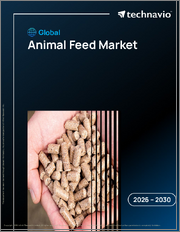
사료 시장 보고서 : 동향, 예측 및 경쟁 분석(-2035년)Animal Feed Market Report: Trends, Forecast and Competitive Analysis to 2035 |
||||||
 Lucintel
세계 사료 시장의 미래는 유망하며, 돼지, 반추동물, 가금류, 양식업 시장 모두에서 기회가 있을 것으로 예상됩니다. 세계 동물 사료 시장은 2026년부터 2035년까지 4.7%의 연평균 성장률을 보이며 2035년까지 약 6,100억 달러에 달할 것으로 예상됩니다. 이 시장의 주요 성장 요인은 육류 및 유제품에 대한 수요 증가, 개발도상국에서의 가금류 사육 수요 확대, 고품질 축산물에 대한 수요 증가 등입니다.
- Lucintel의 예측에 따르면, 원료 카테고리 중 곡물이 예측 기간 동안 가장 높은 성장률을 보일 것으로 예상됩니다.
- 동물 종류별로는 반추동물이 가장 높은 성장률을 보일 것으로 예상됩니다.
- 지역별로는 APAC 지역이 예측 기간 동안 가장 높은 성장률을 보일 것으로 예상됩니다.
사료 시장의 새로운 동향
사료 시장은 기술 발전, 소비자 선호도 변화, 지속가능하고 영양가 높은 동물성 제품에 대한 세계 수요 증가에 힘입어 빠르게 변화하고 있습니다. 업계가 이러한 변화에 적응하는 가운데, 몇 가지 새로운 트렌드가 향후 시장 구조를 형성하고 있습니다. 이러한 추세는 제품 제공 내용과 생산 방식에 영향을 미칠 뿐만 아니라, 공급망, 규제 프레임워크, 그리고 소비자의 기대에도 영향을 미치고 있습니다. 이러한 역동적인 시장 환경에서 경쟁력을 유지하고 혁신을 지속하고자 하는 이해관계자들에게 이러한 주요 동향을 이해하는 것은 필수적입니다. 다음은 현재 사료 시장을 형성하고 있는 5가지 주요 동향을 정리한 것입니다.
- 대체 단백질 공급원 채택 : 업계에서는 식물 유래, 곤충 유래, 배양 단백질의 동물 사료에 대한 배합이 점점 더 많이 이루어지고 있습니다. 이러한 변화는 지속가능성 및 공급 측면의 문제에 직면한 콩과 어분 등 기존 원료에 대한 의존도를 낮추기 위함입니다. 대체 단백질은 환경적 이점, 비용 절감, 영양 프로파일의 개선으로 환경 친화적인 소비자와 생산자들이 선호하고 있습니다. 이러한 추세는 사료 배합의 혁신을 촉진하고, 지속가능성을 높이며, 윤리적으로 생산된 축산물에 대한 수요 증가에 부응할 것으로 기대됩니다.
- 정밀영양에 집중 : 정밀영양이란 가축의 건강상태, 연령, 생산성 등 가축의 종류에 따라 사료를 조정하는 것을 말합니다. 고급 데이터 분석, IoT 기기, 유전 정보를 통해 생산자는 사료 효율과 가축의 건강 상태를 최적화할 수 있습니다. 이러한 추세는 최적의 성장과 건강을 위해 가축이 필요로 하는 것을 정확하게 제공함으로써 폐기물을 줄이고, 비용을 절감하며, 생산성을 향상시키는 결과를 가져옵니다. 또한, 과도한 사료 공급을 최소화하고 환경에 미치는 영향을 줄임으로써 지속가능한 관행을 지원하고, 기존의 사료 공급 전략을 보다 과학적이고 목표 지향적인 접근 방식으로 전환합니다.
- 유기농 및 천연 사료의 성장 : 유기농, 비GMO, 천연 축산물에 대한 소비자 수요가 유기농 및 천연 사료의 선택권을 확대하는 데 기여하고 있습니다. 이들 사료는 합성첨가물, 항생제, 성장호르몬을 사용하지 않고 생산되어 건강을 중시하고 환경을 중시하는 소비자들의 요구에 부응하고 있습니다. 이러한 추세에 따라 농부들은 유기농업 실천과 인증 기준 준수를 장려하고, 이를 통해 더 높은 가격으로 판매할 수 있게 됩니다. 동물 복지와 식품 안전에 대한 인식이 높아짐에 따라 유기농 사료 시장은 확대될 것으로 예상되며, 이는 업계 전반의 제품 개발 및 규제 기준에 영향을 미칠 것으로 보입니다.
- 디지털 기술 통합 : 블록체인, AI, IoT 등의 디지털 도구는 사료 산업의 공급망 관리, 품질 관리 및 추적 가능성에 혁명을 일으키고 있습니다. 블록체인은 원자재 조달부터 최종 제품 배송까지 투명성과 추적성을 향상시키고, 안전성과 컴플라이언스를 보장합니다. AI를 활용한 분석은 생산 공정과 수요 예측을 최적화하고 폐기물과 비용을 절감합니다. IoT 디바이스는 동물의 건강 상태와 환경 조건을 실시간으로 모니터링하고 예방적 관리를 가능하게 합니다. 이러한 기술은 효율성, 안전성 및 소비자 신뢰를 향상시켜 디지털 전환을 시장 혁신의 주요 원동력으로 삼고 있습니다.
- 지속가능성 및 순환 경제에 집중 : 지속가능성 이니셔티브는 지속가능한 조달, 폐기물 감소, 순환 경제 실천을 통해 환경에 미치는 영향을 줄이는 데 초점을 맞추고 있습니다. 여기에는 타 산업에서 발생하는 제품별 또는 폐기물을 사료 원료로 활용하고, 재활용 및 자원 효율성 향상을 촉진하는 것이 포함됩니다. 각 업체들은 환경 친화적인 제조 공정을 채택하여 온실가스 배출을 줄이기 위해 노력하고 있습니다. 이러한 추세는 기후변화 대응 및 규제 기준 대응을 위한 전 세계적인 노력과 맥을 같이 하고 있습니다. 지속가능성을 중시하는 것은 브랜드의 명성을 높일 뿐만 아니라, 환경에 민감한 소비자들에게 어필하고 동물 사료 산업의 미래를 보다 책임감 있고 지속가능한 관행으로 이끌고 있습니다.
이러한 트렌드는 혁신을 촉진하고, 지속가능성을 촉진하며, 변화하는 소비자 기호에 대응함으로써 동물 사료 시장 전체를 재편하고 있습니다. 이를 통해 업계가 보다 효율적이고 윤리적이며 기술적으로 진보된 관행으로 나아가며, 경쟁이 치열한 세계 환경에서 회복력과 성장을 보장하고 있습니다.
사료 시장의 최근 동향
사료 시장은 단백질 공급원에 대한 세계 수요 증가, 사료 기술 발전, 동물 건강에 대한 인식 증가에 힘입어 빠르게 성장하고 있습니다. 지속가능한 원료의 혁신과 규제 변화가 업계 상황을 형성하고 있습니다. 시장 참여자들은 소비자와 업계의 요구에 부응하기 위해 제품 다양화와 사료 효율성 향상에 주력하고 있습니다. 이러한 추세는 성장 기회, 투자, 기술 통합을 위한 새로운 기회를 창출하고, 궁극적으로 시장 역학 및 경쟁 구도를 변화시키고 있습니다.
- 고품질 동물 사료에 대한 수요 증가 : 세계 인구 증가와 육류 소비 증가로 인해 영양가 높은 고품질 사료에 대한 수요가 증가하고 있습니다. 이러한 추세는 제조업체들이 동물의 건강과 생산성을 향상시키는 특수 배합을 개발하도록 유도하고 있으며, 이는 시장 규모 확대와 제품 라인업의 다양화로 이어지고 있습니다. 또한, 소비자의 취향과 규제 기준을 충족시키기 위해 유기농 및 지속가능한 옵션을 포함한 사료 원료의 혁신을 촉진하고 있습니다.
- 지속가능한 대체 원료 채택 : 지속가능성으로의 전환은 곤충 식사, 조류, 식물성 단백질과 같은 대체 원료의 사용을 촉진하고 있습니다. 이러한 원료는 환경에 미치는 영향을 줄이고 비용 효율적인 솔루션을 제공합니다. 이를 채택하면 사료의 지속가능성을 높이고, 환경 친화적인 소비자를 끌어들이며, 보다 엄격한 환경 규제를 준수할 수 있습니다. 이러한 움직임은 사료 배합의 혁신과 다양화를 촉진하고, 시장 기회를 확대하며, 환경 친화적인 노력을 강화하는 데 기여하고 있습니다.
- 사료 배합의 기술적 진보 : 정밀 영양학, 사료 첨가제, 디지털 모니터링 등의 혁신이 사료 배합에 혁명을 일으키고 있습니다. 이러한 기술은 영양소 공급을 최적화하고, 사료 효율을 향상시키며, 폐기물을 줄입니다. 생산자는 이를 활용하여 개별 동물의 필요에 맞게 사료를 조정할 수 있으며, 생산성과 건강 상태를 향상시킬 수 있습니다. 또한, 데이터 분석과 자동화의 통합을 통해 생산 프로세스를 간소화하여 비용을 절감하고 시장 경쟁력을 강화하고 있습니다.
- 규제 변화 및 품질 기준 : 정부 및 업계 단체는 사료의 안전성, 표시 및 원료의 투명성과 관련하여 보다 엄격한 규제를 도입하고 있습니다. 이러한 변화로 인해 제조업체들은 품질 관리 강화, 안전한 원료 사용, 추적성 향상을 위해 노력해야 합니다. 규제 준수는 특히 엄격한 기준을 가진 지역에서 소비자의 신뢰를 높이고 새로운 시장을 개척할 수 있습니다. 또한, 안전하고 규정을 준수하는 원료와 배합의 혁신을 촉진하고, 보다 투명하고 신뢰할 수 있는 산업 환경을 조성하기 위해 노력하고 있습니다.
- 신흥시장 확대 : 아시아태평양, 아프리카 등 지역의 급속한 경제성장이 동물성 단백질 수요와 사료 수요를 견인하고 있습니다. 시장 확대는 가축 사육두수 증가, 도시화, 가처분 소득의 증가에 의해 뒷받침되고 있습니다. 현지 제조업체들은 현지의 기호에 부응하기 위해 생산능력 확대와 제품 개발에 투자하고 있습니다. 이러한 성장은 세계 기업들에게 이러한 신흥 시장에 발판을 마련하고 확대되는 소비자층을 활용할 수 있는 큰 기회로 작용하고 있습니다.
사료 시장의 최근 동향은 미래를 크게 형성하고 있으며, 혁신, 지속가능성 및 규제 준수를 촉진하고 있습니다. 이러한 기회는 시장 확대를 주도하고, 제품 품질 향상과 경쟁력 강화로 이어지며, 궁극적으로 더욱 역동적이고 강력한 산업 환경으로 이어집니다.
목차
제1장 주요 요약
제2장 시장 개요
제3장 시장 동향과 예측 분석
제4장 세계의 사료 시장 : 동물 유형별
제5장 세계의 사료 시장 : 형태별
제6장 세계의 사료 시장 : 성분별
제7장 지역별 분석
제8장 북미의 사료 시장
제9장 유럽의 사료 시장
제10장 아시아태평양의 사료 시장
제11장 RoW의 사료 시장
제12장 경쟁 분석
제13장 기회와 전략 분석
제14장 밸류체인 전체의 주요 기업 개요
제15장 부록
KSM 26.06.05The future of the global animal feed market looks promising with opportunities in the swine, ruminant, poultry, and aquaculture markets. The global animal feed market is expected to reach an estimated $610 billion by 2035 with a CAGR of 4.7% from 2026 to 2035. The major drivers for this market are the increasing demand for meat & dairy products, the growing demand for poultry farming across developing countries, and the rising demand for high quality animal products.
- Lucintel forecasts that, within the ingredient category, cereal is expected to witness the highest growth over the forecast period.
- Within the animal type category, ruminant is expected to witness the highest growth.
- In terms of region, APAC is expected to witness the highest growth over the forecast period.
Emerging Trends in the Animal Feed Market
The animal feed market is experiencing rapid transformation driven by technological advancements, changing consumer preferences, and increasing global demand for sustainable and nutritious animal products. As the industry adapts to these shifts, several emerging trends are shaping its future landscape. These developments are not only influencing product offerings and production methods but also impacting supply chains, regulatory frameworks, and consumer expectations. Understanding these key trends is essential for stakeholders aiming to stay competitive and innovative in this dynamic market environment. The following are five significant trends currently shaping the animal feed market.
- Adoption of Alternative Protein Sources: The industry is increasingly incorporating plant-based, insect-based, and lab-grown proteins into animal feed formulations. This shift aims to reduce reliance on traditional ingredients like soy and fishmeal, which face sustainability and supply challenges. Alternative proteins offer environmental benefits, lower costs, and improved nutritional profiles, appealing to eco-conscious consumers and producers. This trend is expected to drive innovation in feed formulations, enhance sustainability, and meet the rising demand for ethically produced animal products.
- Focus on Precision Nutrition: Precision nutrition involves tailoring animal feed to meet specific health, age, and productivity needs of different livestock. Advanced data analytics, IoT devices, and genetic information enable producers to optimize feed efficiency and animal health. This trend reduces waste, lowers costs, and improves productivity by providing animals with exactly what they need for optimal growth and health. It also supports sustainable practices by minimizing excess feed and reducing environmental impact, thus transforming traditional feeding strategies into more scientific and targeted approaches.
- Growth of Organic and Natural Feeds: Consumer demand for organic, non-GMO, and natural animal products is fueling the growth of organic and natural feed options. These feeds are produced without synthetic additives, antibiotics, or growth hormones, aligning with health-conscious and environmentally aware consumers. The trend encourages farmers to adopt organic farming practices and meet certification standards, which can command premium prices. As awareness of animal welfare and food safety increases, the market for organic feeds is expected to expand, influencing product development and regulatory standards across the industry.
- Integration of Digital Technologies: Digital tools such as blockchain, AI, and IoT are revolutionizing supply chain management, quality control, and traceability in the animal feed industry. Blockchain enhances transparency and traceability from raw material sourcing to end-product delivery, ensuring safety and compliance. AI-driven analytics optimize production processes and demand forecasting, reducing waste and costs. IoT devices monitor animal health and environmental conditions in real-time, enabling proactive management. These technologies improve efficiency, safety, and consumer trust, positioning digital transformation as a key driver of innovation in the market.
- Emphasis on Sustainability and Circular Economy: Sustainability initiatives focus on reducing environmental impact through sustainable sourcing, waste reduction, and circular economy practices. This includes utilizing by-products and waste materials from other industries as feed ingredients, promoting recycling and resource efficiency. Companies are adopting eco-friendly manufacturing processes and reducing greenhouse gas emissions. This trend aligns with global efforts to combat climate change and meet regulatory standards. Emphasizing sustainability not only enhances brand reputation but also appeals to environmentally conscious consumers, shaping the future of the animal feed industry toward more responsible and sustainable practices.
These trends are collectively reshaping the animal feed market by fostering innovation, promoting sustainability, and aligning with evolving consumer preferences. They are driving the industry toward more efficient, ethical, and technologically advanced practices, ensuring its resilience and growth in a competitive global landscape.
Recent Developments in the Animal Feed Market
The animal feed market is experiencing rapid growth driven by increasing global demand for protein sources, advancements in feed technology, and rising awareness of animal health. Innovations in sustainable ingredients and regulatory changes are shaping the industry landscape. Market players are focusing on product diversification and improving feed efficiency to meet consumer and industry needs. These developments are creating new opportunities for growth, investment, and technological integration, ultimately transforming the market dynamics and competitive landscape.
- Growing Demand for High-Quality Animal Feed: The rising global population and meat consumption are boosting demand for nutritious, high-quality feed. This trend encourages manufacturers to develop specialized formulations that enhance animal health and productivity, leading to increased market size and diversification of product offerings. It also prompts innovation in feed ingredients, including organic and sustainable options, to meet consumer preferences and regulatory standards.
- Adoption of Sustainable and Alternative Ingredients: The shift towards sustainability is driving the use of alternative ingredients like insect meal, algae, and plant-based proteins. These ingredients reduce environmental impact and provide cost-effective solutions. Their adoption improves the sustainability profile of animal feed, attracts eco-conscious consumers, and complies with stricter environmental regulations. This development fosters innovation and diversification in feed formulations, expanding market opportunities and encouraging eco-friendly practices.
- Technological Advancements in Feed Formulation: Innovations such as precision nutrition, feed additives, and digital monitoring are revolutionizing feed formulation. These technologies optimize nutrient delivery, improve feed efficiency, and reduce waste. They enable producers to tailor feeds to specific animal needs, enhancing productivity and health. The integration of data analytics and automation is also streamlining production processes, reducing costs, and increasing competitiveness in the market.
- Regulatory Changes and Quality Standards: Governments and industry bodies are implementing stricter regulations on feed safety, labeling, and ingredient transparency. These changes compel manufacturers to enhance quality control, adopt safer ingredients, and improve traceability. Compliance boosts consumer confidence and opens new markets, especially in regions with stringent standards. It also encourages innovation in safe, compliant ingredients and formulations, fostering a more transparent and trustworthy industry environment.
- Expansion of Emerging Markets: Rapid economic growth in regions like Asia-Pacific and Africa is driving demand for animal protein and, consequently, animal feed. Market expansion is supported by increasing livestock populations, urbanization, and rising disposable incomes. Local manufacturers are investing in capacity expansion and product development to meet regional preferences. This growth presents significant opportunities for global players to establish a foothold and capitalize on the expanding consumer base in these emerging markets.
The recent developments in the animal feed market are significantly shaping its future, fostering innovation, sustainability, and regulatory compliance. These opportunities are driving market expansion, improving product quality, and enhancing competitiveness, ultimately leading to a more dynamic and resilient industry landscape.
Strategic Growth Opportunities in the Animal Feed Market
The animal feed market is experiencing rapid expansion driven by increasing global demand for meat, dairy, and other animal products. Innovations in feed formulations, rising awareness of animal health, and the adoption of sustainable practices are creating new growth avenues. Market players are focusing on product diversification, technological advancements, and expanding geographic reach to capitalize on these opportunities. This dynamic environment offers significant potential for stakeholders to enhance profitability and meet evolving consumer and regulatory demands.
- Growing Demand for Specialty and Organic Feeds: The rising consumer preference for organic and specialty animal feeds is creating new opportunities. Producers are developing formulations that cater to specific dietary needs, such as gluten-free, non-GMO, and organic options, to meet health and sustainability standards. This trend is driven by increased awareness of animal health and environmental concerns, encouraging manufacturers to innovate and expand their product portfolios to capture niche markets and premium pricing.
- Adoption of Precision Feeding Technologies: Precision feeding involves using advanced technologies like IoT sensors, data analytics, and automation to optimize feed efficiency and reduce waste. This approach enhances productivity, improves animal health, and lowers costs for farmers. As technology becomes more accessible and affordable, adoption is expected to grow, enabling tailored nutrition plans that meet specific growth stages and health requirements, thereby transforming traditional feeding practices and boosting overall market growth.
- Expansion into Emerging Markets: Rapid urbanization, rising disposable incomes, and increasing meat consumption are fueling demand for animal feed in developing regions such as Asia-Pacific, Africa, and Latin America. Companies are establishing local manufacturing facilities, forming strategic partnerships, and customizing products to suit regional preferences and regulations. This expansion offers significant growth potential by tapping into large, underserved markets, diversifying revenue streams, and establishing a strong regional presence.
- Focus on Sustainable and Eco-Friendly Feed Solutions: Environmental concerns and regulatory pressures are prompting the industry to develop sustainable feed options. Innovations include using alternative protein sources like insects, algae, and plant-based ingredients to reduce reliance on traditional feedstocks. Sustainable practices not only lower the carbon footprint but also appeal to eco-conscious consumers and regulators. Investing in eco-friendly formulations and production methods is expected to be a key differentiator and growth driver in the evolving market landscape.
- Increasing Demand for Functional and Fortified Feeds: Functional feeds enriched with vitamins, minerals, probiotics, and other additives are gaining popularity for their role in improving animal health, productivity, and disease resistance. This trend is driven by the need to reduce antibiotic use and enhance overall farm efficiency. Manufacturers are developing targeted formulations for specific animals and health conditions, creating opportunities for premium products. The focus on functional feeds aligns with global health initiatives and consumer preferences for safer, healthier animal products.
The overall market outlook is positively influenced by these growth opportunities, promising increased innovation, regional expansion, and sustainability efforts. Stakeholders who leverage these trends can expect to strengthen their market position, meet regulatory standards, and satisfy evolving consumer demands, ultimately driving long-term growth and profitability in the animal feed industry.
Animal Feed Market Driver and Challenges
The animal feed market is influenced by a complex interplay of technological advancements, economic conditions, and regulatory frameworks. Innovations in feed formulation and processing enhance efficiency and nutritional value, while economic factors such as rising disposable incomes and livestock demand drive growth. Regulatory policies concerning food safety, animal health, and environmental sustainability also shape market dynamics. Additionally, consumer preferences for organic and sustainable products influence production practices. These drivers and challenges collectively determine the markets trajectory, requiring stakeholders to adapt to evolving technological, economic, and regulatory landscapes to capitalize on opportunities and mitigate risks.
The factors responsible for driving the animal feed market include:-
- Technological Innovations: The development of advanced feed formulations, including precision nutrition and bioengineering, improves feed efficiency and animal health. Automation and digital monitoring systems streamline production processes, reduce waste, and enhance traceability. These technological advancements enable producers to meet increasing demand for high-quality, sustainable feed, thereby expanding market reach and profitability.
- Rising Livestock Production: Growing global demand for meat, dairy, and other animal products fuels the need for animal feed. Population growth, urbanization, and rising incomes in developing regions contribute to increased livestock farming. This surge in production necessitates scalable, cost-effective feed solutions, driving innovation and expansion within the market.
- Focus on Sustainable and Organic Feed: Consumer preferences are shifting towards organic and sustainably produced animal feed. This trend encourages manufacturers to adopt eco-friendly ingredients and production practices, aligning with environmental regulations and market demand. The emphasis on sustainability also opens new avenues for premium product offerings, boosting market growth.
- Regulatory Frameworks and Food Safety Standards: Governments and international bodies implement strict regulations concerning animal feed ingredients, safety, and environmental impact. Compliance ensures market access and consumer trust but also requires significant investment in quality control and R&D. These regulations shape product development and influence market competitiveness.
The challenges in the animal feed market are:
- Fluctuating Raw Material Prices: The cost of key ingredients such as grains, soy, and other commodities is highly volatile due to weather conditions, geopolitical tensions, and global supply chain disruptions. These fluctuations impact profit margins and pricing strategies, making it difficult for producers to maintain stable operations and competitive pricing.
- Environmental and Sustainability Regulations: Increasingly stringent environmental policies aimed at reducing carbon footprints and waste management pose operational challenges. Compliance often requires significant investment in eco-friendly technologies and sustainable sourcing, which can increase production costs and limit flexibility for manufacturers.
- Supply Chain Disruptions: The global nature of raw material sourcing makes the animal feed industry vulnerable to disruptions caused by pandemics, trade restrictions, and logistical issues. These disruptions can lead to shortages, delays, and increased costs, adversely affecting production schedules and market stability.
The animal feed market is shaped by technological progress, rising demand, and sustainability trends, which present significant growth opportunities. However, volatility in raw material prices, regulatory pressures, and supply chain vulnerabilities pose substantial challenges. Navigating these factors requires strategic innovation, efficient supply chain management, and compliance with evolving standards. Overall, the markets future depends on how effectively stakeholders adapt to these dynamic drivers and challenges, balancing growth with sustainability and resilience.
List of Animal Feed Companies
Companies in the market compete on the basis of product quality offered. Major players in this market focus on expanding their manufacturing facilities, R&D investments, infrastructural development, and leverage integration opportunities across the value chain. With these strategies animal feed companies cater increasing demand, ensure competitive effectiveness, develop innovative products & technologies, reduce production costs, and expand their customer base. Some of the animal feed companies profiled in this report include-
- Alltech
- Anova Feed
- Archer-Daniels-Midland Company
- Bunge Global SA
- Cargill Incorporated
- Charoen Pokphand Foods PCL
- Godrej Agrovet Limited
Animal Feed Market by Segment
The study includes a forecast for the global animal feed market by animal type, form, ingredient, and region.
Animal Feed Market by Animal Type [Value from 2019 to 2035]:
- Swine
- Ruminants
- Poultry
- Aquaculture
- Others
Animal Feed Market by Form [Value from 2019 to 2035]:
- Pellets
- Crumbles
- Mash
- Others
Animal Feed Market by Ingredient [Value from 2019 to 2035]:
- Cereals
- Oilseed Meal
- Molasses
- Fish Oil & Fish Meal
- Additives
- Others
Animal Feed Market by Region [Value from 2019 to 2035]:
- North America
- Europe
- Asia Pacific
- The Rest of the World
Country Wise Outlook for the Animal Feed Market
The animal feed market has experienced significant shifts driven by technological innovations, changing consumer preferences, and regulatory updates across the globe. Countries are focusing on sustainable practices, nutritional enhancements, and alternative ingredients to meet rising demand for quality animal products. These developments reflect broader trends toward efficiency, health, and environmental responsibility in agriculture. The following summaries highlight recent key advancements and strategic movements within the United States, China, Germany, India, and Japan, illustrating their unique contributions and challenges in this evolving industry.
- United States: The US animal feed market has seen increased adoption of organic and non-GMO ingredients, driven by consumer demand for healthier animal products. Innovations in feed additives, such as probiotics and enzymes, aim to improve animal health and productivity. Regulatory updates focus on reducing antibiotic use, promoting sustainable sourcing, and enhancing traceability. The rise of plant-based and alternative protein sources, including insect meal, reflects efforts to reduce environmental impact. Technological integration, like precision feeding and data analytics, is optimizing feed efficiency and reducing waste.
- China: China's animal feed industry is rapidly expanding, fueled by rising meat consumption and livestock production. The country is investing heavily in modernizing feed manufacturing with advanced automation and quality control systems. There is a growing emphasis on incorporating alternative ingredients such as soybean meal and locally sourced grains to reduce reliance on imports. Government policies promote sustainable practices and biosecurity measures to prevent disease outbreaks. The market is also witnessing increased research into feed additives that enhance growth rates and disease resistance, aligning with the country's goal of self-sufficiency in animal protein.
- Germany: Germany's animal feed sector emphasizes sustainability and environmental responsibility, with a focus on reducing greenhouse gas emissions and minimizing waste. The adoption of organic and eco-friendly ingredients is on the rise, supported by strict EU regulations. Innovations include the development of functional feeds that improve gut health and nutrient absorption. Germany is also investing in digital solutions for supply chain transparency and quality assurance. The market is characterized by a shift toward plant-based proteins and novel ingredients like algae and insect meal, aiming to meet both consumer preferences and regulatory standards.
- India: India's animal feed industry is experiencing rapid growth due to increasing demand for meat, dairy, and poultry products. The sector is witnessing a surge in the use of locally available ingredients such as rice bran, maize, and oilseed cakes to reduce costs. Government initiatives promote the use of fortified feeds and biosecurity measures to improve livestock health. There is a rising trend toward incorporating nutritional supplements and additives to enhance productivity. Small-scale farmers are adopting affordable, locally formulated feeds, while larger companies invest in research to develop specialized formulations suited to regional needs.
- Japan: Japan's animal feed market is characterized by high-quality, specialized products aimed at premium markets. The focus is on functional feeds that support animal health, longevity, and productivity, often incorporating natural ingredients and probiotics. Regulatory standards are stringent, emphasizing safety and traceability. The industry is exploring sustainable ingredients, including insect protein and plant-based alternatives, to reduce environmental impact. Technological advancements such as automated feeding systems and data-driven management are improving efficiency. Japan's market also emphasizes innovation in feed formulations to meet the specific needs of its livestock, including aquaculture and pet food sectors.
Features of the Global Animal Feed Market
- Market Size Estimates: Animal feed market size estimation in terms of value ($B).
- Trend and Forecast Analysis: Market trends (2019 to 2025) and forecast (2026 to 2035) by various segments and regions.
- Segmentation Analysis: Animal feed market size by animal type, form, ingredient, and region in terms of value ($B).
- Regional Analysis: Animal feed market breakdown by North America, Europe, Asia Pacific, and Rest of the World.
- Growth Opportunities: Analysis of growth opportunities in different animal types, forms, ingredients, and regions for the animal feed market.
- Strategic Analysis: This includes M&A, new product development, and competitive landscape of the animal feed market.
Analysis of competitive intensity of the industry based on Porter's Five Forces model.
This report answers following 11 key questions:
- Q.1. What are some of the most promising, high-growth opportunities for the animal feed market by animal type (swine, ruminants, poultry, aquaculture, and others), form (pellets, crumbles, mash, and others), ingredient (cereals, oilseed meal, molasses, fish oil & fish meal, additives, and others), and region (North America, Europe, Asia Pacific, and the Rest of the World)?
- Q.2. Which segments will grow at a faster pace and why?
- Q.3. Which region will grow at a faster pace and why?
- Q.4. What are the key factors affecting market dynamics? What are the key challenges and business risks in this market?
- Q.5. What are the business risks and competitive threats in this market?
- Q.6. What are the emerging trends in this market and the reasons behind them?
- Q.7. What are some of the changing demands of customers in the market?
- Q.8. What are the new developments in the market? Which companies are leading these developments?
- Q.9. Who are the major players in this market? What strategic initiatives are key players pursuing for business growth?
- Q.10. What are some of the competing products in this market and how big of a threat do they pose for loss of market share by material or product substitution?
- Q.11. What M&A activity has occurred in the last 7 years and what has its impact been on the industry?
Table of Contents
1. Executive Summary
2. Market Overview
- 2.1 Background and Classifications
- 2.2 Supply Chain
3. Market Trends & Forecast Analysis
- 3.1 Macroeconomic Trends and Forecasts
- 3.2 Industry Drivers and Challenges
- 3.3 PESTLE Analysis
- 3.4 Patent Analysis
- 3.5 Regulatory Environment
4. Global Animal Feed Market by Animal Type
- 4.1 Overview
- 4.2 Attractiveness Analysis by Animal Type
- 4.3 Swine : Trends and Forecast (2019-2035)
- 4.4 Ruminants : Trends and Forecast (2019-2035)
- 4.5 Poultry : Trends and Forecast (2019-2035)
- 4.6 Aquaculture : Trends and Forecast (2019-2035)
- 4.7 Others : Trends and Forecast (2019-2035)
5. Global Animal Feed Market by Form
- 5.1 Overview
- 5.2 Attractiveness Analysis by Form
- 5.3 Pellets : Trends and Forecast (2019-2035)
- 5.4 Crumbles : Trends and Forecast (2019-2035)
- 5.5 Mash : Trends and Forecast (2019-2035)
- 5.6 Others : Trends and Forecast (2019-2035)
6. Global Animal Feed Market by Ingredient
- 6.1 Overview
- 6.2 Attractiveness Analysis by Ingredient
- 6.3 Cereals : Trends and Forecast (2019-2035)
- 6.4 Oilseed Meal : Trends and Forecast (2019-2035)
- 6.5 Molasses : Trends and Forecast (2019-2035)
- 6.6 Fish Oil & Fish Meal : Trends and Forecast (2019-2035)
- 6.7 Additives : Trends and Forecast (2019-2035)
- 6.8 Others : Trends and Forecast (2019-2035)
7. Regional Analysis
- 7.1 Overview
- 7.2 Global Animal Feed Market by Region
8. North American Animal Feed Market
- 8.1 Overview
- 8.2 North American Animal Feed Market by Ingredient
- 8.3 North American Animal Feed Market by Animal Type
- 8.4 The United States Animal Feed Market
- 8.5 Canadian Animal Feed Market
- 8.6 Mexican Animal Feed Market
9. European Animal Feed Market
- 9.1 Overview
- 9.2 European Animal Feed Market by Ingredient
- 9.3 European Animal Feed Market by Animal Type
- 9.4 German Animal Feed Market
- 9.5 French Animal Feed Market
- 9.6 Italian Animal Feed Market
- 9.7 Spanish Animal Feed Market
- 9.8 The United Kingdom Animal Feed Market
10. APAC Animal Feed Market
- 10.1 Overview
- 10.2 APAC Animal Feed Market by Ingredient
- 10.3 APAC Animal Feed Market by Animal Type
- 10.4 Chinese Animal Feed Market
- 10.5 Indian Animal Feed Market
- 10.6 Japanese Animal Feed Market
- 10.7 South Korean Animal Feed Market
- 10.8 Indonesian Animal Feed Market
11. ROW Animal Feed Market
- 11.1 Overview
- 11.2 ROW Animal Feed Market by Ingredient
- 11.3 ROW Animal Feed Market by Animal Type
- 11.4 Middle Eastern Animal Feed Market
- 11.5 South American Animal Feed Market
- 11.6 African Animal Feed Market
12. Competitor Analysis
- 12.1 Product Portfolio Analysis
- 12.2 Operational Integration
- 12.3 Porter's Five Forces Analysis
- Competitive Rivalry
- Bargaining Power of Buyers
- Bargaining Power of Suppliers
- Threat of Substitutes
- Threat of New Entrants
- 12.4 Market Share Analysis
13. Opportunities & Strategic Analysis
- 13.1 Value Chain Analysis
- 13.2 Growth Opportunity Analysis
- 13.2.1 Growth Opportunity by Animal Type
- 13.2.2 Growth Opportunity by Form
- 13.2.3 Growth Opportunity by Ingredient
- 13.2.4 Growth Opportunity by Region
- 13.3 Emerging Trends in the Global Animal Feed Market
- 13.4 Strategic Analysis
- 13.4.1 New Product Development
- 13.4.2 Certification and Licensing
- 13.4.3 Mergers, Acquisitions, Agreements, Collaborations, and Joint Ventures
14. Company Profiles of the Leading Players Across the Value Chain
- 14.1 Competitive Analysis Overview
- 14.2 Alltech
- Company Overview
- Animal Feed Market Business Overview
- New Product Development
- Merger, Acquisition, and Collaboration
- Certification and Licensing
- 14.3 Anova Feed
- Company Overview
- Animal Feed Market Business Overview
- New Product Development
- Merger, Acquisition, and Collaboration
- Certification and Licensing
- 14.4 Archer-Daniels-Midland Company
- Company Overview
- Animal Feed Market Business Overview
- New Product Development
- Merger, Acquisition, and Collaboration
- Certification and Licensing
- 14.5 Bunge Global SA
- Company Overview
- Animal Feed Market Business Overview
- New Product Development
- Merger, Acquisition, and Collaboration
- Certification and Licensing
- 14.6 Cargill Incorporated
- Company Overview
- Animal Feed Market Business Overview
- New Product Development
- Merger, Acquisition, and Collaboration
- Certification and Licensing
- 14.7 Charoen Pokphand Foods PCL
- Company Overview
- Animal Feed Market Business Overview
- New Product Development
- Merger, Acquisition, and Collaboration
- Certification and Licensing
- 14.8 Godrej Agrovet Limited
- Company Overview
- Animal Feed Market Business Overview
- New Product Development
- Merger, Acquisition, and Collaboration
- Certification and Licensing
15. Appendix
- 15.1 List of Figures
- 15.2 List of Tables
- 15.3 Research Methodology
- 15.4 Disclaimer
- 15.5 Copyright
- 15.6 Abbreviations and Technical Units
- 15.7 About Us
- 15.8 Contact Us