|
시장보고서
상품코드
2091384
소화기계 OTC 의약품 시장 규모, 점유율 및 성장 분석 : 의약품 분류별, 질환별, 제형별, 투여 경로별, 원료별, 지역별 - 업계 예측(2026-2033년)Gastrointestinal OTC Drugs Market Size, Share, and Growth Analysis, By Drug Product Class, By Disease Indication Focus, By Formulation Format, By Route of Administration, By Origin Category, By Region - Industry Forecast 2026-2033 |
||||||

세계의 소화기계 OTC 의약품 시장 규모는 2024년에 469억 6,000만 달러로 평가되며, 2025년 486억 8,000만 달러에서 2033년까지 649억 달러로 확대하며, 예측 기간(2026-2033년)에 CAGR 3.66%로 성장할 것으로 전망되고 있습니다.
전 세계 소화기계 일반의약품 시장은 제산제, 완하제, 설사약, 프로바이오틱스 보충제 등 처방전 없이 구입할 수 있는 다양한 의약품이 특징이며, 건강에 대한 관심이 높은 소비자나 자가 치료를 선호하는 고령 인구의 증가하는 수요에 부응하고 있습니다. 장 건강에 대한 인식이 높아지고 기능성 식품 시장의 동향이 소화기 계통의 불편함을 완화하는 제품에 대한 수요를 크게 견인하고 있습니다. 이 시장은 단순한 탄산칼슘 제제에서 첨단 알긴산염 기반 치료제 및 표적형 프로바이오틱스로 진화하고 있으며, 이는 소비자의 취향 변화와 과학의 발전을 반영하고 있습니다. E-Commerce의 확대는 주요 성장 동력이며, 신흥 시장에서도 혁신적인 의약품에 대한 접근성을 넓혀주고 있습니다. 이러한 추세는 소매업체의 재고 회전율 향상을 촉진하는 동시에, 특정 미생물군집 프로파일에 맞춘 차세대 프로바이오틱스를 통해 환자들이 더 신속하게 증상 완화를 얻을 수 있도록 돕고 있습니다.
세계 소화기계 일반의약품 시장의 성장 요인
전 세계 소화기계 일반의약품 시장은 위장 건강에 대한 대중의 인식이 높아지고 일반의약품에 대한 접근성이 개선됨에 따라 크게 성장하고 있습니다. 이러한 지식의 확대를 통해 개인이 경미한 증상을 스스로 관리할 수 있게 되었으며, 그 결과 처방전을 통한 진료에 대한 의존도가 낮아지고 있습니다. 소비자들이 조기 개입 및 예방 전략의 이점에 대해 더 많은 정보를 얻게 됨에 따라 증상 완화 및 건강 유지·관리를 위해 일반의약품(OTC)을 찾는 경향이 강해지고 있습니다. 이러한 인식의 확산은 소비자층 확대와 재구매 촉진으로 이어질 뿐만 아니라, 편의성과 효과성에 초점을 맞춘 제품 혁신도 촉진하고 있습니다. 그 결과, 소매점에 방문하는 고객 수가 증가하여 취급 상품의 확충과 유통 능력 향상으로 이어지고 있습니다.
세계 소화기계 일반의약품(OTC) 시장의 제약 요인
전 세계 소화기계 일반의약품 시장은 유효 성분의 안전성 및 표시를 감독하는 엄격한 규제로 인해 큰 제약을 받고 있습니다. 제조업체는 제제 변경, 포장 변경, 판매 촉진 관련 주장 등을 포괄하는 광범위한 시험 및 문서화 요건의 부담을 안고 있습니다. 이러한 규제의 복잡성은 승인 절차를 지연시키고 개발 비용을 증가시킬 가능성이 있으며, 신규 진입 기업의 시장 진입을 어렵게 하고, 기존 기업이 혁신적인 솔루션을 신속하게 시장에 출시하는 것을 방해하고 있습니다. 그 결과, 시장 전체의 성장이 저해되고 있으며, 치료 선택의 폭이 제한되고 있습니다. 또한 정기적인 정책 변경이 불확실성을 초래하여 시장에 진출한 기업이 장기적인 전략을 수립하기 어렵게 만들고 있습니다.
세계 소화기계 일반의약품 시장의 동향
세계 소화기계 일반의약품 시장. 디지털 헬스 분야의 통합이 진행됨에 따라 소비자들은 헬스케어 수요를 충족하기 위해 기술에 대한 의존도를 높이고 있으며, 이는 구매 행동의 변화로 이어지고 있습니다. 디지털 플랫폼을 통해 개인 맞춤형 소화기 헬스케어 솔루션을 손쉽게 이용할 수 있는 편의성은, 소화기 건강을 적극적으로 관리하려는 태도를 함양하고, 고객이 다양한 일반의약품을 고려하도록 유도하고 있습니다. 개인화된 추천을 통한 사용자 경험 향상은 자가 관리의 지속률을 높일 뿐만 아니라, 브랜드 충성도 강화로도 이어집니다. 또한 이러한 추세는 기업이 소비자 데이터를 활용하는 새로운 길을 열어주며, 전 세계에서 건강에 관심이 높은 소비자들의 변화하는 기대에 부응하는 제품 개발 및 마케팅 전략 수립에 기여하고 있습니다.
자주 묻는 질문
목차
서론
조사 방법
개요
시장 역학과 전망
주요 시장 인사이트
세계의 소화기계 OTC 의약품 시장 규모 : 의약품 분류별
세계의 소화기계 OTC 의약품 시장 규모 : 질환별
세계의 소화기계 OTC 의약품 시장 규모 : 제형별
세계의 소화기계 OTC 의약품 시장 규모 : 투여 경로별
세계의 소화기계 OTC 의약품 시장 규모 : 원료별
세계의 소화기계 OTC 의약품 시장 규모 : 최종사용자 환경별
세계의 소화기계 OTC 의약품 시장 규모 : 판매 채널별
세계의 소화기계 OTC 의약품 시장 규모 : 지역별
경쟁 정보
주요 기업 개요
결론과 제안
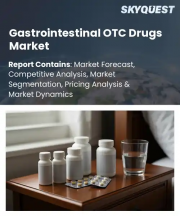
KSA 26.07.27Global Gastrointestinal OTC Drugs Market size was valued at USD 46.96 Billion in 2024 and is poised to grow from USD 48.68 Billion in 2025 to USD 64.9 Billion by 2033, growing at a CAGR of 3.66% during the forecast period (2026-2033).
The global gastrointestinal OTC drugs market is characterized by a wide range of medications like antacids, laxatives, anti-diarrheals, and probiotic supplements available without prescriptions, catering to the rising needs of health-conscious consumers and aging populations who prefer self-medication. Growing awareness of gut health and functional food trends significantly drives demand for products that alleviate digestive issues. The market has evolved from simple calcium carbonate solutions to advanced alginate-based remedies and targeted probiotics, reflecting shifts in consumer preferences and scientific advancements. The expansion of e-commerce is a key growth driver, enabling broader access to innovative formulations in emerging markets. This trend fosters greater inventory turnover for retailers and enhances patient access to faster relief through next-generation probiotics tailored to specific microbiome profiles.
Top-down and bottom-up approaches were used to estimate and validate the size of the Global Gastrointestinal OTC Drugs market and to estimate the size of various other dependent submarkets. The research methodology used to estimate the market size includes the following details: The key players in the market were identified through secondary research, and their market shares in the respective regions were determined through primary and secondary research. This entire procedure includes the study of the annual and financial reports of the top market players and extensive interviews for key insights from industry leaders such as CEOs, VPs, directors, and marketing executives. All percentage shares split, and breakdowns were determined using secondary sources and verified through Primary sources. All possible parameters that affect the markets covered in this research study have been accounted for, viewed in extensive detail, verified through primary research, and analyzed to get the final quantitative and qualitative data.
Global Gastrointestinal OTC Drugs Market Segments Analysis
Global gastrointestinal OTC drugs market is segmented by drug product class, disease indication focus, formulation format, route of administration, origin category, end-user environment, sales distribution channel and region. Based on drug product class, the market is segmented into antacids, laxatives, anti-diarrheal medications, anti-emetics, proton pump inhibitors, H2 inhibitors, gastric acid neutralizers and bowel anti-inflammatory agents. Based on disease indication focus, the market is segmented into heartburn relief, acute diarrhoea, chronic constipation, gastroesophageal reflux disease, acute nausea, vomiting control, motion sickness management, flatulence relief and bloating relief. Based on formulation format, the market is segmented into tablets, chewable tablets, capsules, soft gels, liquid suspensions, effervescent granules and dissolvable strips. Based on route of administration, the market is segmented into oral formulations, topical formulations and rectal formulations. Based on origin category, the market is segmented into synthetic chemical compounds, probiotic based formulations and natural herbal formulations. Based on end-user environment, the market is segmented into home healthcare self-medication, hospital inpatient management and ambulatory care clinics. Based on sales distribution channel, the market is segmented into retail pharmacies, drug stores, supermarkets, online pharmacy platforms and direct tender procurement. Based on region, the market is segmented into North America, Europe, Asia Pacific, Latin America and Middle East & Africa.
Driver of the Global Gastrointestinal OTC Drugs Market
The Global Gastrointestinal OTC Drugs market is significantly driven by an increase in public awareness regarding gastrointestinal health and the accessibility of over-the-counter treatment options. This growing knowledge empowers individuals to self-manage mild symptoms, which leads to a decreased dependence on prescription consultations. As consumers become more informed about the benefits of early intervention and preventive strategies, they are more inclined to seek OTC products for relief and ongoing maintenance of their health. This surge in awareness not only broadens the consumer base and encourages repeat purchases but also facilitates product innovation focused on convenience and efficacy. As a result, retail outlets experience heightened foot traffic, leading to an expansion of product offerings and enhanced distribution capabilities.
Restraints in the Global Gastrointestinal OTC Drugs Market
The Global Gastrointestinal OTC Drugs market faces significant constraints due to stringent regulations that oversee the safety and labeling of active ingredients. Manufacturers are burdened with extensive testing and documentation requirements that encompass formulation alterations, packaging modifications, and marketing assertions. This regulatory intricacy can slow down the approval processes and escalate development expenses, making it challenging for new competitors to enter the market and hindering existing companies from rapidly launching innovative solutions. Consequently, the overall market growth is inhibited, leading to a limited range of therapeutic options. Furthermore, regular policy adjustments introduce unpredictability, complicating long-term strategic planning for market participants.
Market Trends of the Global Gastrointestinal OTC Drugs Market
the Global Gastrointestinal OTC Drugs market. As digital health integration gains traction, consumers are increasingly relying on technology for their healthcare needs, leading to a shift in purchasing behaviors. The convenience of accessing tailored gastrointestinal solutions through digital platforms fosters proactive management of digestive health, encouraging customers to explore various OTC options. Enhanced user experiences through personalized recommendations not only improve adherence to self-care but also strengthen brand loyalty. Additionally, this trend opens up avenues for companies to leverage consumer data, informing product development and marketing strategies that resonate with the evolving expectations of health-conscious consumers worldwide.
Table of Contents
Introduction
- Objectives of the Study
- Market Definition & Scope
Research Methodology
- Research Process
- Secondary & Primary Data Methods
- Market Size Estimation Methods
Executive Summary
- Global Market Outlook
- Key Market Highlights
- Segmental Overview
- Competition Overview
Market Dynamics & Outlook
- Macro-Economic Indicators
- Drivers & Opportunities
- Restraints & Challenges
- Supply Side Trends
- Demand Side Trends
- Porters Analysis & Impact
- Competitive Rivalry
- Threat of Substitute
- Bargaining Power of Buyers
- Threat of New Entrants
- Bargaining Power of Suppliers
Key Market Insights
- Key Success Factors
- Market Impacting Factors
- Top Investment Pockets
- Ecosystem Mapping
- Market Attractiveness Index 2025
- PESTEL Analysis
- Regulatory Landscape
Global Gastrointestinal OTC Drugs Market Size by Drug Product Class & CAGR (2026-2033)
- Market Overview
- Antacids
- Laxatives
- Anti-Diarrheal Medications
- Anti-Emetics
- Proton Pump Inhibitors
- H2 Inhibitors
- Gastric Acid Neutralizers
- Bowel Anti-Inflammatory Agents
Global Gastrointestinal OTC Drugs Market Size by Disease Indication Focus & CAGR (2026-2033)
- Market Overview
- Heartburn Relief
- Acute Diarrhea
- Chronic Constipation
- Gastroesophageal Reflux Disease
- Acute Nausea
- Vomiting Control
- Motion Sickness Management
- Flatulence Relief
- Bloating Relief
Global Gastrointestinal OTC Drugs Market Size by Formulation Format & CAGR (2026-2033)
- Market Overview
- Tablets
- Chewable Tablets
- Capsules
- Softgels
- Liquid Suspensions
- Effervescent Granules
- Dissolvable Strips
Global Gastrointestinal OTC Drugs Market Size by Route of Administration & CAGR (2026-2033)
- Market Overview
- Oral Formulations
- Topical Formulations
- Rectal Formulations
Global Gastrointestinal OTC Drugs Market Size by Origin Category & CAGR (2026-2033)
- Market Overview
- Synthetic Chemical Compounds
- Probiotic Based Formulations
- Natural Herbal Formulations
Global Gastrointestinal OTC Drugs Market Size by End-User Environment & CAGR (2026-2033)
- Market Overview
- Home Healthcare Self Medication
- Hospital Inpatient Management
- Ambulatory Care Clinics
Global Gastrointestinal OTC Drugs Market Size by Sales Distribution Channel & CAGR (2026-2033)
- Market Overview
- Retail Pharmacies
- Drug Stores
- Supermarkets
- Online Pharmacy Platforms
- Direct Tender Procurement
Global Gastrointestinal OTC Drugs Market Size & CAGR (2026-2033)
- North America (Drug Product Class, Disease Indication Focus, Formulation Format, Route of Administration, Origin Category, End-User Environment, Sales Distribution Channel)
- US
- Canada
- Europe (Drug Product Class, Disease Indication Focus, Formulation Format, Route of Administration, Origin Category, End-User Environment, Sales Distribution Channel)
- Germany
- Spain
- France
- UK
- Italy
- Rest of Europe
- Asia Pacific (Drug Product Class, Disease Indication Focus, Formulation Format, Route of Administration, Origin Category, End-User Environment, Sales Distribution Channel)
- China
- India
- Japan
- South Korea
- Rest of Asia-Pacific
- Latin America (Drug Product Class, Disease Indication Focus, Formulation Format, Route of Administration, Origin Category, End-User Environment, Sales Distribution Channel)
- Mexico
- Brazil
- Rest of Latin America
- Middle East & Africa (Drug Product Class, Disease Indication Focus, Formulation Format, Route of Administration, Origin Category, End-User Environment, Sales Distribution Channel)
- GCC Countries
- South Africa
- Rest of Middle East & Africa
Competitive Intelligence
- Top 5 Player Comparison
- Market Positioning of Key Players, 2025
- Strategies Adopted by Key Market Players
- Recent Developments in the Market
- Company Market Share Analysis, 2025
- Company Profiles of All Key Players
- Company Details
- Product Portfolio Analysis
- Company's Segmental Share Analysis
- Revenue Y-O-Y Comparison (2023-2025)
Key Company Profiles
- Bayer AG
- Company Overview
- Business Segment Overview
- Financial Updates
- Key Developments
- Haleon plc
- Company Overview
- Business Segment Overview
- Financial Updates
- Key Developments
- Sanofi S.A.
- Company Overview
- Business Segment Overview
- Financial Updates
- Key Developments
- The Procter and Gamble Company
- Company Overview
- Business Segment Overview
- Financial Updates
- Key Developments
- Johnson and Johnson Services Inc.
- Company Overview
- Business Segment Overview
- Financial Updates
- Key Developments
- Reckitt Benckiser Group plc
- Company Overview
- Business Segment Overview
- Financial Updates
- Key Developments
- Teva Pharmaceutical Industries Ltd.
- Company Overview
- Business Segment Overview
- Financial Updates
- Key Developments
- Viatris Inc.
- Company Overview
- Business Segment Overview
- Financial Updates
- Key Developments
- Perrigo Company plc
- Company Overview
- Business Segment Overview
- Financial Updates
- Key Developments
- Takeda Pharmaceutical Company Limited
- Company Overview
- Business Segment Overview
- Financial Updates
- Key Developments
- Sun Pharmaceutical Industries Ltd.
- Company Overview
- Business Segment Overview
- Financial Updates
- Key Developments
- Dr. Reddy's Laboratories Ltd.
- Company Overview
- Business Segment Overview
- Financial Updates
- Key Developments
- Cipla Limited
- Company Overview
- Business Segment Overview
- Financial Updates
- Key Developments
- Lupin Limited
- Company Overview
- Business Segment Overview
- Financial Updates
- Key Developments
- Alkem Laboratories Ltd.
- Company Overview
- Business Segment Overview
- Financial Updates
- Key Developments
- Torrent Pharmaceuticals Ltd.
- Company Overview
- Business Segment Overview
- Financial Updates
- Key Developments
- Glenmark Pharmaceuticals Limited
- Company Overview
- Business Segment Overview
- Financial Updates
- Key Developments
- Hikma Pharmaceuticals PLC
- Company Overview
- Business Segment Overview
- Financial Updates
- Key Developments
- Abbott Laboratories
- Company Overview
- Business Segment Overview
- Financial Updates
- Key Developments
- Boehringer Ingelheim International GmbH
- Company Overview
- Business Segment Overview
- Financial Updates
- Key Developments