
|
시장보고서
상품코드
2131461
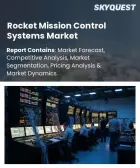
로켓 미션 제어 시스템 시장 규모, 점유율, 성장 분석 : 제공별, 전개별, 미션 유형별, 최종사용자별, 지역별 - 산업 예측(2026-2033년)Rocket Mission Control Systems Market Size, Share, and Growth Analysis, By Offering (Software, Services), By Deployment (On-Premises, Cloud-Based), By Mission Type, By End User, By Region - Industry Forecast 2026-2033 |
||||||

세계의 로켓 미션 제어 시스템 시장 규모는 2024년에 13억 7,000만 달러로 평가되며, 2025년 15억 6,000만 달러에서 2033년까지 44억 3,000만 달러로 확대될 전망이며, 예측 기간(2026-2033년) 동안 CAGR 13.9%로 성장할 것으로 전망됩니다.
세계 로켓 미션 제어 시스템 시장은 발사 로켓의 효과적인 유도, 항법, 통신에 필수적인 하드웨어, 소프트웨어, 텔레메트리 솔루션이 융합되어 있다는 것이 특징입니다. 정부 및 민간 부문이 귀중한 페이로드를 보호하고 승무원의 안전을 확보하기 위해 신뢰성 높은 제어를 중시함에 따라 이 시장의 중요성은 점점 더 커지고 있습니다. 재사용형 발사체의 부상으로 인해 적응성이 높고 소프트웨어 정의 아키텍처에 대한 수요가 증가하고 있으며, 각 벤더들은 기존의 하드와이어드 방식 시스템에서 보다 모듈화된 플랫폼으로의 전환을 요구받고 있습니다. 주목할 만한 동향으로 상용 위성 군집의 전개가 증가하고 있으며, 이에 따라 명령 주기의 빈도 향상과 이상 현상의 자동 모니터링이 요구되고 있습니다. 이러한 기술적 수요 증가에 따라 혁신적인 SaaS 솔루션이 등장하고 있으며, 유서 깊은 항공우주 기업들이 신생 기업을 인수하는 움직임이 나타나고 있습니다. 그 결과, 시장 통합이 진행되면서 자율형 발사 제어 시스템으로의 전환이 가속화되고 있습니다.
세계 로켓 미션 제어 시스템 시장의 성장요인
세계 로켓 미션 제어 시스템 시장의 성장은, 여러 페이로드, 실시간 텔레메트리, 복잡한 궤도 계산을 효과적으로 관리할 수 있는 첨단 미션 제어 솔루션에 대한 수요에 힘입어 크게 촉진되고 있습니다. 발사 서비스 확대를 목표로 하는 기업들은 확장성이 뛰어난 소프트웨어, 내결함성이 우수한 통신 시스템, 업그레이드된 지상 부문 인프라에 막대한 투자를 하고 있습니다. 이러한 추세는 증가하는 미션 빈도와 다양한 고객 요구에 대응할 수 있는, 신뢰성이 높고 적응성이 뛰어난 시스템에 대한 수요를 촉진하고 있습니다. 또한, 발사 빈도 증가가 중요시됨에 따라 통합형 명령 스위트의 도입이 진행되고 있습니다. 이러한 시스템은 항공우주 산업 전반에 걸쳐 운영 안정성을 유지하고 가동 중지 시간을 최소화하기 위한 원격 업데이트 기능을 제공합니다.
세계 로켓 미션 제어 시스템 시장의 제약요인
세계 로켓 미션 제어 시스템 시장은 항공 당국이 의무화하는 엄격한 인증 절차와 운영 기준으로 인해 큰 과제에 직면해 있습니다. 이러한 규제에서는 방대한 문서 작성, 종합적인 안전 검증, 정기적인 감사가 요구되며, 그 결과 개발 기간이 장기화되고 자원 배분이 증가할 가능성이 있습니다. 제조업체가 규정 준수 요건 충족에 기술 개발의 중점을 두게 되면 혁신이 저해되어 제품 출시 지연이나 프로젝트 비용 증가로 이어질 수 있습니다. 고객은 변화하는 규제를 준수하면서도 위험을 효과적으로 관리할 수 있는, 완전히 인증된 솔루션을 선호하는 경향이 있으므로, 이러한 상황은 시장의 확산을 저해할 우려가 있습니다. 또한, 승인 절차가 장기화되면 중소기업의 시장 진입을 저해하고, 궁극적으로 경쟁을 제한하며 성장을 저해하는 요인이 됩니다.
세계 로켓 미션 제어 시스템 시장의 동향
세계 로켓 미션 제어 시스템 시장에서는 자율적인 미션 시퀀스 기능 통합을 향한 큰 변화가 일어나고 있으며, 이는 우주 기관 및 상업 발사 사업자의 운영 환경에 혁명을 일으키고 있습니다. 이러한 동향으로 인해 실시간 의사결정이 강화되고, 시스템은 지연을 최소화하며 이상 상황에 대응할 수 있게 되어, 그 결과 미션의 중요한 단계에서 안전성이 향상됩니다. 또한, AI를 활용한 분석 기능이 통합됨에 따라 예측적 인사이트를 얻을 수 있고, 잠재적인 고장에 선제적으로 대응할 수 있어 발사 성공률이 향상됩니다. 운영 담당자는 워크플로우의 효율화를 누릴 수 있어 끊임없이 변화하는 궤도 환경에서 자산을 신속하게 재배치할 수 있게 되며, 국제 파트너 간의 협력이 촉진되어 신흥 상용 위성 군집으로의 길이 열립니다.
자주 묻는 질문
목차
소개
조사 방법
주요 요약
시장 역학과 전망
주요 시장 인사이트
세계의 로켓 미션 제어 시스템 시장 규모 : 제공별
세계의 로켓 미션 제어 시스템 시장 규모 : 전개별
세계의 로켓 미션 제어 시스템 시장 규모 : 미션 유형별
세계의 로켓 미션 제어 시스템 시장 규모 : 최종사용자별
세계의 로켓 미션 제어 시스템 시장 규모 : 지역별
경쟁 정보
주요 기업 개요
결론과 제안
KSM 26.10.01Global Rocket Mission Control Systems Market size was valued at USD 1.37 Billion in 2024 and is poised to grow from USD 1.56 Billion in 2025 to USD 4.43 Billion by 2033, growing at a CAGR of 13.9% during the forecast period (2026-2033).
The global rocket mission control systems market is characterized by a blend of hardware, software, and telemetry solutions essential for effective guidance, navigation, and communication of launch vehicles. This market is increasingly vital as government and commercial sectors emphasize reliable control to safeguard valuable payloads and ensure crew safety. The rise of reusable launch vehicles has driven demand for adaptable, software-defined architectures, pushing vendors to evolve from traditional hard-wired systems to more modular platforms. A prominent trend is the increasing deployment of commercial satellite constellations, necessitating more frequent command cycles and automated anomaly monitoring. This growing technical demand has led to the emergence of innovative SaaS solutions, prompting established aerospace companies to acquire startups, resulting in market consolidation and a shift towards autonomous launch control systems.
Top-down and bottom-up approaches were used to estimate and validate the size of the Global Rocket Mission Control Systems market and to estimate the size of various other dependent submarkets. The research methodology used to estimate the market size includes the following details: The key players in the market were identified through secondary research, and their market shares in the respective regions were determined through primary and secondary research. This entire procedure includes the study of the annual and financial reports of the top market players and extensive interviews for key insights from industry leaders such as CEOs, VPs, directors, and marketing executives. All percentage shares split, and breakdowns were determined using secondary sources and verified through Primary sources. All possible parameters that affect the markets covered in this research study have been accounted for, viewed in extensive detail, verified through primary research, and analyzed to get the final quantitative and qualitative data.
Global Rocket Mission Control Systems Market Segments Analysis
Global rocket mission control systems market is segmented by offering, deployment, mission type, end user and region. Based on offering, the market is segmented into software and services. Based on deployment, the market is segmented into on-premises and cloud-based. Based on mission type, the market is segmented into orbital missions, suborbital missions and deep space missions. Based on end user, the market is segmented into government & defense agencies, commercial space companies and research & academic organizations. Based on region, the market is segmented into North America, Europe, Asia Pacific, Latin America and Middle East & Africa.
Driver of the Global Rocket Mission Control Systems Market
The growth of the Global Rocket Mission Control Systems market is significantly propelled by the need for advanced mission control solutions that can effectively manage multiple payloads, real-time telemetry, and intricate trajectory calculations. Companies aiming to broaden their launch services are investing heavily in scalable software, resilient communication systems, and upgraded ground-segment infrastructure. This trend fosters the demand for reliable, adaptable systems that can accommodate rising mission frequencies and varied client needs. Additionally, the emphasis on increasing launch rates contributes to the embrace of integrated command suites, which offer remote update capabilities to maintain operational stability and minimize downtime throughout the aerospace industry.
Restraints in the Global Rocket Mission Control Systems Market
The Global Rocket Mission Control Systems market faces significant challenges due to stringent certification processes and operational standards mandated by aviation authorities. These regulations require substantial documentation, comprehensive safety validations, and regular audits, which can lengthen development timelines and increase resource allocation. As manufacturers focus their engineering efforts on meeting compliance requirements, innovation may be hindered, resulting in delayed product launches and higher project costs. This situation can dampen market adoption, as customers often prefer fully certified solutions that align with changing regulations while effectively managing risks. Additionally, lengthy approval cycles can deter smaller companies from entering the market, ultimately restricting competition and impeding growth.
Market Trends of the Global Rocket Mission Control Systems Market
The global rocket mission control systems market is experiencing a significant shift towards integrating autonomous mission sequencing capabilities, revolutionizing the operational landscape for space agencies and commercial launch providers. This trend enhances real-time decision-making, allowing systems to respond to anomalies with minimal latency, thereby improving safety during critical mission phases. Additionally, the incorporation of AI-driven analytics facilitates predictive insights, which proactively address potential failures, thereby increasing launch success rates. As operators enjoy streamlined workflows, the ability to swiftly re-task assets in ever-evolving orbital environments becomes feasible, fostering collaboration among international partners and paving the way for emerging commercial constellations.
Table of Contents
Introduction
- Objectives of the Study
- Market Definition & Scope
Research Methodology
- Research Process
- Secondary & Primary Data Methods
- Market Size Estimation Methods
Executive Summary
- Global Market Outlook
- Key Market Highlights
- Segmental Overview
- Competition Overview
Market Dynamics & Outlook
- Macro-Economic Indicators
- Drivers & Opportunities
- Restraints & Challenges
- Supply Side Trends
- Demand Side Trends
- Porters Analysis & Impact
- Competitive Rivalry
- Threat of Substitute
- Bargaining Power of Buyers
- Threat of New Entrants
- Bargaining Power of Suppliers
Key Market Insights
- Key Success Factors
- Market Impacting Factors
- Top Investment Pockets
- Ecosystem Mapping
- Market Attractiveness Index 2025
- PESTEL Analysis
- Regulatory Landscape
Global Rocket Mission Control Systems Market Size by Offering & CAGR (2026-2033)
- Market Overview
- Software
- Mission Planning & Design
- Flight Dynamics & Navigation
- Telemetry
- Tracking & Command (TT&C)
- Mission Monitoring & Control
- Services
- System Integration
- Maintenance & Support
- Training & Consulting
Global Rocket Mission Control Systems Market Size by Deployment & CAGR (2026-2033)
- Market Overview
- On-Premises
- Cloud-Based
Global Rocket Mission Control Systems Market Size by Mission Type & CAGR (2026-2033)
- Market Overview
- Orbital Missions
- Suborbital Missions
- Deep Space Missions
Global Rocket Mission Control Systems Market Size by End User & CAGR (2026-2033)
- Market Overview
- Government & Defense Agencies
- Commercial Space Companies
- Research & Academic Organizations
Global Rocket Mission Control Systems Market Size & CAGR (2026-2033)
- North America (Offering, Deployment, Mission Type, End User)
- US
- Canada
- Europe (Offering, Deployment, Mission Type, End User)
- Germany
- Spain
- France
- UK
- Italy
- Rest of Europe
- Asia Pacific (Offering, Deployment, Mission Type, End User)
- China
- India
- Japan
- South Korea
- Rest of Asia-Pacific
- Latin America (Offering, Deployment, Mission Type, End User)
- Mexico
- Brazil
- Rest of Latin America
- Middle East & Africa (Offering, Deployment, Mission Type, End User)
- GCC Countries
- South Africa
- Rest of Middle East & Africa
Competitive Intelligence
- Top 5 Player Comparison
- Market Positioning of Key Players, 2025
- Strategies Adopted by Key Market Players
- Recent Developments in the Market
- Company Market Share Analysis, 2025
- Company Profiles of All Key Players
- Company Details
- Product Portfolio Analysis
- Company's Segmental Share Analysis
- Revenue Y-O-Y Comparison (2023-2025)
Key Company Profiles
- RTX Corporation
- Company Overview
- Business Segment Overview
- Financial Updates
- Key Developments
- Lockheed Martin Corporation
- Company Overview
- Business Segment Overview
- Financial Updates
- Key Developments
- The Boeing Company
- Company Overview
- Business Segment Overview
- Financial Updates
- Key Developments
- Northrop Grumman Corporation
- Company Overview
- Business Segment Overview
- Financial Updates
- Key Developments
- L3Harris Technologies, Inc.
- Company Overview
- Business Segment Overview
- Financial Updates
- Key Developments
- General Dynamics Corporation
- Company Overview
- Business Segment Overview
- Financial Updates
- Key Developments
- BAE Systems plc
- Company Overview
- Business Segment Overview
- Financial Updates
- Key Developments
- Thales S.A.
- Company Overview
- Business Segment Overview
- Financial Updates
- Key Developments
- Airbus SE
- Company Overview
- Business Segment Overview
- Financial Updates
- Key Developments
- Safran S.A.
- Company Overview
- Business Segment Overview
- Financial Updates
- Key Developments
- Leonardo S.p.A.
- Company Overview
- Business Segment Overview
- Financial Updates
- Key Developments
- Kongsberg Gruppen ASA
- Company Overview
- Business Segment Overview
- Financial Updates
- Key Developments
- Kratos Defense & Security Solutions, Inc.
- Company Overview
- Business Segment Overview
- Financial Updates
- Key Developments
- Rocket Lab USA, Inc.
- Company Overview
- Business Segment Overview
- Financial Updates
- Key Developments
- Sierra Space Corporation
- Company Overview
- Business Segment Overview
- Financial Updates
- Key Developments
- Blue Origin, LLC
- Company Overview
- Business Segment Overview
- Financial Updates
- Key Developments
- Space Exploration Technologies Corp.
- Company Overview
- Business Segment Overview
- Financial Updates
- Key Developments
- Firefly Aerospace, Inc.
- Company Overview
- Business Segment Overview
- Financial Updates
- Key Developments
- Mitsubishi Electric Corporation
- Company Overview
- Business Segment Overview
- Financial Updates
- Key Developments
- Israel Aerospace Industries Ltd.
- Company Overview
- Business Segment Overview
- Financial Updates
- Key Developments


