|
시장보고서
상품코드
1421466
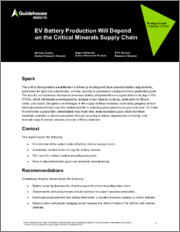
전기자동차(EV) 배터리 생산 : 핵심 광물 공급망에 대한 의존도EV Battery Production Will Depend on the Critical Minerals Supply Chain |
||||||

교통수단의 전동화 전환은 특히 소형차에 대한 현재와 미래의 탈탄소화 요구사항에 의해 추진되고 있으며, 자동차 제조업체들은 야심찬 생산 목표를 설정하고 있습니다. 그 결과, 수백만 대의 플러그인 전기차(PEV)를 지원하기 위해 첨단 배터리 셀 생산이 크게 증가하고 있으며, 이에 따라 리튬, 니켈, 코발트와 같은 원자재 조달도 증가할 가능성이 높습니다. 이러한 광물을 채굴하고 정제하는 공급망은 현재 특정 지역에 집중되어 있으며, 특히 중국은 거의 모든 시장에서 압도적인 점유율을 차지하고 있습니다. 기업과 정부 모두 공급처를 다양화하고 혼란의 위험을 줄이기 위해 전체 공급을 늘리기 위해 노력하는 동시에 이러한 재료의 생산을 늘리기를 희망하고 있습니다.
이러한 중요한 광물의 새로운 공급원이 확보되는 반면, 공급 부족을 포함한 공급 중단은 광범위한 전기화로의 전환과 이와 관련된 세계 온실가스 감축 효과를 지연시킬 수 있습니다. 성공적인 전환을 위해 이해관계자들은 보다 지역 기반의 새로운 공급망을 구축하고, 채굴에 대한 의존도를 줄이기 위해 재활용을 통한 순환형 생태계를 구축하며, 일부 재료에 대한 의존도를 줄이는 방법을 혁신해야 합니다.
이 보고서는 전기자동차(EV) 배터리의 현재 수요와 배터리용 광물 수요 증가로 이어질 수 있는 요인을 살펴봅니다. 또한, 배터리 소재 공급망 다변화의 동기와 공급망 혼란이 초래할 수 있는 잠재적 악영향을 살펴봅니다. 또한, 단기적인 공급 부족을 피하고 배터리 소재 공급망의 장기적인 지속가능성을 확립하기 위한 중요한 권고사항을 제시합니다.
목차
- 스파크
- 컨텍스트
- 추천사항
- EV에 의한 중요 광물 수요 증가
- 현재 공급망은 지역적으로 집중되고 있다
- EV 증가는 배터리 증가와 대형화를 의미한다
- 공급망 구축에는 시간이 걸린다
- 재활용 규모 확대에는 몇 년의 시간이 필요하다
- 광물자원의 심각한 부족으로 EV 보급이 저해될 가능성
- 배터리 공장 확장이 지연될 가능성
- 중국의 자동차 제조업체가 기존 자동차 제조업체를 무너뜨릴 가능성
- 수송기계 탈탄소화 노력이 좌절될 가능성
- 자동차 업계는 회복력 있는 순환형 배터리 공급망을 구축해야 한다
- 강고한 재활용 생태계 확립
- 현지 공급망에 대한 지속적인 인센티브 제공
- 대체적인 배터리용 화학 성분 촉진
- 견고한 충전 네트워크 확보
The shift to transportation electrification is driven by existing and future decarbonization requirements, particularly for light duty automobiles, and has resulted in automakers setting ambitious production goals. The result is an enormous increase in advanced battery cell production to support millions of plug-in EVs (PEVs), which will require a corresponding increase in raw material sourcing, particularly for lithium, nickel, and cobalt. The current supply chains for mining and refining these minerals are heavily focused in specific geographic areas, with China having an outsized share of nearly every market. Businesses and governments alike desire to increase production of these materials concurrent with efforts to increase the overall supply to diversify their sourcing and reduce the risk of disruption.
While these new sources for critical minerals are being established, disruptions in supply, including shortages, could delay progress toward widespread electrification and the related benefits in reducing global greenhouse gas emissions. To make this transition successfully, stakeholders must build new, more localized supply chains, establish a circular ecosystem through recycling to reduce dependence on mining, and innovate ways to reduce the reliance on some of these materials.
This Guidehouse Insights Strategy Insight reviews the current demand and market drivers for EV batteries that are leading to increased demand for battery minerals. It explains the motivations for diversifying the battery material supply chain and the potential negative consequences of supply chain disruption. It also offers key recommendations for avoiding near-term shortages and establishing long-term sustainability in the battery material supply chain.
Table of Contents
Spark
Context
Recommendations
EVs Have Driven Increases in the Need for Critical Minerals
Current Supply Chains Are Concentrated Geographically
More EVs Mean More, and Bigger, Batteries
Building Supply Chains Takes Time
Recycling Will Take Years to Scale
Critical Mineral Shortages Could Short-Circuit EV Adoption
Battery Plants Might Not Scale in Time
Chinese Automakers Could Topple Legacy Automakers
Transportation Decarbonization Efforts Could Falter
The Auto Industry Must Build a Resilient, Circular Battery Supply Chain
Establish Robust Recycling Ecosystems
Continue Providing Incentives for Localized Supply Chains
Promote Alternative Battery Chemistries
Ensure Robust Charging Networks